 English
 عربى
عربى
Room 102, Building 13, Area A, Wanyang Zhongchuang Park, Ganyao Town, Jiashan County, Zhejiang China.
News
Home / News / Industry News / Comprehensive Guide to Fix Bolts and Flange Bolts – Applications and Differences
Content
Fix bolts and flange bolts are essential fasteners in various mechanical and structural applications. The key difference between the two lies in their design and specific use cases. Fix bolts are commonly used to join two pieces of material together in static applications, while flange bolts feature a built-in flange that helps distribute load and prevent loosening over time. Both types of bolts have distinct features and are chosen based on the specific demands of the project.
Fix bolts are designed to provide a secure, long-lasting connection between two surfaces. Their basic structure consists of a shaft with threads that match the corresponding nut or hole, offering a simple yet effective fastening method. These bolts are typically used in applications where no movement is expected between the fastened parts.
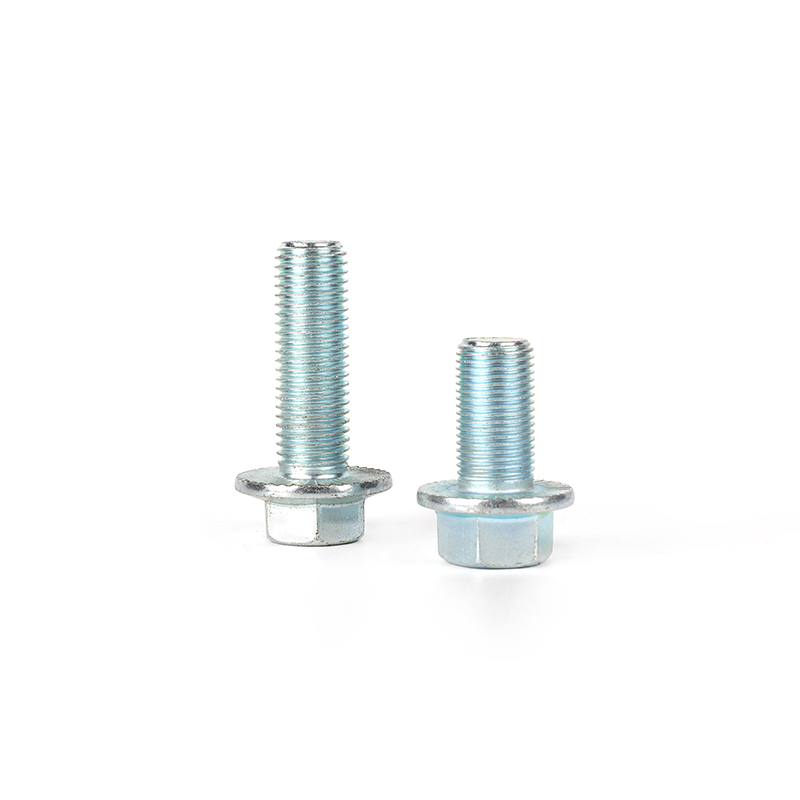
Flange bolts feature a wider base or flange built directly into the bolt head. This design allows them to distribute the load over a larger area, which minimizes the risk of damage to the materials being fastened. The flange also eliminates the need for washers, simplifying the installation process and saving time. Furthermore, the flange helps in preventing the bolt from loosening over time due to vibrations.
Choosing between fix bolts and flange bolts depends on the specific requirements of the project. For instance, if load distribution and vibration resistance are critical, flange bolts are the better choice. However, if simplicity and ease of installation are more important, fix bolts may be sufficient. Below is a comparison table to help with the decision-making process:
| Feature | Fix Bolts | Flange Bolts |
|---|---|---|
| Load Distribution | Limited | Excellent |
| Installation Time | Standard | Fast (no washers required) |
| Vibration Resistance | Moderate | High |
Fix bolts and flange bolts each offer unique advantages, making them suitable for different applications. Fix bolts are ideal for simple, static connections, while flange bolts are better for high-vibration environments or when load distribution is crucial. By understanding these differences, you can select the right type of bolt for your project, ensuring both safety and efficiency.
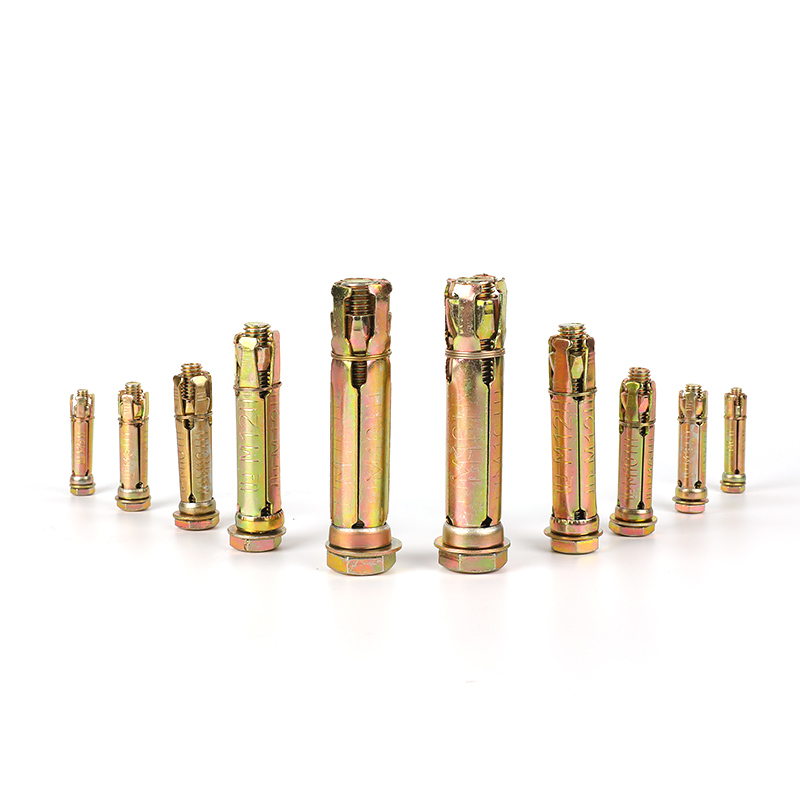
Fix anchorbolts include bolts, washers, nuts and 4PCS cylindrical shields. By tightening the bolts, the shields tubes expand and the components can be...
See Details
Flange bolts are specially used to tightly connect pipes and components with flanges. We produce flange bolts are solid t and durablethat, compling wi...
See Details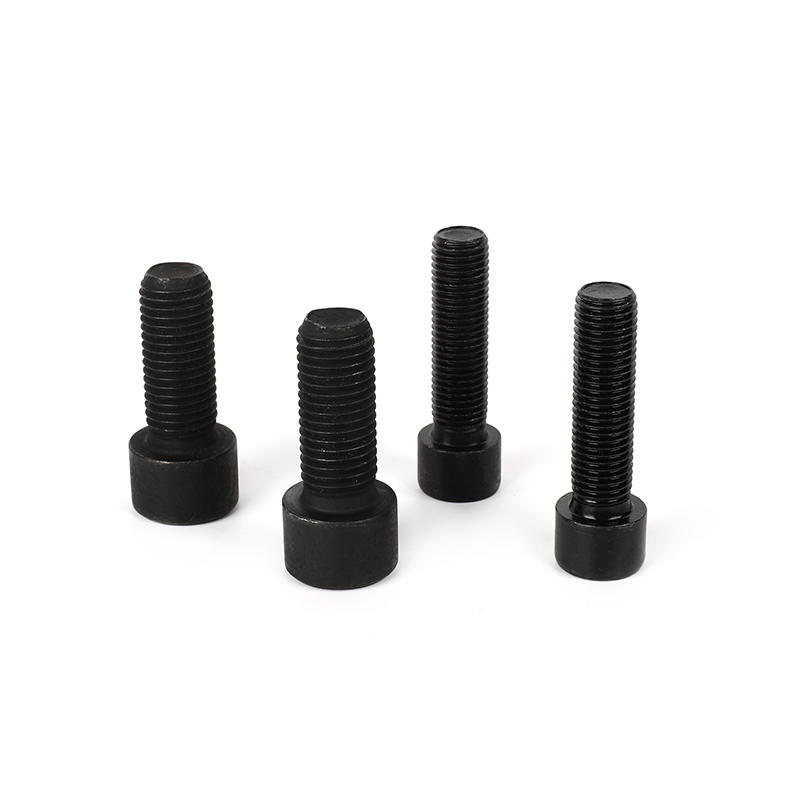
The Grade 8.8 black oxide full-thread hexagon socket bolts have an internal hex design and needs to be used with a wrench with a hex head. Its full th...
See Details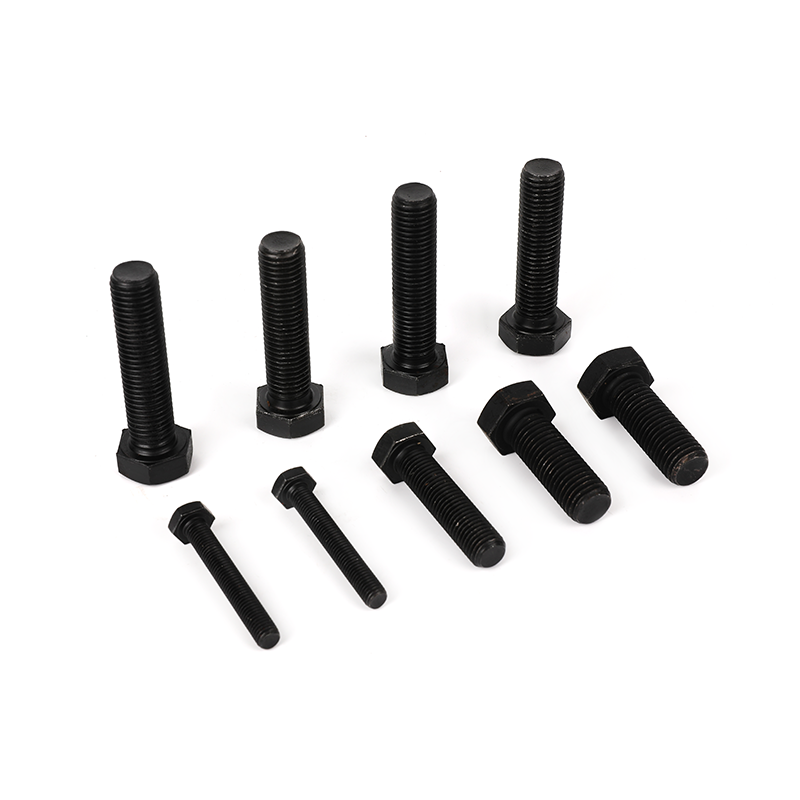
Grade 8.8 black oxide full-thread hexagon bolts is a very common fastener and requires a wrench or hex wrench to tighten it. Our hex head bolt meet th...
See Details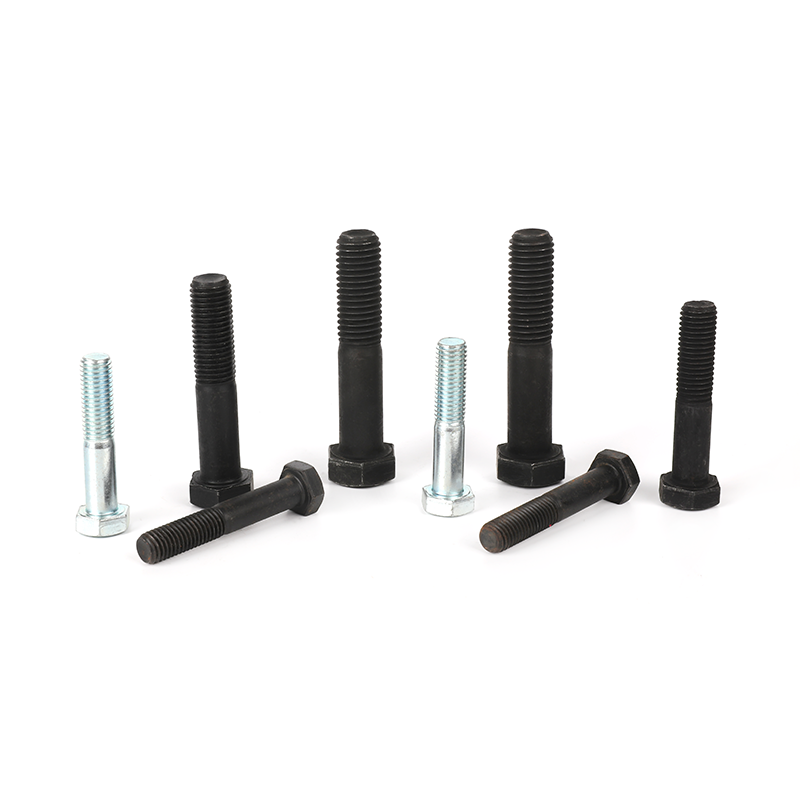
This product is made of high-quality carbon steel and undergoes a rigorous heat treatment process. It has high strength, good elasticity and toughness...
See Details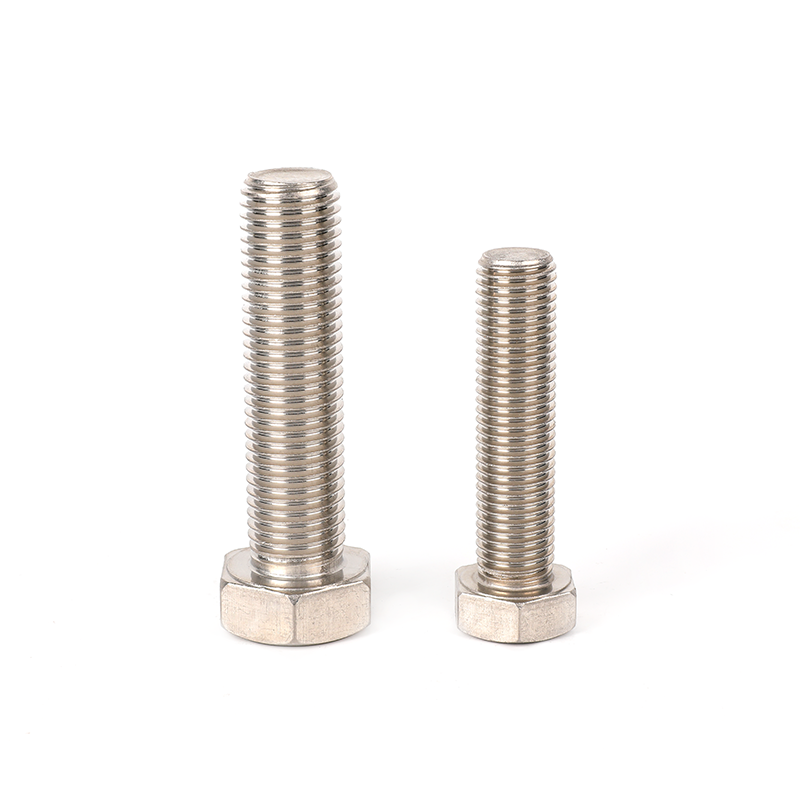
This 304 stainless steel plain full-thread hexagon bolt is a kind of fasteners made of high-quality stainless steel material and has corrosion resista...
See Details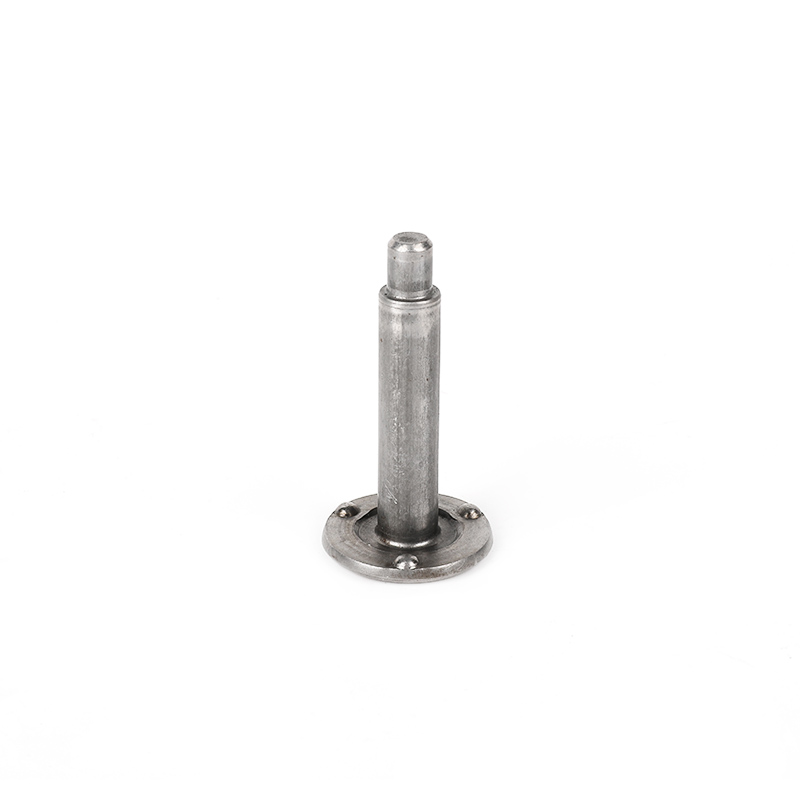
This plain round flat head weld shoulder bolt is a fastener suitable for a variety of welding applications. Its flat head and round head design makes ...
See Details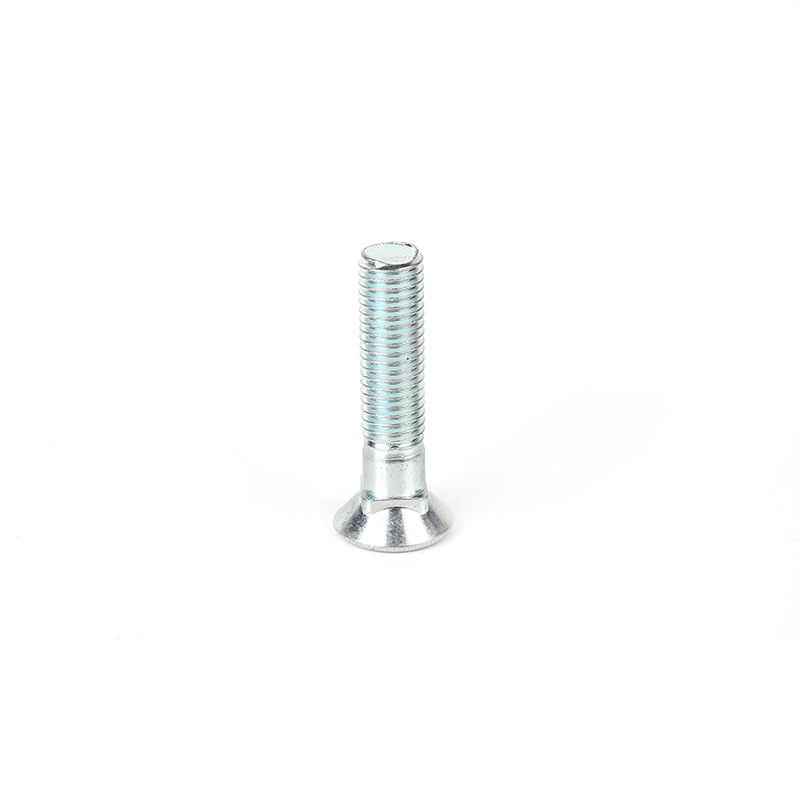
This Grade 12.9 zinc plated countersunk head square neck plow bolt has the advantages of high precision, high operability, high strength, and high ten...
See Details
Room 102, Building 13, Area A, Wanyang Zhongchuang Park, Ganyao Town, Jiashan County, Zhejiang China.
+86-17858810290
+86-573-84648787
product
mobile
