 English
 عربى
عربى
Room 102, Building 13, Area A, Wanyang Zhongchuang Park, Ganyao Town, Jiashan County, Zhejiang China.
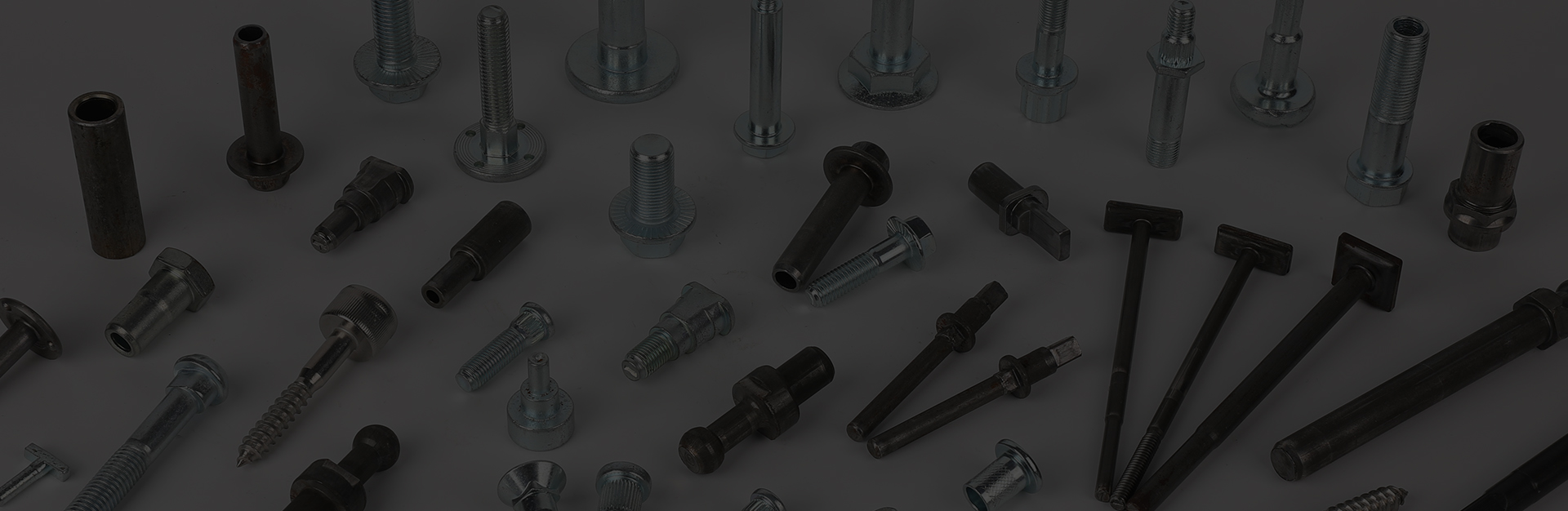
Hexagon head screws, often referred to as hex bolts or cap screws, are the backbone of structural assembly in construction, automotive, and heavy machinery industries. Their six-sided head design allows for high torque application using standard wrenches or sockets, providing superior clamping force compared to slotted or Phillips drive fasteners. This mechanical advantage makes them ideal for critical load-bearing applications where vibration resistance and joint integrity are paramount.
The versatility of hexagon head screws lies in their diverse material compositions and strength grades. From standard zinc-plated steel for general use to high-tensile alloy steel for structural steelwork, selecting the correct specification is crucial. A properly installed hex screw can withstand shear forces exceeding 100,000 psi in high-grade applications, ensuring safety and longevity in demanding environments.
Content
The performance of a hexagon head screw is defined by its property class (metric) or grade (imperial). These markings, typically found on the head of the bolt, indicate the tensile strength, yield strength, and hardness of the material. Misidentifying these grades can lead to catastrophic joint failure.
Metric hex screws are classified by numbers such as 8.8, 10.9, and 12.9. The first number represents the ultimate tensile strength in MPa (divided by 100), and the second number indicates the ratio of yield strength to ultimate tensile strength. For example, a Class 10.9 screw has an ultimate tensile strength of 1000 MPa and a yield strength that is 90% of that value.
| Property Class | Tensile Strength (MPa) | Yield Strength (MPa) | Typical Application |
|---|---|---|---|
| 8.8 | 800 | 640 | General Machinery |
| 10.9 | 1000 | 900 | Structural Steel, Automotive |
| 12.9 | 1200 | 1080 | High-Stress Engineering |
In the United States, hexagon head screws are often rated by SAE (Society of Automotive Engineers) grades, marked by radial lines on the head. A Grade 5 screw has three lines and a medium carbon steel composition, while a Grade 8 screw has six lines and is made from medium carbon alloy steel, quenched and tempered for higher strength. Grade 8 is the standard for automotive suspension and high-vibration industrial applications.
The environment in which a hexagon head screw operates dictates the necessary material and coating. Using the wrong material can lead to rapid corrosion, galvanic reaction, or hydrogen embrittlement.
Proper installation of hexagon head screws is critical to achieving the desired clamping force. Over-tightening can strip threads or stretch the bolt beyond its yield point, while under-tightening can lead to joint loosening due to vibration.
Friction plays a significant role in torque-tension relationships. Approximately 90% of applied torque is lost overcoming friction under the head and in the threads. Only 10% contributes to stretching the bolt and creating clamp load. Therefore, using a consistent lubricant or anti-seize compound is essential for predictable results. Dry bolts require significantly higher torque to achieve the same clamp load as lubricated ones, increasing the risk of galling or breakage.
When installing multiple hex screws in a flange or plate, a specific tightening sequence is required to ensure even pressure distribution. A star or crisscross pattern is recommended. Start by hand-tightening all fasteners, then apply 30% of the final torque in the sequence, followed by 70%, and finally 100%. This prevents warping of the components and ensures a uniform seal or joint interface.
Understanding how hexagon head screws fail helps in designing more reliable joints. The most common failure modes include shear fracture, tensile overload, and fatigue.
Shear failure occurs when lateral forces exceed the bolt's cross-sectional strength. To prevent this, use fitted bolts or reamed holes for precision alignment, rather than relying on friction alone. Fatigue failure is caused by cyclic loading and usually starts at the thread root. Using rolled threads instead of cut threads improves fatigue life by work-hardening the material. Additionally, ensuring the correct preload minimizes the fluctuating stress amplitude experienced by the bolt during operation.

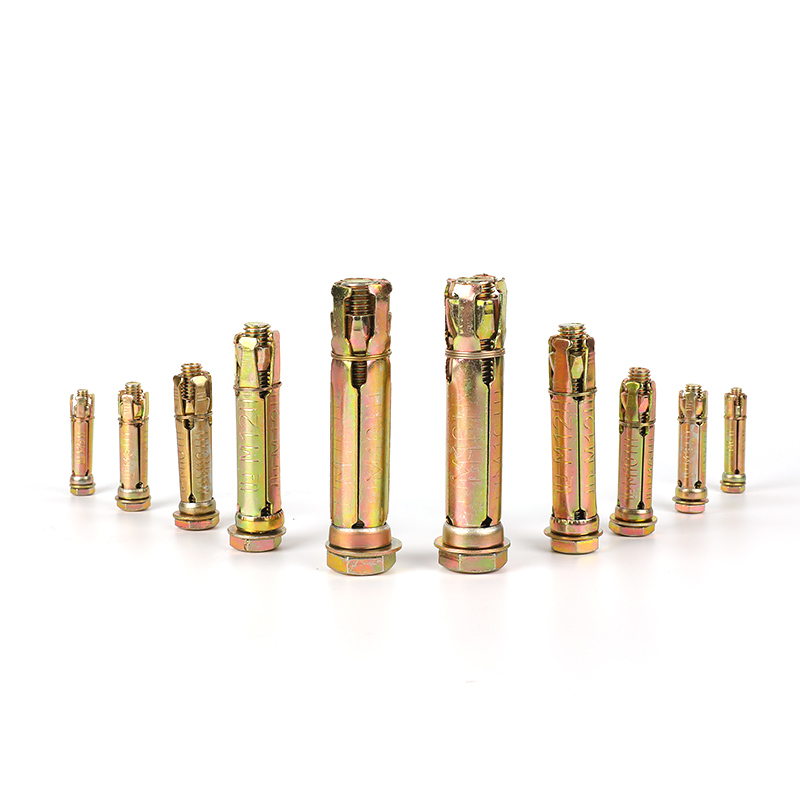
Fix anchorbolts include bolts, washers, nuts and 4PCS cylindrical shields. By tightening the bolts, the shields tubes expand and the components can be...
See Details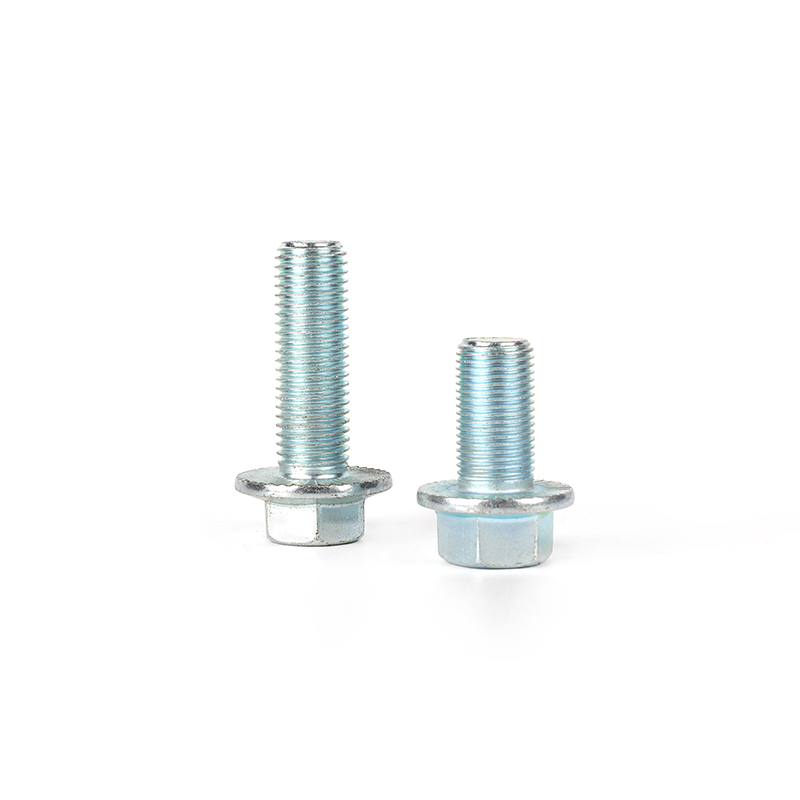
Flange bolts are specially used to tightly connect pipes and components with flanges. We produce flange bolts are solid t and durablethat, compling wi...
See Details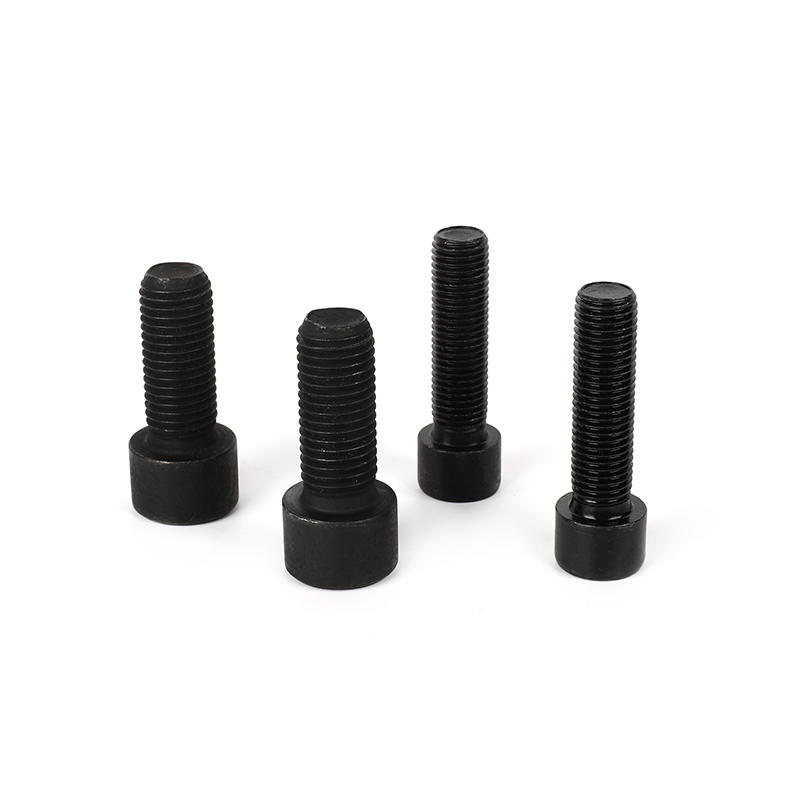
The Grade 8.8 black oxide full-thread hexagon socket bolts have an internal hex design and needs to be used with a wrench with a hex head. Its full th...
See Details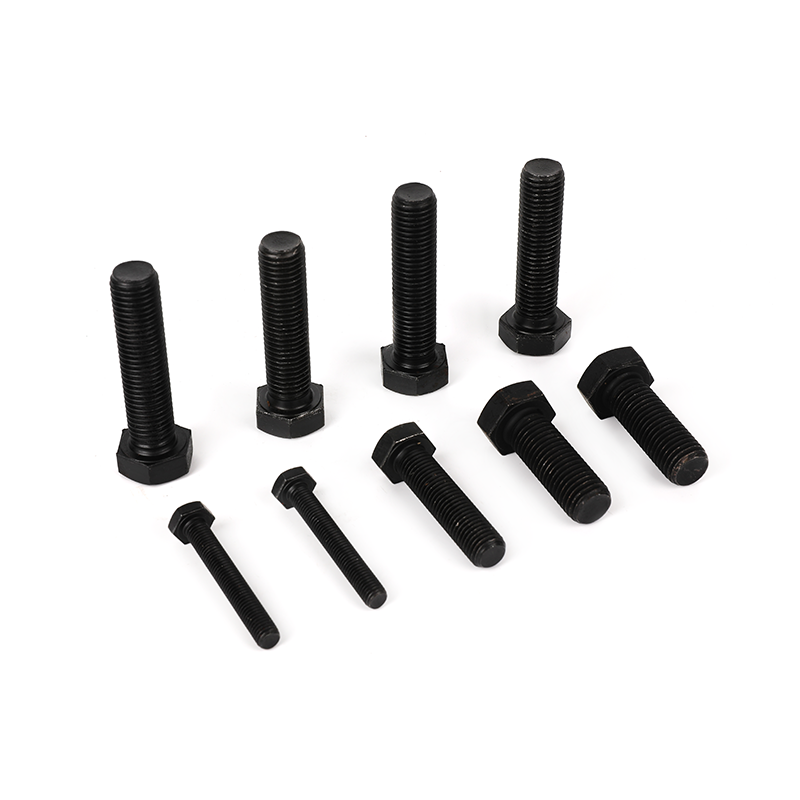
Grade 8.8 black oxide full-thread hexagon bolts is a very common fastener and requires a wrench or hex wrench to tighten it. Our hex head bolt meet th...
See Details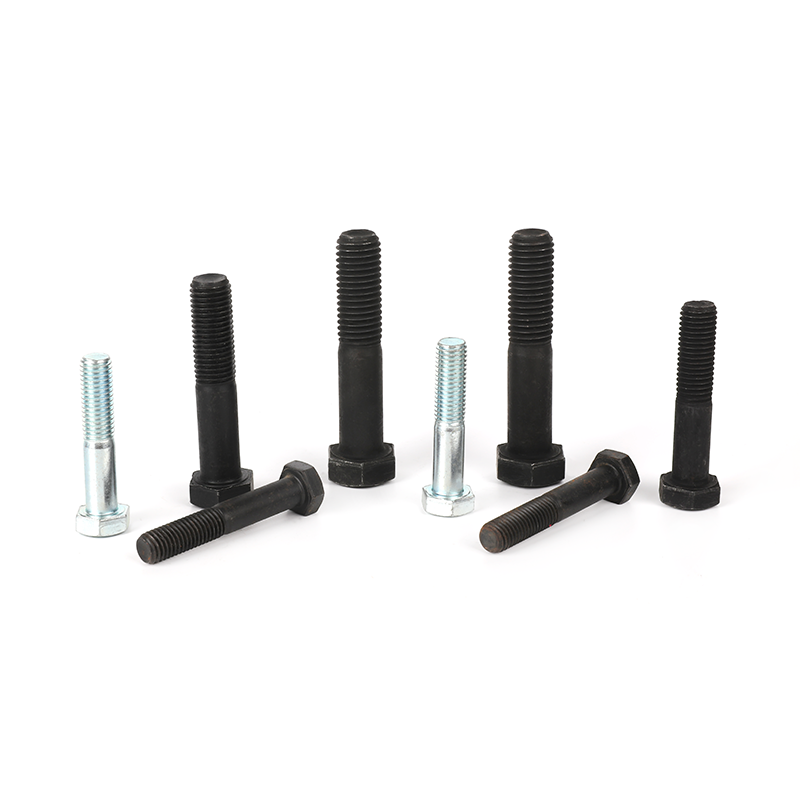
This product is made of high-quality carbon steel and undergoes a rigorous heat treatment process. It has high strength, good elasticity and toughness...
See Details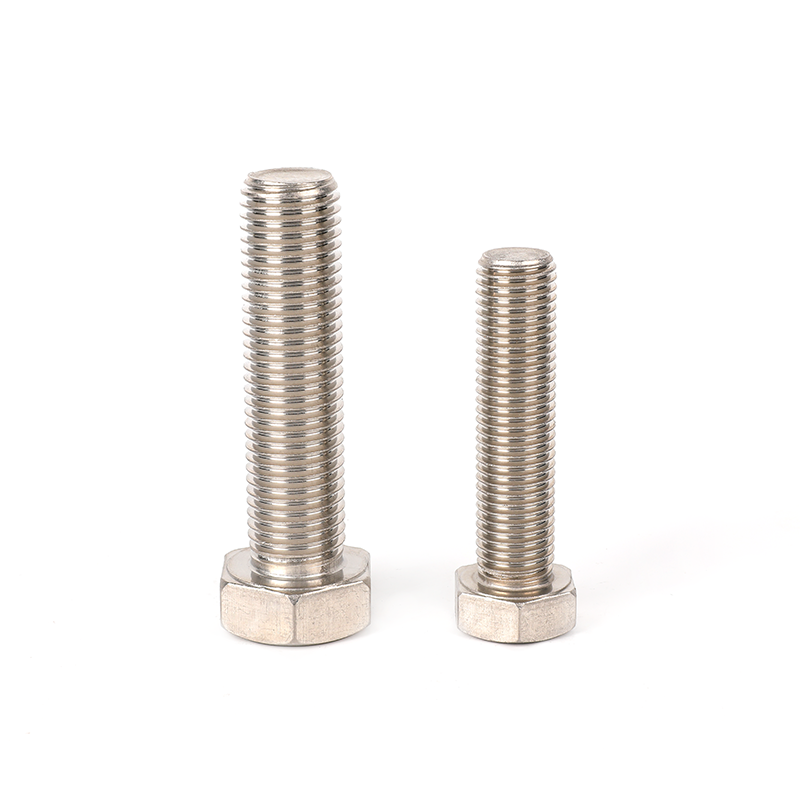
This 304 stainless steel plain full-thread hexagon bolt is a kind of fasteners made of high-quality stainless steel material and has corrosion resista...
See Details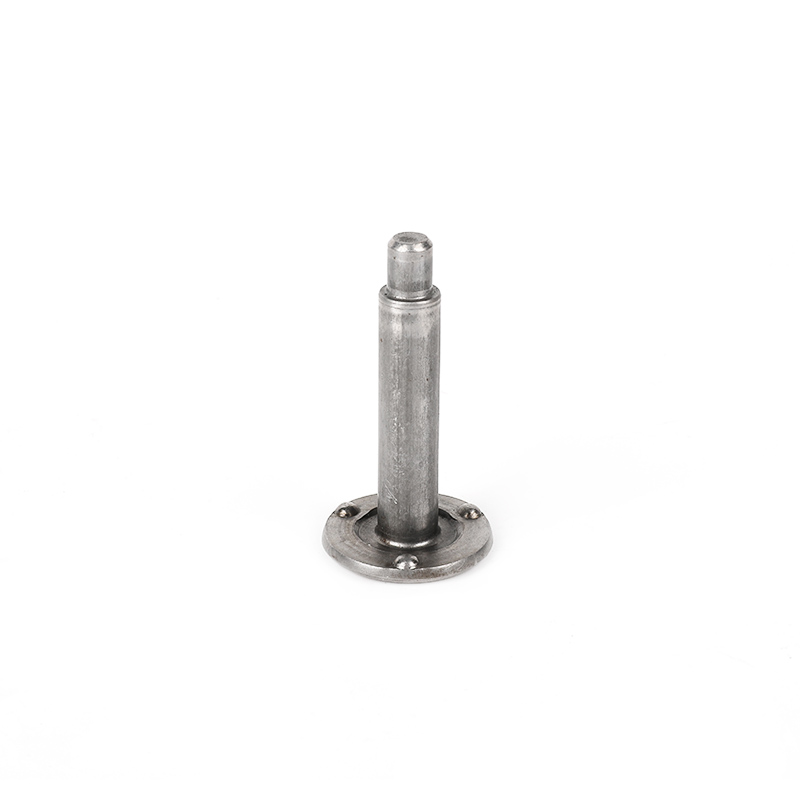
This plain round flat head weld shoulder bolt is a fastener suitable for a variety of welding applications. Its flat head and round head design makes ...
See Details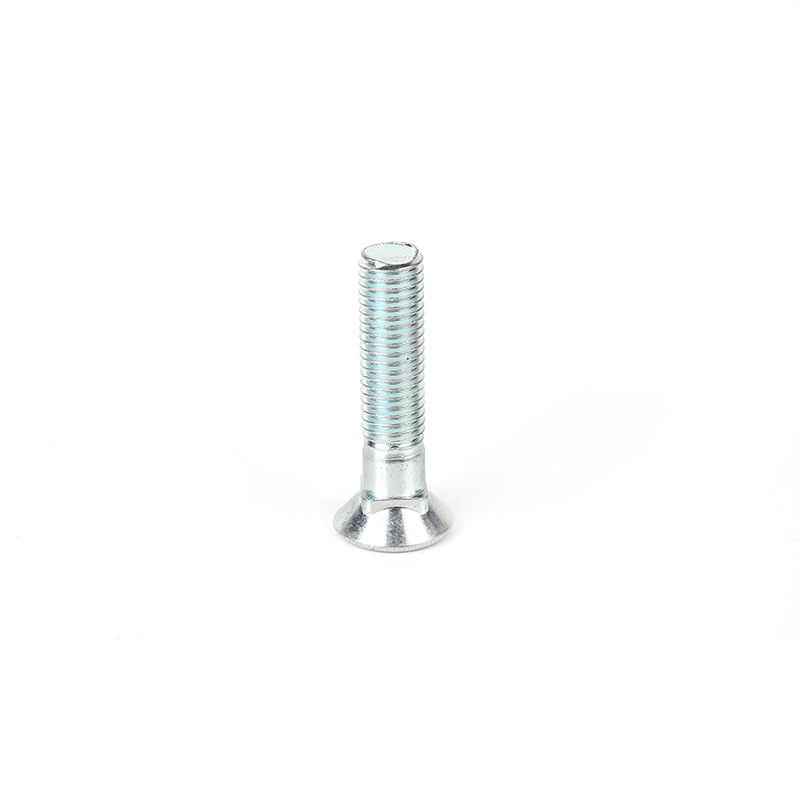
This Grade 12.9 zinc plated countersunk head square neck plow bolt has the advantages of high precision, high operability, high strength, and high ten...
See Details
Room 102, Building 13, Area A, Wanyang Zhongchuang Park, Ganyao Town, Jiashan County, Zhejiang China.
+86-17858810290
+86-573-84648787
product
mobile
