 English
 عربى
عربى
Room 102, Building 13, Area A, Wanyang Zhongchuang Park, Ganyao Town, Jiashan County, Zhejiang China.
Content
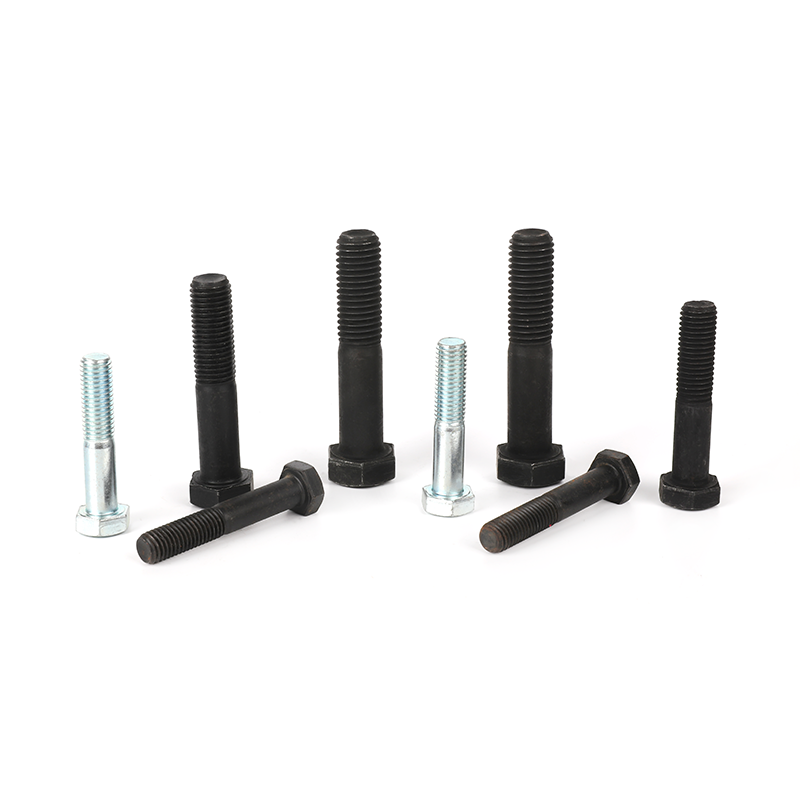
Hexagon head screws are the preferred fastening solution for high-torque applications where reliability and load-bearing capacity are paramount. Their six-sided head design allows for superior wrench engagement, enabling the application of significantly higher tightening forces compared to slotted or Phillips drives. This mechanical advantage ensures consistent clamping force, which is essential for maintaining joint integrity in construction, automotive, and heavy machinery sectors.
Selecting the correct hexagon head screw involves more than just matching thread size. Engineers must consider material grade, coating compatibility, and precise torque specifications. A mismatch in these variables can lead to premature failure, with studies showing that improper torque accounts for nearly 60% of bolted joint failures. Understanding these technical nuances is vital for safety and longevity.
The performance of a hexagon head screw is largely defined by its material composition and manufacturing process. Standardization bodies like ISO and SAE provide clear classifications that indicate tensile strength and yield limits.
In metric systems, property classes such as 8.8, 10.9, and 12.9 denote the screw's mechanical properties. The first number represents one-hundredth of the nominal tensile strength in MPa, while the second indicates the ratio of yield strength to tensile strength. For instance, a Class 10.9 screw has a tensile strength of 1000 MPa and a yield strength of 900 MPa, making it suitable for high-stress structural connections.
In the Imperial system, SAE grades are identified by radial lines on the head. Grade 5 screws typically have three lines and are made from medium carbon steel, while Grade 8 screws feature six lines and are constructed from alloy steel for higher strength. Using a lower grade than specified can reduce the joint's load capacity by up to 40%, posing significant safety risks.
Proper installation of hexagon head screws requires precise torque control. Over-tightening can cause thread stripping or head shearing, while under-tightening leads to joint loosening due to vibration. The relationship between torque, tension, and friction is critical.
| Screw Size (Metric) | Property Class 8.8 (Nm) | Property Class 10.9 (Nm) |
|---|---|---|
| M6 | 9.5 | 13.5 |
| M8 | 23 | 33 |
| M10 | 46 | 65 |
| M12 | 80 | 113 |
Friction coefficients vary significantly between dry, oiled, and waxed threads. Applying lubricant can reduce friction by 30-50%, meaning the same torque value will generate higher clamping force. Therefore, torque specifications must always specify the lubrication state. Failure to adjust for lubrication can result in over-stressing the screw, leading to immediate or fatigue failure.
Environmental factors play a crucial role in the lifespan of hexagon head screws. Selecting the appropriate coating ensures durability and prevents galvanic corrosion when mating with different metals.
Zinc plating offers basic protection for indoor applications, providing approximately 50-100 hours of salt spray resistance. In contrast, hot-dip galvanizing creates a thicker zinc layer, offering over 1000 hours of resistance, making it ideal for outdoor structures. However, the thicker coating of hot-dip galvanized screws may require tapping the threads after galvanizing to ensure proper fit.
Stainless steel screws, particularly Grade 316, provide excellent corrosion resistance without coatings. They are essential in marine or chemical processing environments. However, they are prone to galling (cold welding) during installation. Using an anti-seize compound is recommended to prevent thread damage, which can compromise the joint's integrity.
Understanding how hexagon head screws fail allows engineers to design more robust joints. The most common failure modes include shear, tension, and fatigue.
Shear failure occurs when lateral forces exceed the screw's shear strength. To prevent this, ensure the shank diameter is appropriate for the load and consider using fitted bolts for precision applications. Tension failure, often characterized by necking and fracture, results from excessive axial load or over-torquing. Adhering to specified torque values and using calibrated tools can mitigate this risk. Fatigue failure, caused by cyclic loading, can be reduced by ensuring sufficient preload, which keeps the joint clamped and minimizes stress fluctuations on the screw.
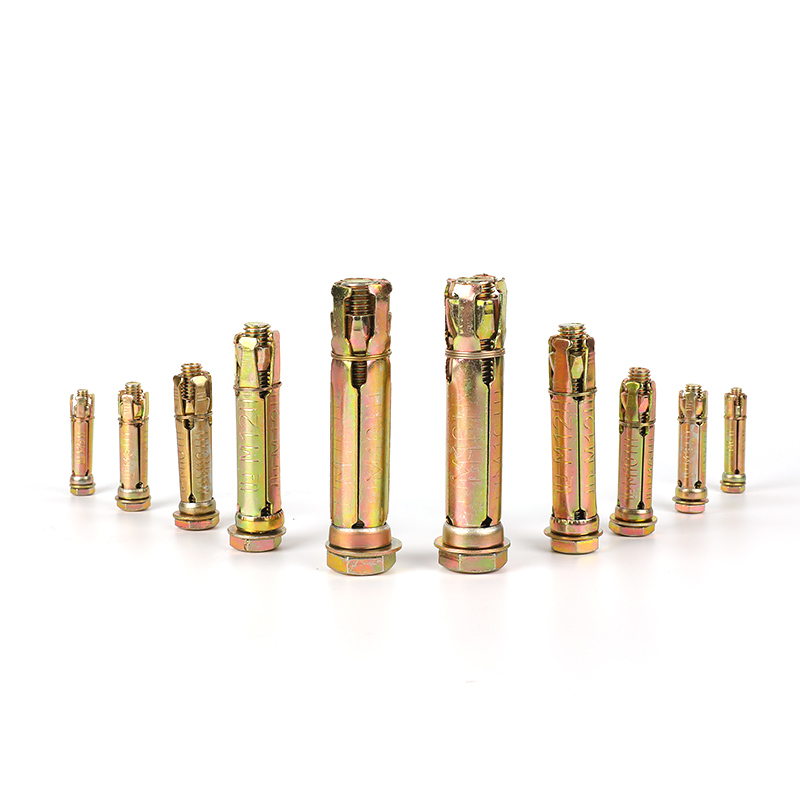
Fix anchorbolts include bolts, washers, nuts and 4PCS cylindrical shields. By tightening the bolts, the shields tubes expand and the components can be...
See Details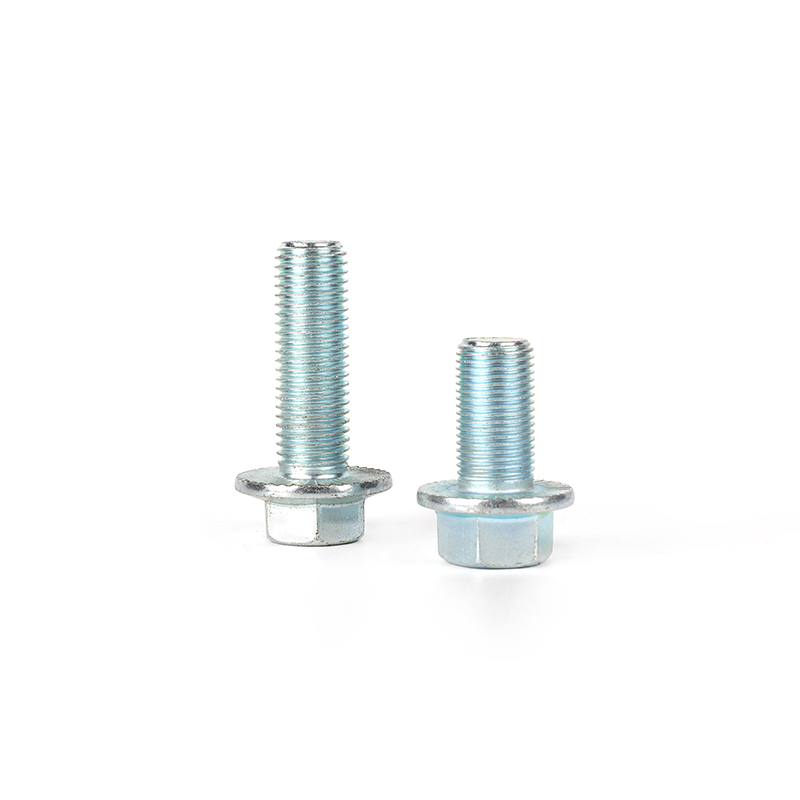
Flange bolts are specially used to tightly connect pipes and components with flanges. We produce flange bolts are solid t and durablethat, compling wi...
See Details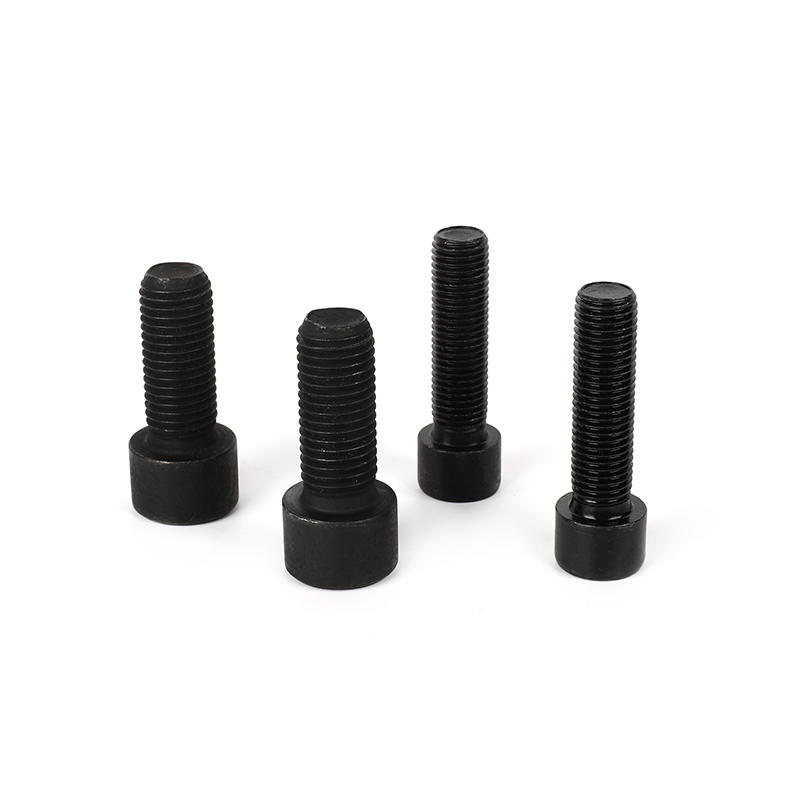
The Grade 8.8 black oxide full-thread hexagon socket bolts have an internal hex design and needs to be used with a wrench with a hex head. Its full th...
See Details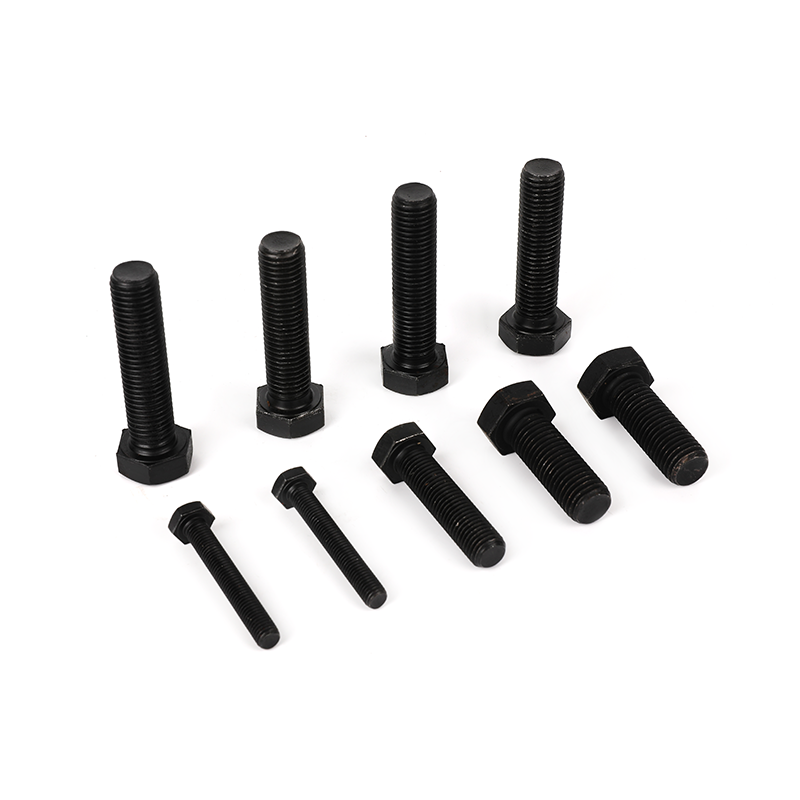
Grade 8.8 black oxide full-thread hexagon bolts is a very common fastener and requires a wrench or hex wrench to tighten it. Our hex head bolt meet th...
See Details
This product is made of high-quality carbon steel and undergoes a rigorous heat treatment process. It has high strength, good elasticity and toughness...
See Details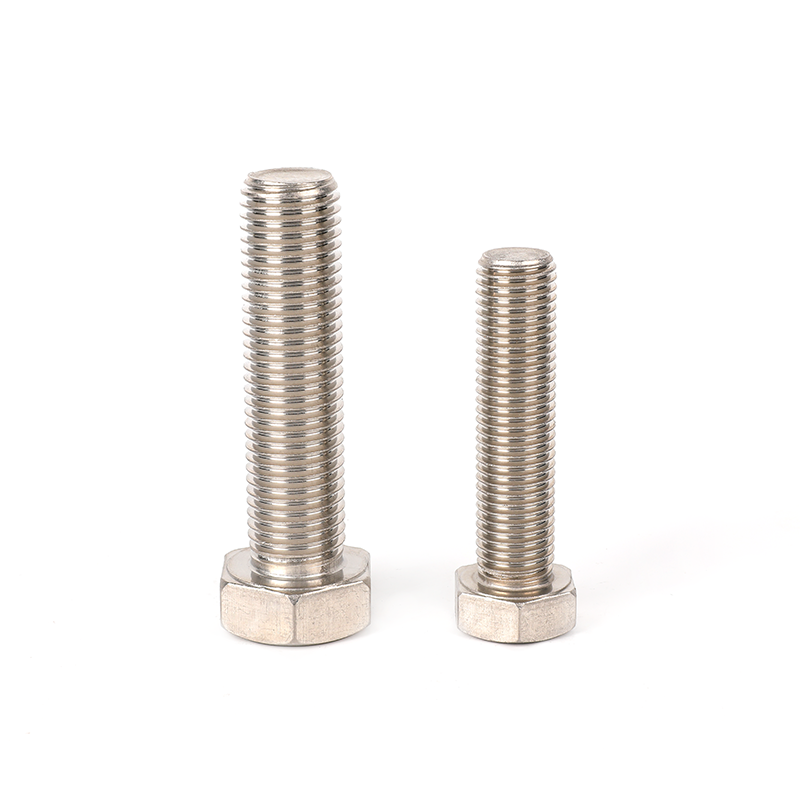
This 304 stainless steel plain full-thread hexagon bolt is a kind of fasteners made of high-quality stainless steel material and has corrosion resista...
See Details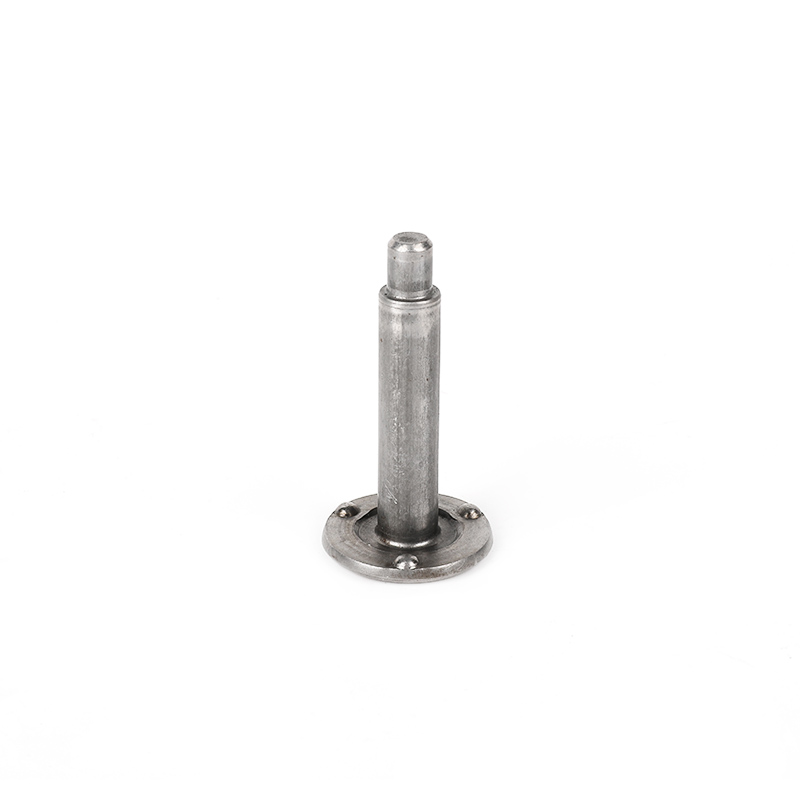
This plain round flat head weld shoulder bolt is a fastener suitable for a variety of welding applications. Its flat head and round head design makes ...
See Details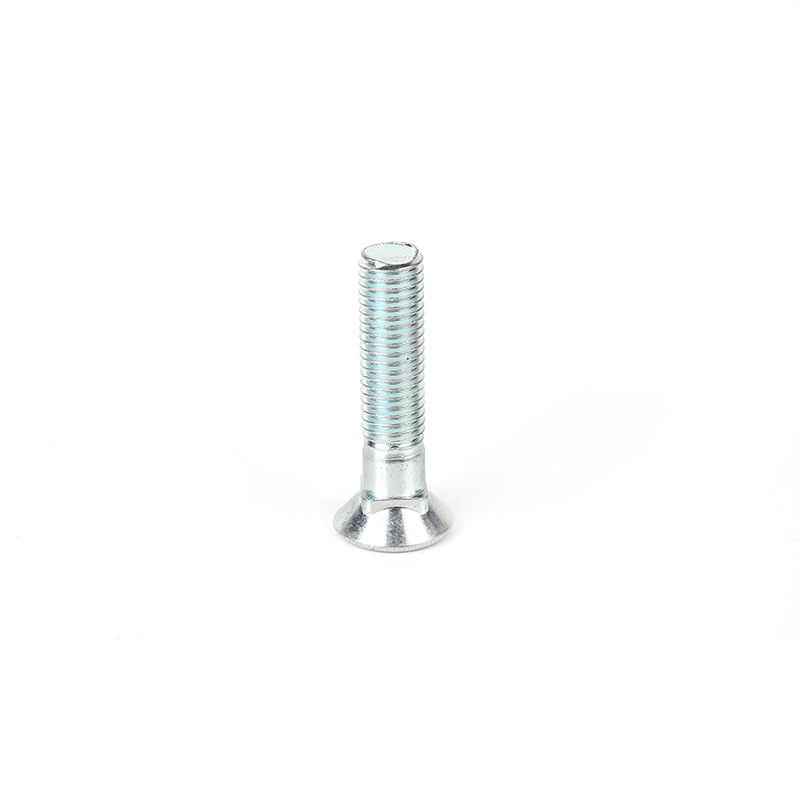
This Grade 12.9 zinc plated countersunk head square neck plow bolt has the advantages of high precision, high operability, high strength, and high ten...
See Details
Room 102, Building 13, Area A, Wanyang Zhongchuang Park, Ganyao Town, Jiashan County, Zhejiang China.
+86-17858810290
+86-573-84648787
product
mobile
