 English
 عربى
عربى
Room 102, Building 13, Area A, Wanyang Zhongchuang Park, Ganyao Town, Jiashan County, Zhejiang China.
Content
Flange bolts must be tightened using a crisscross or star pattern sequence in multiple incremental passes to achieve uniform gasket compression and prevent leakage. Never tighten bolts sequentially in a circle, as this distorts the flange face and creates uneven stress that compromises the seal. Industry standards such as ASME PCC-1 recommend tightening to 30%, 60%, and 100% of target torque in separate passes, followed by a final verification pass at full torque to account for elastic interaction and bolt relaxation.
Proper flange bolt tightening is not merely about reaching a specific torque value; it is about achieving controlled bolt elongation that generates sufficient clamping force to compress the gasket into its sealing range. A correctly assembled flange joint distributes load evenly across all fasteners, maintains alignment under thermal cycling, and withstands internal pressure without blowout or creep-related failure.
The star (or crisscross) pattern ensures symmetrical loading of the gasket and minimizes flange rotation or distortion during assembly. This method applies compressive force from opposing points simultaneously, maintaining parallelism between flange faces throughout the tightening process.
Before beginning, number each bolt position sequentially around the flange. For an 8-bolt flange, the standard star pattern follows this order:
Tightening bolts in numerical order (1-2-3-4...) causes the flange to pivot around the last-tightened bolt, creating a wedge effect. Studies show that sequential tightening can result in bolt load variation exceeding 40% across the joint, with some bolts significantly undertorqued and others overloaded beyond yield. This imbalance directly correlates to field leak rates and premature gasket failure.
Target torque values depend on bolt size, grade, material, and lubrication condition. Applying the correct torque is essential because approximately 90% of applied torque overcomes thread and bearing surface friction, while only 10% actually produces useful clamp load. Small variations in friction coefficient dramatically affect achieved preload.
| Bolt Size | Threads per Inch | Target Torque (ft-lbs) | Approximate Clamp Load (lbs) |
|---|---|---|---|
| ½" | 13 UNC | 55 | 7,400 |
| ¾" | 10 UNC | 130 | 13,800 |
| 1" | 8 UNC | 240 | 21,300 |
| 1-½" | 8 UN | 640 | 42,700 |
Always use a calibrated, molybdenum disulfide-based or copper anti-seize lubricant rated for the service temperature. Dry bolts can require 30–50% more torque to achieve the same clamp load compared to properly lubricated fasteners, leading to inaccurate preload if unlubricated torque tables are mistakenly applied. Verify the nut factor (K-value) provided by the lubricant manufacturer and recalculate torque if it deviates from the assumed 0.18–0.20 range used in standard tables.
Successful flange bolting begins before any wrench touches a nut. Proper preparation eliminates common root causes of joint failure that no amount of correct tightening technique can compensate for.
After completing all tightening passes, validate joint integrity through one or more methods. Mark all nuts and bolt heads with paint or marker after final torque to provide visual tamper indication and simplify future inspection. For critical services, consider ultrasonic bolt elongation measurement to verify actual preload independent of friction variability. Document all torque values, lubricant type, K-factor, and technician identification for traceability and compliance with ASME PCC-1 or site-specific bolting procedures.
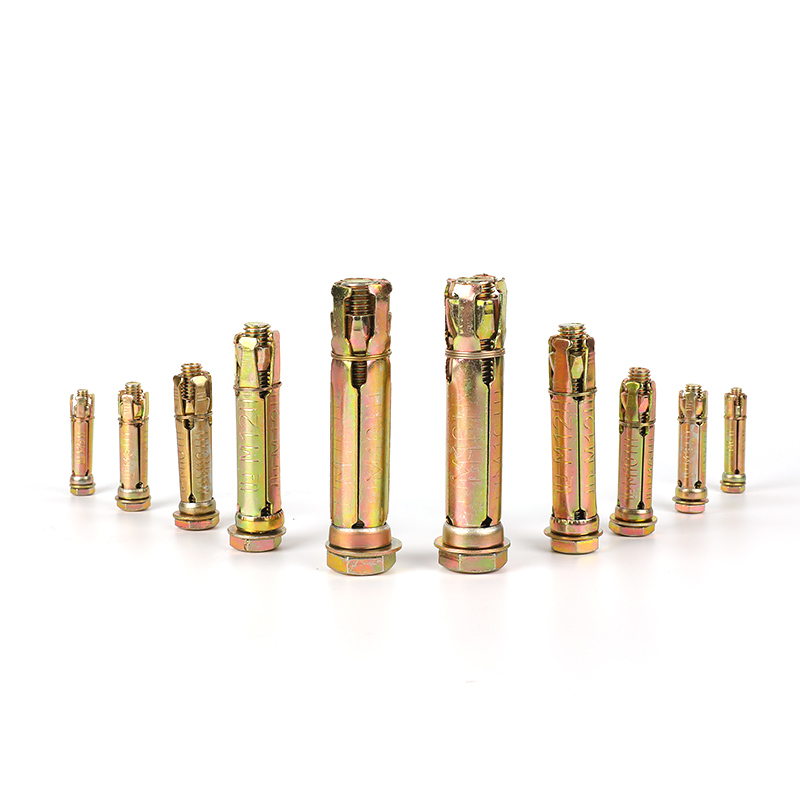

Fix anchorbolts include bolts, washers, nuts and 4PCS cylindrical shields. By tightening the bolts, the shields tubes expand and the components can be...
See Details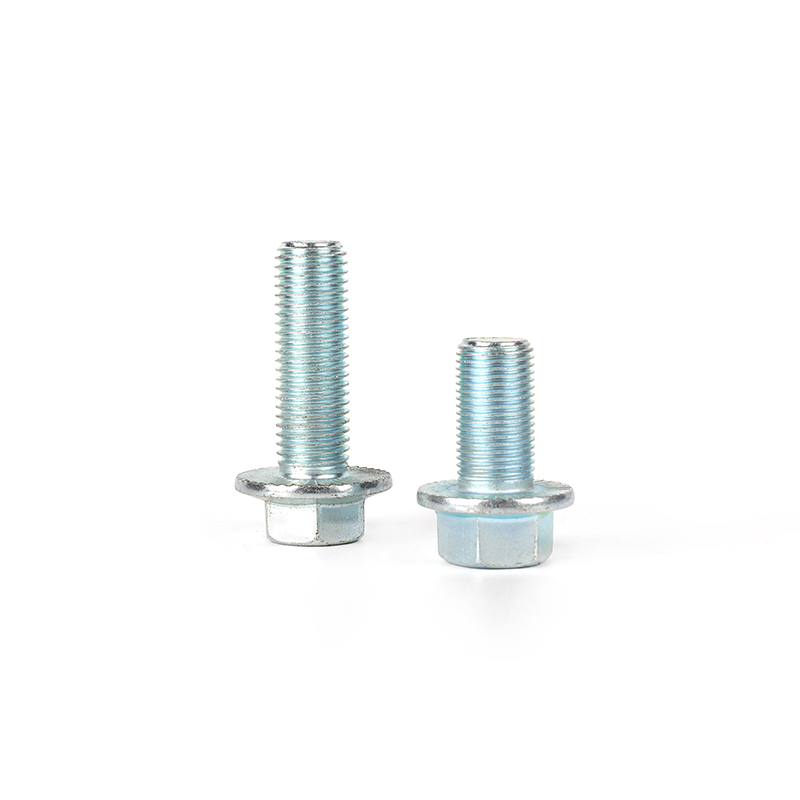
Flange bolts are specially used to tightly connect pipes and components with flanges. We produce flange bolts are solid t and durablethat, compling wi...
See Details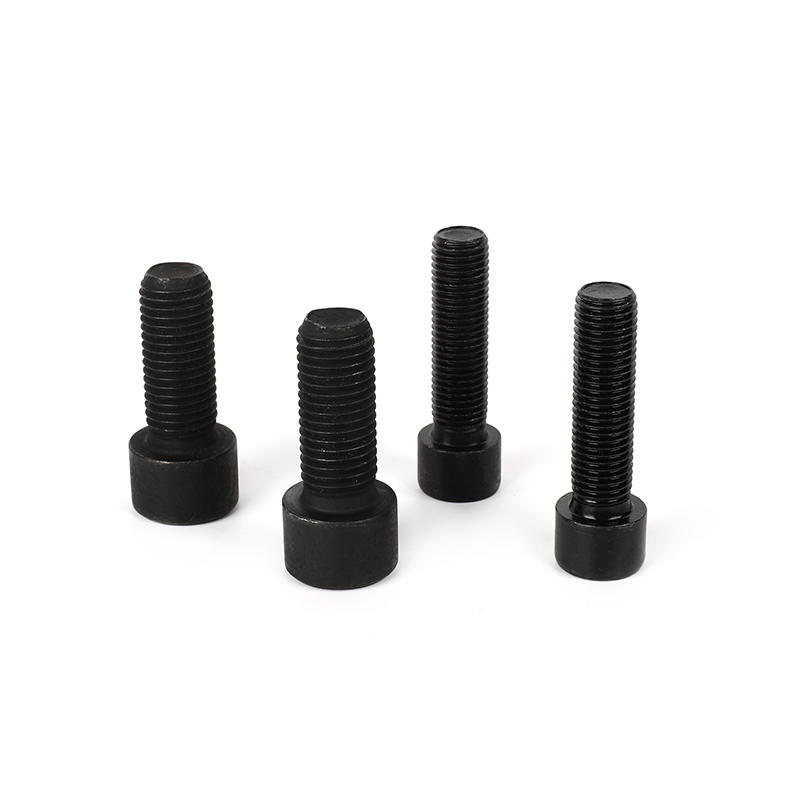
The Grade 8.8 black oxide full-thread hexagon socket bolts have an internal hex design and needs to be used with a wrench with a hex head. Its full th...
See Details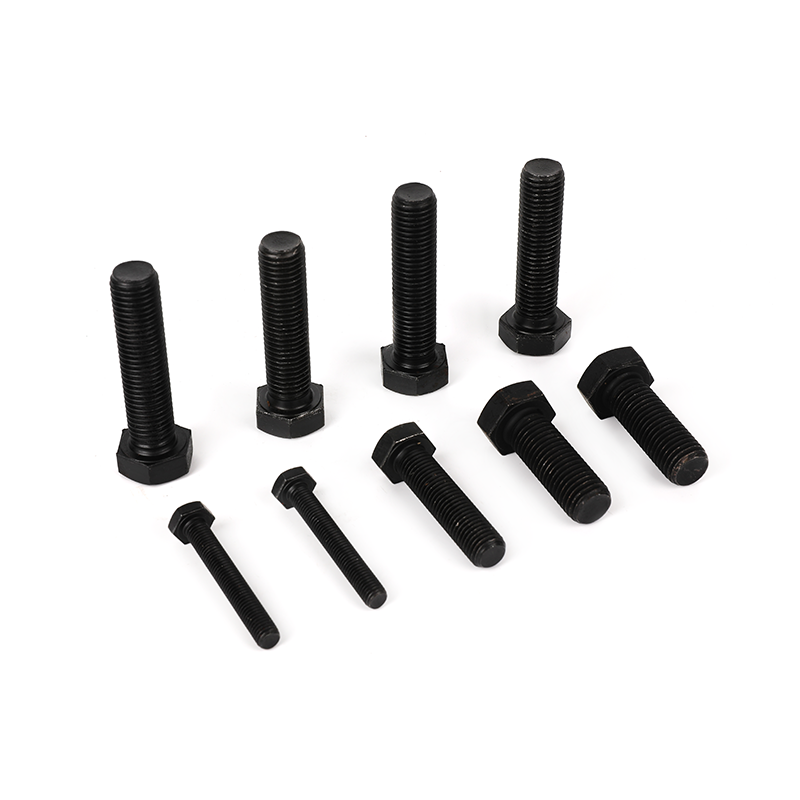
Grade 8.8 black oxide full-thread hexagon bolts is a very common fastener and requires a wrench or hex wrench to tighten it. Our hex head bolt meet th...
See Details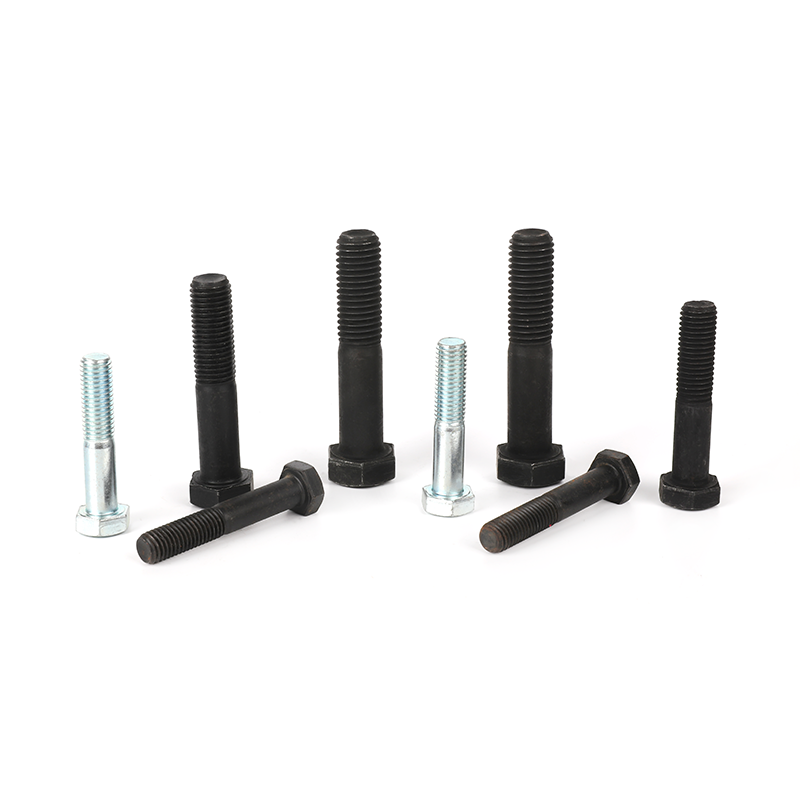
This product is made of high-quality carbon steel and undergoes a rigorous heat treatment process. It has high strength, good elasticity and toughness...
See Details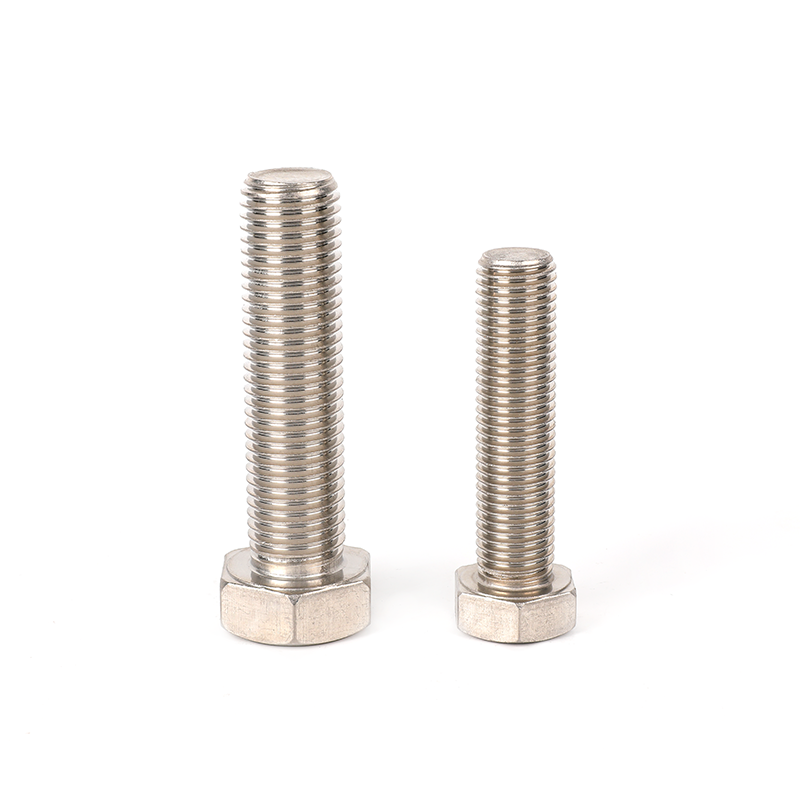
This 304 stainless steel plain full-thread hexagon bolt is a kind of fasteners made of high-quality stainless steel material and has corrosion resista...
See Details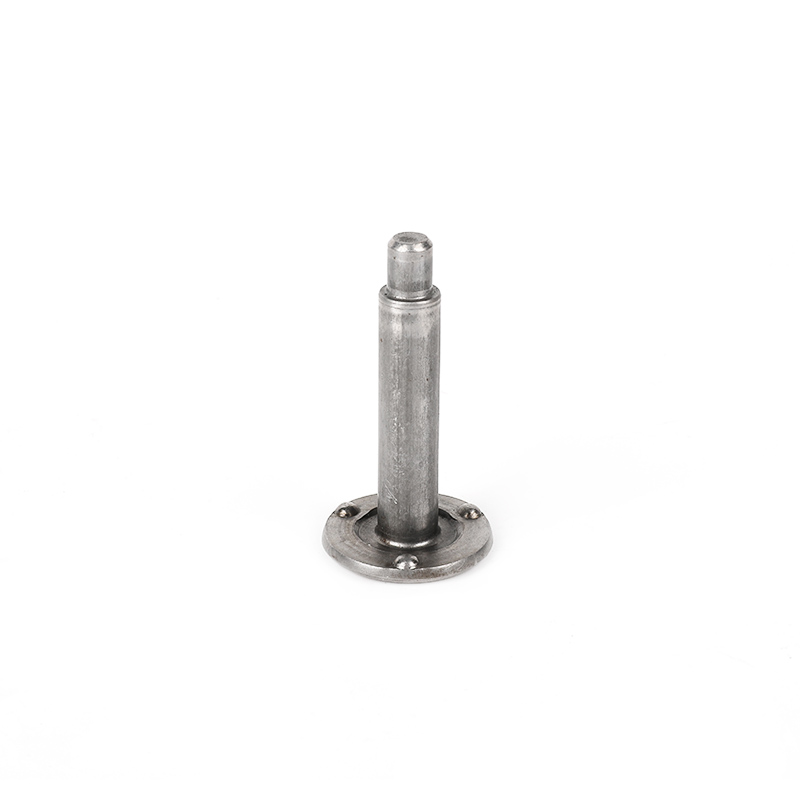
This plain round flat head weld shoulder bolt is a fastener suitable for a variety of welding applications. Its flat head and round head design makes ...
See Details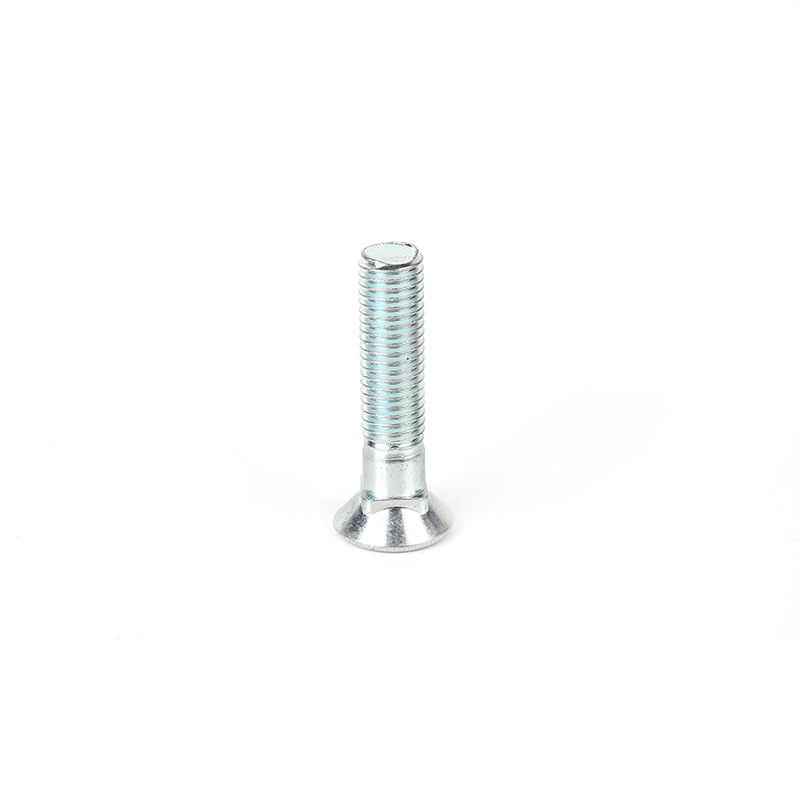
This Grade 12.9 zinc plated countersunk head square neck plow bolt has the advantages of high precision, high operability, high strength, and high ten...
See Details
Room 102, Building 13, Area A, Wanyang Zhongchuang Park, Ganyao Town, Jiashan County, Zhejiang China.
+86-17858810290
+86-573-84648787
product
mobile
