 English
 عربى
عربى
Room 102, Building 13, Area A, Wanyang Zhongchuang Park, Ganyao Town, Jiashan County, Zhejiang China.
Content
Oil pipe screws, often referred to as flange bolts or stud bolts in industrial contexts, are the backbone of secure pipeline connections. They ensure that flanges remain tightly sealed under high pressure and temperature fluctuations, preventing hazardous leaks. Proper selection and installation of these fasteners can prevent up to 90% of flange leakage incidents in oil and gas operations.
Unlike standard hardware store bolts, oil pipe screws are engineered to withstand extreme environments, including exposure to corrosive crude oil, natural gas, and harsh weather conditions. Their integrity is vital for maintaining operational safety, environmental compliance, and overall system efficiency.
ASTM A193 Grade B7 is the most common material for oil pipe screws in general service. It offers high tensile strength and good resistance to stress corrosion cracking. For lower temperature applications, Grade L7 is preferred due to its improved impact resistance at sub-zero temperatures.
In corrosive environments, such as offshore platforms or chemical processing units, stainless steel grades like 304 and 316 are essential. Grade 316, with its molybdenum content, provides superior resistance to chloride-induced pitting and crevice corrosion. Using 316 stainless steel can extend fastener life by 3-5 times in marine environments compared to carbon steel.
For refineries and high-pressure steam lines, alloys like ASTM A193 Grade B16 (chromium-molybdenum-vanadium) are used. These materials maintain their strength and creep resistance at temperatures exceeding 500°C (932°F), ensuring joint integrity under thermal stress.
| Grade | Material Type | Max Temp (°C) | Primary Application |
|---|---|---|---|
| B7 | Alloy Steel | 425 | General Oil/Gas |
| L7 | Low Temp Alloy | 345 | Cold Climate/Cryogenic |
| 316 SS | Stainless Steel | 800 | Corrosive/Marine |
| B16 | Cr-Mo-V Alloy | 540 | High Temp/Pressure |
Achieving the correct bolt load is critical for sealing. Under-torquing leads to leaks, while over-torquing can stretch or break the screw. Always follow the manufacturer's torque charts, which consider bolt diameter, grade, and lubrication. Using a calibrated torque wrench is mandatory for precision applications.
Stainless steel screws are prone to galling (cold welding) during tightening. Applying an anti-seize compound containing nickel or copper reduces friction and ensures accurate torque transfer. For carbon steel bolts, molybdenum disulfide-based lubricants are commonly used to protect against rust and ease installation.
To ensure even gasket compression, tighten bolts in a star or cross pattern. Start with hand-tightening all nuts, then proceed to 30% of target torque, followed by 60%, and finally 100%. This method prevents flange warping and ensures a uniform seal across the entire joint face.
Inspect oil pipe screws regularly for signs of corrosion, cracking, or loose nuts. Look for rust streaks indicating moisture ingress or white powder on aluminum components suggesting galvanic corrosion. Any visible damage should prompt immediate replacement to prevent catastrophic failure.
After initial installation and exposure to thermal cycles, bolts may relax. Perform a retorquing check after 24-48 hours of operation or after the first heat-up cycle. This ensures that the gasket has settled and the bolt load remains within the specified range.
Pumps and compressors generate vibration that can loosen standard nuts. Use lock washers, serrated flange nuts, or double-nutting techniques to secure connections. In extreme cases, apply thread-locking adhesives approved for hydrocarbon service.
When connecting dissimilar metals, such as stainless steel bolts on carbon steel flanges, galvanic corrosion can occur. Use insulating sleeves and washers made from non-conductive materials like PTFE to break the electrical path and prevent rapid deterioration of the faster-corroding metal.
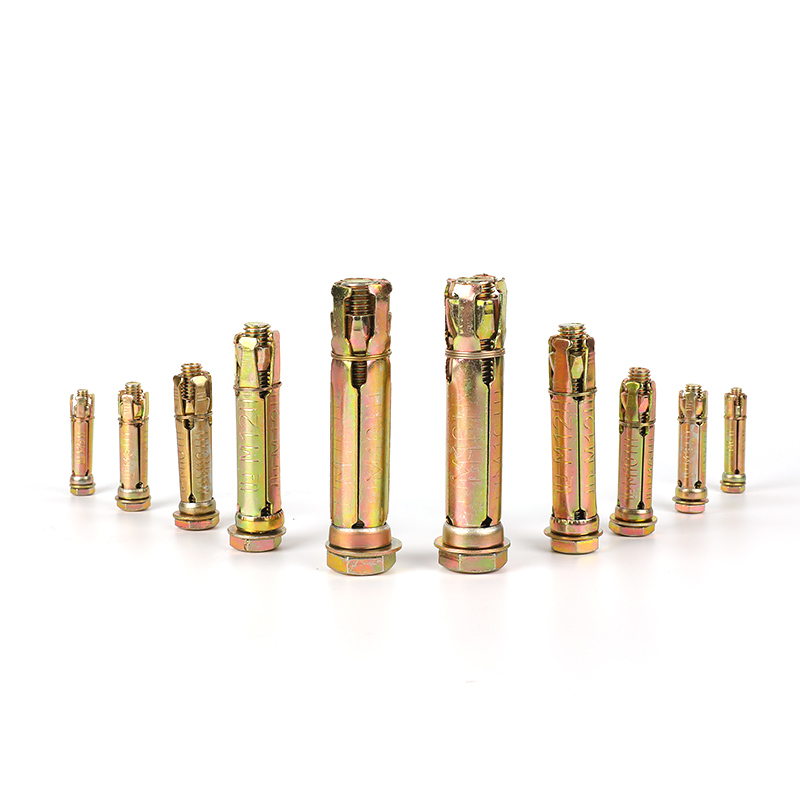
Fix anchorbolts include bolts, washers, nuts and 4PCS cylindrical shields. By tightening the bolts, the shields tubes expand and the components can be...
See Details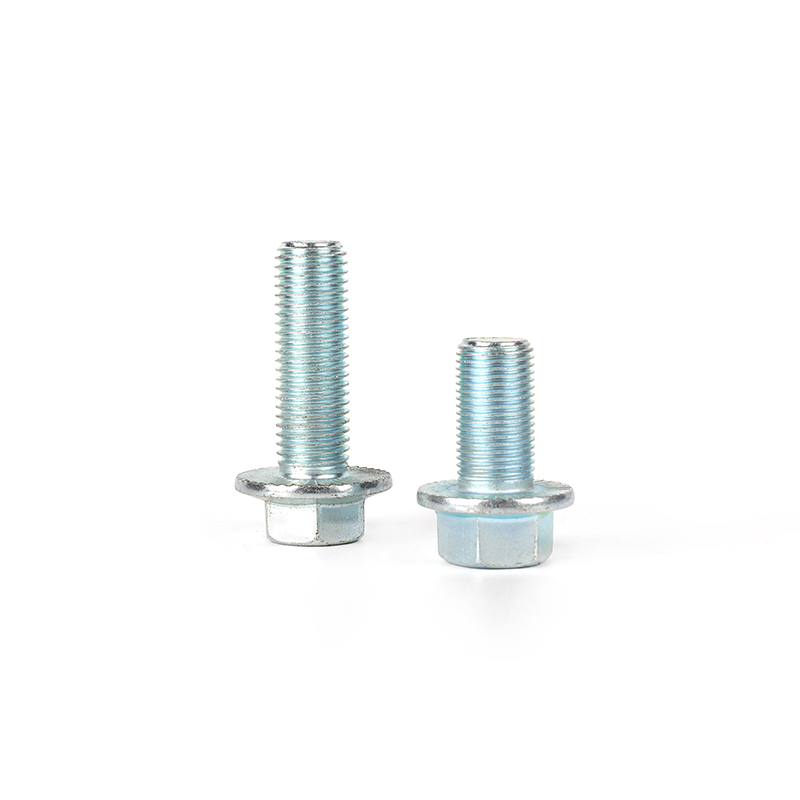
Flange bolts are specially used to tightly connect pipes and components with flanges. We produce flange bolts are solid t and durablethat, compling wi...
See Details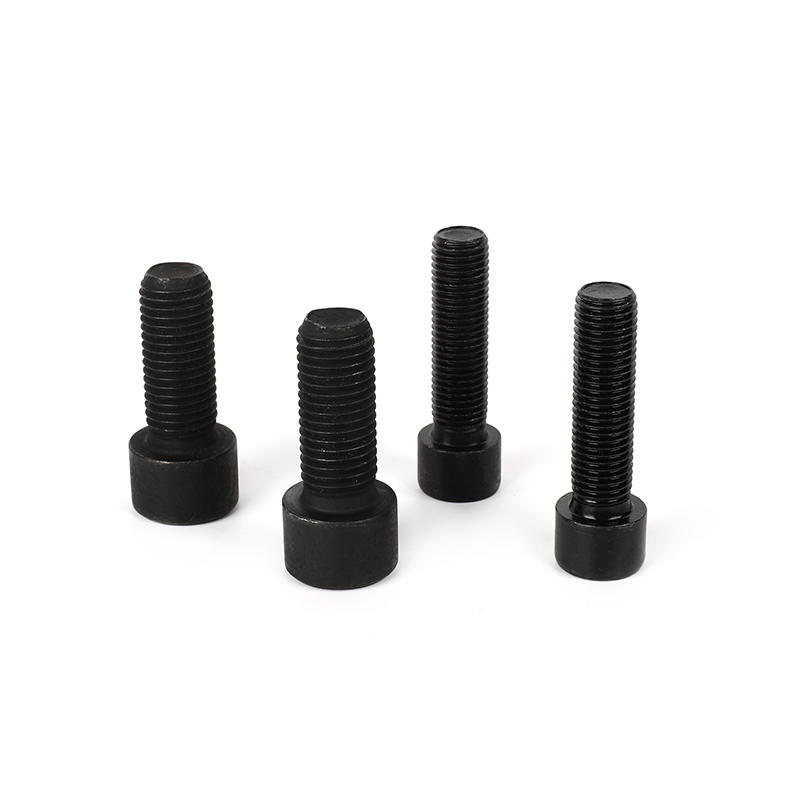
The Grade 8.8 black oxide full-thread hexagon socket bolts have an internal hex design and needs to be used with a wrench with a hex head. Its full th...
See Details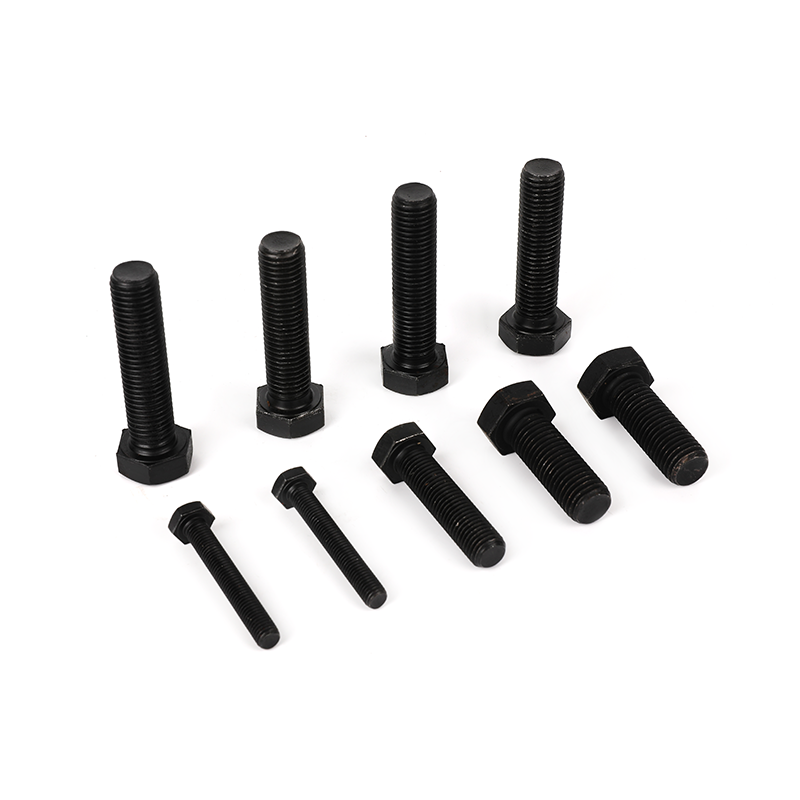
Grade 8.8 black oxide full-thread hexagon bolts is a very common fastener and requires a wrench or hex wrench to tighten it. Our hex head bolt meet th...
See Details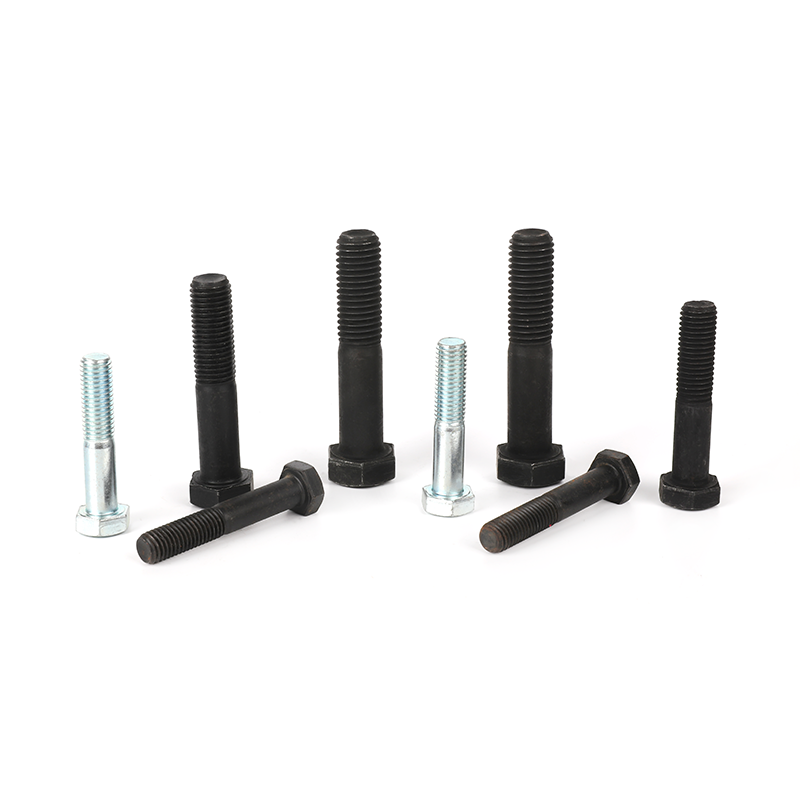
This product is made of high-quality carbon steel and undergoes a rigorous heat treatment process. It has high strength, good elasticity and toughness...
See Details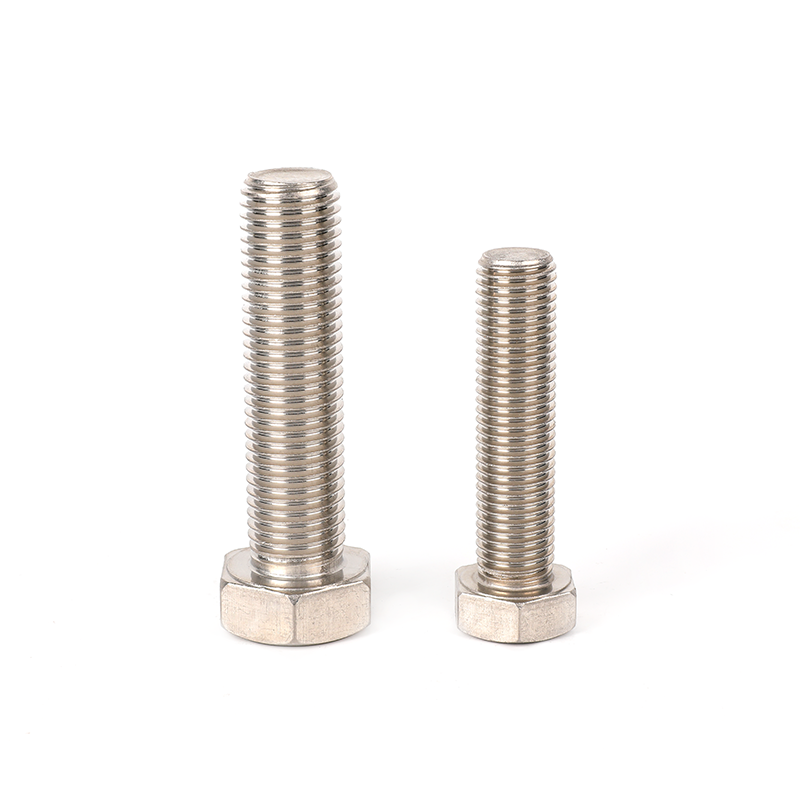
This 304 stainless steel plain full-thread hexagon bolt is a kind of fasteners made of high-quality stainless steel material and has corrosion resista...
See Details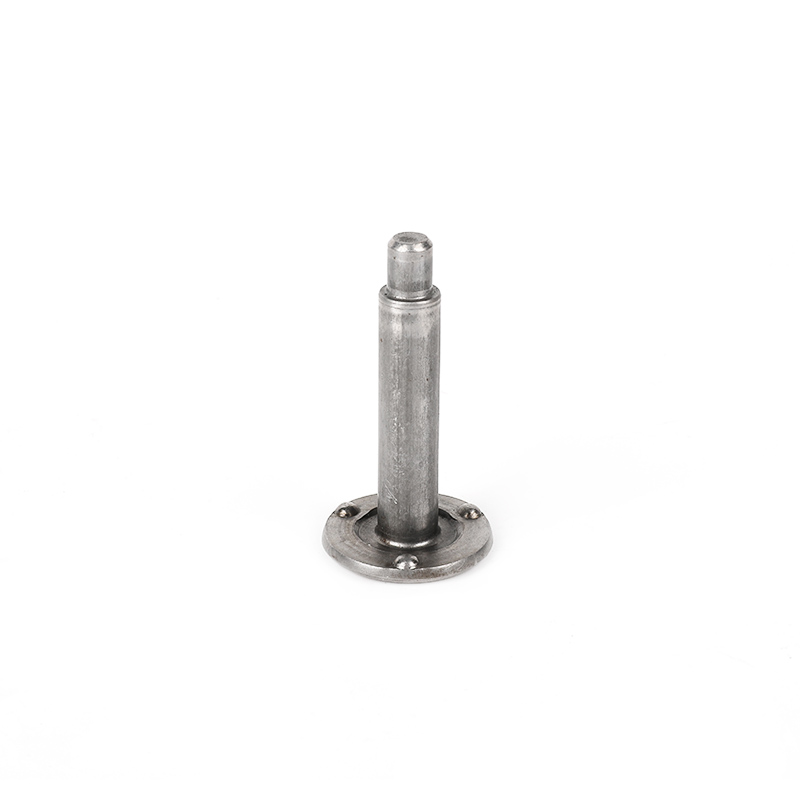
This plain round flat head weld shoulder bolt is a fastener suitable for a variety of welding applications. Its flat head and round head design makes ...
See Details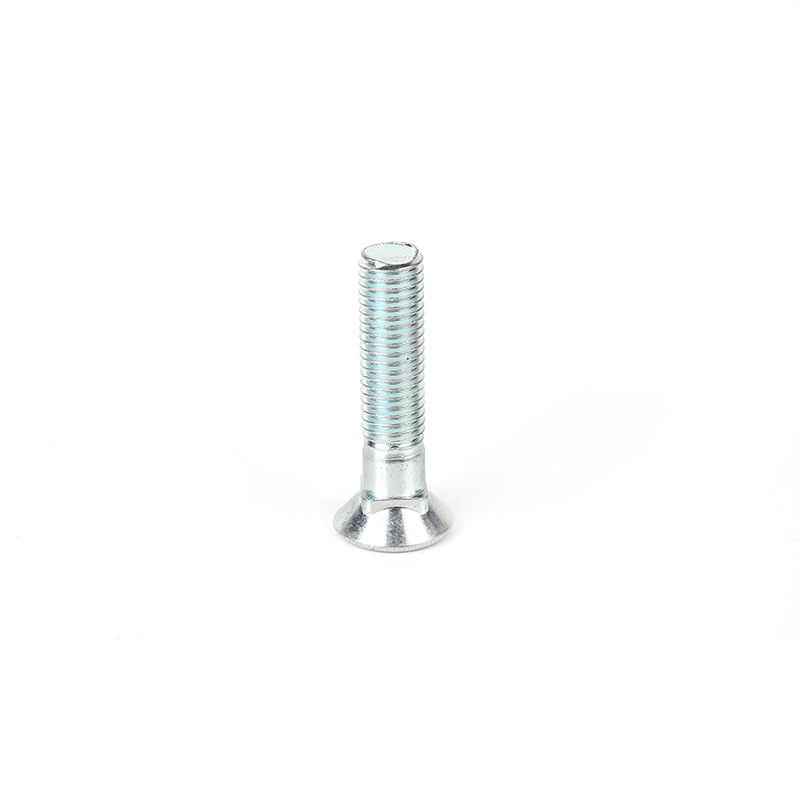
This Grade 12.9 zinc plated countersunk head square neck plow bolt has the advantages of high precision, high operability, high strength, and high ten...
See Details
Room 102, Building 13, Area A, Wanyang Zhongchuang Park, Ganyao Town, Jiashan County, Zhejiang China.
+86-17858810290
+86-573-84648787
product
mobile
