 English
 عربى
عربى
Room 102, Building 13, Area A, Wanyang Zhongchuang Park, Ganyao Town, Jiashan County, Zhejiang China.
Content
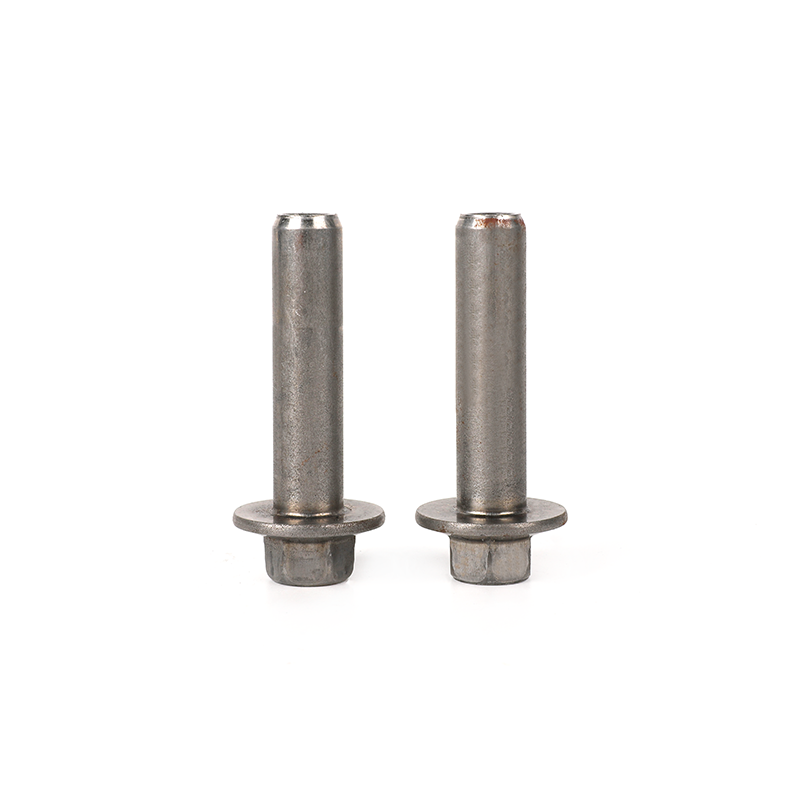
The component commonly referred to as an "oil screw" is technically known as a drain plug when located at the bottom of an oil pan or sump, and an oil filler cap or breather cap when located on the top of the engine or transmission housing. In industrial machinery, it may also be called a magnetic drain plug if it incorporates a magnet to capture metal debris, or a sight glass plug if it allows for visual inspection of oil levels.
These fasteners are critical for maintaining the integrity of lubrication systems in automotive engines, motorcycles, industrial gearboxes, and hydraulic systems. While they appear simple, their design involves precise engineering to withstand high temperatures, pressure fluctuations, and constant vibration. A typical drain plug is made from hardened steel, aluminum, or brass, and features a threaded shaft with a sealing mechanism such as a crush washer, O-ring, or tapered seat to prevent leaks.
Misidentifying or improperly handling these components can lead to catastrophic engine failure. For instance, using a standard bolt instead of a dedicated drain plug may lack the necessary sealing surface, leading to slow oil leaks that eventually cause engine seizure due to lubrication starvation. Understanding the specific nomenclature and function helps mechanics and DIY enthusiasts perform maintenance safely and effectively.
Not all oil screws are created equal. Different applications require specific designs to ensure optimal performance and safety. Below are the most common types found in various mechanical systems.
This is the most ubiquitous type, featuring a hexagonal head that can be removed with a standard socket or wrench. It typically relies on a separate crush washer (made of aluminum, copper, or rubber) to create a seal. Crush washers are designed to deform slightly upon tightening, filling microscopic imperfections in the mating surfaces to create a leak-proof barrier. These washers should generally be replaced every time the plug is removed.
A magnetic drain plug includes a powerful rare-earth magnet embedded in the tip. Its primary function is to attract and hold ferrous metal particles that circulate in the oil. By capturing these particles, the plug prevents them from recirculating through the engine bearings and gears, thereby reducing wear. Regular inspection of the magnet can provide early warning signs of internal engine wear, such as scoring on cylinder walls or bearing failure.
Often found in racing applications or heavy industrial equipment, these plugs allow for rapid oil drainage without the need for tools. They typically feature a spring-loaded ball valve that opens when a specific adapter is inserted. This design minimizes downtime during pit stops or routine maintenance checks but requires more complex installation and higher initial cost.
| Type | Sealing Method | Primary Benefit | Common Application |
|---|---|---|---|
| Hex Head with Crush Washer | Deformable Metal/Rubber Washer | Cost-effective, reliable seal | Passenger vehicles, motorcycles |
| Magnetic Plug | O-ring or Tapered Seat | Captures metal debris, extends engine life | High-performance engines, gearboxes |
| Quick-Release Valve | Internal Spring/Ball Mechanism | Fast drainage, no tools required | Racing, industrial hydraulics |
The material used for an oil screw significantly impacts its longevity and resistance to corrosion. Most OEM (Original Equipment Manufacturer) drain plugs are made from carbon steel with a zinc or black oxide coating to resist rust. However, aftermarket options often utilize stainless steel or aluminum for specific benefits.
Stainless steel plugs offer superior corrosion resistance, making them ideal for marine applications or vehicles exposed to road salt. Aluminum plugs are lighter and softer, which can be advantageous in aluminum oil pans as they are less likely to strip the threads of the pan itself if over-torqued. However, aluminum is more prone to galling and may require more frequent replacement.
Proper installation is just as important as selecting the correct part. Over-tightening is a common mistake that can strip threads, crack the oil pan, or deform the sealing surface, leading to immediate or delayed leaks. Under-tightening, conversely, allows vibrations to loosen the plug, resulting in sudden oil loss.
Always refer to the vehicle or machinery service manual for specific torque values. As a general rule of thumb:
If your plug uses a crush washer, never reuse it. These washers are designed for single-use deformation. For O-ring style plugs, inspect the O-ring for cracks, hardness, or flat spots before reinstallation. Applying a thin layer of fresh oil to the O-ring before installation can help prevent twisting and ensure a proper seal.
Even with proper maintenance, issues can arise. Recognizing the symptoms early can prevent major damage.
Stripped Threads: If the plug spins freely without tightening, the threads in the oil pan are likely stripped. Solutions include using a larger oversized plug, installing a helicoil insert, or replacing the entire oil pan. Helicoil repairs can restore original thread size and strength, offering a cost-effective alternative to pan replacement.
Persistent Leaks: If a new washer doesn't stop the leak, inspect the mating surface of the oil pan for dents or debris. A small amount of high-temperature RTV silicone can sometimes seal minor imperfections, but it should not be used as a substitute for proper mechanical sealing.
Difficulty Removing: If the plug is seized due to corrosion or over-tightening, apply a penetrating oil and let it sit for several hours. Using a six-point socket instead of a twelve-point socket can provide better grip and reduce the risk of rounding off the head. In extreme cases, careful heating of the surrounding area with a heat gun can expand the metal and break the bond, but avoid open flames near residual oil vapors.
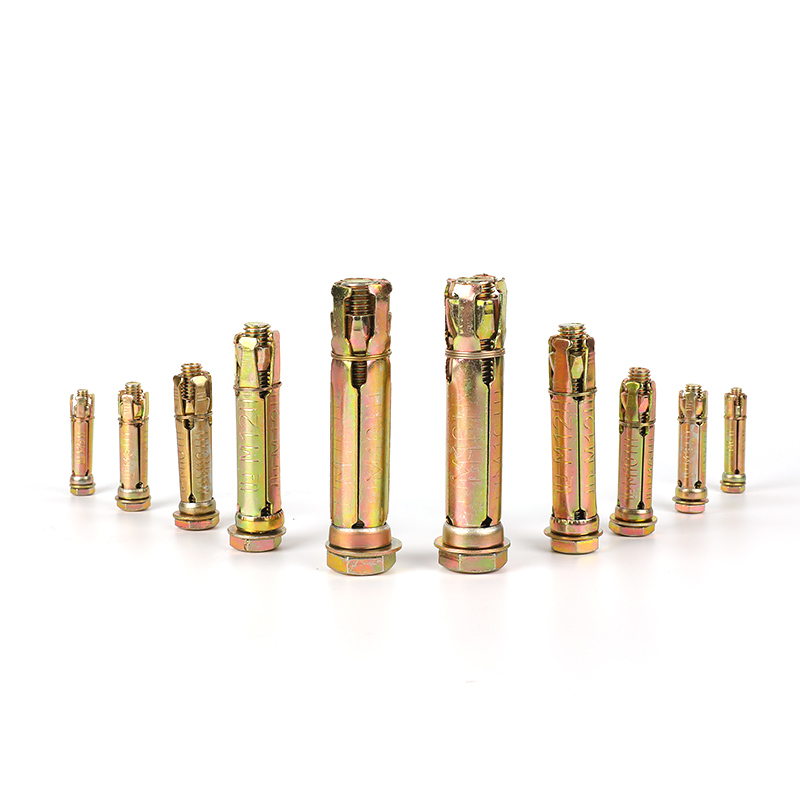
Fix anchorbolts include bolts, washers, nuts and 4PCS cylindrical shields. By tightening the bolts, the shields tubes expand and the components can be...
See Details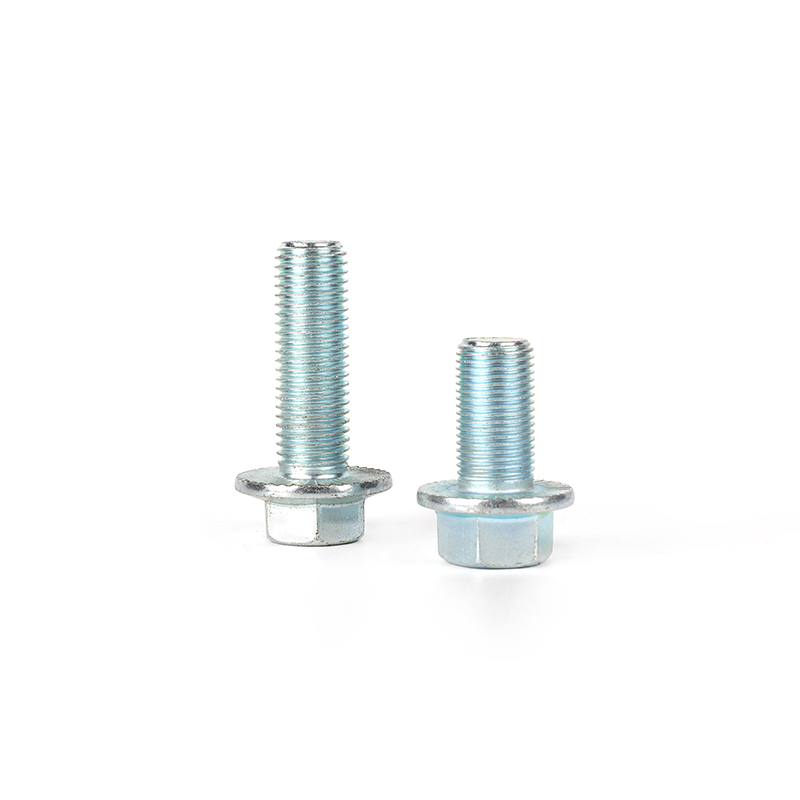
Flange bolts are specially used to tightly connect pipes and components with flanges. We produce flange bolts are solid t and durablethat, compling wi...
See Details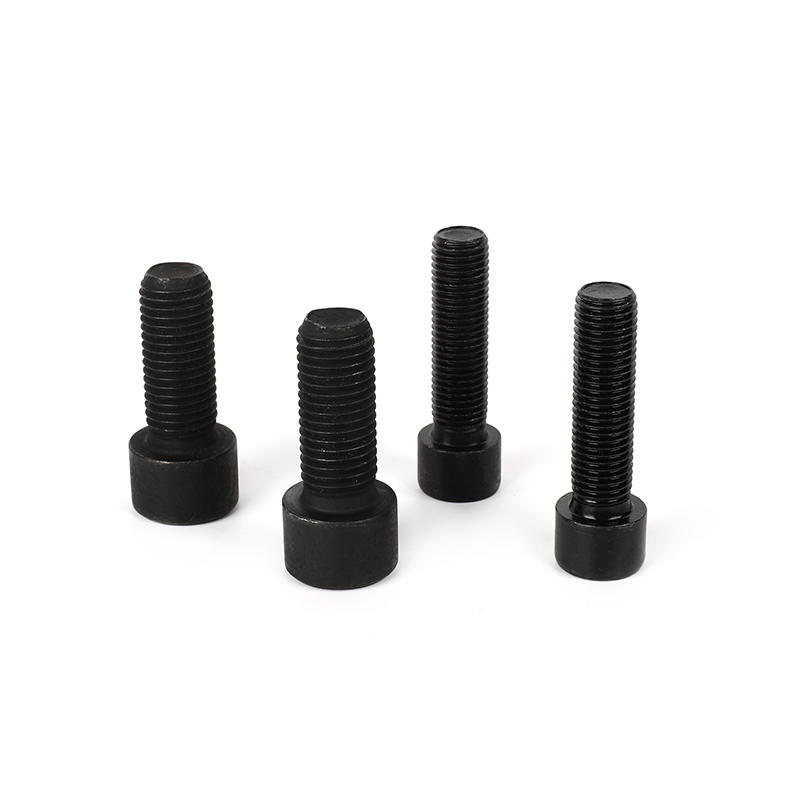
The Grade 8.8 black oxide full-thread hexagon socket bolts have an internal hex design and needs to be used with a wrench with a hex head. Its full th...
See Details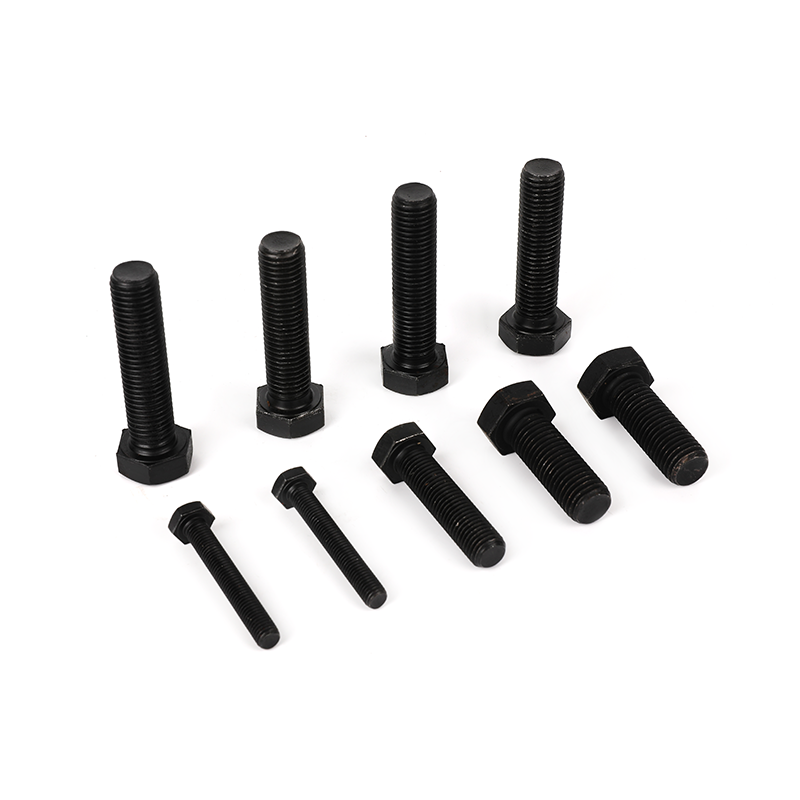
Grade 8.8 black oxide full-thread hexagon bolts is a very common fastener and requires a wrench or hex wrench to tighten it. Our hex head bolt meet th...
See Details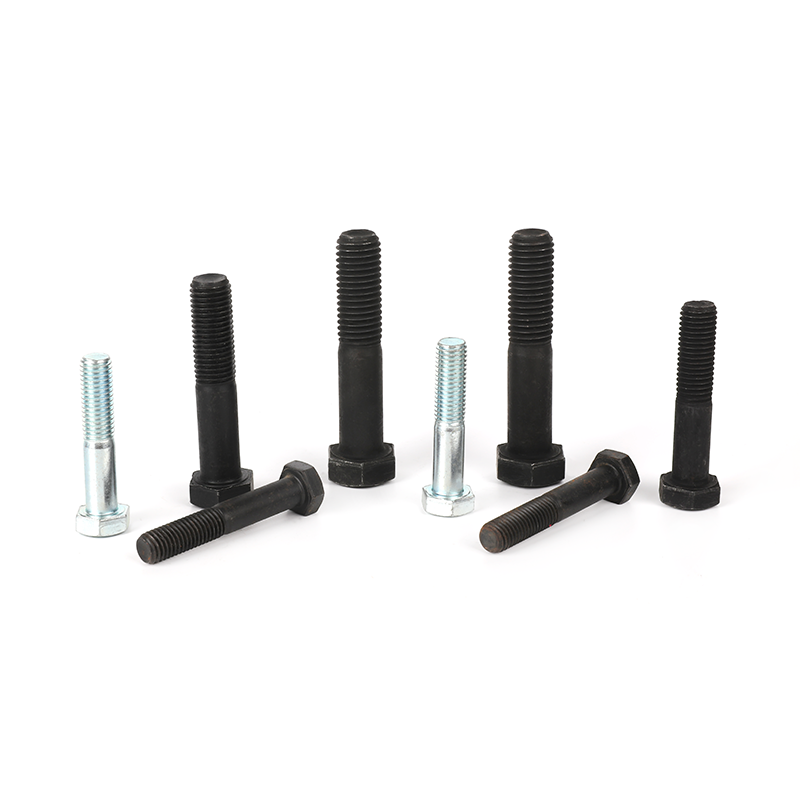
This product is made of high-quality carbon steel and undergoes a rigorous heat treatment process. It has high strength, good elasticity and toughness...
See Details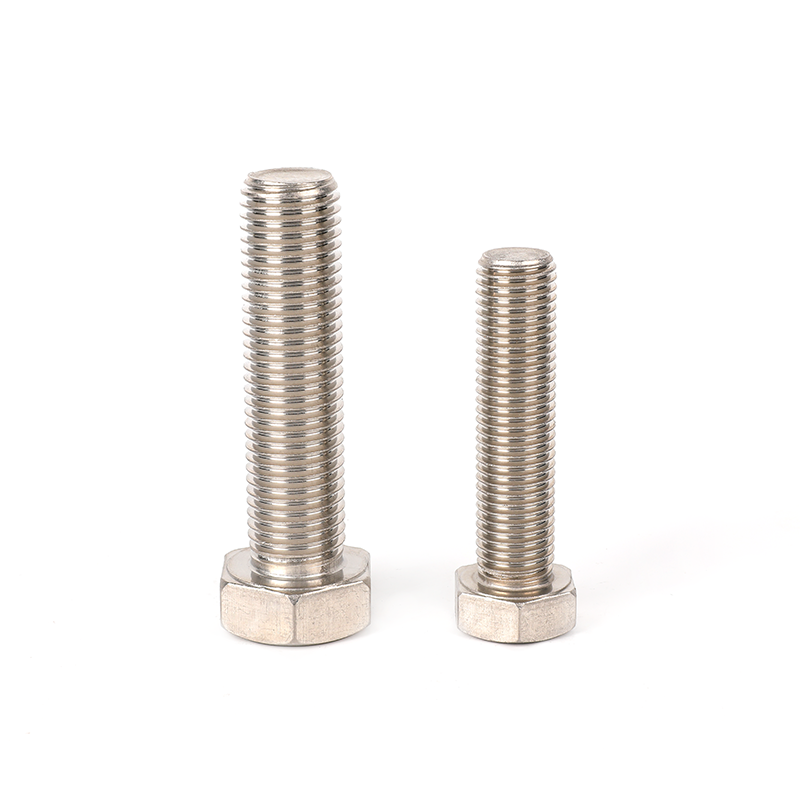
This 304 stainless steel plain full-thread hexagon bolt is a kind of fasteners made of high-quality stainless steel material and has corrosion resista...
See Details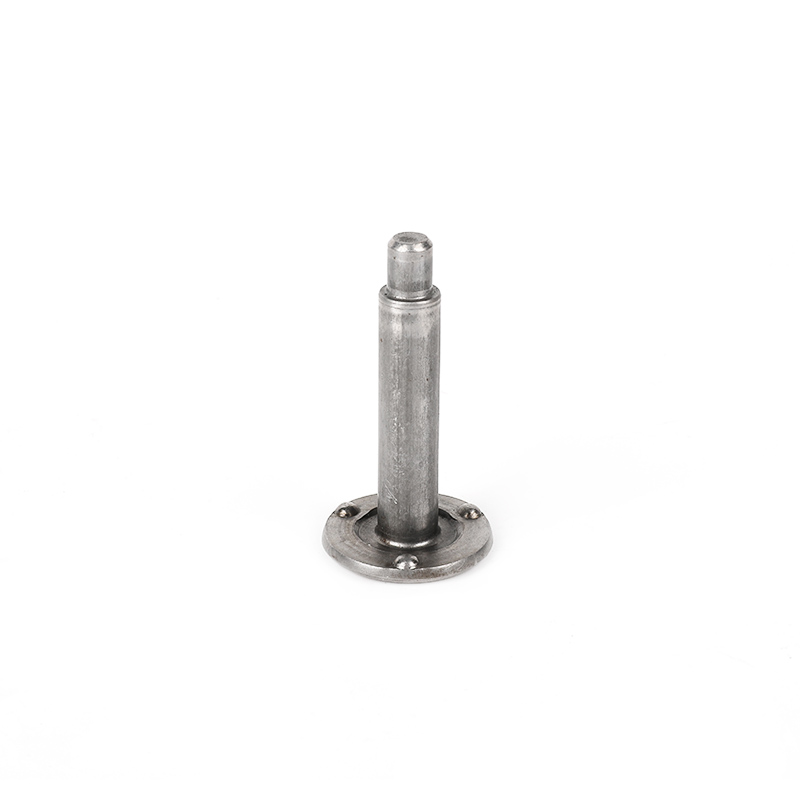
This plain round flat head weld shoulder bolt is a fastener suitable for a variety of welding applications. Its flat head and round head design makes ...
See Details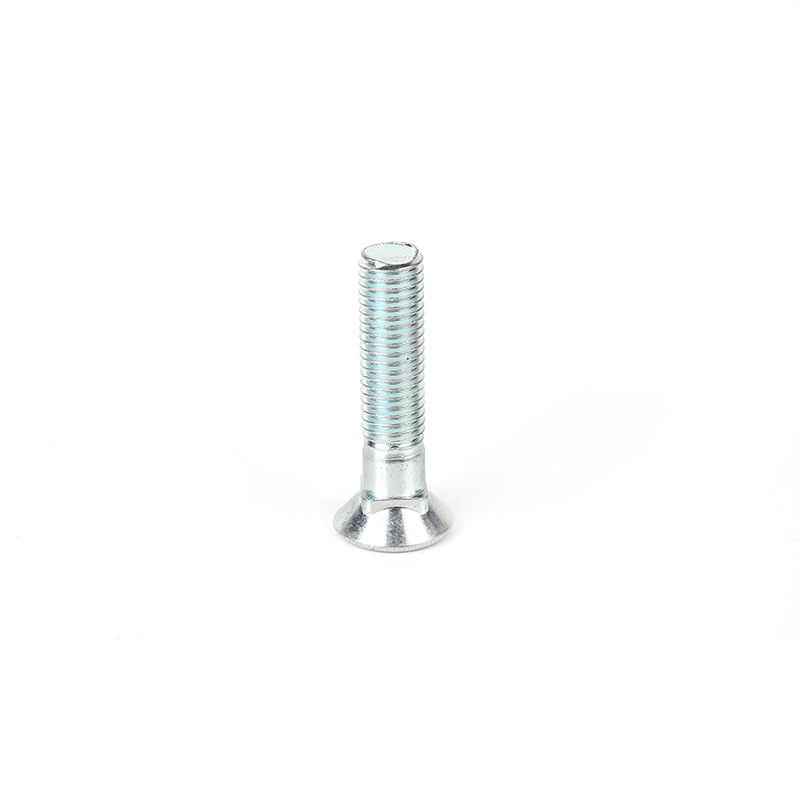
This Grade 12.9 zinc plated countersunk head square neck plow bolt has the advantages of high precision, high operability, high strength, and high ten...
See Details
Room 102, Building 13, Area A, Wanyang Zhongchuang Park, Ganyao Town, Jiashan County, Zhejiang China.
+86-17858810290
+86-573-84648787
product
mobile
