 English
 عربى
عربى
Room 102, Building 13, Area A, Wanyang Zhongchuang Park, Ganyao Town, Jiashan County, Zhejiang China.
Content
Auto parts screws are among the most performance-critical fasteners in vehicle manufacturing. A modern passenger vehicle contains between 3,000 and 5,000 individual fasteners, and screws account for a significant proportion — securing everything from engine mounts and transmission housings to interior trim panels and electronic control unit brackets. Unlike bolts, which require a nut on the opposing side, screws thread directly into a tapped hole or self-create threads in the receiving material, making them the preferred fastener where back-access is limited or assembly speed is paramount.
The engineering demands placed on automotive screws are substantially higher than those for general industrial fasteners. They must maintain clamping force through tens of thousands of thermal expansion and contraction cycles, resist loosening under constant vibration across a wide frequency spectrum, and — in underhood and chassis applications — survive prolonged exposure to road salts, brake fluids, engine oils, and temperatures ranging from -40°C to over 200°C. A single fastener failure in a safety-critical joint can trigger recalls affecting hundreds of thousands of vehicles, which explains why automotive screw specifications are among the most tightly controlled in manufacturing.
Automotive screws are categorized by thread type, drive system, head geometry, and material — and each combination is optimized for a specific assembly context. Understanding the distinctions between types is essential for both OEM procurement and aftermarket replacement.
Machine screws have uniform cylindrical threads designed to engage pre-tapped metal holes or threaded inserts. They are the standard fastener for metal-to-metal joints throughout the drivetrain, suspension, and braking systems. In automotive applications, machine screws are almost universally specified with metric threads (M5 through M14 being most common) per ISO 261/262, enabling global supply chain standardization. Head styles — hex, pan, countersunk, and flanged — are selected based on installation clearance, required clamp load distribution, and whether the joint requires tamper resistance.
Self-tapping screws cut or form their own threads as they are driven, eliminating the need for pre-tapped holes. In automotive manufacturing, two subtypes dominate: thread-forming screws (which displace material without cutting, creating stronger threads with no swarf) are used in thermoplastic components such as dashboard assemblies, door panels, and glove boxes; thread-cutting screws are applied in softer metals like aluminum die-castings where tap breakage during mass production is a concern. Self-tapping screws are a key enabler of high-speed automated assembly, as they eliminate the tapping operation from the production sequence.
Self-drilling screws integrate a drill point that bores through the material before the thread engages, enabling fastening of sheet metal without pre-drilling or punching. They are widely used in automotive body-in-white assembly, underbody shielding attachment, and HVAC duct work. The drill point geometry is matched to specific material thicknesses — using the wrong point size results in thread stripping or excessive heat generation that weakens the joint.
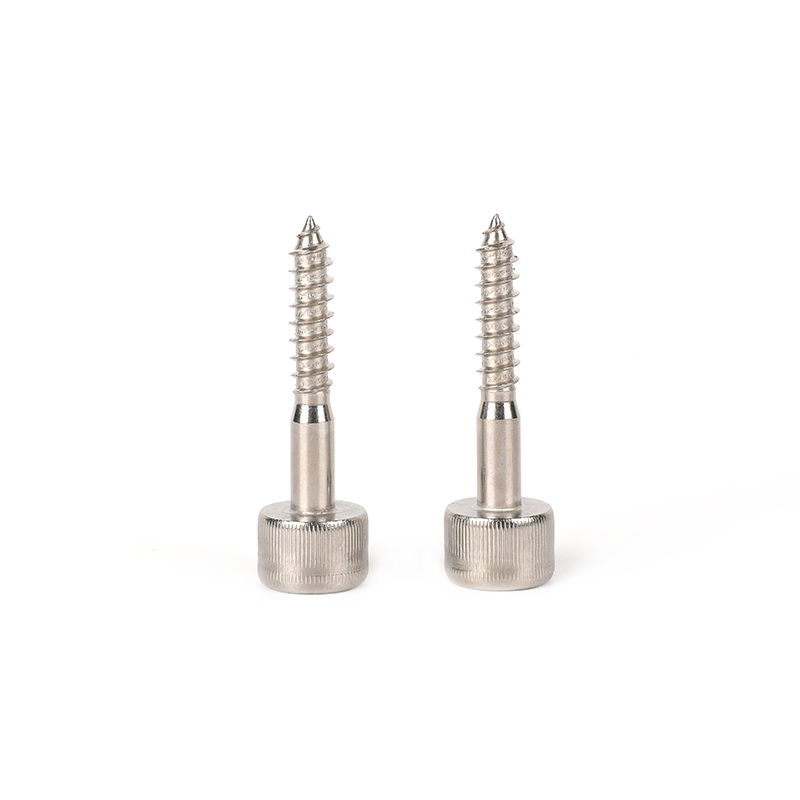
Shoulder screws feature a precision-ground unthreaded shank between the head and threaded section, serving as a bearing surface, pivot point, or spacer. In automotive applications, they appear in hinge mechanisms, pedal assemblies, and linkage systems where controlled rotational or sliding movement is required. Dimensional tolerances on the shoulder diameter are typically h6 or h7 per ISO 286, ensuring consistent fit with mating bushings or bores.
Captive screws are retained in their mating panel by a retaining feature that prevents complete removal, ensuring the fastener is not lost during maintenance. They are increasingly specified in automotive service-access panels, battery covers in EVs, and ECU enclosures — applications where serviceability is a design requirement and dropped fasteners inside electronic housings or drive systems create secondary failure risks.
Material selection and surface treatment are inseparable decisions in automotive screw specification. The base material determines mechanical performance under load and temperature; the surface treatment governs corrosion resistance, friction coefficient, and compatibility with the assembly's galvanic environment.
The majority of structural automotive screws are manufactured from medium or high-carbon steel (Grade 8.8, 10.9, or 12.9 per ISO 898-1), heat-treated to achieve the required tensile and proof load values. Grade 10.9 is the most commonly specified strength class in automotive powertrain and chassis joints, offering a minimum tensile strength of 1,040 MPa — sufficient for high-preload joints without the hydrogen embrittlement risk associated with Grade 12.9 plated fasteners.
A2 (304) and A4 (316) stainless steel screws are specified for exhaust system components, underbody brackets exposed to road salt spray, and fuel system fittings where long-term corrosion resistance is prioritized over maximum strength. A4-80 grade provides both the corrosion resistance of molybdenum-alloyed 316 stainless and a minimum tensile strength of 800 MPa — adequate for most non-structural automotive fixings.
Weight reduction is a primary driver of aluminum fastener adoption, particularly in electric vehicle programs where every gram reduction in non-structural mass improves range. Aluminum screws (typically 7075-T6 alloy) offer a strength-to-weight ratio approaching that of steel at approximately one-third the density, but require careful galvanic compatibility assessment when used with dissimilar metals.
| Coating Type | Salt Spray Resistance | Friction Coefficient | Typical Application |
|---|---|---|---|
| Zinc Electroplating | 72–120 hrs | 0.12–0.18 | Interior, underhood non-critical |
| Zinc-Nickel Alloy Plating | 720–1,000 hrs | 0.09–0.14 | Chassis, underbody, brake systems |
| Geomet / Dacromet | 480–720 hrs | 0.10–0.16 | Suspension, exhaust, wheel fasteners |
| Hot-Dip Galvanizing | 500+ hrs | 0.18–0.25 | Structural chassis, tow hitches |
| Black Oxide | 24–72 hrs | 0.15–0.20 | Interior trim, aesthetic components |
Torque specification is arguably the most misunderstood aspect of automotive screw engineering. Applied torque does not directly determine joint clamp force — it is an indirect proxy that overcomes thread friction, bearing surface friction, and elastic elongation of the fastener to achieve a target preload. Typically, only 10–15% of applied torque actually contributes to fastener elongation and clamp load; the remainder is consumed overcoming friction.
This friction sensitivity is why surface coating selection is inseparable from torque specification. A screw torqued to the same value with zinc plating versus Geomet coating will achieve significantly different preloads due to their different friction coefficients. Automotive OEMs specify torque values in conjunction with specific coating and lubrication conditions, and aftermarket replacement with differently coated fasteners without recalibrating torque specifications is a common source of joint failures in service.
Modern high-performance applications increasingly use torque-plus-angle tightening (torque-to-yield methods), where a controlled rotation angle beyond a threshold torque stretches the fastener into its plastic range, achieving highly consistent preload regardless of friction variation. Torque-to-yield screws are single-use components — their plastic deformation means they cannot be reliably re-torqued after removal.
Automotive screw procurement operates within a multi-layered standards framework that spans international standards, regional automotive industry standards, and OEM-specific specifications. Navigating this landscape correctly is essential for suppliers seeking qualification.
The automotive industry's accelerating transition to electric vehicles and the parallel pursuit of vehicle lightweighting are creating significant specification changes in the screw category that procurement and engineering teams must anticipate.
Battery electric vehicles introduce entirely new fastener challenges. High-voltage battery pack assembly requires screws with exceptional electrical isolation properties in certain joints, while simultaneously requiring controlled electrical conductivity for grounding straps and EMI shielding connections. Thermal management system screws must maintain clamping integrity through the thermal cycling of liquid-cooled battery modules — a more demanding environment than traditional ICE cooling systems. Additionally, battery pack service access requirements drive demand for anti-corrosion coatings that enable reliable removal after years of service without galling or seizure.
Lightweighting programs are accelerating the substitution of steel screws with aluminum and titanium alternatives in non-structural applications, and driving adoption of flow-drill screws (FDS) — a fastening technology that combines drilling, forming, and thread creation in a single operation — for joining aluminum extrusions and multi-material body structures where conventional welding is not viable. The FDS market in automotive is growing at double-digit rates annually, with particular concentration in structural battery enclosures and aluminum-intensive body architectures.
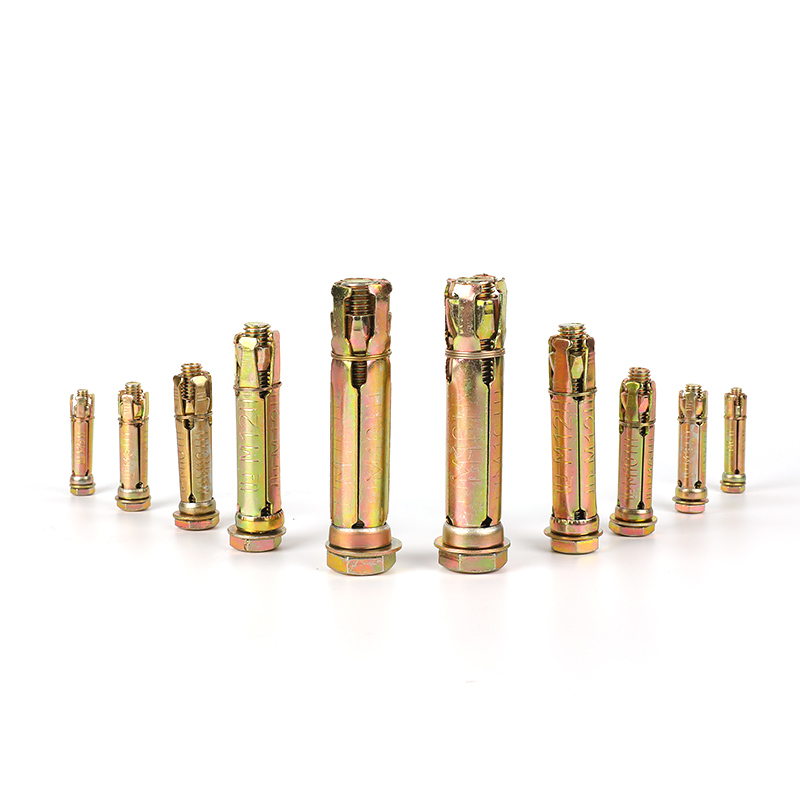
Fix anchorbolts include bolts, washers, nuts and 4PCS cylindrical shields. By tightening the bolts, the shields tubes expand and the components can be...
See Details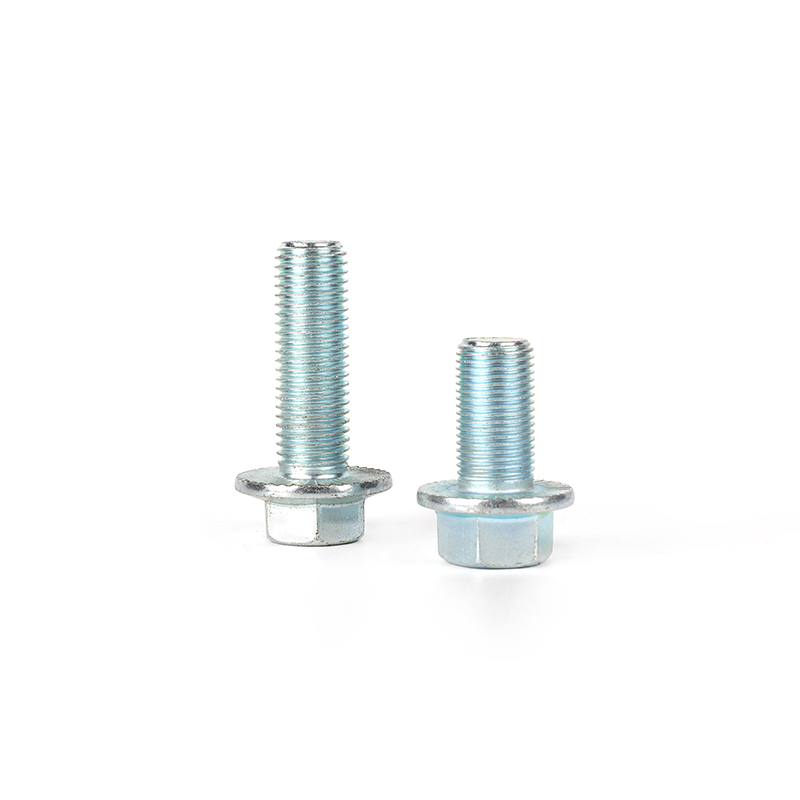
Flange bolts are specially used to tightly connect pipes and components with flanges. We produce flange bolts are solid t and durablethat, compling wi...
See Details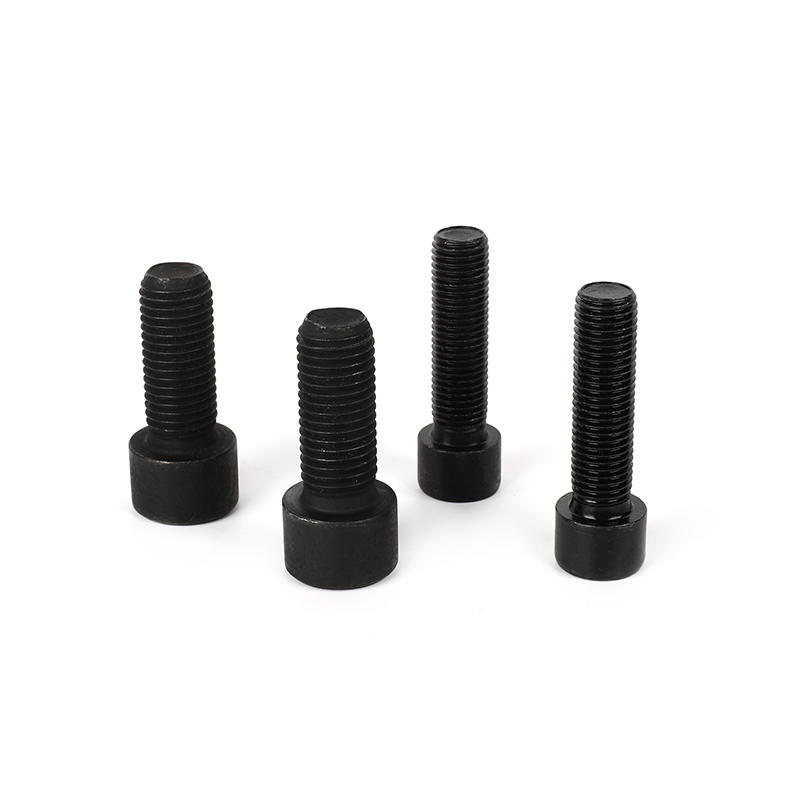
The Grade 8.8 black oxide full-thread hexagon socket bolts have an internal hex design and needs to be used with a wrench with a hex head. Its full th...
See Details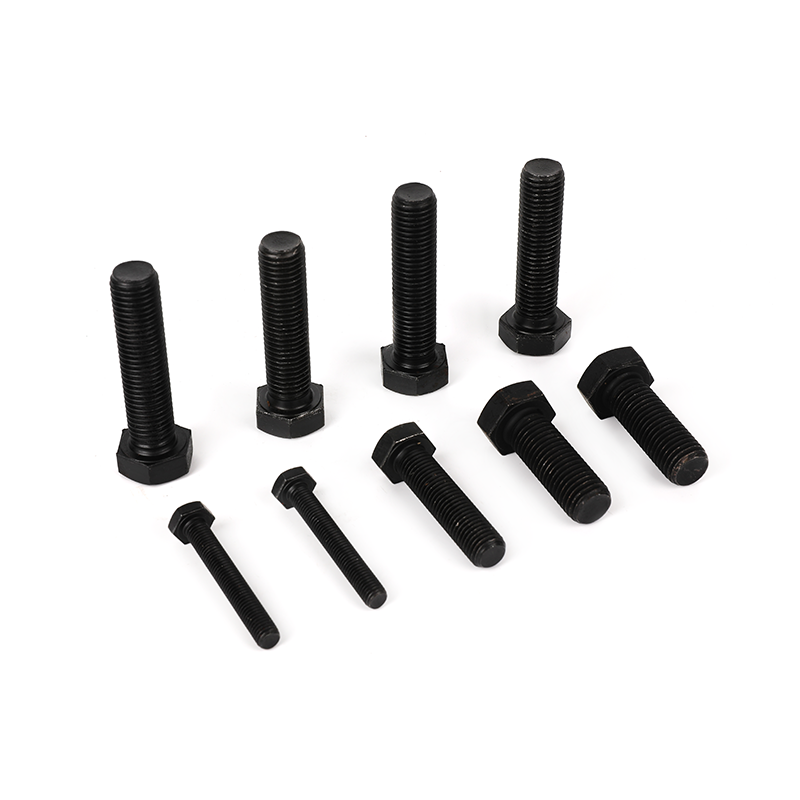
Grade 8.8 black oxide full-thread hexagon bolts is a very common fastener and requires a wrench or hex wrench to tighten it. Our hex head bolt meet th...
See Details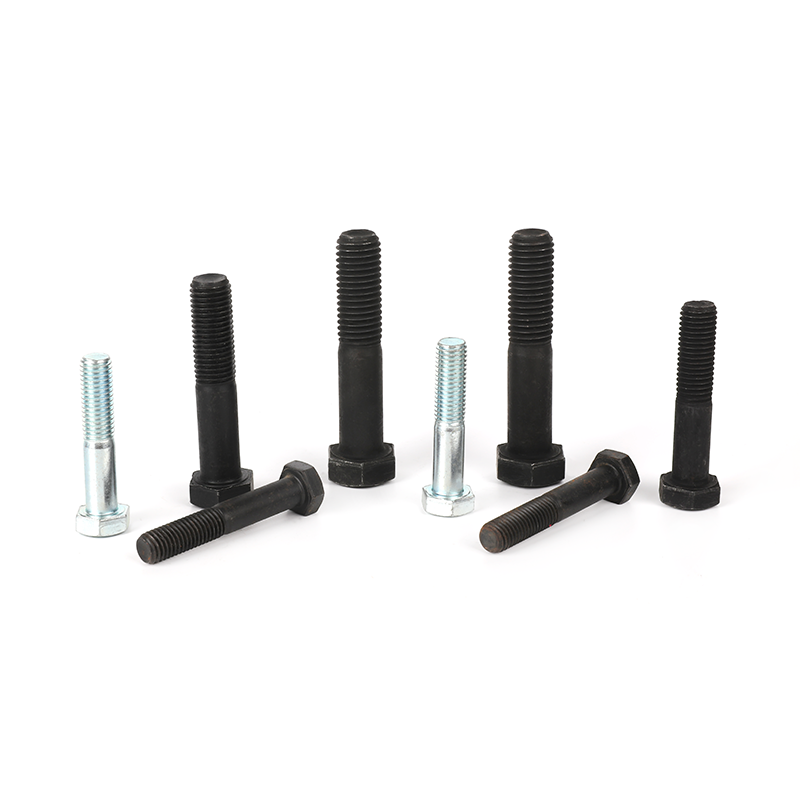
This product is made of high-quality carbon steel and undergoes a rigorous heat treatment process. It has high strength, good elasticity and toughness...
See Details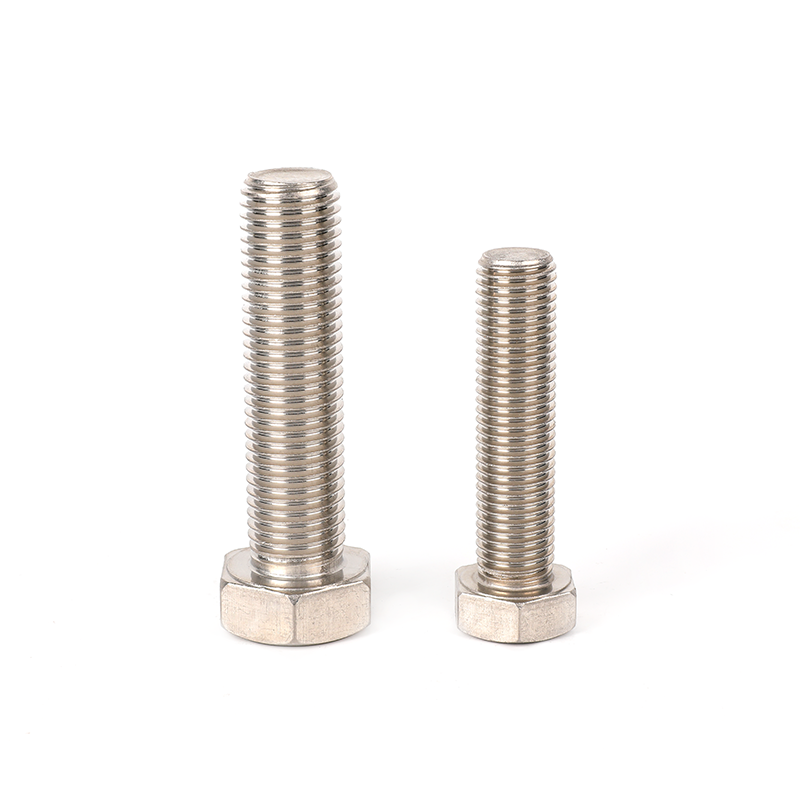
This 304 stainless steel plain full-thread hexagon bolt is a kind of fasteners made of high-quality stainless steel material and has corrosion resista...
See Details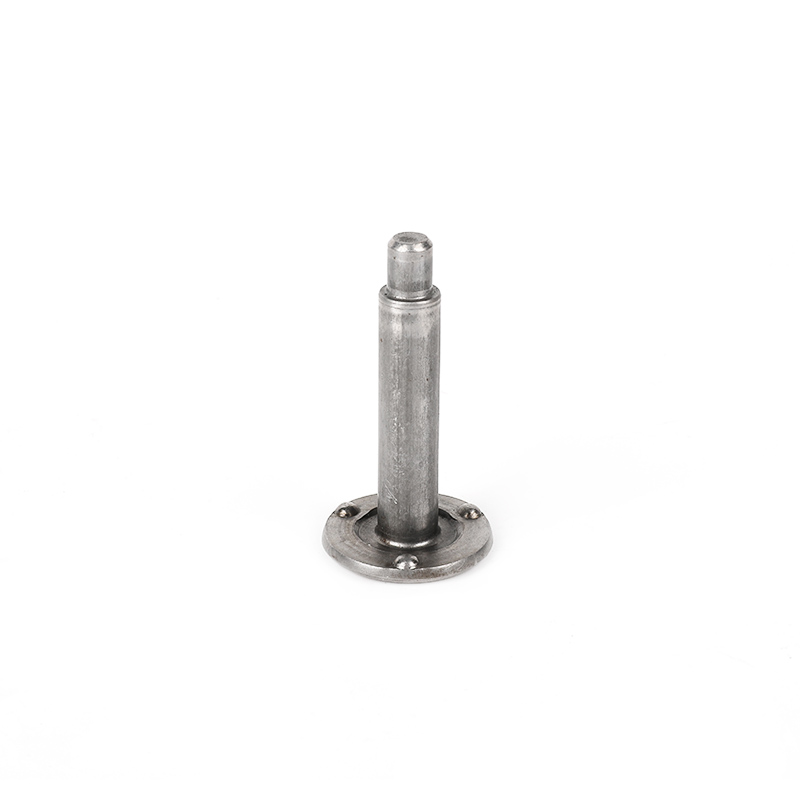
This plain round flat head weld shoulder bolt is a fastener suitable for a variety of welding applications. Its flat head and round head design makes ...
See Details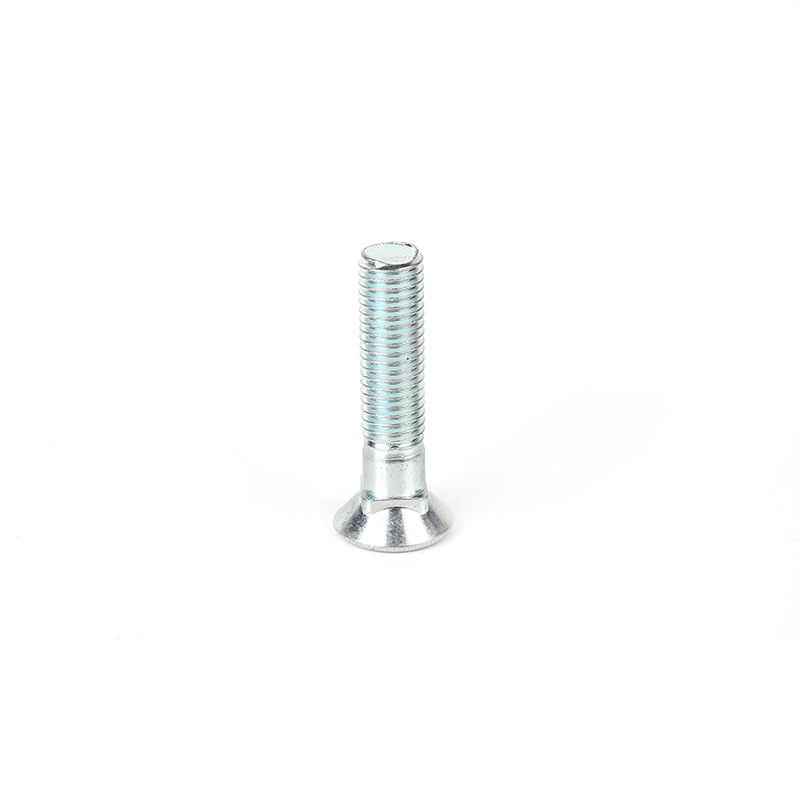
This Grade 12.9 zinc plated countersunk head square neck plow bolt has the advantages of high precision, high operability, high strength, and high ten...
See Details
Room 102, Building 13, Area A, Wanyang Zhongchuang Park, Ganyao Town, Jiashan County, Zhejiang China.
+86-17858810290
+86-573-84648787
product
mobile
