 English
 عربى
عربى
Room 102, Building 13, Area A, Wanyang Zhongchuang Park, Ganyao Town, Jiashan County, Zhejiang China.
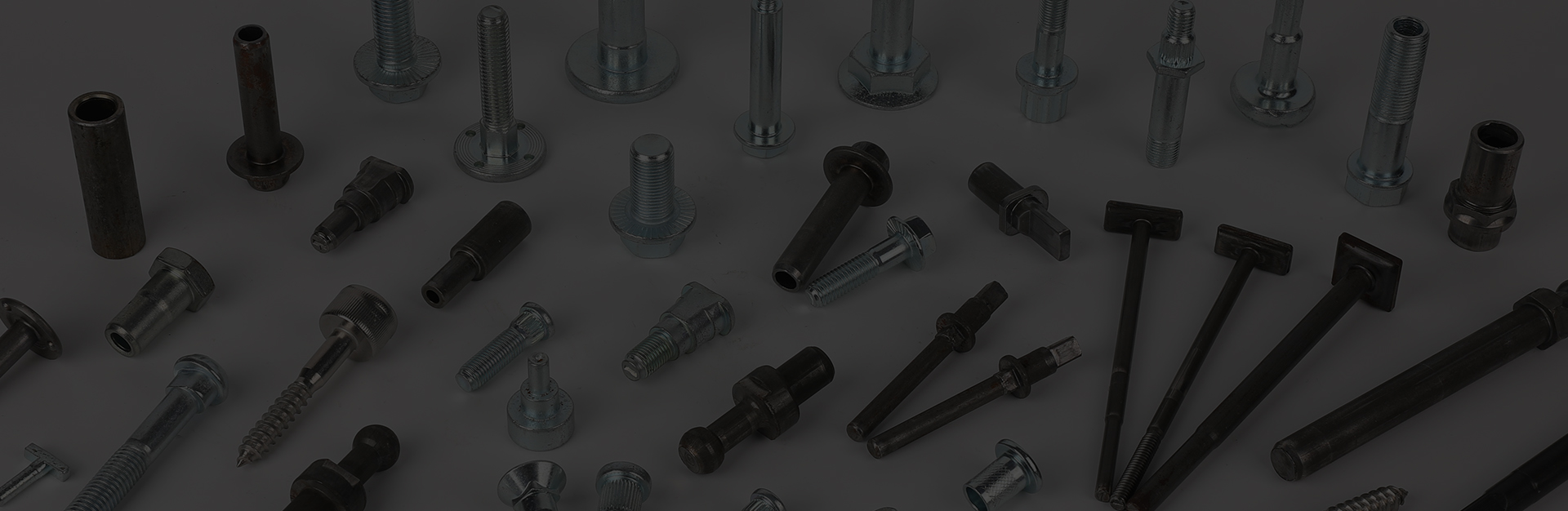
Oil pipe screws are threaded fasteners and pipe-connection components engineered specifically for use in petroleum extraction, refining, and transmission systems — environments defined by high pressure, corrosive fluids, thermal cycling, and zero tolerance for leaks. Selecting the wrong screw grade, thread form, or material in an oil pipe system is not a minor procurement error — it is a potential failure point for a system where a single leak can trigger environmental damage, equipment loss, or personnel injury.
This guide covers the main types of oil pipe screws and threaded connections, the standards that govern them, material and coating selection, installation requirements, and the most common failure modes engineers and procurement teams need to understand.
Content
The term encompasses several related but distinct product categories used across upstream (drilling and extraction), midstream (transportation), and downstream (refining and distribution) oil and gas operations. These include:
Each category carries its own standards, thread systems, material requirements, and installation protocols. The sections below address them in practical terms.
Thread form selection is the foundational decision in any oil pipe screw application. Different thread standards provide different sealing mechanisms, pressure ratings, and torque behaviors — and they are not interchangeable.
NPT threads are tapered at 1° 47' (1 in 16 taper) so that male and female threads wedge together as they are tightened, creating an interference fit that provides the primary seal. NPT is governed by ASME B1.20.1 and is the dominant pipe thread in North American industrial systems, including oil and gas installations. Because the seal depends on thread interference rather than a separate sealing surface, NPT connections require thread sealant compound or PTFE tape to fill the helical leak path and achieve a reliable seal, particularly for gas service.
BSPT threads (ISO 7/1, Rp/Rc) are also tapered and rely on thread interference for sealing, but use a different thread angle (55° Whitworth form vs. the 60° form of NPT) and a slightly different taper rate. NPT and BSPT threads are not interchangeable and must never be mixed — a combination that initially appears to engage will not seal correctly and will fail under pressure. BSPT is common in oil field equipment of European, Middle Eastern, and Asian origin.
API 5B specifies the thread forms used on oil country tubular goods — the casing, tubing, and line pipe that forms the structural backbone of a well. The standard API thread is a tapered thread (8 threads per inch for casing, 10 tpi for tubing in the most common sizes) with a defined thread form, taper, and tolerances. API connections are made up to a specified number of turns beyond hand-tight engagement, with dope (API-specified thread compound) applied to both pin and box to protect thread surfaces and contribute to sealing. API line pipe connections are rated for pressures up to approximately 10,000 psi depending on pipe size and grade, though premium connections (discussed below) are required for higher-pressure sour service environments.
Premium connections — proprietary thread designs from manufacturers such as Vallourec (VAM), Tenaris (TenarisHydril), and TMK — use engineered thread profiles combined with metal-to-metal sealing shoulders to provide superior performance over API threads in demanding applications. They are required when API connections are insufficient for the application: high-pressure gas wells, deviated and horizontal wells, high-temperature reservoirs, and hydrogen sulfide (H₂S) service. Premium connections can achieve gas-tight seals at pressures exceeding 20,000 psi and temperatures above 200°C, making them essential in deepwater and high-pressure high-temperature (HPHT) completions.
Structural screws in pipe clamps, flanges, and support assemblies typically use standard metric (ISO) or Unified National Coarse/Fine (UNC/UNF) threads per ASME B1.1 or ISO 261, rather than pipe-specific thread forms. These are general engineering threads and are specified by nominal diameter and pitch. For oil field use, they are specified to ASTM or ISO material grades with additional requirements for yield strength, hardness, and hydrogen embrittlement resistance as appropriate to the service environment.
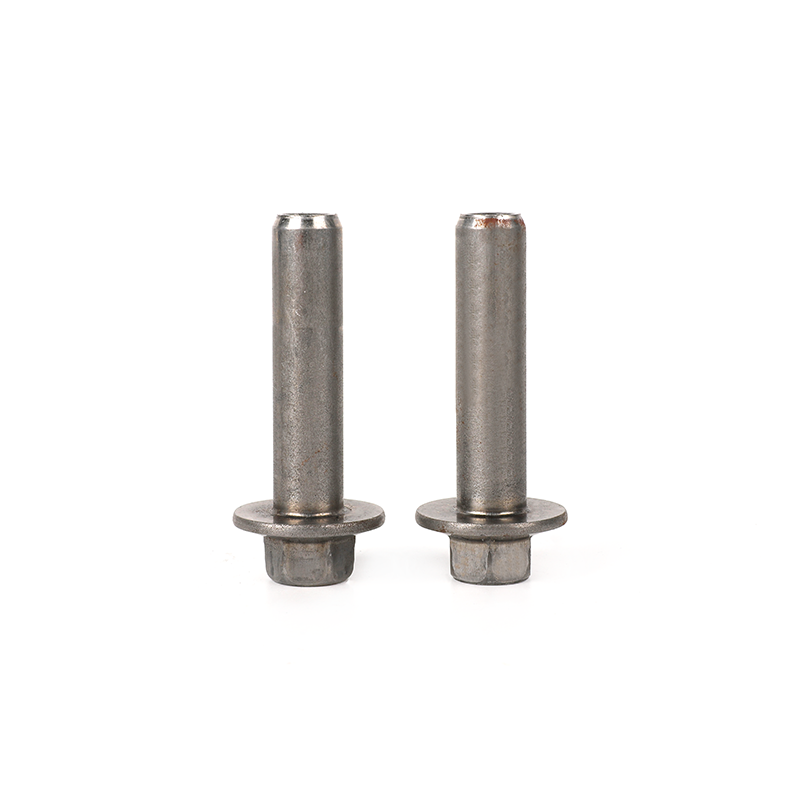
Material selection is driven by four primary factors: mechanical strength requirements, corrosion environment (sweet vs. sour service, seawater, CO₂), temperature range, and compatibility with the pipe and fitting materials to avoid galvanic corrosion. The table below summarizes the most commonly specified screw and fastener materials in oil pipe applications:
| Material | Common Standard | Typical Yield Strength | Best Service Environment | Key Limitation |
|---|---|---|---|---|
| Carbon Steel (Grade 8.8 / ASTM A193 B7) | ASTM A193, ISO 898 | 660–725 MPa | Sweet service, onshore, ambient to 450°C | Susceptible to H₂S-induced stress cracking; requires coating for corrosion protection |
| Low-Alloy Steel (L80, P110 OCTG grades) | API 5CT | 552–965 MPa (grade dependent) | Wellbore casing and tubing, moderate sour service (L80) | P110 not suitable for H₂S service; L80 preferred for sour wells |
| Stainless Steel 316 / 316L | ASTM A193 B8M, ISO 3506 | 170–450 MPa (condition dependent) | Subsea, marine, chloride environments, offshore topside | Lower strength than carbon steel; susceptible to chloride stress corrosion cracking at elevated temperature |
| Duplex Stainless Steel (2205 / 2507) | ASTM A276, EN 1.4462 | 450–550 MPa | Sour gas service, high-chloride, offshore subsea, CO₂ environments | Higher cost; limited to below 300°C to prevent phase embrittlement |
| Inconel 625 / 718 (Nickel Alloy) | ASTM B446, AMS 5662 | 690–1,100 MPa | HPHT wells, extreme sour service, deepwater completions | Very high cost; used only where other materials are technically inadequate |
| Titanium Grade 5 (Ti-6Al-4V) | ASTM B265, AMS 4928 | 880–950 MPa | Subsea with weight constraints, sour service, high-chloride | Galling risk on threads; requires anti-galling treatment or coating |
In environments containing hydrogen sulfide — defined as "sour service" under NACE MR0175 / ISO 15156 — fastener material selection is critically constrained. H₂S causes sulfide stress cracking (SSC) in high-strength steel, where hydrogen atoms generated by corrosion reactions diffuse into the steel lattice and cause brittle fracture at stress levels well below the material's rated yield strength. NACE MR0175 specifies that carbon and low-alloy steel screws and bolts used in sour service must have a maximum hardness of 22 HRC (Rockwell C), which limits yield strength to approximately 720 MPa — and many popular high-strength grades such as Grade 10.9 and ASTM A193 B7 exceed this limit and must not be used in sour service without special qualification testing.
Even correctly specified base materials benefit from protective coatings in oil pipe environments. Coatings serve three functions: corrosion protection for the screw body and thread surfaces, reduction of thread friction during installation (which directly affects torque-to-tension accuracy), and prevention of galling on stainless and titanium thread surfaces.
Oil pipe screws and threaded connections are governed by a layered set of standards from API, ASTM, NACE, ISO, and ASME. Understanding which standards apply to which product category prevents specification gaps that create non-compliance risks in regulated environments.
| Standard | Issuing Body | Scope | Key Requirement |
|---|---|---|---|
| API 5B | API | Threading, gauging, and inspection of casing, tubing, and line pipe | Defines thread form, taper, tolerance, and gauging methods for API connections |
| API 5CT | API | Casing and tubing for oil and gas wells | Material grades (J55, K55, N80, L80, P110, Q125), mechanical properties, and testing requirements |
| NACE MR0175 / ISO 15156 | NACE / ISO | Materials for use in H₂S-containing environments in oil and gas production | Hardness limits, heat treatment requirements, and qualification testing for sour service |
| ASTM A193 | ASTM | Alloy-steel and stainless steel bolting for high-temperature service | B7 (alloy steel), B8M (316SS) grade requirements including mechanical properties and impact testing |
| ASME B1.20.1 | ASME | NPT pipe thread dimensions and tolerances | Thread form, taper, pitch, and gauging requirements for NPT connections |
| ISO 10423 / API 6A | ISO / API | Wellhead and Christmas tree equipment | Fastener material and testing requirements for high-pressure wellhead flanges and connections |
| ASTM A194 | ASTM | Nuts for high-pressure and high-temperature service | Nut grades paired with A193 bolts in pressure vessel and piping flange assemblies |
For oil country tubular goods — the casing and tubing strings that line and complete a well — the quality of the threaded connection make-up directly determines whether the well can be produced safely at its designed pressure and temperature rating. Improper make-up is a leading cause of connection failures that require expensive remediation operations.
Every OCTG connection should be visually and dimensionally inspected before make-up. This includes checking for damaged threads, rust, scale, and any out-of-round deformation of the pipe body near the connection. API 5CT requires that connections be gauged using ring and plug gauges to verify they are within tolerance before being run in a well. Connections that fail gauge inspection must be rejected — running a sub-tolerance connection to avoid the cost of rethreading or replacement is a false economy that routinely results in higher remediation costs downhole.
API-modified thread compound (dope) must be applied to both the pin and box threads, with the correct quantity distributed evenly over all thread surfaces. Too little dope leaves thread flanks unprotected and leads to galling; too much causes hydraulic pressure buildup during make-up that can swell the box and over-torque the connection. The industry has largely shifted to API Modified thread compound (lower heavy metal content vs. original API compound) and to premium thread compounds certified for specific connection geometries.
API connections are made up to a specified torque range or a specified number of turns past hand-tight, depending on the connection type and pipe size. Premium connections specify precise torque windows — often as narrow as ±10% of the optimum torque value — because both under-torque and over-torque produce leaking connections. Modern well sites use computerized torque-turn monitoring equipment that records the torque-vs-turn curve for every connection, allowing deviations from the expected curve to be flagged immediately and the connection re-made before the pipe string is run.
At flanged connections throughout the pipeline and process piping systems, structural bolts and screws are as critical to system integrity as the pipe connections themselves. The bolting in a high-pressure flange assembly must compress the gasket to its seating stress across the full bore perimeter while remaining within the flange's structural capacity — a precision task that routine "wrench-tight" installation cannot reliably achieve.
ASME B31.3 (Process Piping) and ASME B31.4/B31.8 (pipeline systems) reference ASTM A193 for flange bolting materials. The most common specification is ASTM A193 Grade B7 stud bolts with Grade 2H heavy hex nuts (ASTM A194) — a combination that provides 660 MPa minimum yield strength and is rated for use up to 450°C. For low-temperature service (below −46°C), Grade B7M (which meets NACE hardness limits) or Grade L7 (low-temperature carbon steel) is required. Stainless steel bolting (B8M / Grade 8M nuts) is used in corrosive service where carbon steel would corrode unacceptably.
Achieving consistent, correct gasket compression requires controlled bolt pre-load — not simple torquing. Torque wrenches introduce ±25–30% variation in actual bolt load because of friction variability in threads and under the nut face. For critical or large flanges, hydraulic bolt tensioning (which stretches the bolt axially) achieves pre-load accuracy within ±5%, and is standard practice in oil and gas piping systems above ANSI 600# pressure class. The pre-load target must be calculated for each flange size and gasket type to achieve the minimum seating stress without exceeding the bolt yield strength or the flange's structural limit.
Understanding why oil pipe screws and threaded connections fail — and the operational or material conditions that produce each failure mode — enables targeted preventive action rather than reactive replacement after a leak or structural failure has already occurred.
Galling is cold-welding of thread surfaces under the frictional heat and pressure of make-up, causing metal transfer and severe surface damage. It is most common with stainless steel, duplex, and titanium fasteners, all of which have passive oxide films that break down under thread contact. Prevention requires anti-galling coatings, correct thread compound application, and controlled make-up speed — fast power-make-up without torque control dramatically increases galling risk on stainless and nickel alloy connections.
High-strength steel screws and bolts can absorb atomic hydrogen during electroplating processes (acid pickling, zinc electrodeposition) or in service from cathodic protection systems or H₂S exposure. The absorbed hydrogen diffuses to stress concentration points and causes brittle fracture at loads well below the material's rated strength. Post-plating baking at 190–220°C for 8–24 hours is mandatory for electroplated fasteners above 1,000 MPa strength (per ASTM F1941 and ISO 9587) to drive hydrogen out of the lattice before installation. Fasteners that are not baked within 4 hours of plating face elevated hydrogen embrittlement risk.
Cyclic pressure fluctuations, vibration from pumps and compressors, and thermal cycling in pipelines create fatigue loading on screws and connections. Fatigue failures initiate at thread roots — the highest stress concentration point in a threaded fastener. Using rolled threads (where the thread is formed by cold rolling rather than cutting) increases fatigue life by 20–40% compared to cut threads, because rolling induces compressive residual stresses at the thread root that retard fatigue crack initiation.
Pipe support bolts and screws beneath thermal insulation are highly susceptible to accelerated corrosion because moisture trapped beneath the insulation creates a concentrated corrosion cell. Carbon steel fasteners in CUI-risk zones (typically those cycling through water condensation temperatures) must be protected with high-build coatings, or replaced with stainless steel or thermally sprayed zinc-aluminum alloy finishes. CUI-related fastener failures in aging oil and gas plants account for a disproportionate share of unplanned maintenance costs, often discovered only during insulation removal for inspection.
In regulated oil and gas operations, fastener procurement is not a commodity purchasing exercise — it is a quality-critical activity where counterfeit, substandard, or incorrectly specified parts have caused catastrophic failures. These are the quality assurance requirements that should be standard practice.
The investment in proper specification, procurement control, and installation quality for oil pipe screws is small relative to the cost of a single connection failure — which can range from tens of thousands to millions of dollars in remediation, environmental response, and lost production, depending on the location and severity of the leak.
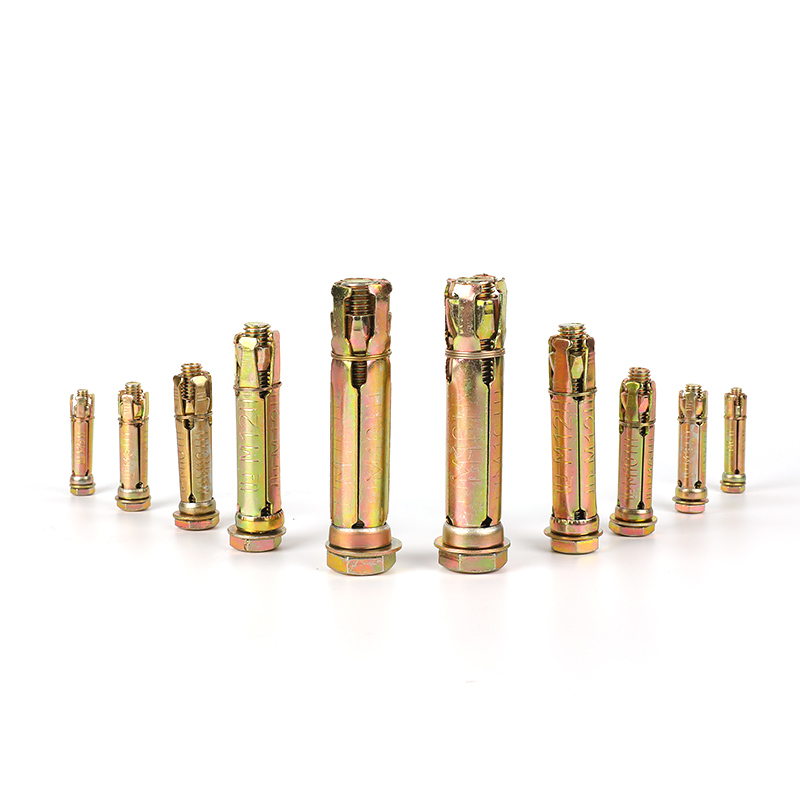
Fix anchorbolts include bolts, washers, nuts and 4PCS cylindrical shields. By tightening the bolts, the shields tubes expand and the components can be...
See Details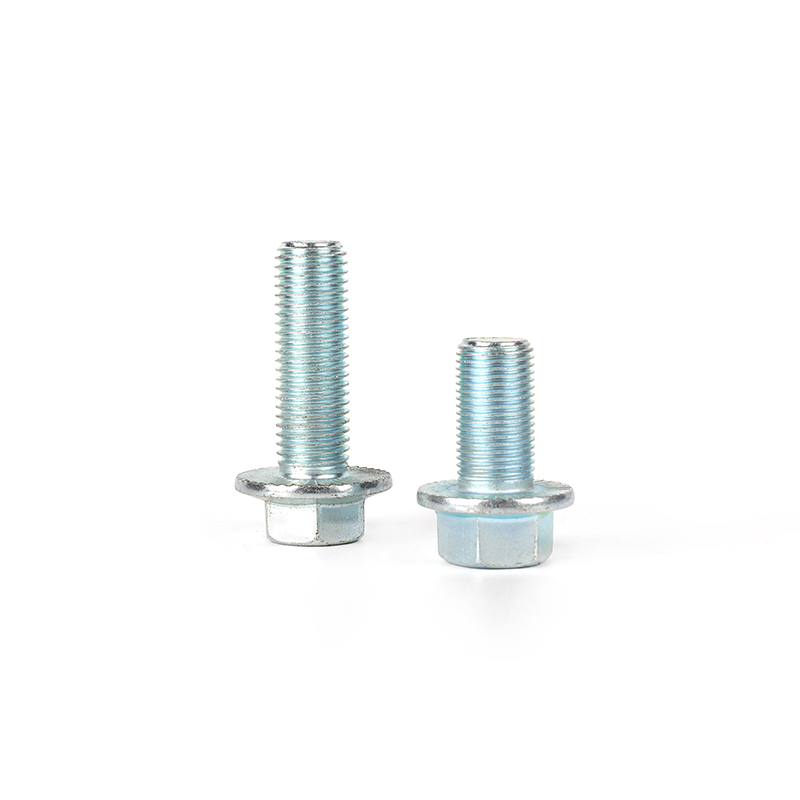
Flange bolts are specially used to tightly connect pipes and components with flanges. We produce flange bolts are solid t and durablethat, compling wi...
See Details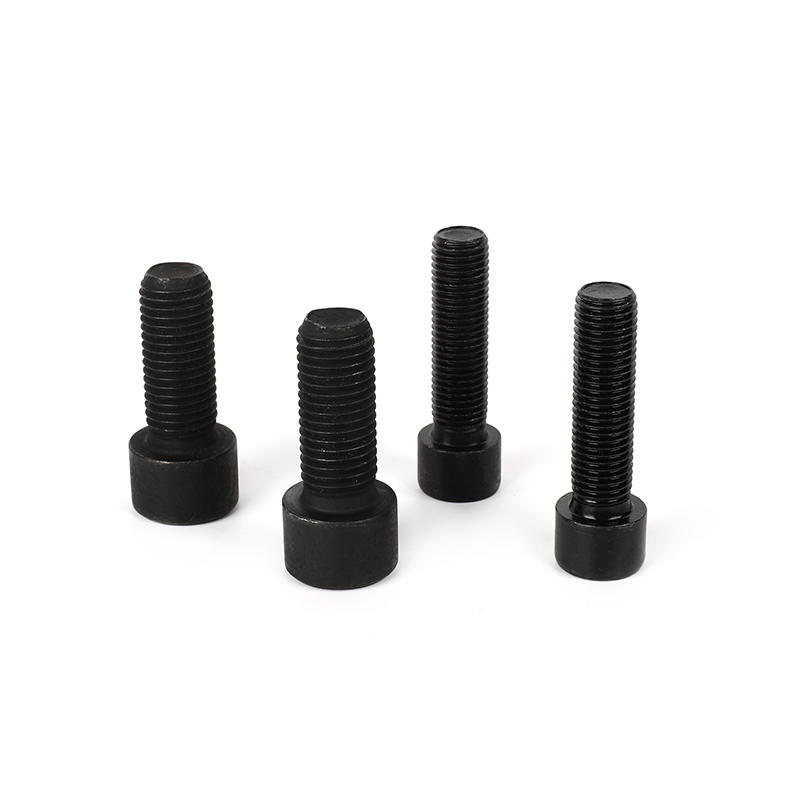
The Grade 8.8 black oxide full-thread hexagon socket bolts have an internal hex design and needs to be used with a wrench with a hex head. Its full th...
See Details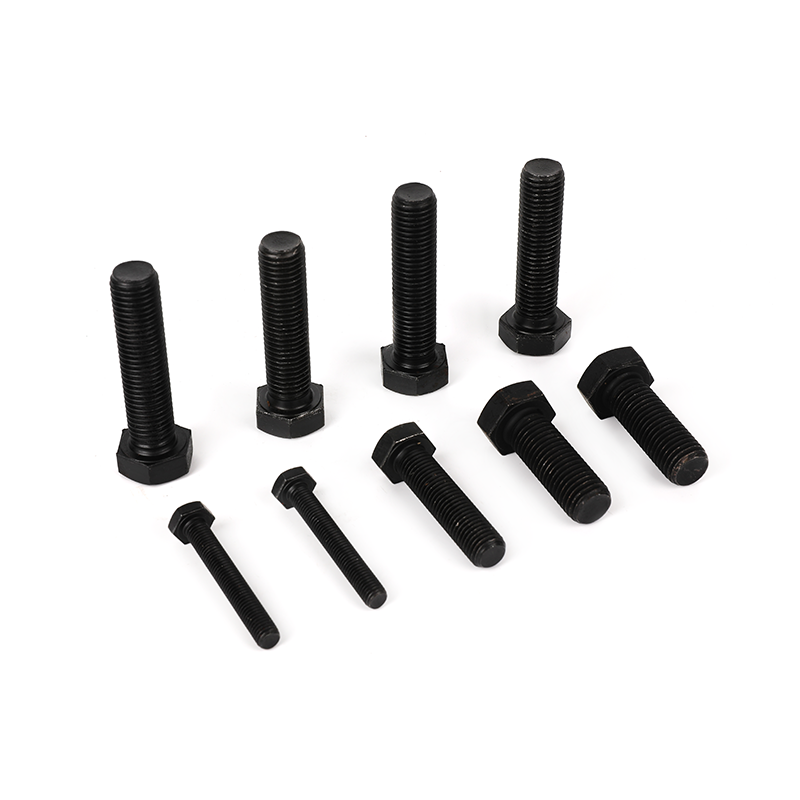
Grade 8.8 black oxide full-thread hexagon bolts is a very common fastener and requires a wrench or hex wrench to tighten it. Our hex head bolt meet th...
See Details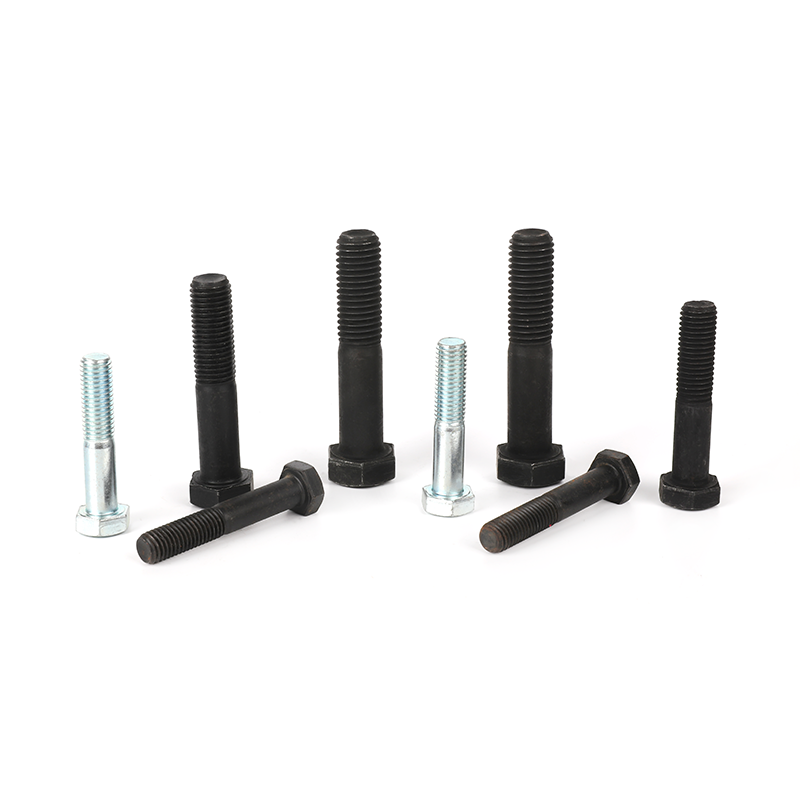
This product is made of high-quality carbon steel and undergoes a rigorous heat treatment process. It has high strength, good elasticity and toughness...
See Details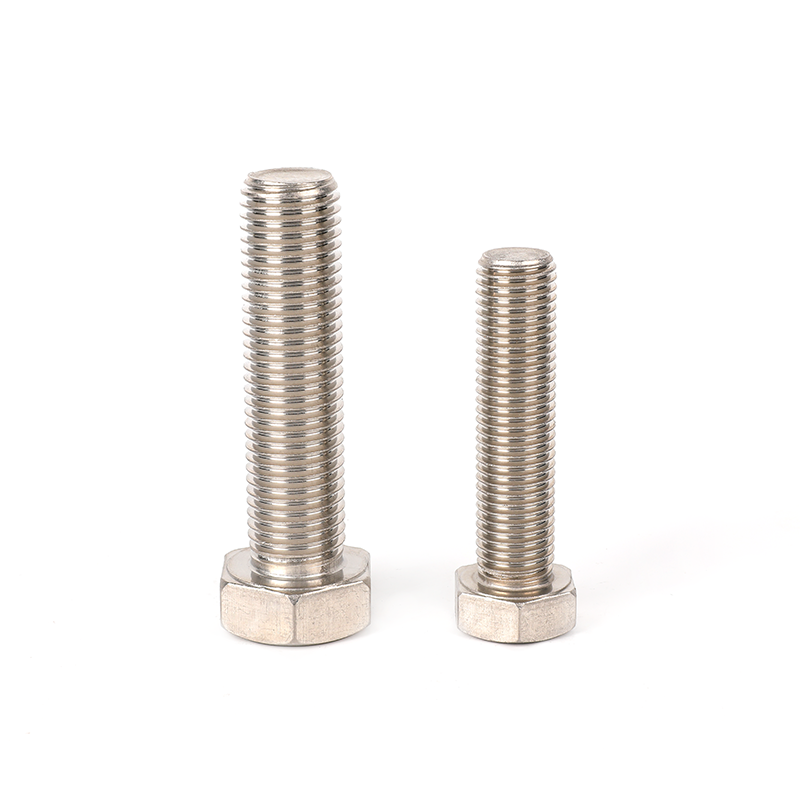
This 304 stainless steel plain full-thread hexagon bolt is a kind of fasteners made of high-quality stainless steel material and has corrosion resista...
See Details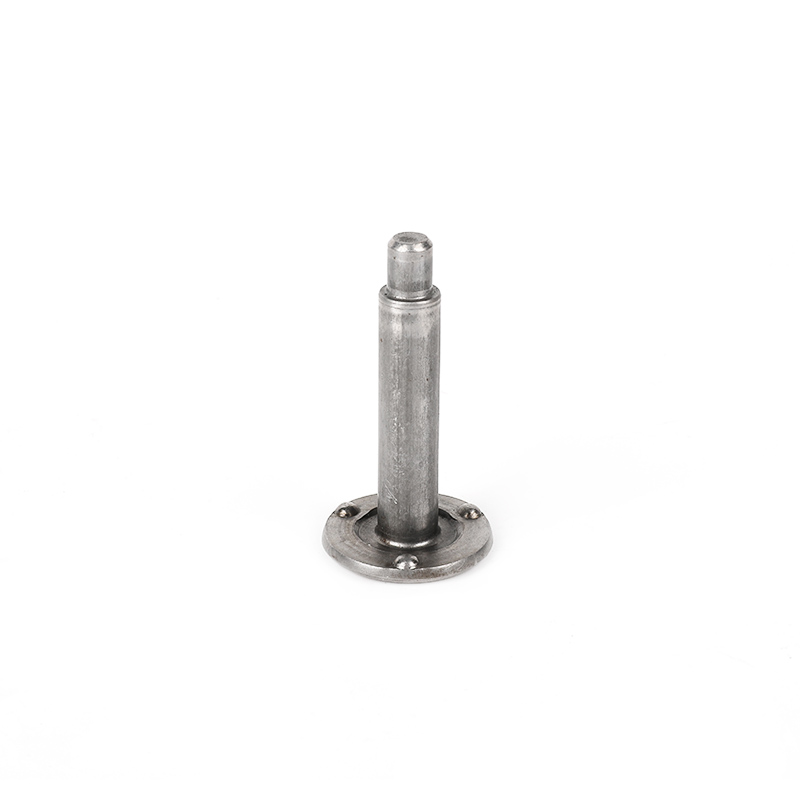
This plain round flat head weld shoulder bolt is a fastener suitable for a variety of welding applications. Its flat head and round head design makes ...
See Details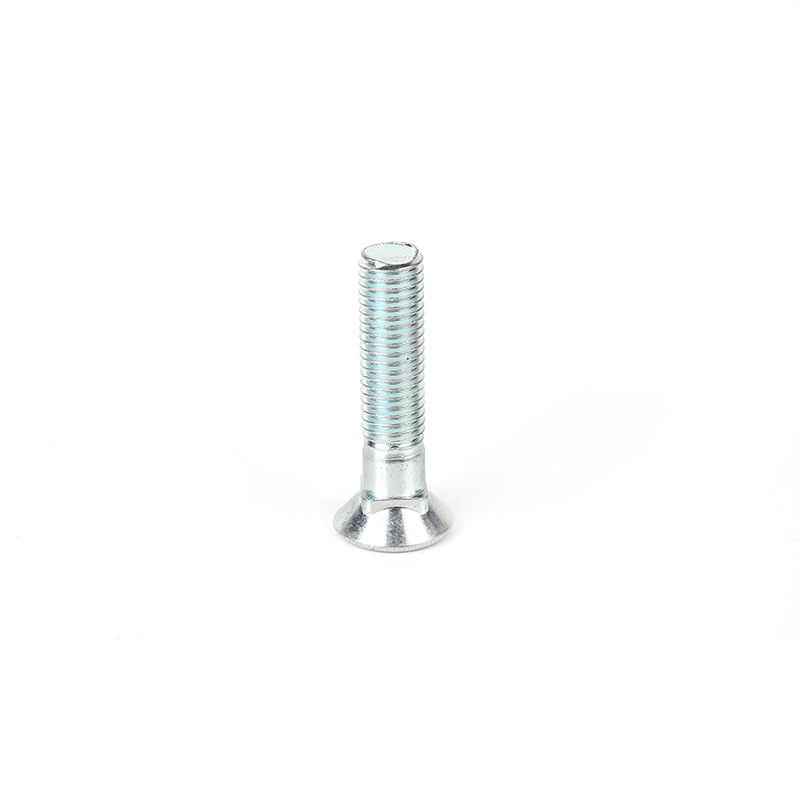
This Grade 12.9 zinc plated countersunk head square neck plow bolt has the advantages of high precision, high operability, high strength, and high ten...
See Details
Room 102, Building 13, Area A, Wanyang Zhongchuang Park, Ganyao Town, Jiashan County, Zhejiang China.
+86-17858810290
+86-573-84648787
product
mobile
