 English
 عربى
عربى
Room 102, Building 13, Area A, Wanyang Zhongchuang Park, Ganyao Town, Jiashan County, Zhejiang China.
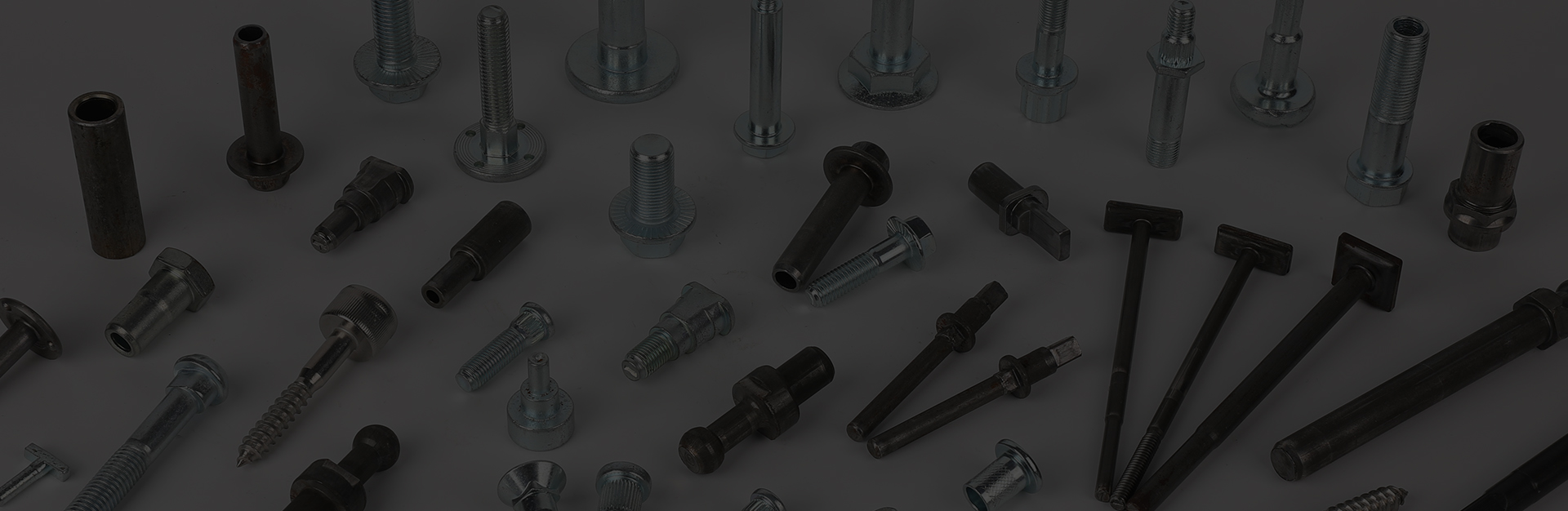
Hex head bolts are among the most widely used fasteners in automotive engineering, designed to secure critical components under demanding conditions. In high-stress automotive applications, bolts must withstand extreme forces, vibrations, temperature fluctuations, and exposure to corrosive environments. Understanding whether hex head bolts can meet these rigorous requirements involves examining their material composition, mechanical properties, installation practices, and industry standards.
Content
The material used in hex head bolts is a decisive factor in their ability to handle high-stress automotive applications. Common materials include carbon steel, alloy steel, and stainless steel. Carbon steel offers a balance of strength and affordability, making it suitable for moderate-stress applications. Alloy steels, often treated with heat processes, provide superior tensile strength and fatigue resistance, which is crucial for engine mounts, suspension systems, and drive components.
Stainless steel bolts offer excellent corrosion resistance, which is important in areas exposed to moisture, salt, or chemicals. However, their tensile strength is generally lower than alloy steel, so they are typically used in non-critical or lower-stress applications. Proper material selection ensures that bolts can maintain integrity under repeated loads without deforming or fracturing.
Hex head bolts are classified by grade, which indicates their mechanical strength, including tensile and yield strength. In high-stress automotive applications, grades such as 8.8, 10.9, and 12.9 are commonly used. Higher-grade bolts are heat-treated and engineered to resist shear, torsion, and fatigue loads.
The tensile strength determines the maximum load the bolt can bear without failure, while the yield strength defines the limit beyond which permanent deformation occurs. High-stress applications, such as securing engine components, drive shafts, or suspension mounts, demand bolts with high tensile and yield strength to prevent loosening or catastrophic failure.
Proper installation is critical for hex head bolts to perform under high-stress conditions. Torque specifications must be followed meticulously, as under-tightening can lead to loosening and vibration-related failures, while over-tightening can overstress the bolt and reduce fatigue life. Torque wrenches and calibrated equipment are essential tools in automotive assembly.
Thread lubrication, bolt coatings, and use of locking mechanisms like lock washers or thread-locking adhesives can also affect performance. Correct installation ensures uniform stress distribution along the bolt, preventing localized stress concentrations that could cause cracks or fractures during operation.
Automotive components often operate under high temperatures generated by engines, brakes, and exhaust systems. Hex head bolts used in these areas must resist thermal expansion and maintain their mechanical properties despite prolonged heat exposure. Alloy steels with heat treatments are preferred for high-temperature applications, while coatings such as zinc or phosphate provide additional corrosion resistance.
In addition, bolts in automotive applications are exposed to moisture, road salt, oil, and other chemicals. Corrosion resistance is critical to prevent material degradation, which can compromise structural integrity and safety. Regular inspection and use of appropriate coatings help extend bolt lifespan in such environments.
Hex head bolts in automotive applications must withstand dynamic and cyclic loads caused by vehicle movement, engine vibrations, and road irregularities. Fatigue resistance is a key performance metric, especially for bolts used in suspension, drivetrain, or engine mounting.
Bolts designed for high-stress automotive applications undergo rigorous testing, including cyclic load, vibration, and impact tests, to ensure reliability. Mechanical properties, combined with proper torque and locking mechanisms, allow these bolts to maintain clamping force and resist loosening over time.
| Feature | Carbon Steel Bolt | Alloy Steel Bolt | Stainless Steel Bolt |
| Tensile Strength | Moderate | High | Moderate |
| Corrosion Resistance | Low (coating required) | Moderate | High |
| Fatigue Resistance | Moderate | High | Moderate |
| Cost | Low | High | Moderate |
Hex head bolts are capable of withstanding high-stress automotive applications when appropriate materials, grades, and installation practices are used. Alloy steel bolts with high tensile strength and fatigue resistance are preferred for critical components, while carbon steel and stainless steel can be applied in moderate-load or corrosion-prone environments. Proper torque application, thread treatment, and corrosion protection are essential to maximize performance and reliability. By selecting the right bolt type and following installation best practices, automotive engineers can ensure safety, durability, and optimal performance across demanding vehicle applications.
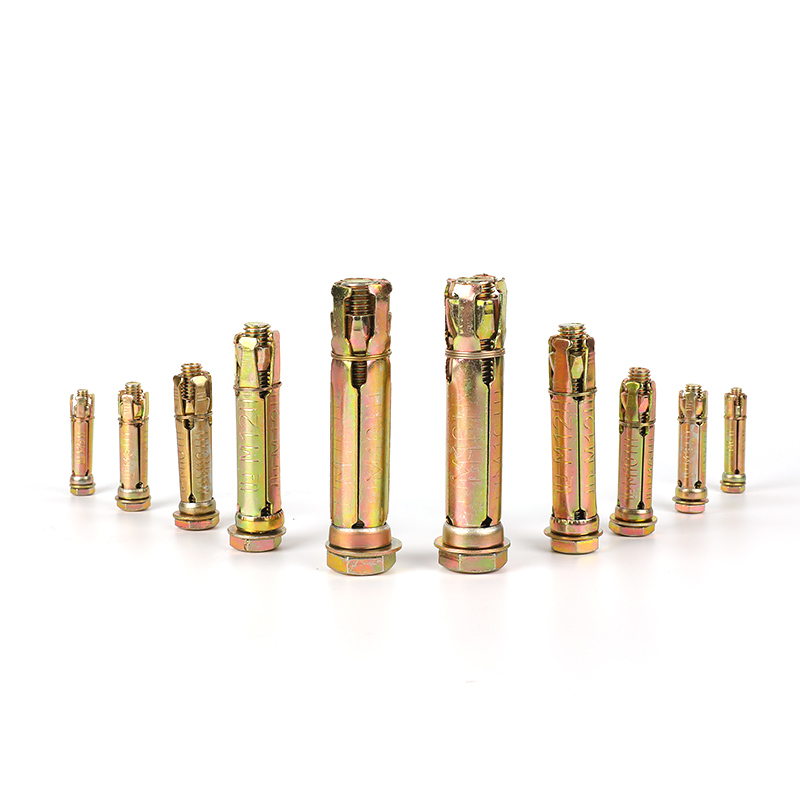
Fix anchorbolts include bolts, washers, nuts and 4PCS cylindrical shields. By tightening the bolts, the shields tubes expand and the components can be...
See Details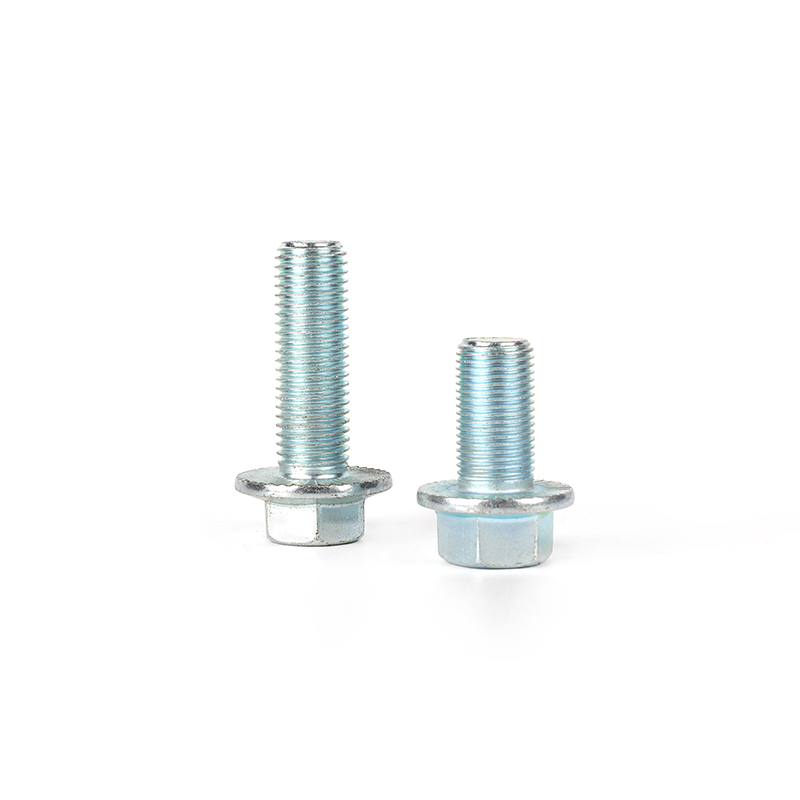
Flange bolts are specially used to tightly connect pipes and components with flanges. We produce flange bolts are solid t and durablethat, compling wi...
See Details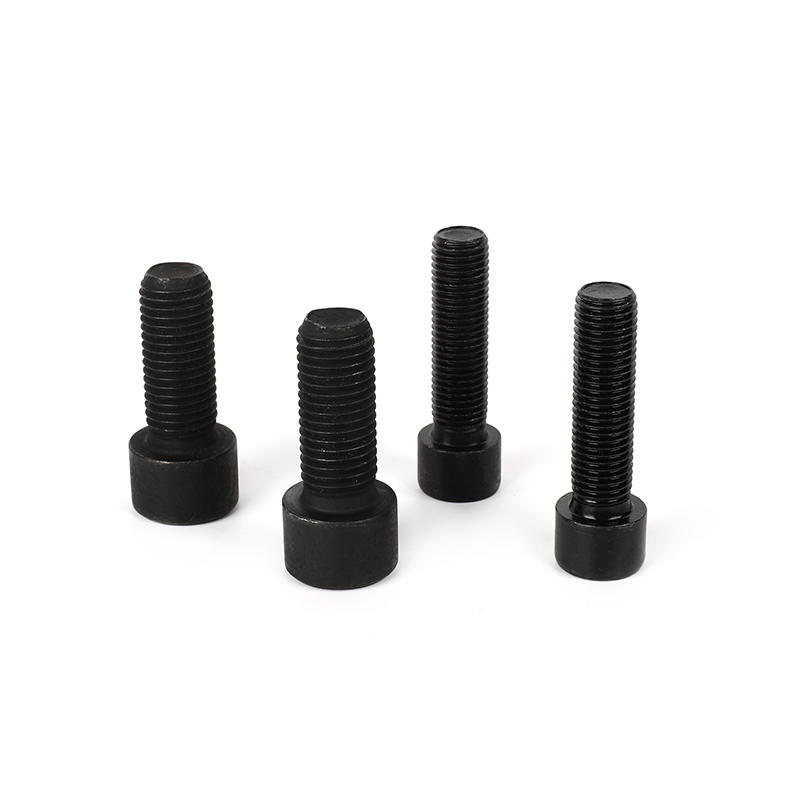
The Grade 8.8 black oxide full-thread hexagon socket bolts have an internal hex design and needs to be used with a wrench with a hex head. Its full th...
See Details
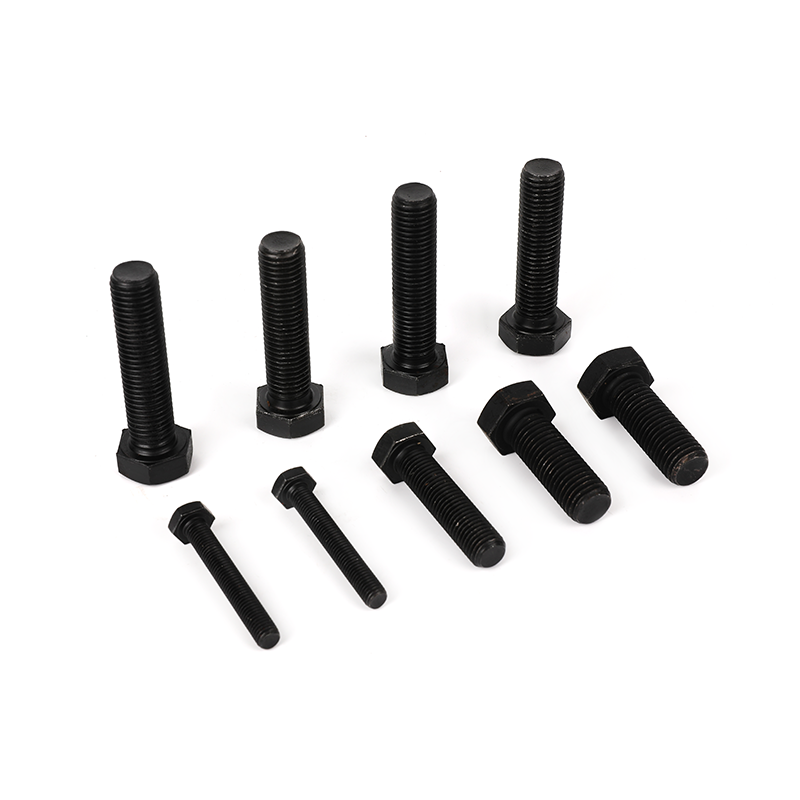
Grade 8.8 black oxide full-thread hexagon bolts is a very common fastener and requires a wrench or hex wrench to tighten it. Our hex head bolt meet th...
See Details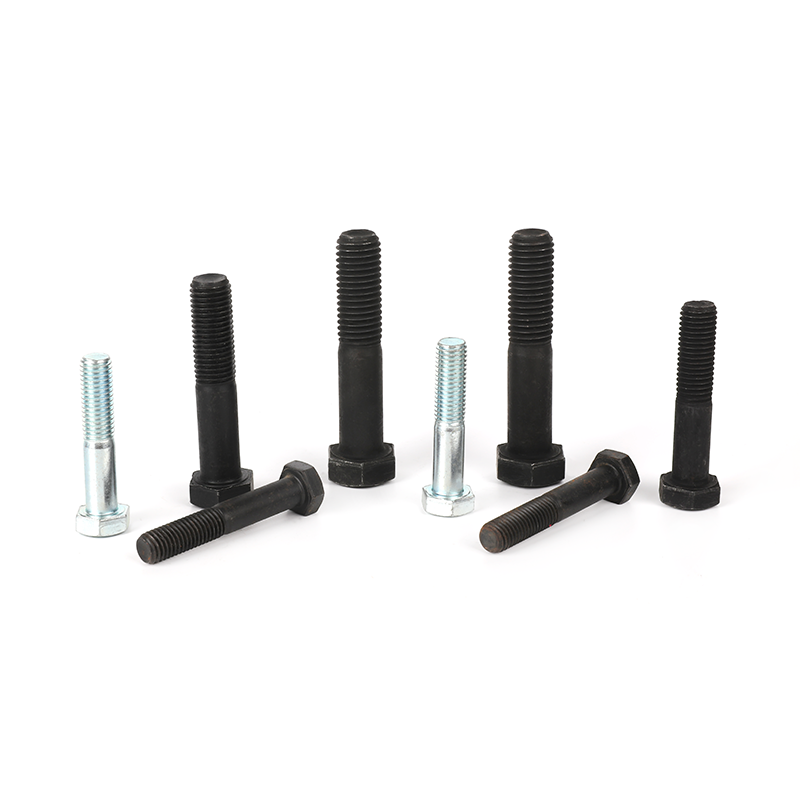
This product is made of high-quality carbon steel and undergoes a rigorous heat treatment process. It has high strength, good elasticity and toughness...
See Details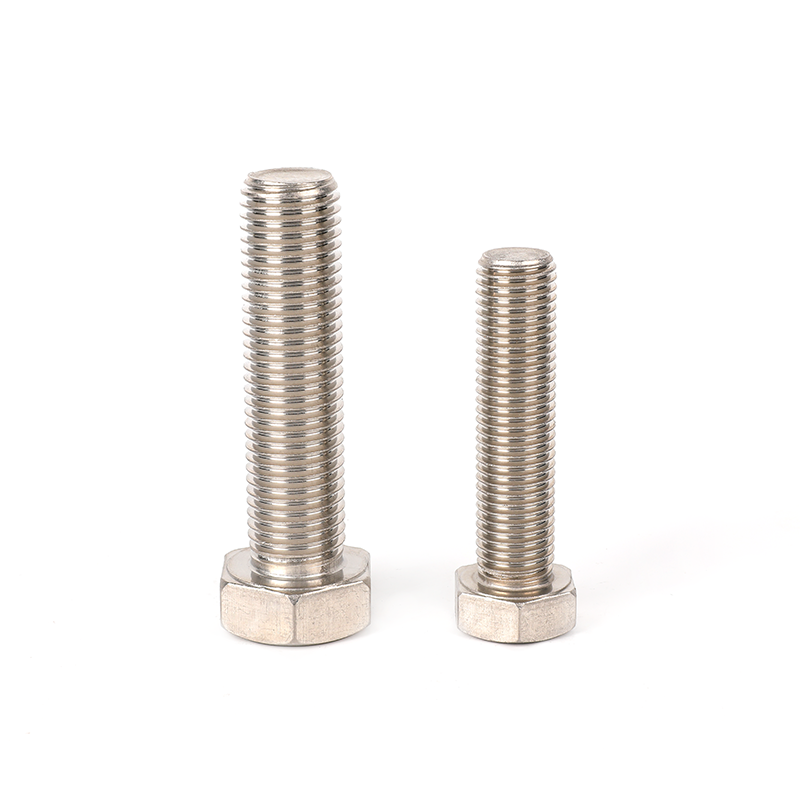
This 304 stainless steel plain full-thread hexagon bolt is a kind of fasteners made of high-quality stainless steel material and has corrosion resista...
See Details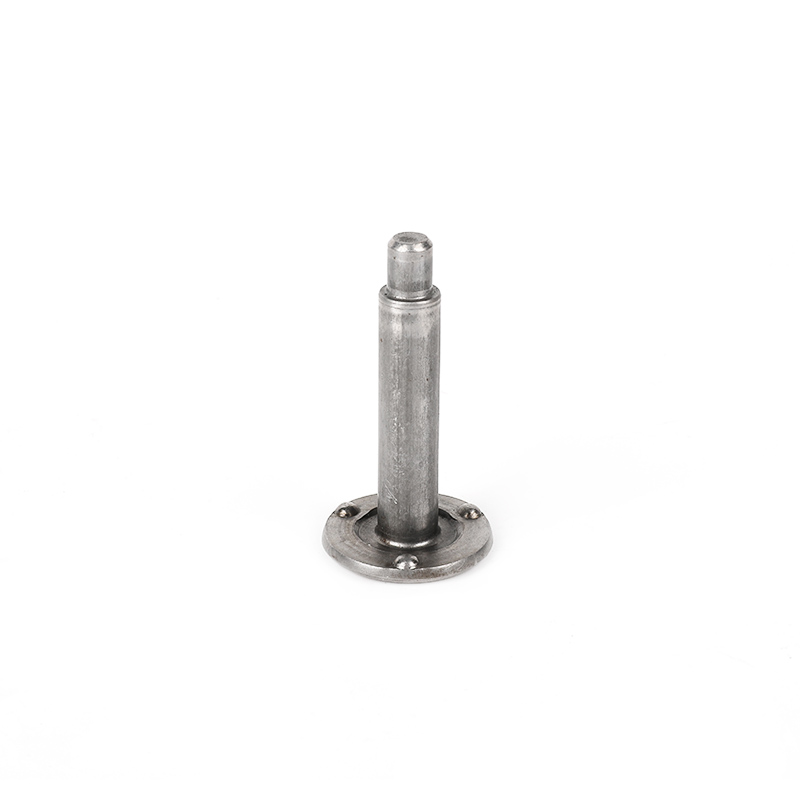
This plain round flat head weld shoulder bolt is a fastener suitable for a variety of welding applications. Its flat head and round head design makes ...
See Details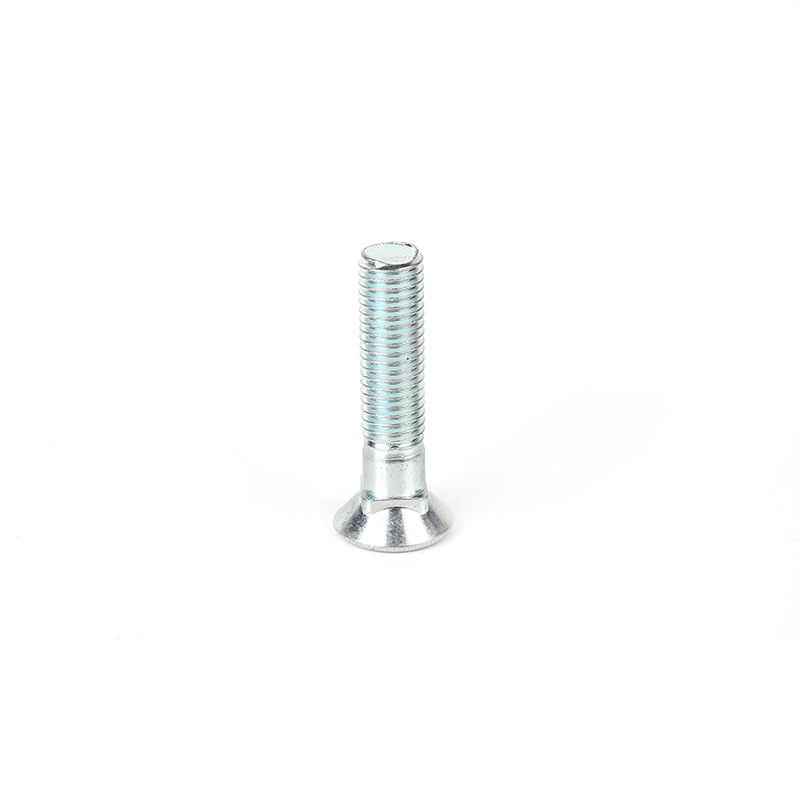
This Grade 12.9 zinc plated countersunk head square neck plow bolt has the advantages of high precision, high operability, high strength, and high ten...
See Details
Room 102, Building 13, Area A, Wanyang Zhongchuang Park, Ganyao Town, Jiashan County, Zhejiang China.
+86-17858810290
+86-573-84648787
product
mobile
