 English
 عربى
عربى
Room 102, Building 13, Area A, Wanyang Zhongchuang Park, Ganyao Town, Jiashan County, Zhejiang China.
Content
Photovoltaic bolts are fasteners specifically engineered for use in solar power systems, particularly in photovoltaic (PV) mounting structures, panel frames, and supporting brackets. Their core purpose is not only to fix components together, but also to ensure long-term structural stability under outdoor environmental conditions. Ordinary bolts, by contrast, are general-purpose fasteners designed for a wide range of mechanical or construction applications without consideration for solar-specific stresses.
In a photovoltaic system, bolts are exposed to continuous sunlight, temperature cycling, wind loads, humidity, and sometimes corrosive atmospheres. Photovoltaic bolts are designed to maintain clamping force and mechanical integrity over decades, matching the expected lifespan of solar installations. Ordinary bolts may meet basic strength requirements initially, but they are not optimized for long-term exposure in PV environments.
One of the most critical differences lies in material choice. Photovoltaic bolts are commonly manufactured from stainless steel (such as SUS304 or SUS316), aluminum alloys, or carbon steel with high-performance surface treatments. These materials are selected specifically to resist corrosion caused by rain, salt spray, industrial pollution, and UV exposure.
Ordinary bolts are often made from standard carbon steel or low-alloy steel, with minimal surface protection such as basic zinc plating. While sufficient for indoor or short-term applications, these materials are prone to rust and degradation when used outdoors for extended periods.
Photovoltaic bolts often incorporate specialized design features that are rarely found in ordinary bolts. These may include serrated flanges, integrated washers, anti-loosening threads, or custom head shapes that match PV rail systems. Such designs reduce installation time and improve load distribution across mounting components.
Ordinary bolts typically follow standardized head types and thread forms without any system-specific optimization. As a result, additional washers, lock nuts, or spring components are often required to achieve the same level of stability in a photovoltaic installation.
Photovoltaic bolts are tested to withstand dynamic loads such as wind uplift, snow pressure, and thermal expansion. These loads can fluctuate daily and seasonally, causing micro-movements that may loosen conventional fasteners over time. PV bolts are designed to maintain consistent preload and resist fatigue failure.
Ordinary bolts may meet static load requirements, but they are rarely tested for the cyclic loading conditions common in solar installations. Over years of service, this can result in loosening, deformation, or even structural failure.
Solar power systems are installed in diverse environments, including deserts, coastal regions, mountains, and industrial zones. Photovoltaic bolts are engineered to adapt to these conditions through enhanced coatings, higher corrosion grades, and temperature-resistant materials.
Ordinary bolts lack this level of environmental adaptability. In harsh climates, they may require frequent inspection, maintenance, or replacement, increasing long-term operational costs.
Photovoltaic bolts are designed with installer efficiency in mind. Many are compatible with standardized PV rails and mounting slots, allowing for quick insertion and tightening without additional alignment steps. Some PV bolts are pre-assembled with washers and nuts to reduce handling time on-site.
Ordinary bolts often require multiple components and precise alignment during installation. This can slow down large-scale solar projects where thousands of fastening points are involved.
Photovoltaic bolts are typically manufactured to meet solar industry standards and certifications related to mechanical performance, corrosion resistance, and safety. These standards ensure compatibility with PV modules, mounting systems, and regional building codes.
Ordinary bolts may comply with general fastener standards, but they are not always tested or certified for photovoltaic-specific applications. Using non-certified bolts can introduce compliance risks in regulated solar projects.
At first glance, photovoltaic bolts may appear more expensive than ordinary bolts due to higher material and manufacturing costs. However, when evaluated over the full lifecycle of a solar installation, PV bolts often prove more cost-effective.
Their durability reduces the need for maintenance, replacements, and system downtime. Ordinary bolts may lower initial costs but can increase long-term expenses through corrosion-related failures and labor-intensive repairs.
| Aspect | Photovoltaic Bolts | Ordinary Bolts |
| Material | Stainless steel, coated steel | Standard carbon steel |
| Corrosion Resistance | High | Low to moderate |
| Application | Solar mounting systems | General fastening |
Choosing between photovoltaic bolts and ordinary bolts should be based on application requirements rather than initial cost alone. For any permanent or semi-permanent solar installation, photovoltaic bolts provide measurable advantages in safety, durability, and compliance.
Ordinary bolts may be suitable for temporary fixtures or non-critical components, but they should not be relied upon for core structural connections in photovoltaic systems where long-term performance is essential.
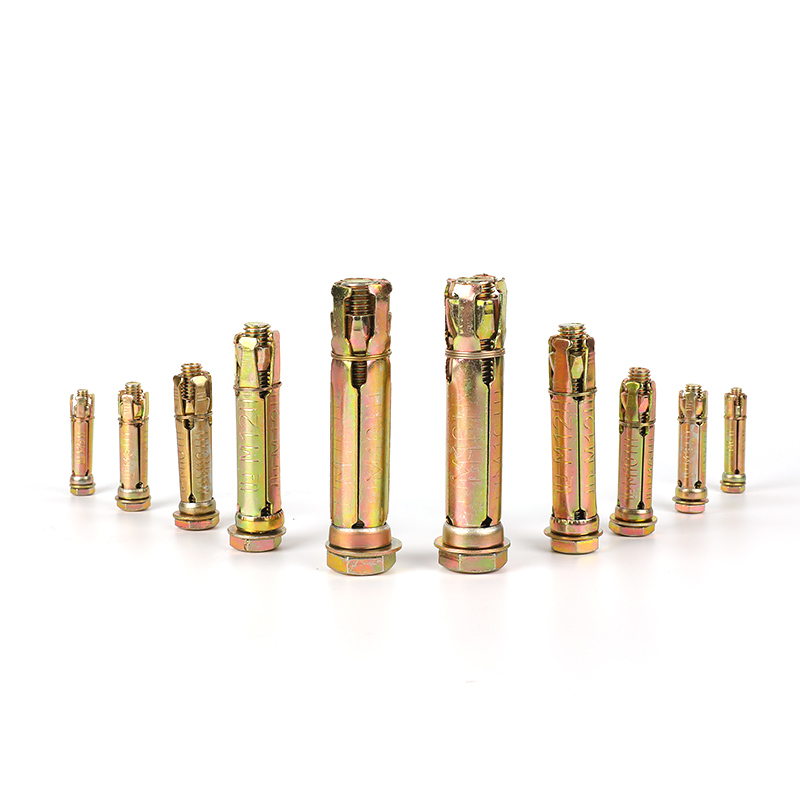
Fix anchorbolts include bolts, washers, nuts and 4PCS cylindrical shields. By tightening the bolts, the shields tubes expand and the components can be...
See Details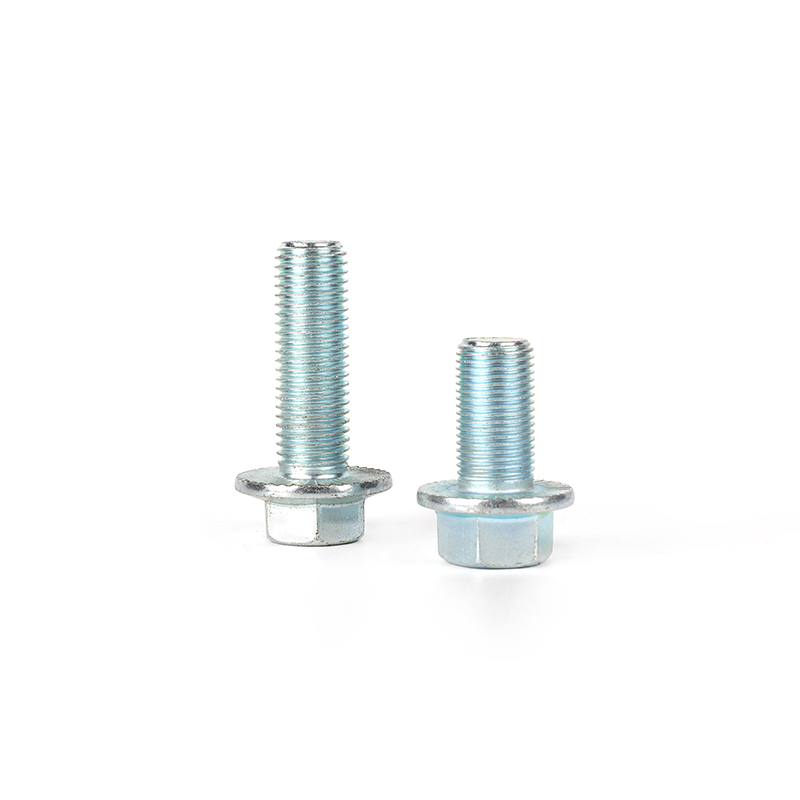
Flange bolts are specially used to tightly connect pipes and components with flanges. We produce flange bolts are solid t and durablethat, compling wi...
See Details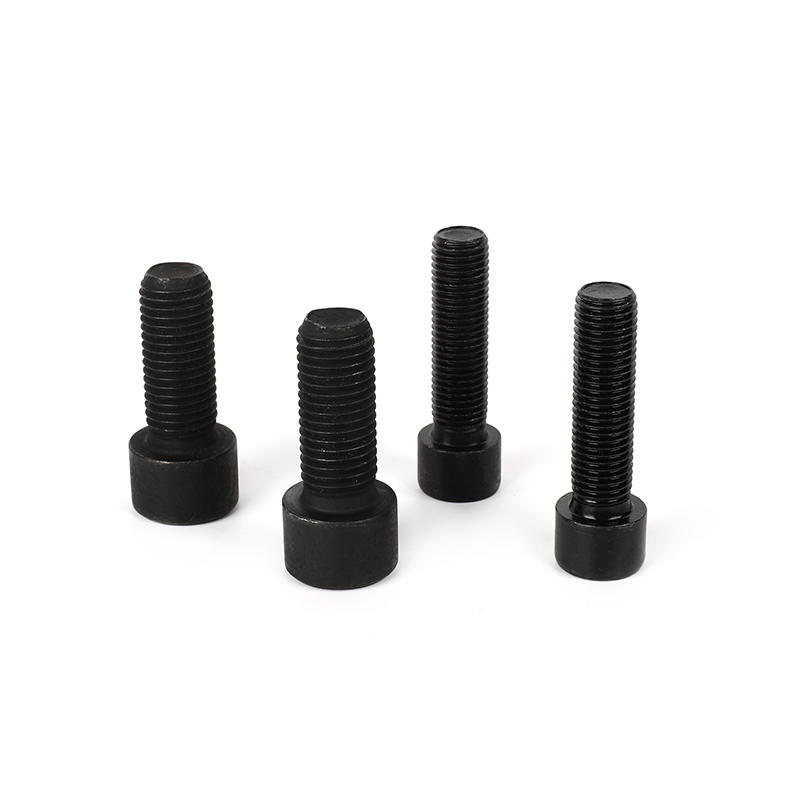
The Grade 8.8 black oxide full-thread hexagon socket bolts have an internal hex design and needs to be used with a wrench with a hex head. Its full th...
See Details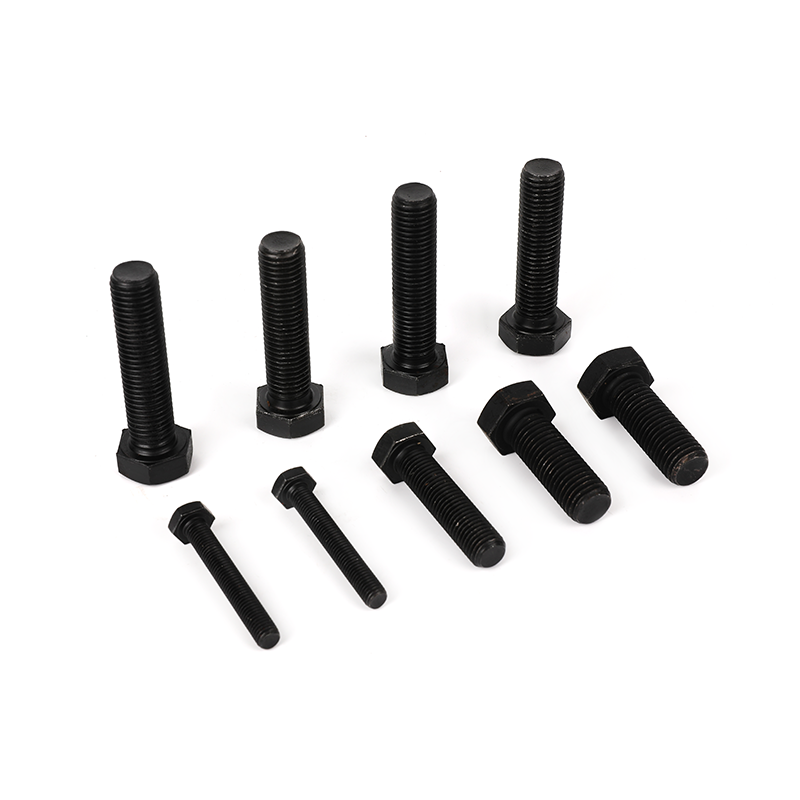
Grade 8.8 black oxide full-thread hexagon bolts is a very common fastener and requires a wrench or hex wrench to tighten it. Our hex head bolt meet th...
See Details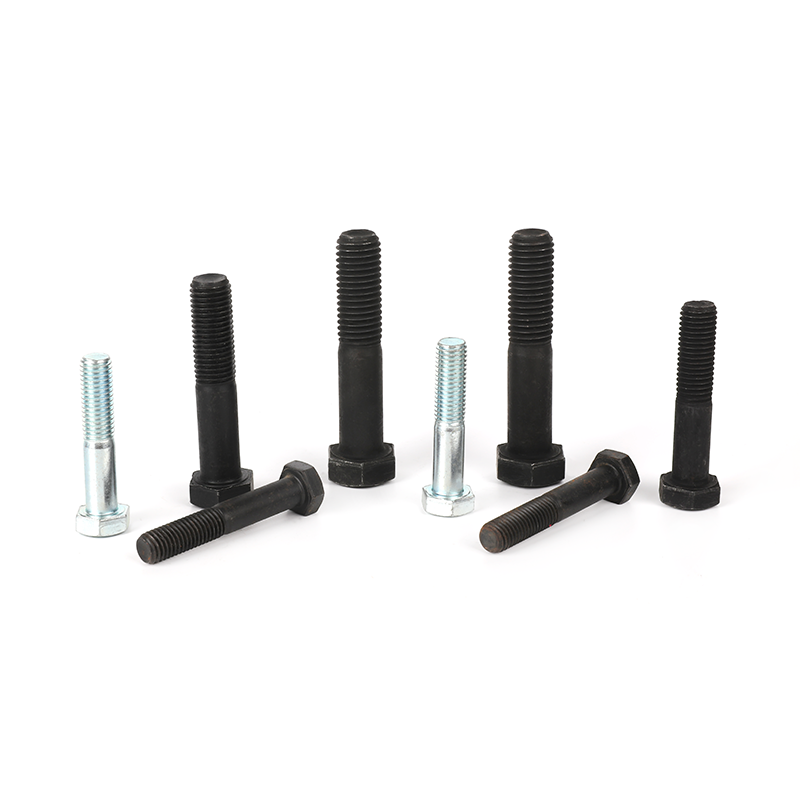
This product is made of high-quality carbon steel and undergoes a rigorous heat treatment process. It has high strength, good elasticity and toughness...
See Details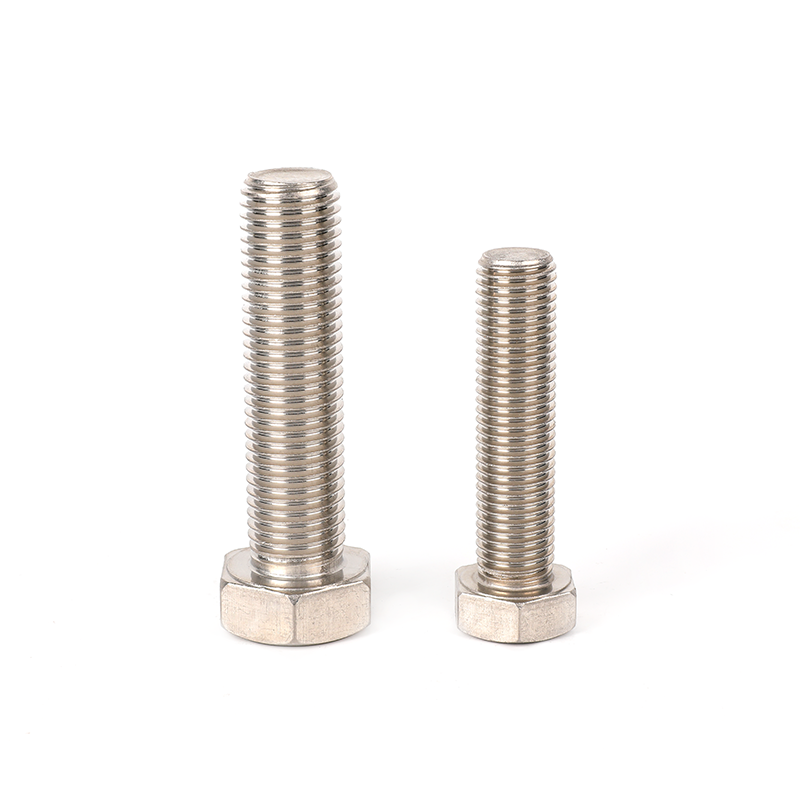
This 304 stainless steel plain full-thread hexagon bolt is a kind of fasteners made of high-quality stainless steel material and has corrosion resista...
See Details
This plain round flat head weld shoulder bolt is a fastener suitable for a variety of welding applications. Its flat head and round head design makes ...
See Details
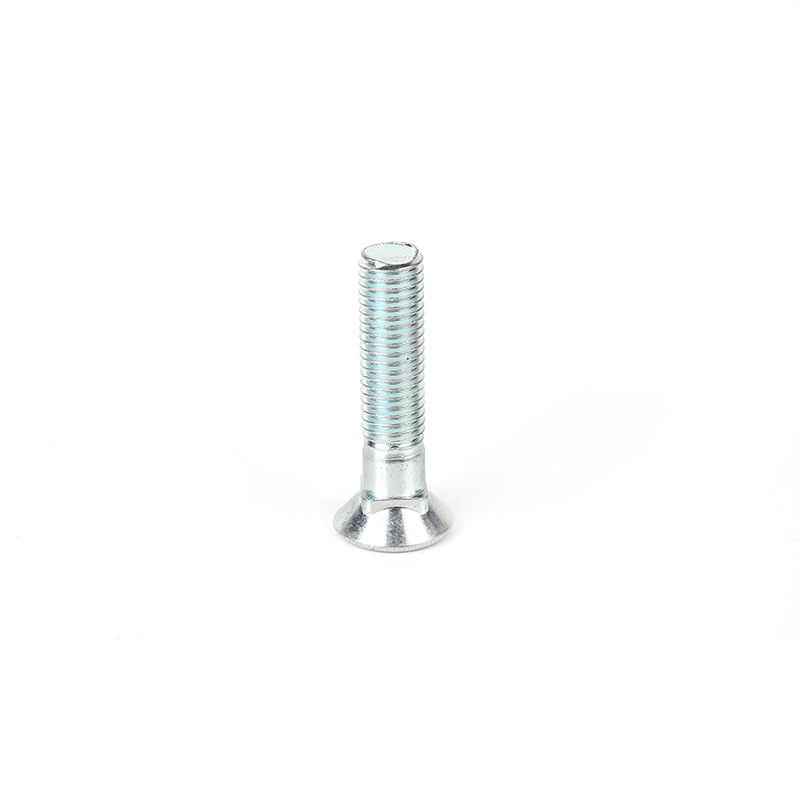
This Grade 12.9 zinc plated countersunk head square neck plow bolt has the advantages of high precision, high operability, high strength, and high ten...
See Details
Room 102, Building 13, Area A, Wanyang Zhongchuang Park, Ganyao Town, Jiashan County, Zhejiang China.
+86-17858810290
+86-573-84648787
product
mobile
