 English
 عربى
Room 102, Building 13, Area A, Wanyang Zhongchuang Park, Ganyao Town, Jiashan County, Zhejiang China.
News
Home / News / Industry News / Coarse vs Fine Thread: Understanding the Difference in Fit and Strength
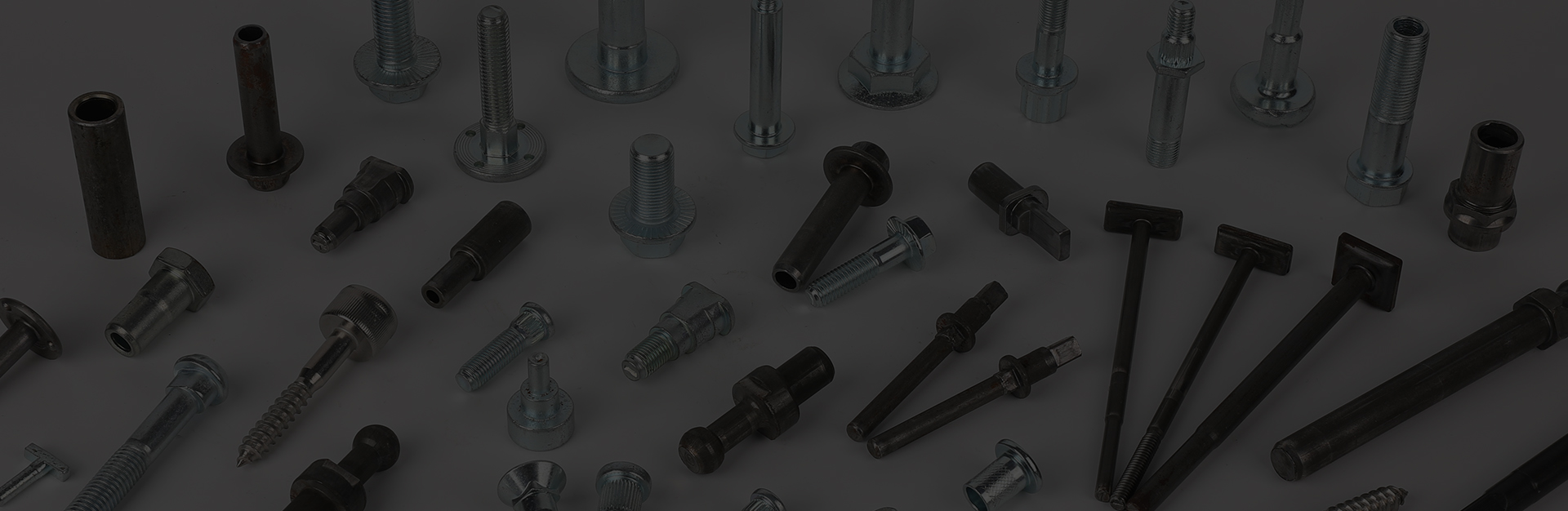
A maintenance team once replaced a failed M10 bolt with a part from the same bin, only to find that the nut would not seat. The diameter was correct; the pitch was not. The original was M10 x 1.25 fine, and the replacement was M10 x 1.5 coarse. That small difference changed the assembly, the clamp load, and the risk of a return visit.
For most general fastening, coarse threads are the safer default: they start faster, tolerate dirt and minor damage, and are widely available. Fine threads are the better choice when you need more tensile area, finer adjustment, or better vibration behavior in a clean, controlled joint. The rest of the decision comes down to material, wall thickness, galling risk, and how the joint will be serviced.
Content
Thread pitch is the distance from one thread crest to the next. In inch fasteners it is usually expressed as threads per inch, or TPI. In metric fasteners it is the pitch in millimetres. A coarse thread has a larger pitch and fewer threads per inch; a fine thread has a smaller pitch and more threads per inch. For example, a 1/2-13 UNC bolt is coarse, while a 1/2-20 UNF bolt is fine. An M10 coarse bolt uses a 1.5 mm pitch, while common M10 fine versions use 1.25 mm or 1.0 mm.
That geometry changes more than the number of turns to tighten. For a given nominal diameter, a fine thread has a shallower thread depth and a larger minor diameter. A coarse thread cuts deeper into the material and leaves a larger gap between crests. Those differences drive strength, installation feel, damage tolerance, and the amount of wall thickness needed around a tapped hole.
| Consideration | Coarse thread | Fine thread |
|---|---|---|
| Geometry | Larger pitch; fewer threads per inch; deeper thread form. Examples: M10 x 1.5, 1/2-13 UNC. | Smaller pitch; more threads per inch; shallower thread form. Examples: M10 x 1.25, 1/2-20 UNF. |
| Tensile strength | Lower stress area for the same nominal diameter, though often sufficient for the joint. | Higher stress area because the minor diameter is larger; useful in high-tension joints. |
| Installation | Faster to start and run down; more forgiving of misalignment, dirt, and minor thread damage. | Slower and more sensitive to cross-threading; needs clean, well-aligned threads. |
| Galling and vibration | Lower galling risk in stainless and other difficult materials; larger lead angle can loosen more easily under vibration. | Higher galling risk when lubrication and fit are poor; lower lead angle can help in vibration-prone joints, but locking features are still needed. |
| Wall thickness and adjustment | Requires more wall thickness around a tapped hole; adjustment is coarser per turn. | Allows thinner walls and finer adjustment; common in precision and thin-wall assemblies. |
Fine threads are often described as stronger, and that is true in one specific sense: for the same nominal diameter and material, a fine thread usually has a larger tensile stress area, so it can carry more axial load before the bolt breaks. The shallower thread also reduces stress concentration, which can improve fatigue life in a well-controlled joint.
That does not make fine thread the automatic choice. In soft aluminium, castings, plastics, or thin sheet, a coarse thread may resist pull-out better because the deeper thread engages more material between crests. Coarse threads are also less likely to be damaged during handling and assembly, which matters when a joint will be serviced in the field. The real question is whether the joint is limited by bolt tensile strength, thread strip-out in the parent material, fatigue, or assembly damage. A high-strength fine bolt in a soft, shallow boss can still fail at the threads.
On a production line, coarse threads usually win on cycle time. The larger pitch means fewer turns from hand-start to final torque, and the thread form is more forgiving if a nut is slightly misaligned. In dirty, painted, or galvanized assemblies, coarse threads also tolerate coating build-up and minor nicks better. Fine threads demand cleaner handling: a single burr or a grain of blasting media can start a cross-thread, and stainless fine threads are more prone to galling when torque is applied dry or too quickly.
That does not mean fine threads are fragile in every case. With proper lubrication, controlled speed, and correct fit, they work reliably in engine, hydraulic, and instrument assemblies. The risk rises when the same fine-thread joint is repeatedly assembled in the field without inspection. If a thread is damaged, repairing a fine pitch is less forgiving than chasing a coarse thread.
Fine threads have a lower helix angle, so they can feel less prone to loosening in vibration-prone joints, and they give finer adjustment per turn. That is why they appear in precision devices, automotive components, and hydraulic connections. However, no thread pitch replaces proper preload, a locking feature, or a controlled torque procedure. A coarse-thread bolt with adequate preload and a good locking method can be more reliable than a fine-thread bolt that is under-torqued.
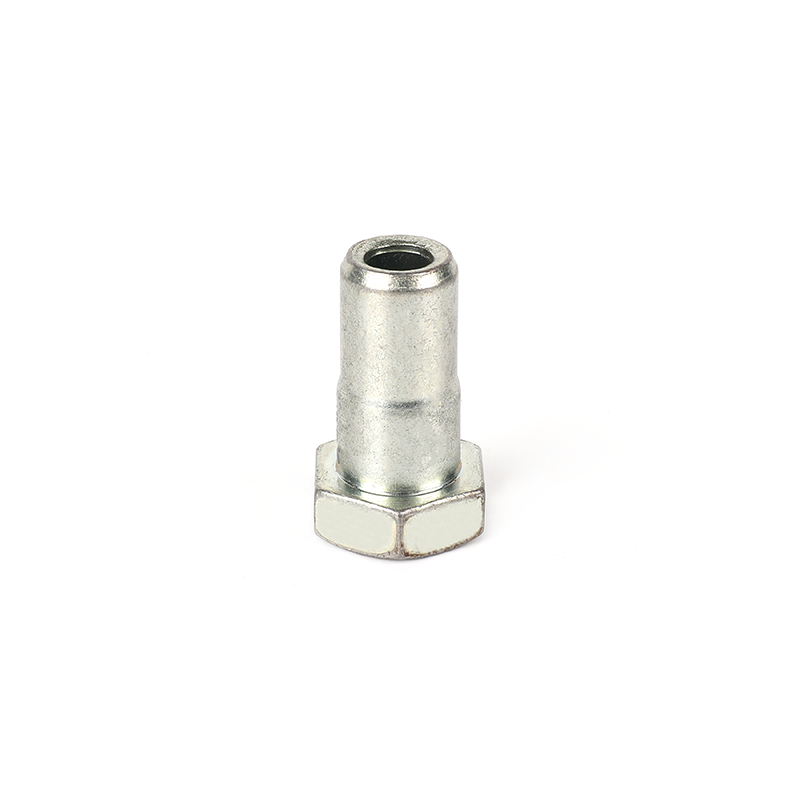 Custom Hollow Hex Head Oil Pipe BoltsCustom carbon steel hollow hex bolts for pipeline connections, useful when matching thread pitch to an oil-pipe joint and maintenance needs.View Product →
For joints that are opened often, coarse threads are usually more practical. They are easier to clean, less likely to gall, and more tolerant of a hurried reassembly. Fine threads are better reserved for joints where the adjustment or the higher stress area is genuinely needed, and where the maintenance procedure supports careful handling.
Coarse threads are common in structural bolting, anchor fixings, general machinery, brackets, and outdoor equipment because they assemble quickly and tolerate real-world conditions. Fine threads are common in automotive fasteners, hydraulic and oil-pipe connections, thin-wall bosses, and precision adjustment points because they provide more threads engaged, a larger stress area, or finer control. The application should choose the thread, not a catalogue default.
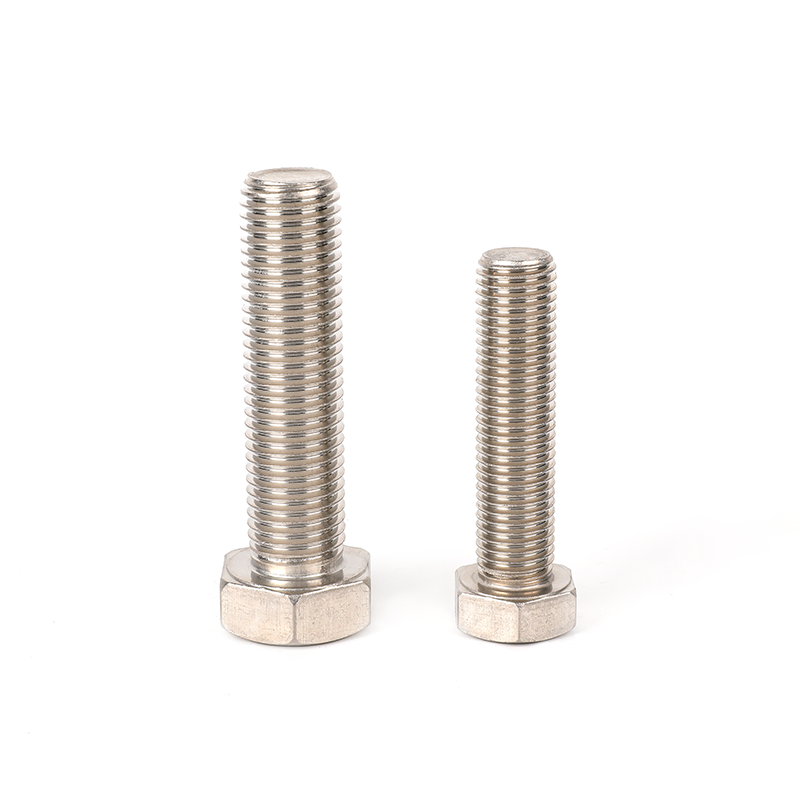 304 Stainless Steel Full-Thread Hex Head BoltsCorrosion-resistant 304 stainless steel full-thread hex bolts for general assembly, a practical choice for coarse-thread structural and equipment joints.View Product →
In a mixed product range, that often means matching the thread to the joint rather than forcing one pitch across the whole bill of materials. A standard 304 stainless hex bolt may be specified with a coarse thread for general assembly, while a custom hollow bolt for an oil-pipe connection may need a fine pitch to suit the mating component and sealing arrangement. A photovoltaic bracket bolt may stay coarse for fast site installation, while an automotive shoulder bolt may use a fine thread where clamp load and adjustment matter.
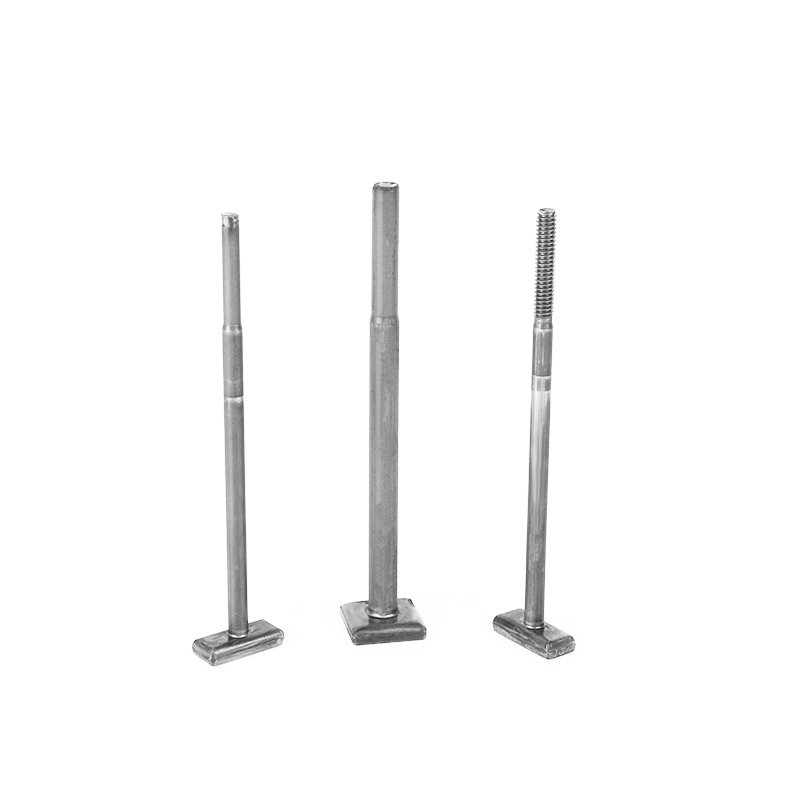 Custom Quenched T-Shaped Square Head PV BoltsCustom M6 PV bracket bolts with quenched T-shaped square heads for secure solar mounting; confirm mating thread and drawing details before ordering.View Product →
For buyers working across standard and custom nonstandard parts, the practical move is to confirm the mating thread at the drawing stage. The same nominal diameter can have several fine pitches, and a supplier cannot safely guess which one the joint needs.
A thread callout should leave no room for interpretation. “M10 fine” is not enough, because more than one fine pitch exists. Write the standard, nominal size, pitch or TPI, and fit class where it matters. For critical joints, add the material, coating, and inspection method.
Those steps are basic, but they prevent the most common thread problem in purchasing: a correct diameter with the wrong pitch. They also make it easier to compare quotes, because a supplier can see whether the part is a standard coarse item or a controlled fine-thread component.
Choose coarse thread when speed, durability, contamination tolerance, and easy field service matter most. Choose fine thread when the joint needs more tensile area, finer adjustment, thinner walls, or better vibration behavior, and when the assembly process can keep the threads clean and undamaged. If the joint is critical, confirm the pitch with a gauge and a drawing before the first production run. A thread is only a small feature on the fastener, but it decides whether the part assembles, stays tight, and comes apart without damage.
For a manufacturer with both standard and custom product lines, that distinction belongs in the RFQ, not in a last-minute shop-floor decision. A clear thread specification protects clamp load, reduces rework, and keeps the right bolt in the right bin. More detail on the factory and its manufacturing background is available for buyers who need to match a thread callout to a specific production route.
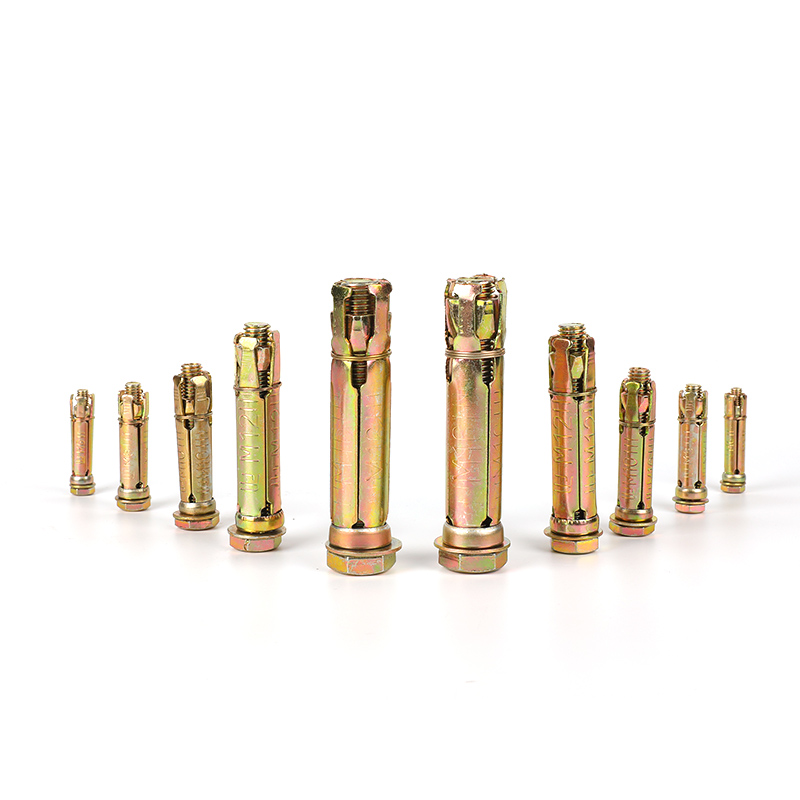
Fix anchorbolts include bolts, washers, nuts and 4PCS cylindrical shields. By tightening the bolts, the shields tubes expand and the components can be...
See Details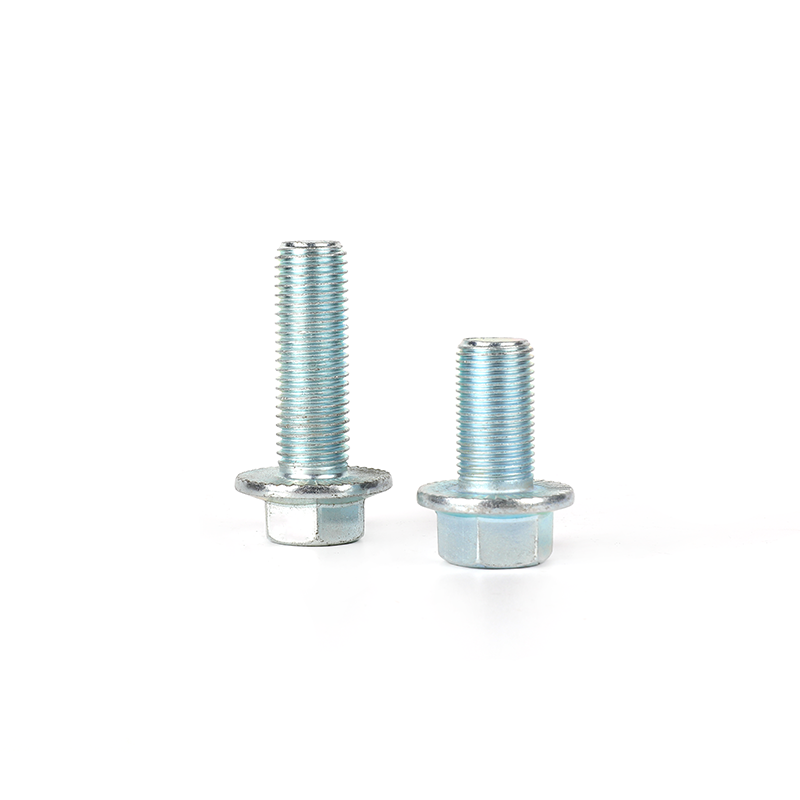
Flange bolts are specially used to tightly connect pipes and components with flanges. We produce flange bolts are solid t and durablethat, compling wi...
See Details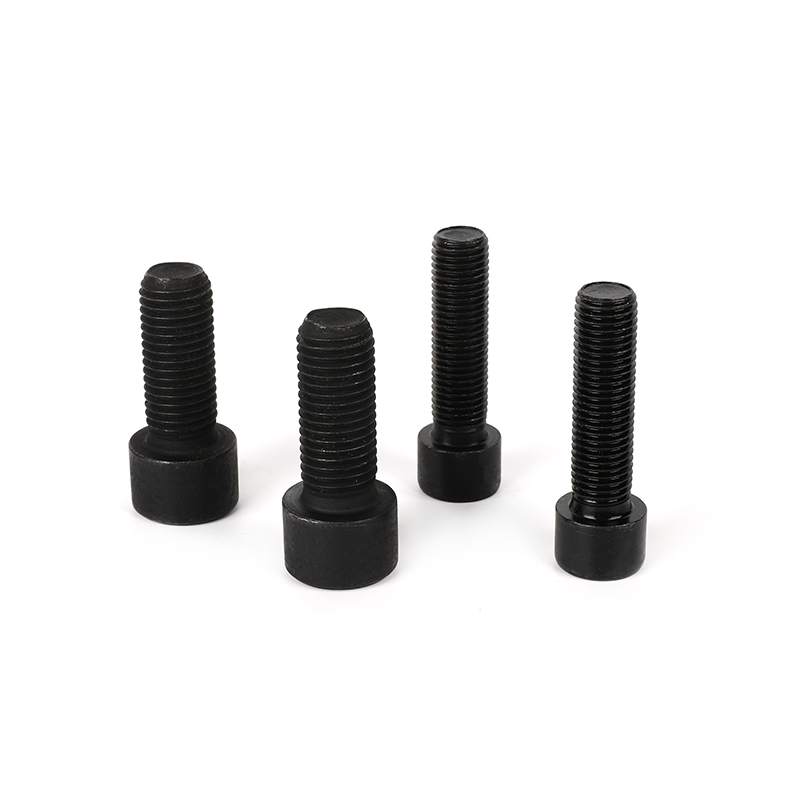
The Grade 8.8 black oxide full-thread hexagon socket bolts have an internal hex design and needs to be used with a wrench with a hex head. Its full th...
See Details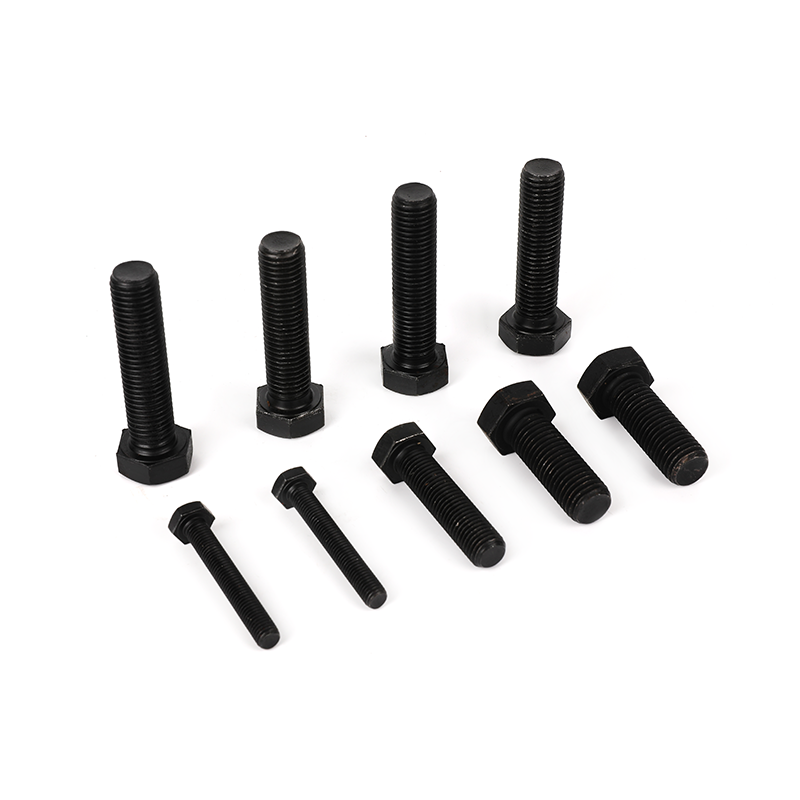
Grade 8.8 black oxide full-thread hexagon bolts is a very common fastener and requires a wrench or hex wrench to tighten it. Our hex head bolt meet th...
See Details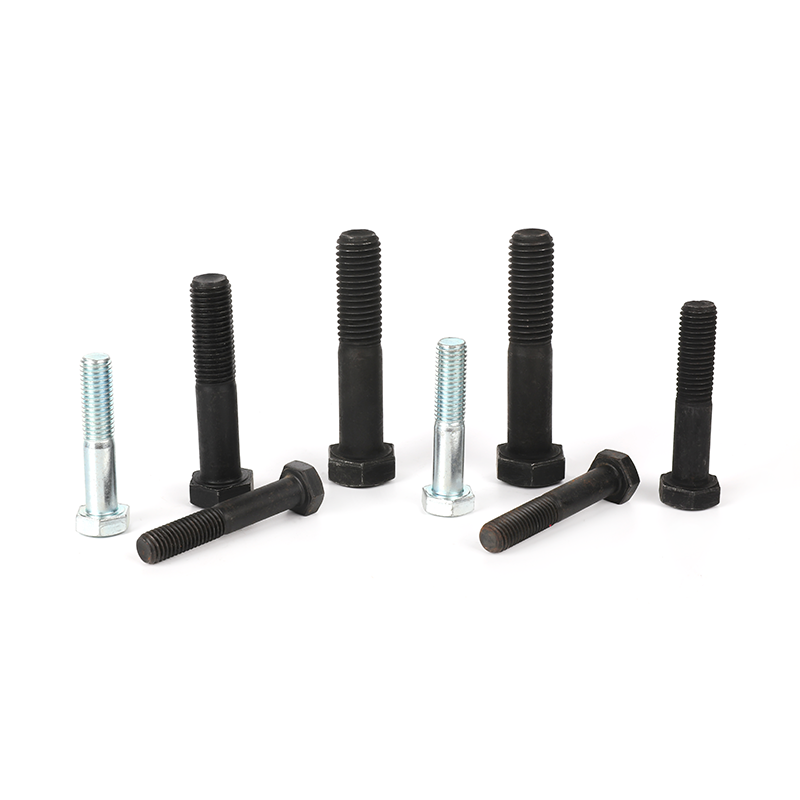
This product is made of high-quality carbon steel and undergoes a rigorous heat treatment process. It has high strength, good elasticity and toughness...
See Details
This 304 stainless steel plain full-thread hexagon bolt is a kind of fasteners made of high-quality stainless steel material and has corrosion resista...
See Details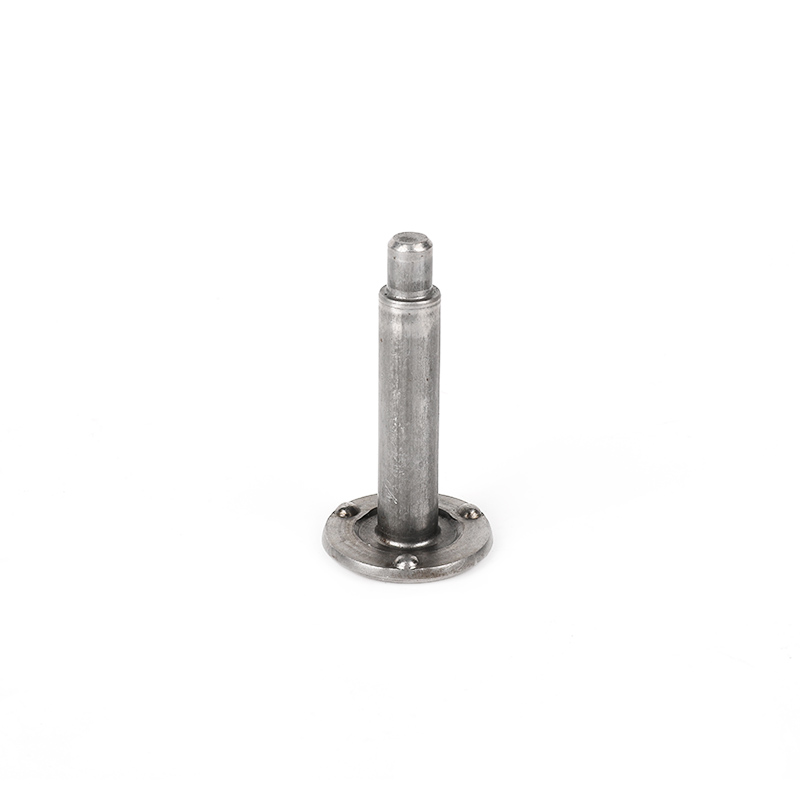
This plain round flat head weld shoulder bolt is a fastener suitable for a variety of welding applications. Its flat head and round head design makes ...
See Details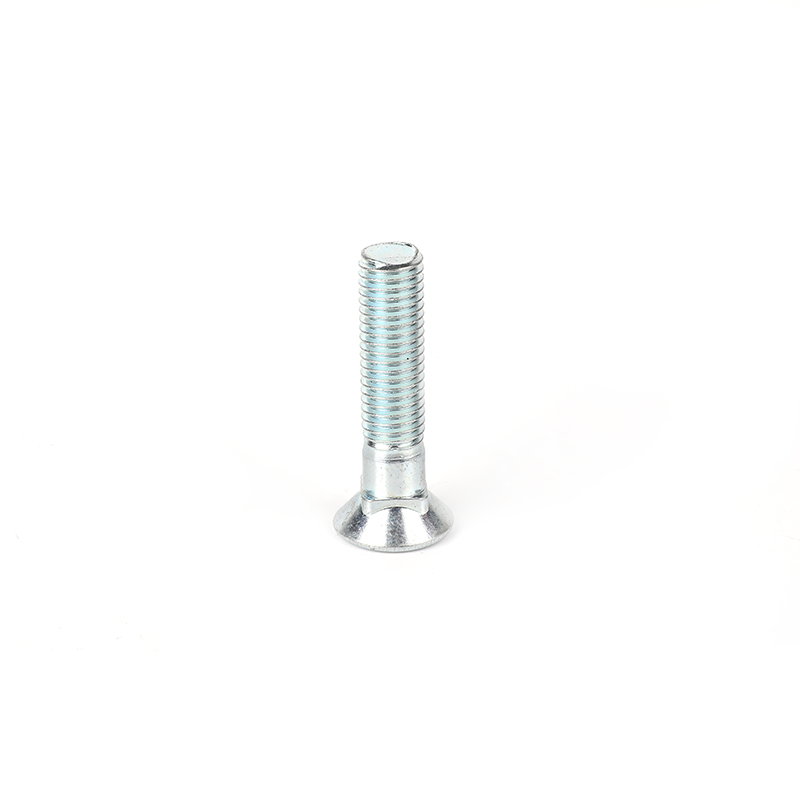
This Grade 12.9 zinc plated countersunk head square neck plow bolt has the advantages of high precision, high operability, high strength, and high ten...
See Details
Room 102, Building 13, Area A, Wanyang Zhongchuang Park, Ganyao Town, Jiashan County, Zhejiang China.
+86-17858810290
+86-573-84648787
product
mobile
