 English
 عربى
عربى
Room 102, Building 13, Area A, Wanyang Zhongchuang Park, Ganyao Town, Jiashan County, Zhejiang China.
News
Home / News / Industry News / Cold Heading Process: How Wire Becomes a Precision Fastener in Seconds
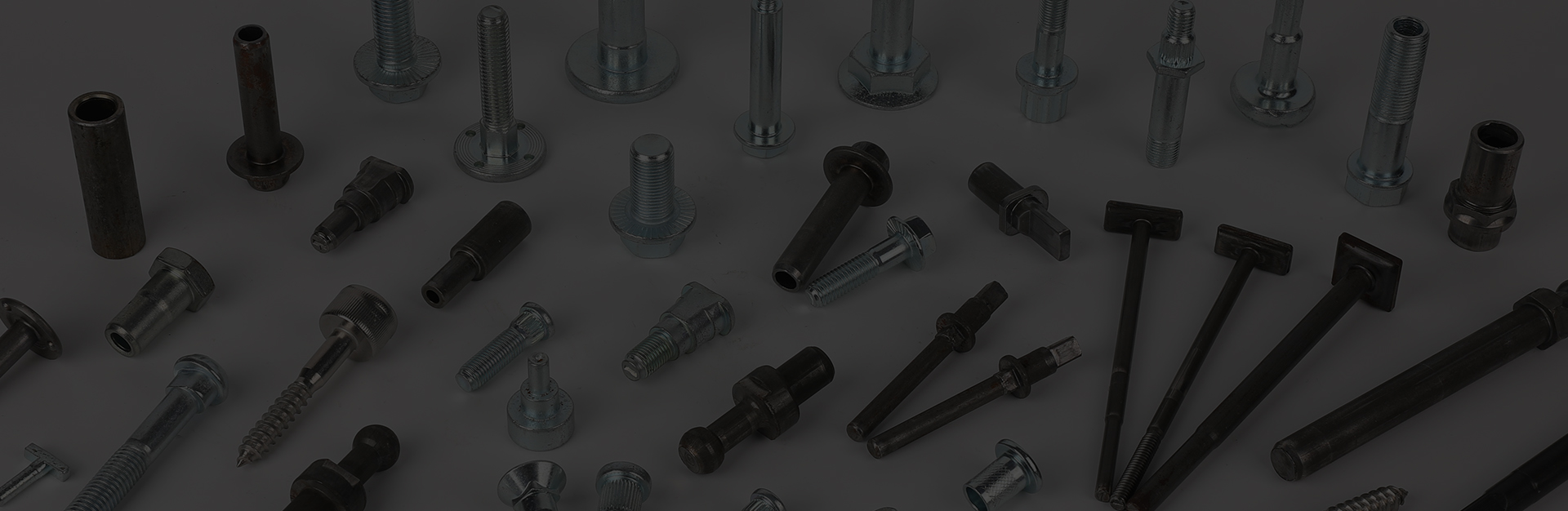
If a fastener quotation comes back at a fraction of a machining price, the difference is almost always the cold heading process. A multi-station cold header pulls coiled wire, shears a slug of exactly the right volume, and upsets it into shape inside closed dies at room temperature, often at 100 to 400 pieces per minute with almost no scrap.
That is the short answer, and it explains the three things buyers care about: material yield stays close to 100 percent, fatigue strength rises because grain flow follows the part rather than being cut across it, and unit cost collapses once tooling is amortized. The harder questions are narrower. How many blows does a given geometry need? How much deformation will the wire take before it cracks? Which tolerances can be held without a second operation?
Content
A cold header is not a single press. It is a chain of operations completed in well under a second, and each step prepares the metal for the next. The sequence below is typical for a three-die, four-blow machine running a hex bolt from 5.5 mm to 8 mm low-carbon wire.
Wire leaves the coil, passes through straightening rolls, and is pulled forward by feed rolls that measure the exact slug length. A cut-off knife then shears the wire against a cut-off die. That sheared face matters more than it looks: an angled or burred cut becomes a lap or a fold three blows later, and no finishing operation removes it afterwards.
The first blow squares the slug and pre-shapes it to a diameter that will sit in the next die without buckling. The second blow upsets the head and reduces the shank by extrusion. The third blow finishes the head, washer face, and chamfer. Parts with a long shank under a large head, such as stepped shoulder bolts and T-head bolts, usually need the extra stations because each blow can only move so much metal at once.
Solid parts are trimmed to remove flash; hollow parts are pierced with a punch that pushes a slug out of the shank. Threads are rolled between flat or cylindrical dies, which displaces metal instead of cutting it and leaves the grain running continuously through the thread roots.
Machining a bolt from bar stock cuts the grain. Every thread root and every fillet ends up with the metal fibers running across the stress path, which is exactly where fatigue cracks begin. Cold heading does the opposite: fibers bend around the head-to-shank fillet and run parallel to the shank, so a crack has to cross the grain instead of following it.
Cold working also raises strength. Low-carbon and boron steels such as 10B21 work-harden enough that a formed bolt reaches grade 8.8 after quenching and tempering, and austenitic stainless such as 304 gains measurable yield strength simply from deformation. That is also why rolled threads tolerate higher preload than cut threads of the same nominal size. The thread geometry is stronger, not merely smoother.
Every material has a limit on how far it can be pushed in one blow. As a rule of thumb, an unsupported shank can be upset to roughly 2.5 times its original diameter before it buckles; supporting the shank inside a die raises that ceiling but adds tooling and cost. Exceed the limit and the failure is predictable: chevron cracks inside the shank during backward extrusion, laps where the outer surface folds over itself, or shear cracks running from the sheared end of the slug.
Lubrication is the other hard limit. Carbon steel is normally phosphate-coated and soaped so the coating carries lubricant into the die under pressure. Stainless steel does not accept that coating well and needs oxalate or chlorinated lubricants, which run slower and cost more. Aluminum forms cleanly but galls quickly. When a part is described as impossible to cold head, the cause is usually one of three things: too much deformation in a single station, the wrong lubricant carrier, or wire with inconsistent diameter from the mill.
Hollow parts sit right at the edge of that envelope. Backward extrusion forms the bore while the outside diameter is confined by the die, then a punch pierces through the remaining web, leaving a seamless wall.
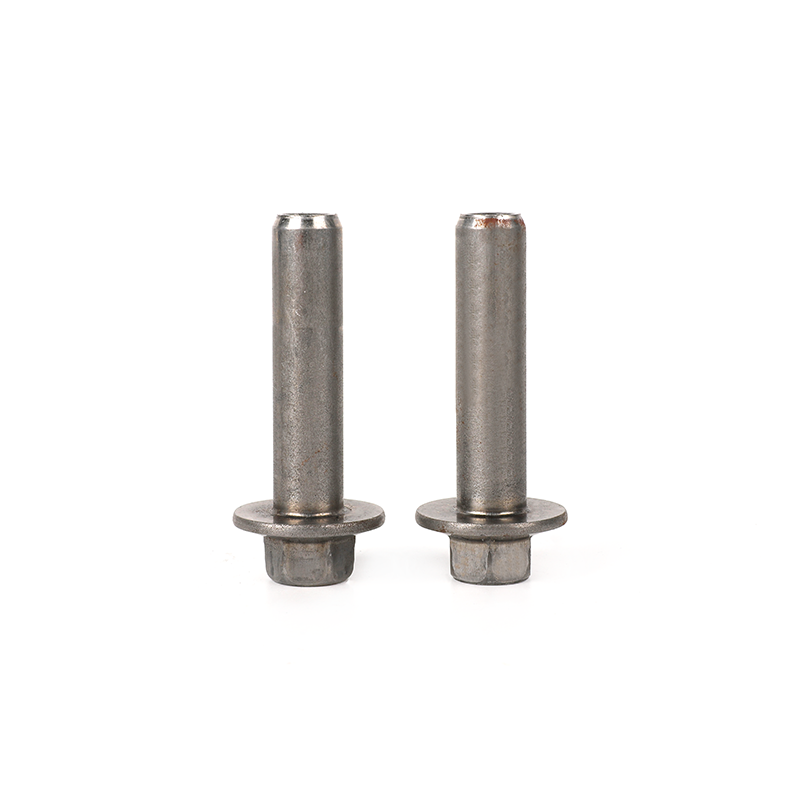 Customized Hollow Flange Bolt for Oil Pipe ConnectionsHollow flange bolt for oil pipe connections, suited to cold-headed production, offered in M12 x 55 mm carbon steel with customizable size, grade, and finish.View Product →
Cold heading is cheap per part and expensive per setup. Tooling for one part can run from a few thousand to well over ten thousand dollars depending on the number of dies, carbide inserts, and whether piercing or trimming stations are required. That cost only makes sense when it is spread across a production run, which is why the process dominates at volumes in the tens of thousands and loses to machining at volumes in the hundreds.
| Route | Material yield | Typical output | Effect on strength | Tooling cost |
|---|---|---|---|---|
| Cold heading | 95-99 percent | 100-400 pieces per minute | Increases through grain flow and work hardening | High, amortized over volume |
| Screw machining | 50-70 percent | 10-60 pieces per minute | Neutral, or reduced at thread roots | Low |
| Hot forging | 85-95 percent | 30-90 pieces per minute | Neutral, requires later heat treatment | Moderate to high |
The exact numbers move with part size and grade, but the pattern holds. Where cold heading loses on paper is usually a part that needs secondary machining anyway: a tight cross-hole, a milled flat, or a bore tolerance the die cannot hold. Those features are cheaper to add after forming than to force into the die.
Most arguments between buyer and supplier trace back to a drawing that does not state what actually matters. A usable cold heading drawing normally pins down the following:
On the production floor, inspection follows the same logic. First-off samples are checked for head height, shank diameter, and thread gauging. In-process checks catch die wear before it drifts out of tolerance. A final visual pass looks for laps, cracks, and underfilled heads. For safety-critical parts, crack detection and hardness testing after heat treatment are standard rather than optional.
Because tooling and process are so tightly coupled, a supplier's control over its own dies matters as much as the machine itself. A manufacturer that cuts its own tooling and runs the headers in-house can adjust a blow sequence when a lot starts cracking, instead of sending the problem back to a third party. That is the practical reason to look at factory background before the price sheet. Die stations, wire inventory, and heat treatment partners all show up in the first weeks of production.
For non-standard geometries, the conversation should start with the drawing and the application rather than a catalog number. Custom fastener development works best when the supplier knows the load path, the mating material, and the assembly torque, because those details decide the wire grade, the number of blows, and the coating.
Grade selection follows the same rule. Parts that will see high preload or vibration, including photovoltaic mounting hardware, chassis brackets, and pressure fittings, usually justify boron or alloy steel that is quenched and tempered after forming, with a coating matched to the environment.
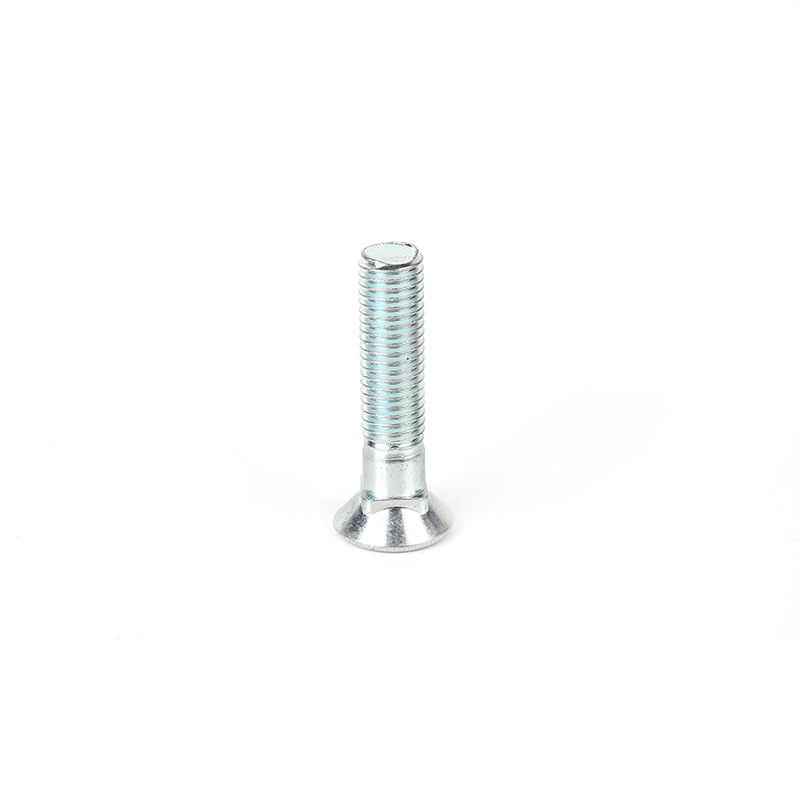 Grade 12.9 Zinc Plated Countersunk Square Neck Plow BoltHigh-strength countersunk square-neck plow bolt for photovoltaic fastening, listed as M12 x 45 mm with zinc plating and custom size, grade, and finish options.View Product →
Cold heading rewards buyers who understand where it works and where it stops. Define the wire grade, keep critical tolerances realistic, and separate the features that must be formed from the ones that can be machined afterwards. Do that, and the process delivers what it promises: near-zero scrap, stronger parts, and unit costs that machining cannot match at volume.
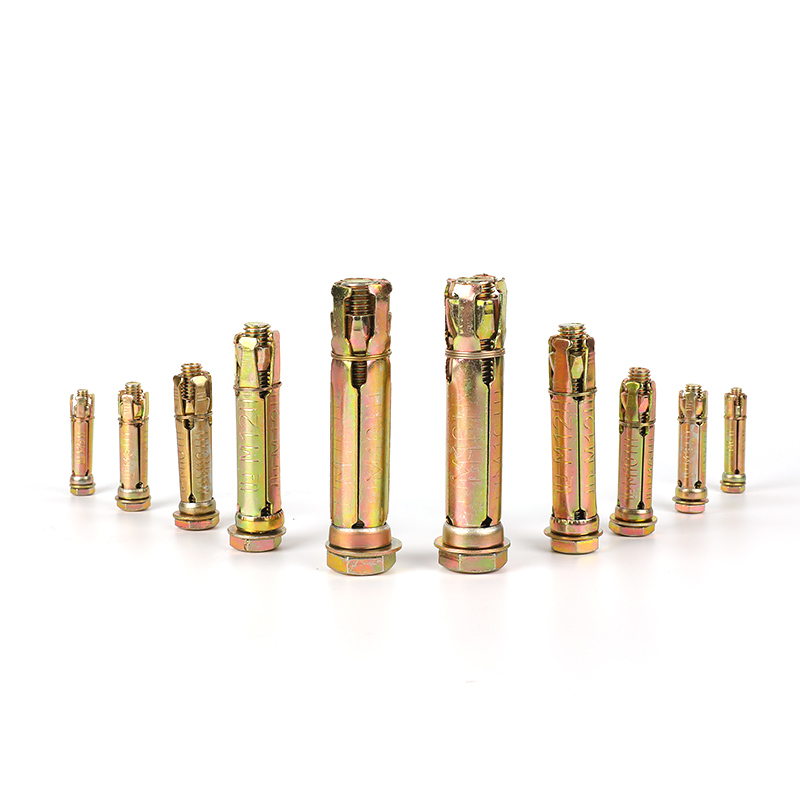
Fix anchorbolts include bolts, washers, nuts and 4PCS cylindrical shields. By tightening the bolts, the shields tubes expand and the components can be...
See Details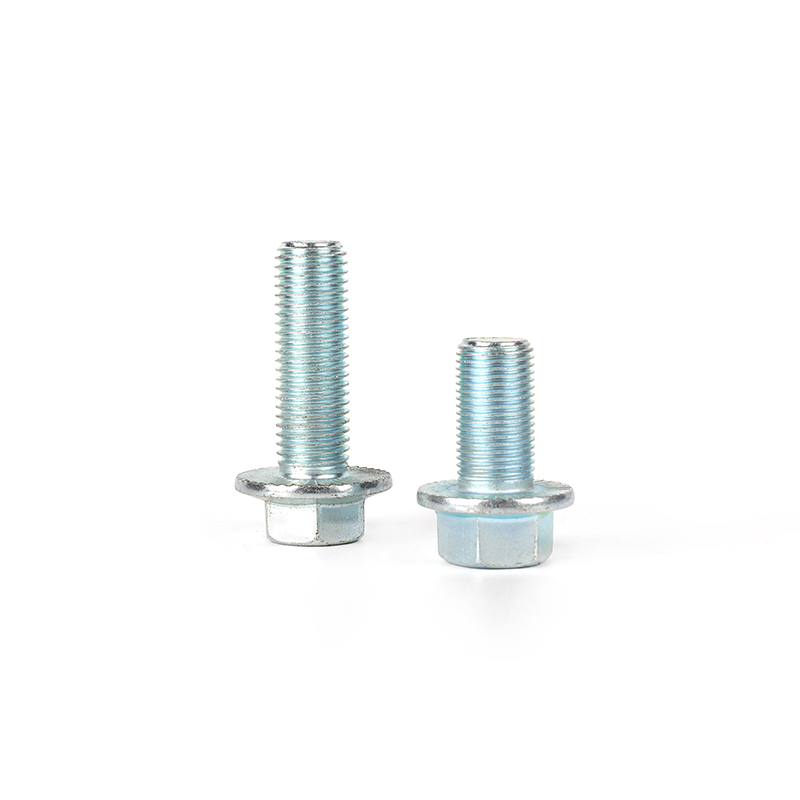
Flange bolts are specially used to tightly connect pipes and components with flanges. We produce flange bolts are solid t and durablethat, compling wi...
See Details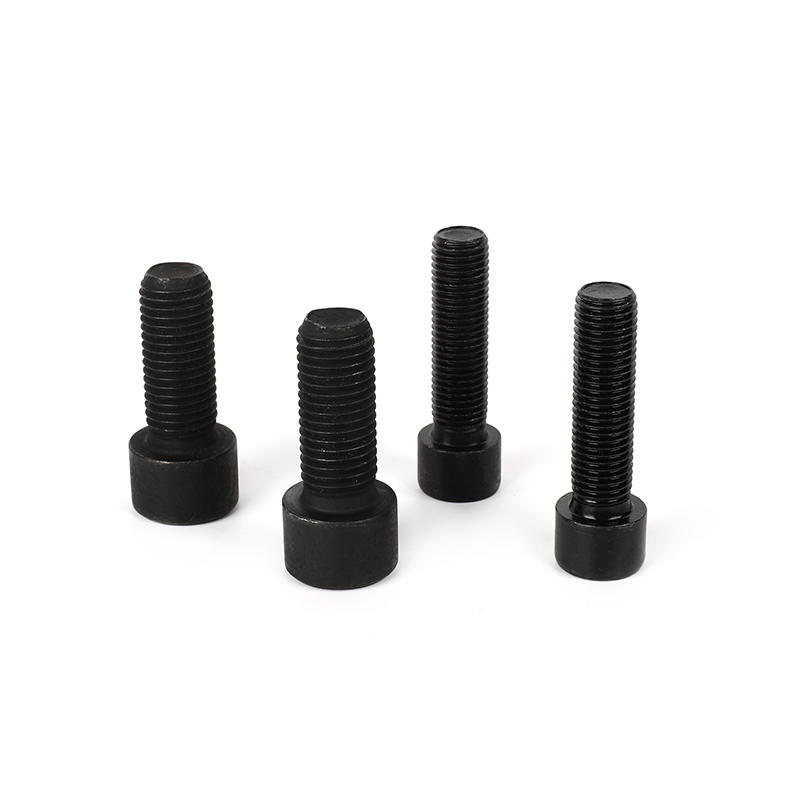
The Grade 8.8 black oxide full-thread hexagon socket bolts have an internal hex design and needs to be used with a wrench with a hex head. Its full th...
See Details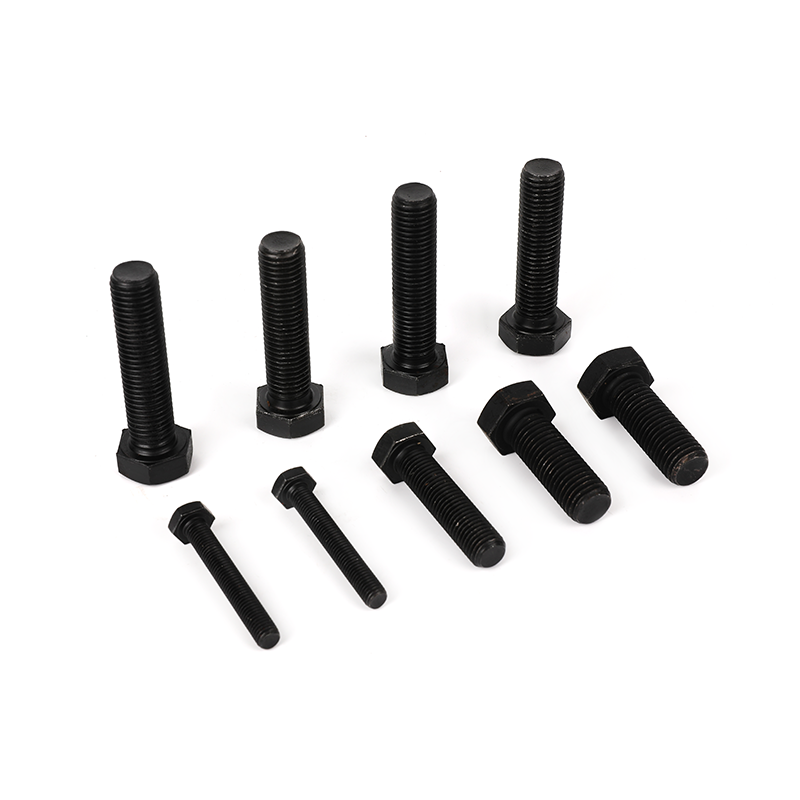
Grade 8.8 black oxide full-thread hexagon bolts is a very common fastener and requires a wrench or hex wrench to tighten it. Our hex head bolt meet th...
See Details
This product is made of high-quality carbon steel and undergoes a rigorous heat treatment process. It has high strength, good elasticity and toughness...
See Details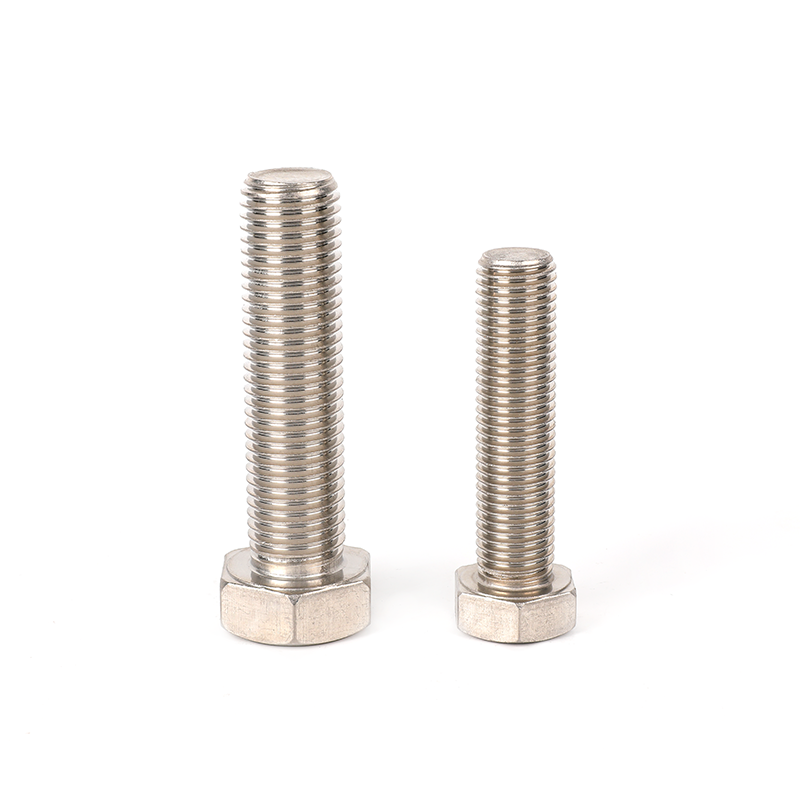
This 304 stainless steel plain full-thread hexagon bolt is a kind of fasteners made of high-quality stainless steel material and has corrosion resista...
See Details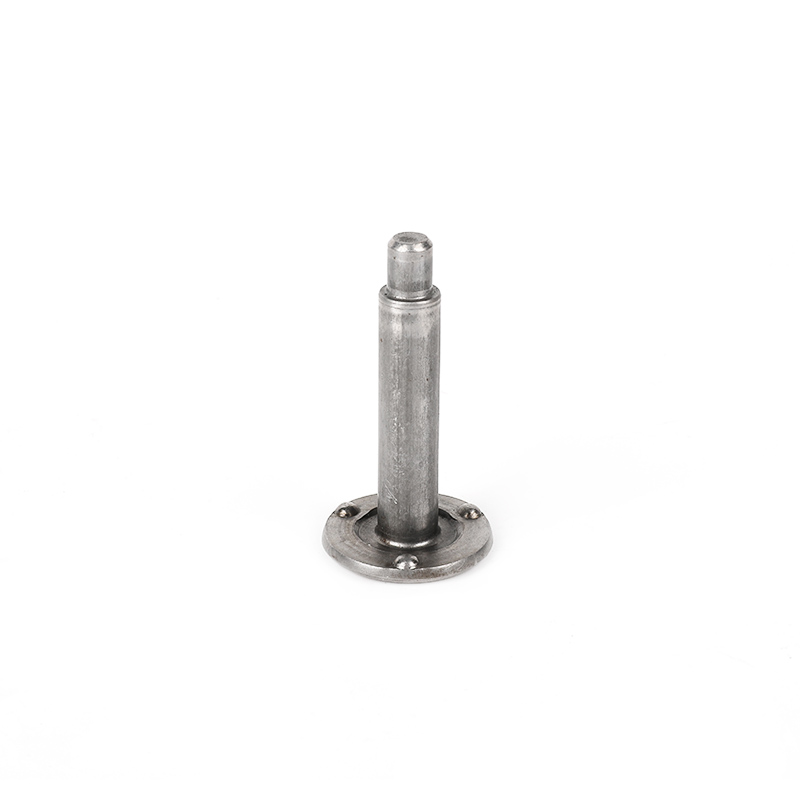
This plain round flat head weld shoulder bolt is a fastener suitable for a variety of welding applications. Its flat head and round head design makes ...
See Details
This Grade 12.9 zinc plated countersunk head square neck plow bolt has the advantages of high precision, high operability, high strength, and high ten...
See Details
Room 102, Building 13, Area A, Wanyang Zhongchuang Park, Ganyao Town, Jiashan County, Zhejiang China.
+86-17858810290
+86-573-84648787
product
mobile
