 English
 عربى
عربى
Room 102, Building 13, Area A, Wanyang Zhongchuang Park, Ganyao Town, Jiashan County, Zhejiang China.
News
Home / News / Industry News / Custom Fasteners: How to Specify Non-Standard Bolts and Screws Correctly
An M8 x 40 hex bolt almost always fits, until the joint gets specific. Add a washer and a lock nut to a bracket with a 22 mm grip length and that bolt either bottoms out in a blind hole or leaves three engaged threads inside an aluminum casting. Multiply the problem by 40,000 assemblies a year and a thirty-cent catalog part turns into a redesign, a scrap pile, or a warranty claim.
Custom fasteners solve that class of problem more often than most buyers expect, and less often than most catalog pages suggest. The decision comes down to four questions: can a standard part be modified, how much of the geometry needs dedicated tooling, what is the realistic annual volume, and which properties the joint truly needs, whether that is corrosion resistance, fatigue life, fluid passage, or tamper resistance. Answer those first, and a custom part often costs less than the workaround it replaces.
Content
Standard fasteners are designed around averages, and averages break at the assembly line. The same handful of problems keeps appearing:
None of these are exotic requirements. They are ordinary constraints that surface the moment a joint is engineered rather than assembled from a bin of parts, and the fix is usually a small geometric change rather than a new fastening concept.
The word custom makes buyers picture a new die and a six-month program. Most custom fastener work sits at one of three levels, and each carries a different tooling and lead-time profile.
One or two dimensions change: a longer or shorter thread length, a reduced shank, a drilled head for safety wire, a machined flat. Tooling cost is low or zero because the die already exists, and lead time is normally measured in weeks.
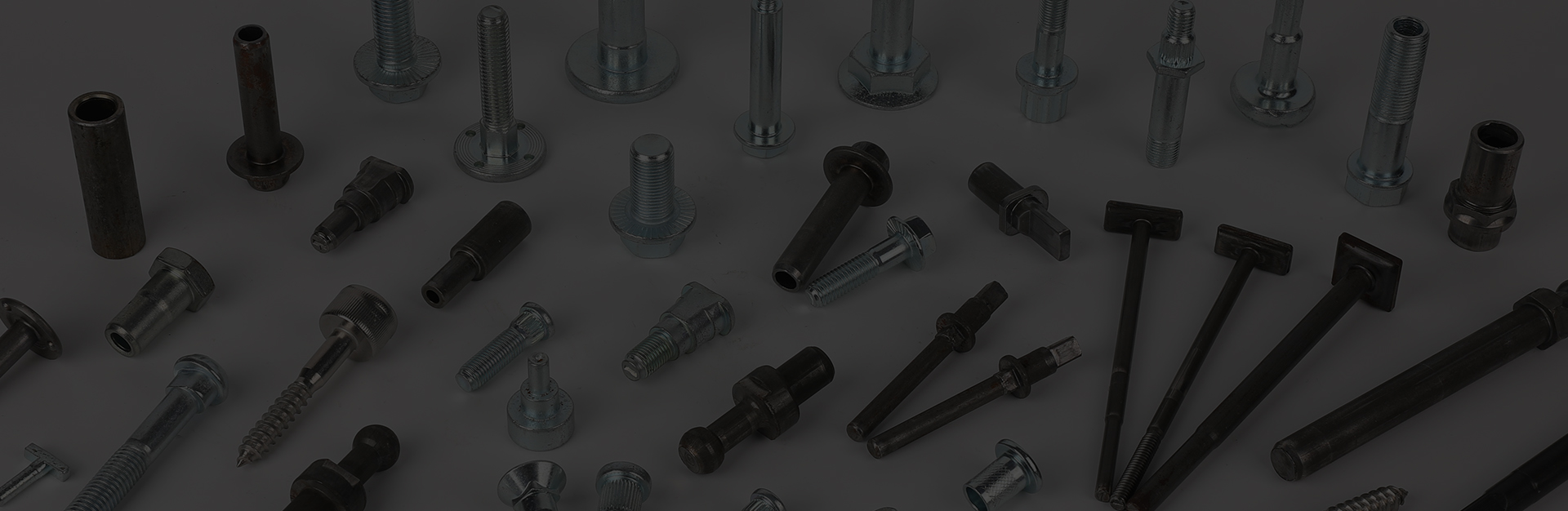
The geometry comes straight from the customer drawing: a stepped shoulder bolt, a T-shaped square head bolt for a rail channel, a knurled flat head wheel bolt. These need a dedicated die or a set of inserts, plus a first-article inspection report before the production run starts.
Sometimes the fastener and the joint are rethought together, replacing three components with one shoulder bolt or converting a welded stud into a thread-forming screw. The savings then show up on the assembly line rather than on the fastener invoice.
Put these fields on a single page before requesting a quotation. Most quoting delays and late change orders trace back to a missing or contradictory line in this list.
| Specification field | What to state | Typical options | Effect on cost and risk |
|---|---|---|---|
| Material | Base metal and corrosion requirement | Stainless steel 304, carbon steel, low-alloy steel | A material change can double unit cost and alter the entire finishing route |
| Property class | Tensile strength and hardness class | Grade 8.8, 10.9, or 12.9 | Higher classes demand tighter heat-treat control and carry embrittlement risk after plating |
| Thread | Diameter, pitch, tolerance class, and thread length | Full thread, partial thread, reduced shank, thread-forming | Thread length errors are the most common cause of a rejected first article |
| Head and drive | Head shape, drive type, and neck geometry | Hex head, socket, flange, flat head, T-shaped square head, stepped shoulder | A new head form usually means a new die insert |
| Finish | Coating type and thickness | Bright zinc plating, galvanized, black oxide, plain | Coating thickness changes thread fit, and thicker layers reduce clearance |
| Tolerance | Functional dimensions and inspection method | Per drawing or agreed on the print | Only the dimensions the joint needs should be held tight |
Two fields cause the most trouble in practice: thread length on partially threaded parts, and coating thickness on plated parts. Both are simple to state and expensive to guess. In wet, salty, or chemically active environments, it is also worth reviewing why corrosion-resistant materials matter in harsh environments before the material line is locked.
A custom fastener price is built from three costs that have nothing to do with the price of steel.
Practical thresholds matter more than theory here. If annual demand is a few thousand pieces and the change touches one dimension, modifying a standard part usually wins on both cost and lead time. Above that level, or when two or more dimensions are critical, a dedicated die starts to pay back. Tolerance callouts deserve the same discipline: specify limits where the joint actually functions and leave the rest at commercial tolerance, because a tight callout on a decorative dimension buys nothing and costs real time.
Three application areas generate most of the non-standard work in a fastener shop, and each one has a specific failure that the custom geometry removes.
PV rails and module frames are thin-walled and expected to last 25 years outdoors. A perforated flat head hex neck bolt, a quenched T-shaped square head bolt that slides into a rail channel, or a grade 12.9 countersunk square neck plow bolt all solve problems a standard hex bolt cannot: they resist turning while torque is applied, sit flush against the module, and hold clamp load through daily thermal cycling.
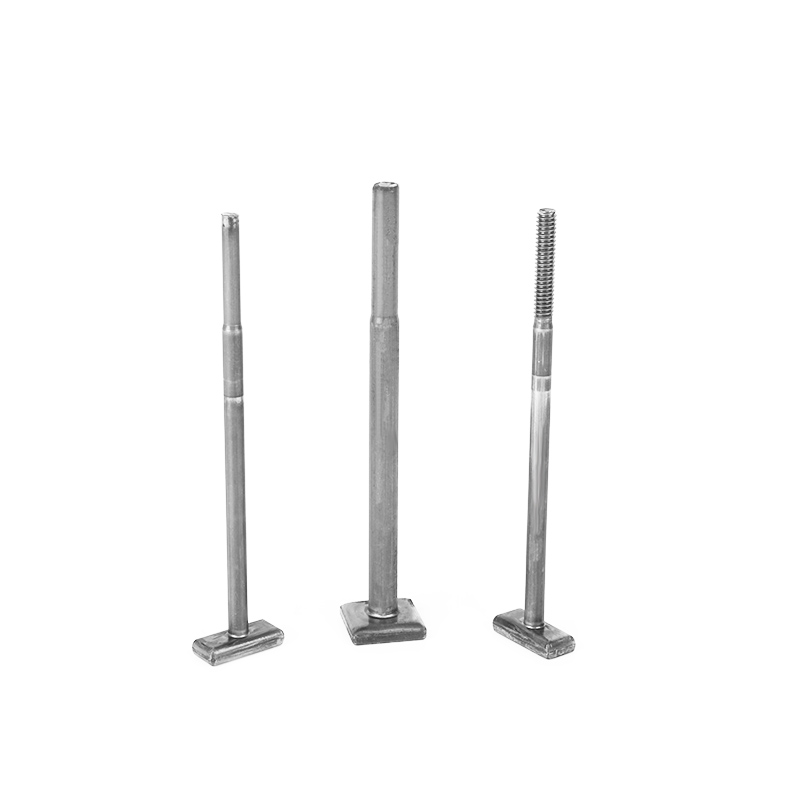 Customizable Quenched T-Shaped Square Head Photovoltaic BoltsDesigned for photovoltaic mounting and structural fastening, these customizable M6 x 135 mm bolts can secure PV brackets and solar panels.View Product →
Wheel hub bolts, side support bracket screws, and antislip socket screws carry loads that combine torque, vibration, and road salt. A knurled flat head with a slot can be held or staked during tightening, and a stepped shoulder bolt locates a side support bracket while controlling clearance in the same operation.
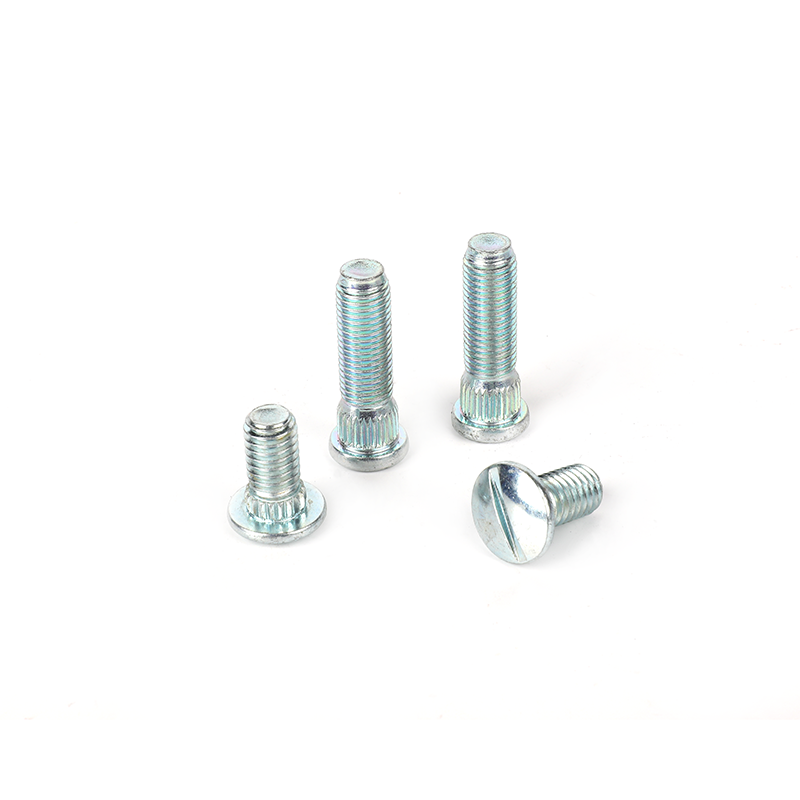 Zinc-Plated Anti-Slip Wheel Hub ScrewsCustom M10 x 28 mm carbon steel wheel hub screws with flat head or slotted knurled design and zinc plating, designed to resist vibration loosening.View Product →
Hollow fasteners allow fluid to pass through the bolt itself, which removes an extra fitting and a potential leak path. A hollow hex head bolt that can be threaded internally, or a hollow flange bolt with a washer face, turns a three-part connection into a single torqued joint.
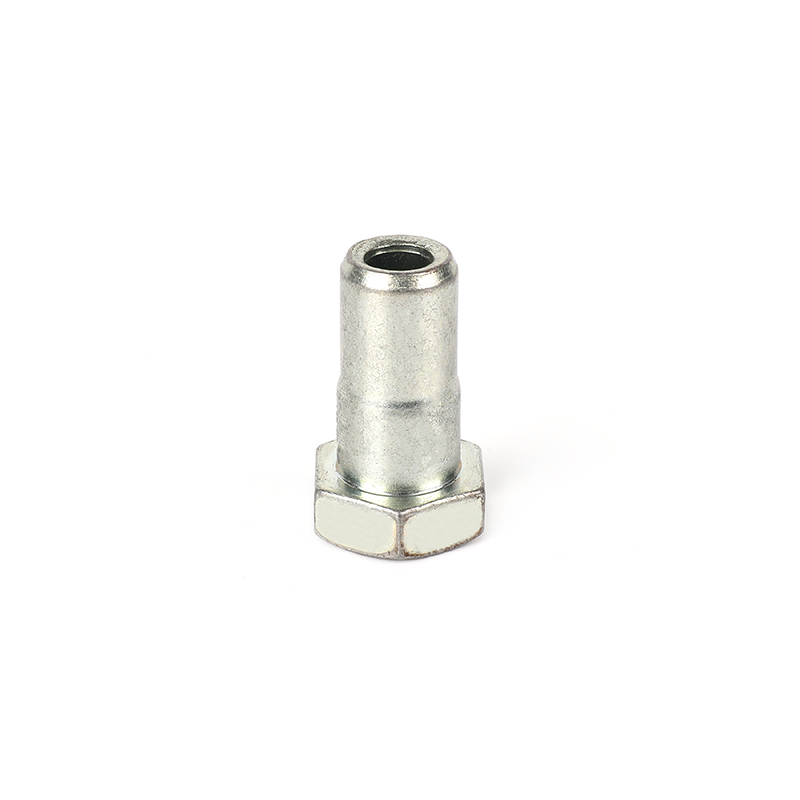 Custom Hollow Hex Head Oil Pipe BoltsM16 x 28 mm carbon steel hollow hex head oil pipe bolts for pipeline connections; customizable and can be threaded for fluid passage.View Product →
Tooling is where a custom program succeeds or fails, so verify these points before the first die is cut.
A manufacturer running an integrated production and trade operation can answer these questions directly from the shop floor, which shortens the loop between a drawing revision and a revised quotation. Buyers who want to see how that works end to end can review the custom manufacturing process before sending an RFQ.
Custom fasteners should be chosen the way any other component is chosen: from the joint outward. Define the grip length, the material pairing, the corrosion exposure, and the torque path first, then decide whether a modified standard part, a made-to-print part, or a full redesign is the cheapest way to hold the assembly together. That order of thinking keeps the tooling budget small, the lead time predictable, and the fastener doing exactly one job well.
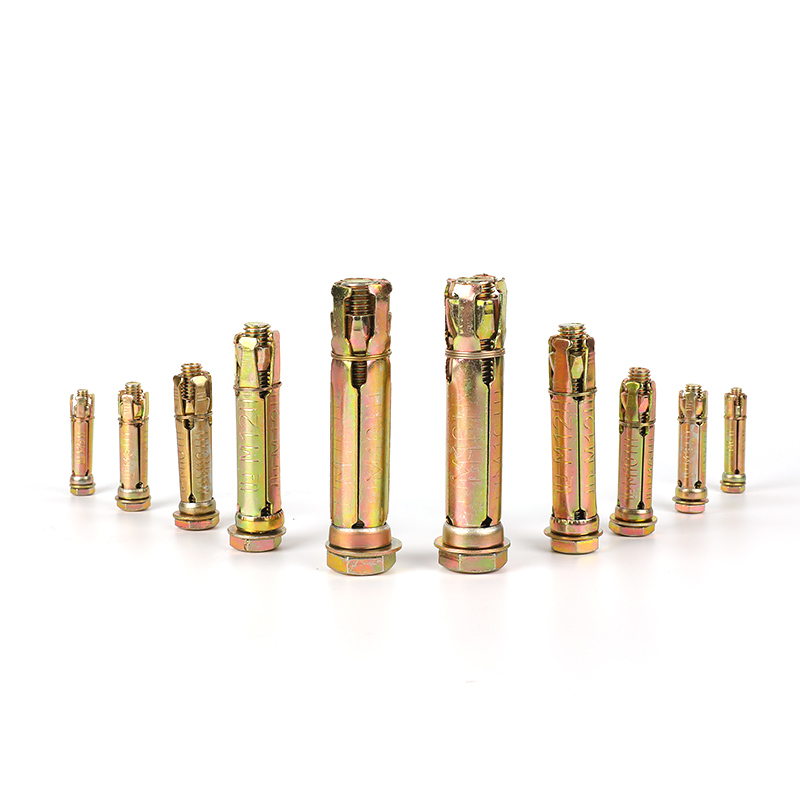
Fix anchorbolts include bolts, washers, nuts and 4PCS cylindrical shields. By tightening the bolts, the shields tubes expand and the components can be...
See Details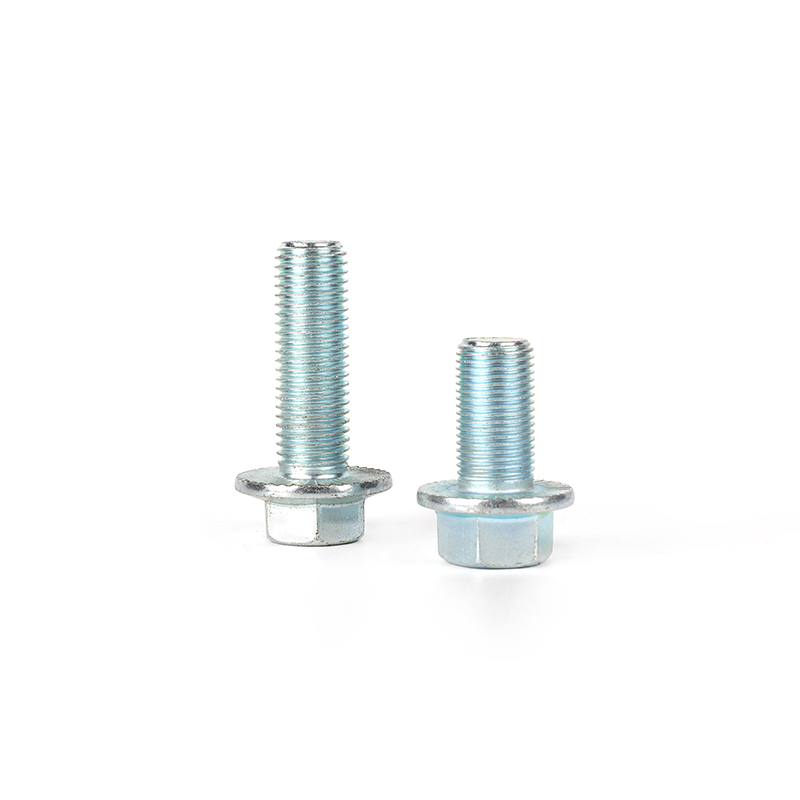
Flange bolts are specially used to tightly connect pipes and components with flanges. We produce flange bolts are solid t and durablethat, compling wi...
See Details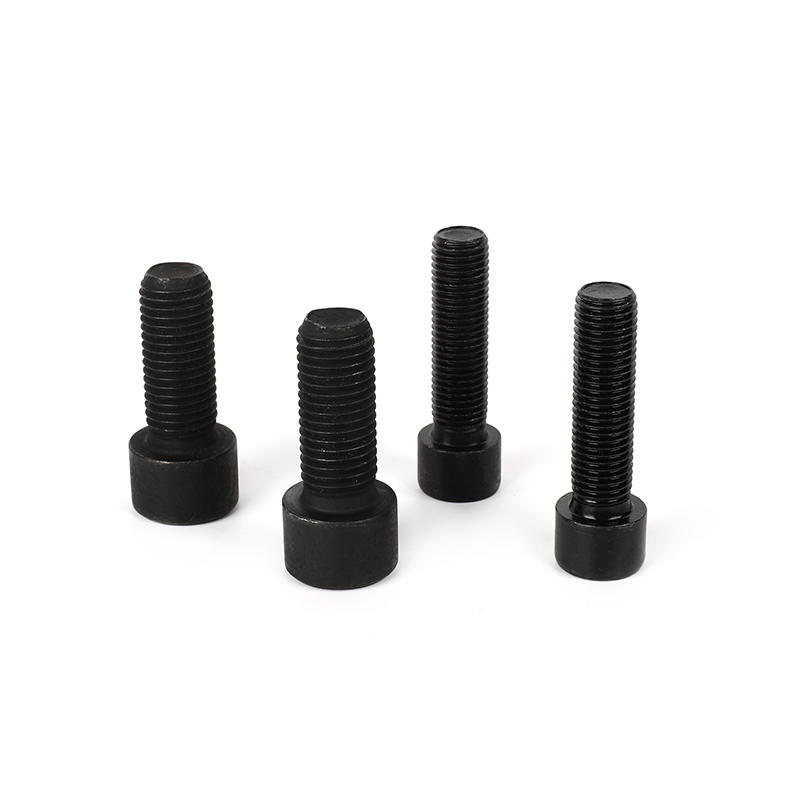
The Grade 8.8 black oxide full-thread hexagon socket bolts have an internal hex design and needs to be used with a wrench with a hex head. Its full th...
See Details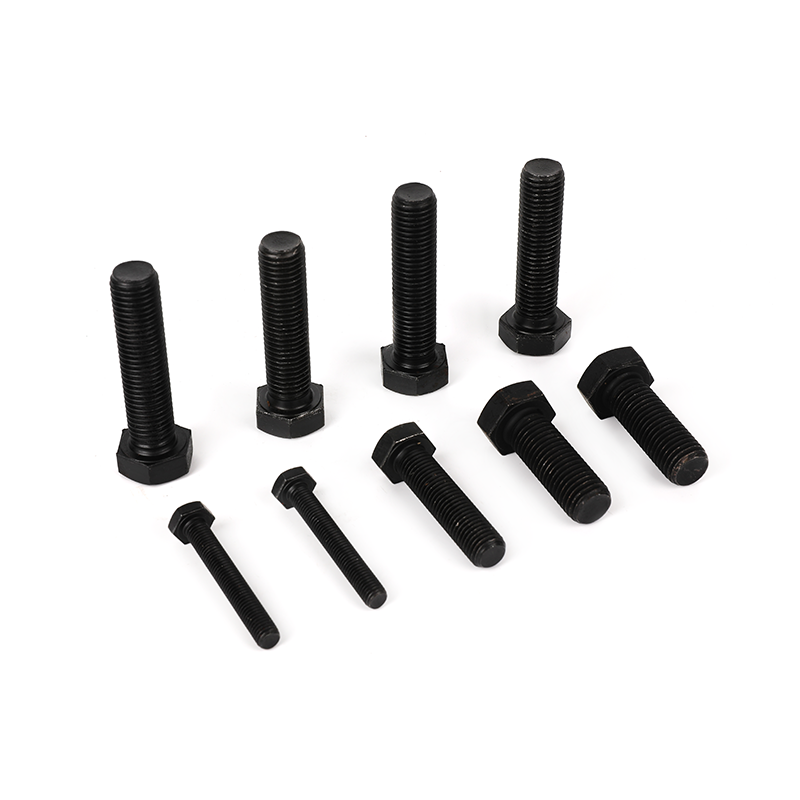
Grade 8.8 black oxide full-thread hexagon bolts is a very common fastener and requires a wrench or hex wrench to tighten it. Our hex head bolt meet th...
See Details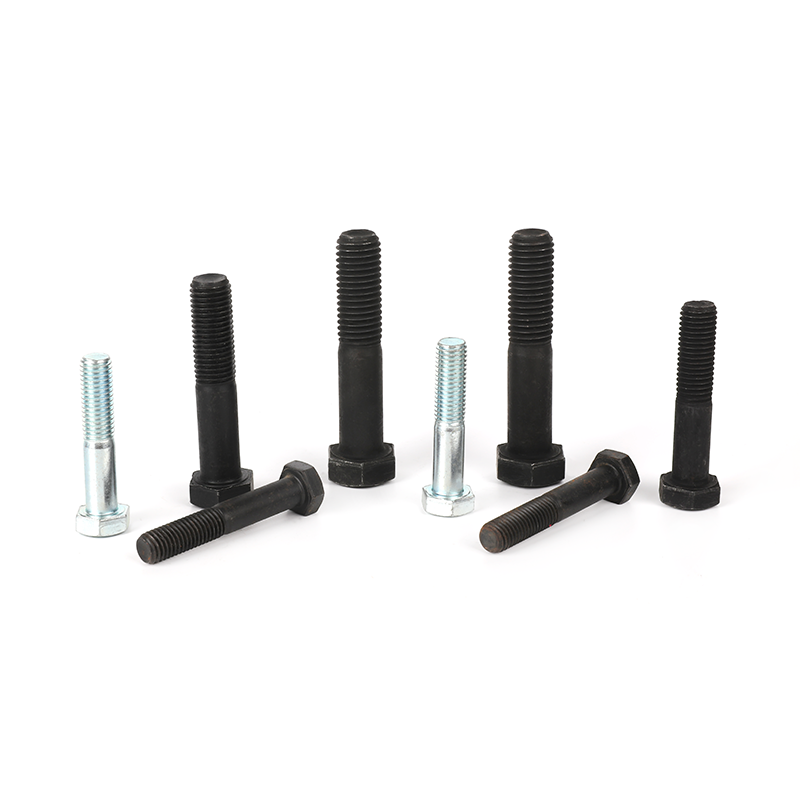
This product is made of high-quality carbon steel and undergoes a rigorous heat treatment process. It has high strength, good elasticity and toughness...
See Details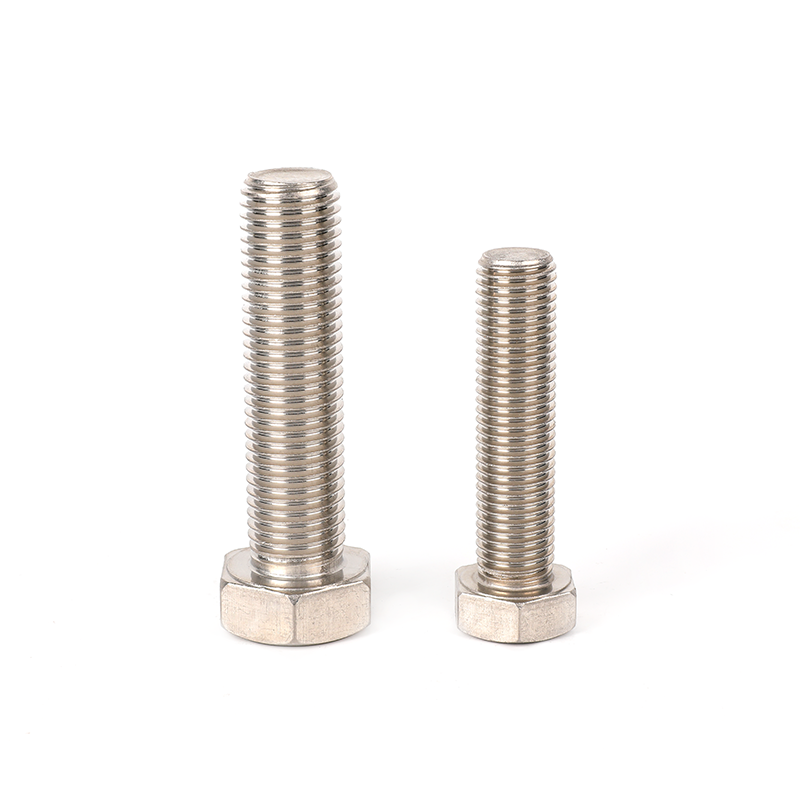
This 304 stainless steel plain full-thread hexagon bolt is a kind of fasteners made of high-quality stainless steel material and has corrosion resista...
See Details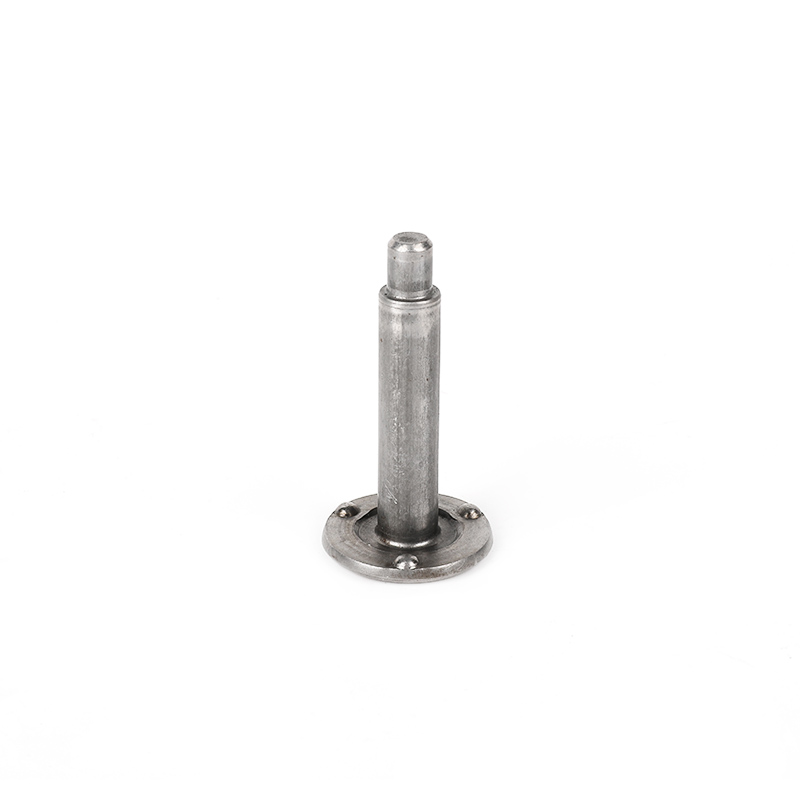
This plain round flat head weld shoulder bolt is a fastener suitable for a variety of welding applications. Its flat head and round head design makes ...
See Details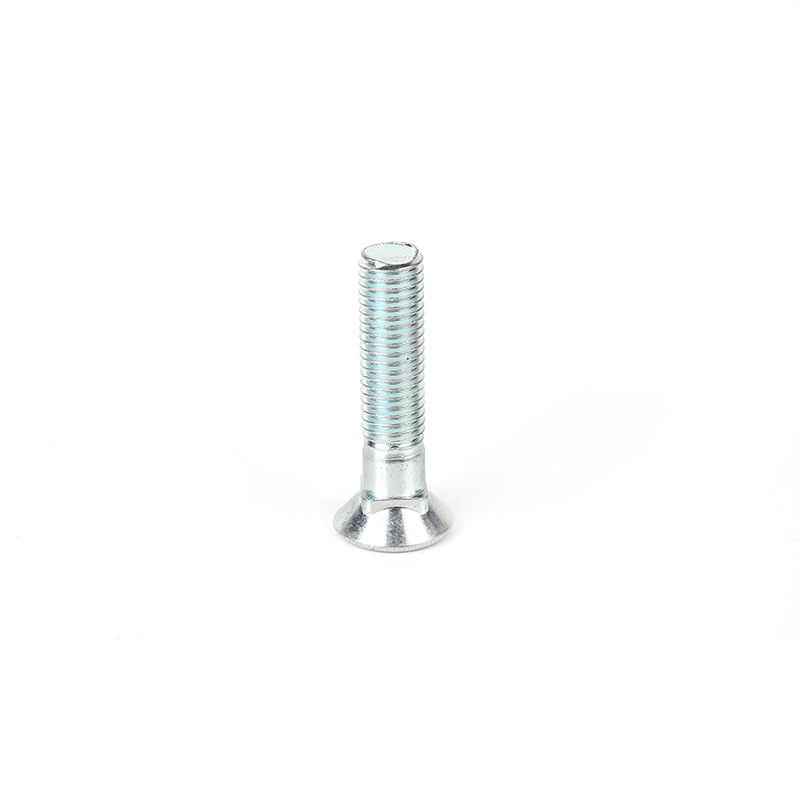
This Grade 12.9 zinc plated countersunk head square neck plow bolt has the advantages of high precision, high operability, high strength, and high ten...
See Details
Room 102, Building 13, Area A, Wanyang Zhongchuang Park, Ganyao Town, Jiashan County, Zhejiang China.
+86-17858810290
+86-573-84648787
product
mobile
