 English
 عربى
Room 102, Building 13, Area A, Wanyang Zhongchuang Park, Ganyao Town, Jiashan County, Zhejiang China.
News
Home / News / Industry News / difference between pan head and flat head: Practical Applications, Selection
A pan head screw and a flat head screw can share the same thread, length, material, and strength grade and still behave differently in the joint. The reason is the bearing surface: the area under the head that presses against the part and transfers clamp load. In short, a pan head uses a flat, non-countersunk bearing surface and sits above the workpiece; a flat head, when the term means a countersunk flat head, uses a conical bearing surface and sits flush in a matching seat. That single geometric difference drives material removal, load distribution, flushness, and inspection risk.
Content
The bearing surface is not just the visible top of the head. It is the contact zone underneath. On a pan head, that zone is usually a flat annular ring around the shank. On a countersunk flat head, the contact zone is the conical underside seated in a matching countersink. The first spreads load through a flat contact patch; the second spreads load through a cone. Neither is automatically stronger. The better choice depends on sheet thickness, hole quality, required flushness, and how often the joint will be serviced.
| Feature | Pan head | Flat head (countersunk) |
|---|---|---|
| Head profile | Rounded top with a flat underside | Flat top with a conical underside |
| Bearing surface | Flat annular contact area around the hole | Conical seat inside a matching countersink |
| Installed position | Sits proud of the surface | Sits flush when the seat is correct |
| Material removal | No countersink required for the head | Countersink removes parent material |
| Load path | Compression through a flat contact patch | Load spreads through the cone into the seat |
| Thin-sheet risk | Lower risk of a knife-edge section | High risk if the countersink leaves too little material |
| Alignment sensitivity | Less sensitive to countersink angle | Angle and diameter must match the screw |
| Typical use | Brackets, covers, thin panels, soft materials, serviceable joints | Flush surfaces, moving parts, wear strips, tight envelopes |
| Main procurement check | Head diameter, height, and clearance above the surface | Countersink angle, depth, head diameter, and flushness |
The term “flat head” needs a clarification at the quotation stage. In many fastener catalogs it means a countersunk flat head, but some drawings use “flat head” for a non-countersunk screw with a flat bearing surface. If the drawing shows a flat underside and no countersink, it is not the same part as a flush-mounted countersunk screw. Confirm the underside geometry before comparing price or lead time.
A pan head screw keeps the parent material intact because the head does not sink into a countersink. That matters in 0.8 mm to 1.5 mm sheet, plastic housings, and painted panels where a countersink would remove the very section that carries the clamp load. The flat bearing surface presses on the surface around the hole. A washer or a flange head can increase the contact area when the material is soft or the hole is slotted.
Do not assume that a pan head always has a larger bearing area than a flat head. The usable area depends on the head diameter, the hole size, and whether a washer is used. A large countersunk head can have a wide outer diameter, but its load is carried by the cone. A small pan head can have a narrow flat ring. Compare the actual contact area and the allowable surface pressure, not just the visual size of the head.
A pan head is often the practical choice when the joint can tolerate a raised head and the assembly needs a forgiving seat. It is common on covers, brackets, electrical enclosures, and light-duty panels. The trade-off is clearance: a proud head can interfere with a sliding part, a gasket, a label, or another component. Check the head height above the surface, not only the head diameter.
A countersunk flat head transfers load through its conical underside. The top is flat, but the top is not the bearing surface. The seat is the bearing surface. For the joint to work as intended, the countersink angle, diameter, and depth must match the screw. Common included angles are 82 degrees for inch-series fasteners and 90 degrees for many metric fasteners; 100-degree seats are also used in some thin-sheet or soft-material applications. A 90-degree screw in an 82-degree seat makes line contact instead of surface contact. The result can be a loose head, galling, poor flushness, and a joint that loosens under vibration.
Flushness is not the only issue. A countersink removes material, so a flat head can reduce the load capacity of a thin panel. If the seat cuts close to the hole edge, the head can pull through or distort the panel. In composites, a poorly controlled countersink can delaminate the surface. In coated steel, a burr or a thick coating at the seat can hold the head proud even when the screw is tight. Inspect the seat, not just the screw.
A zinc-plated flat head hexagon neck bolt for photovoltaic hardware shows why the seat and neck must be reviewed together. The head can sit flush only when the bracket or frame seat matches the head geometry, and the coating must not be allowed to change the effective fit.
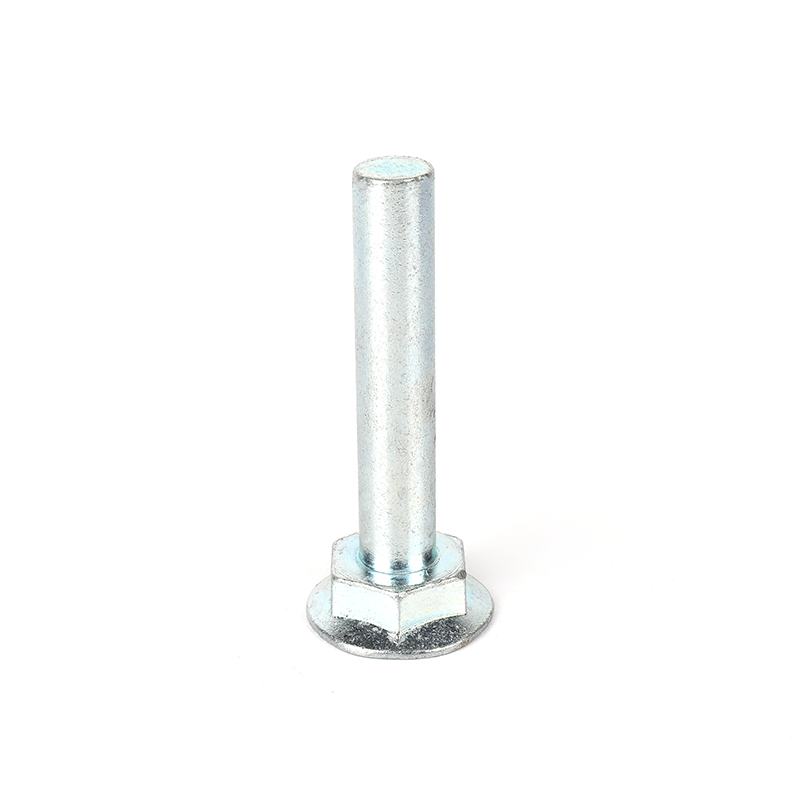 Zinc plated flat head hexagon neck boltsHongyan owns advanced automated production equipments and multiple imported production lines, and testing devices in our own modern factory. We have several multi-stat...View Product →
A purchase order that says only “pan head” or “flat head” leaves too much to the supplier. The following points reduce the risk of a part that fits the thread but fails at the head.
Use a pan head when the joint can accept a raised head, the sheet is thin, the material is soft, or the assembly needs to be opened repeatedly without a countersink operation. Use a countersunk flat head when a flush surface is required, the material is thick enough for a controlled countersink, and the seat can be inspected. If the application combines flushness with anti-slip geometry, the seat still carries the load; the knurl or slot does not replace a proper bearing surface.
For example, a bright zinc-plated flat head slotted knurled wheel hub screw combines a flush head with anti-slip features. The countersink and the mating part must still be checked, because a decorative or anti-slip feature cannot correct a mismatched seat.
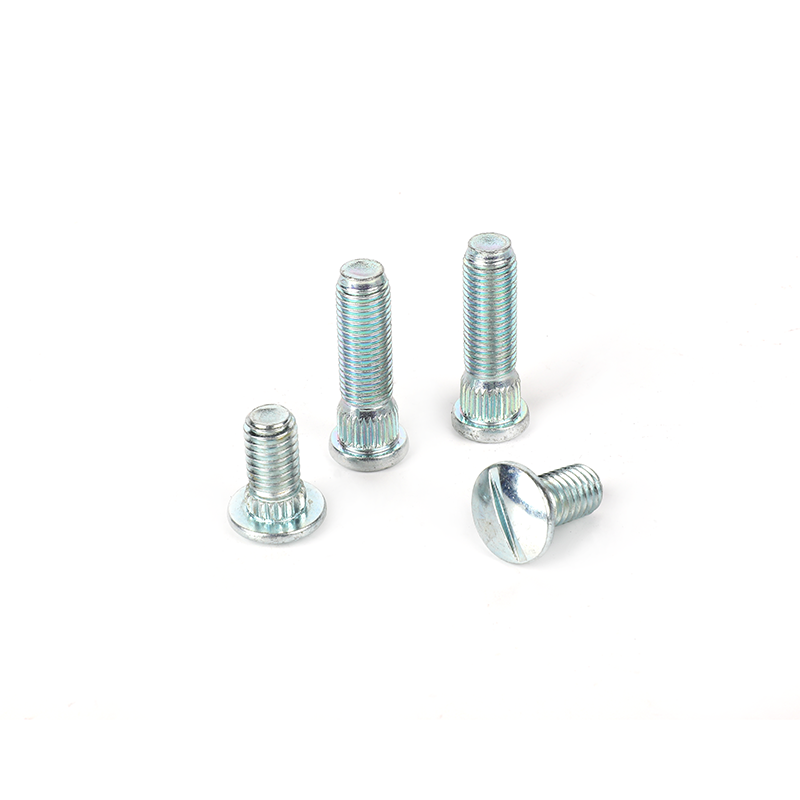 Bright Zinc-Plated Flat Head Slotted Knurled Hub ScrewsBright zinc-plated carbon steel M10 hub screws with anti-slip knurling and flush flat head; check specs for automotive use.View Product →
The difference between pan head and flat head screws is not a cosmetic choice. The pan head uses a flat, non-countersunk bearing surface and leaves the parent material in place. The countersunk flat head uses a conical bearing surface and depends on a matched seat to sit flush and carry load. Specify the geometry, inspect the seat, and validate torque on the real joint. A supplier that runs both standard and custom fasteners can help you compare these options against the actual application; review the factory profile on the about page and the custom fastener program on the custom fastener page before releasing a drawing.
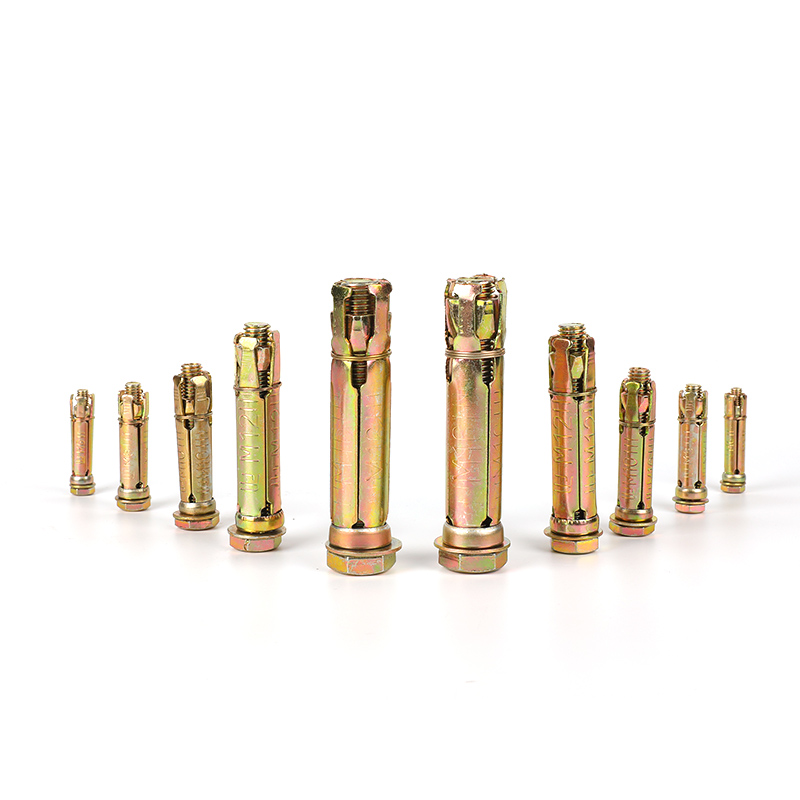
Fix anchorbolts include bolts, washers, nuts and 4PCS cylindrical shields. By tightening the bolts, the shields tubes expand and the components can be...
See Details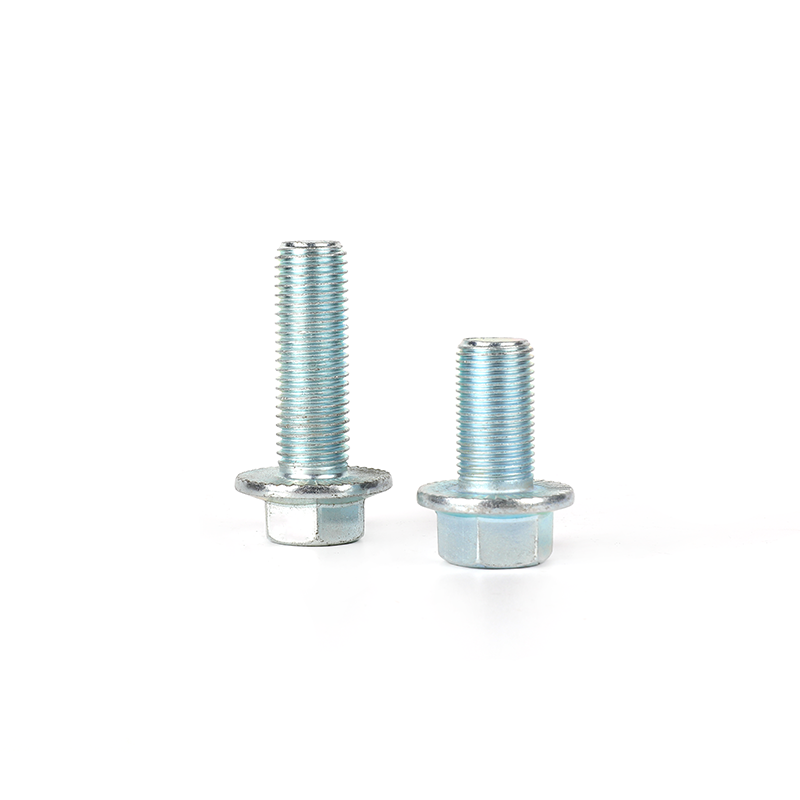
Flange bolts are specially used to tightly connect pipes and components with flanges. We produce flange bolts are solid t and durablethat, compling wi...
See Details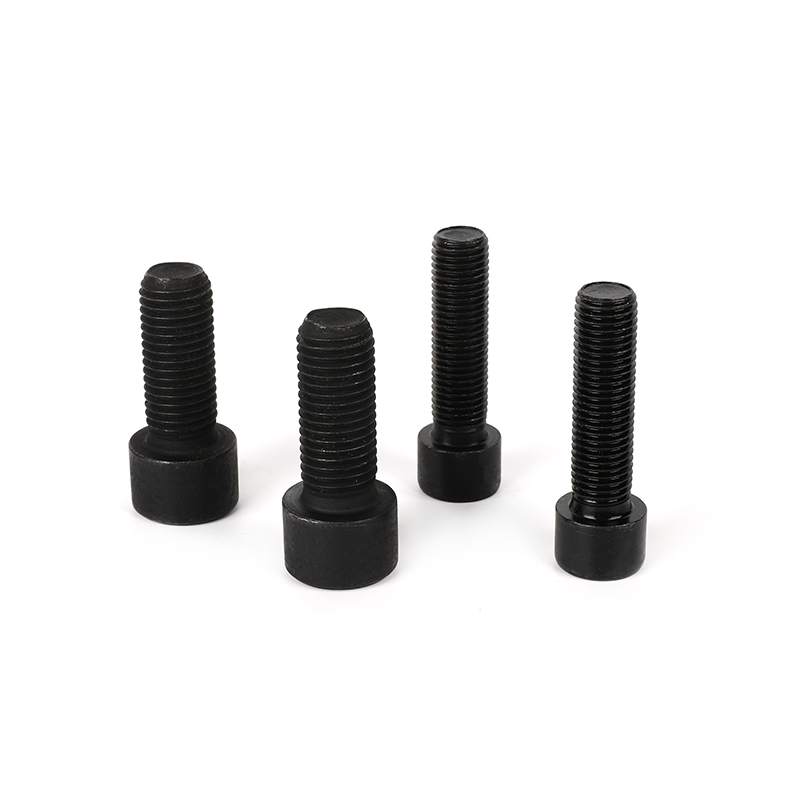
The Grade 8.8 black oxide full-thread hexagon socket bolts have an internal hex design and needs to be used with a wrench with a hex head. Its full th...
See Details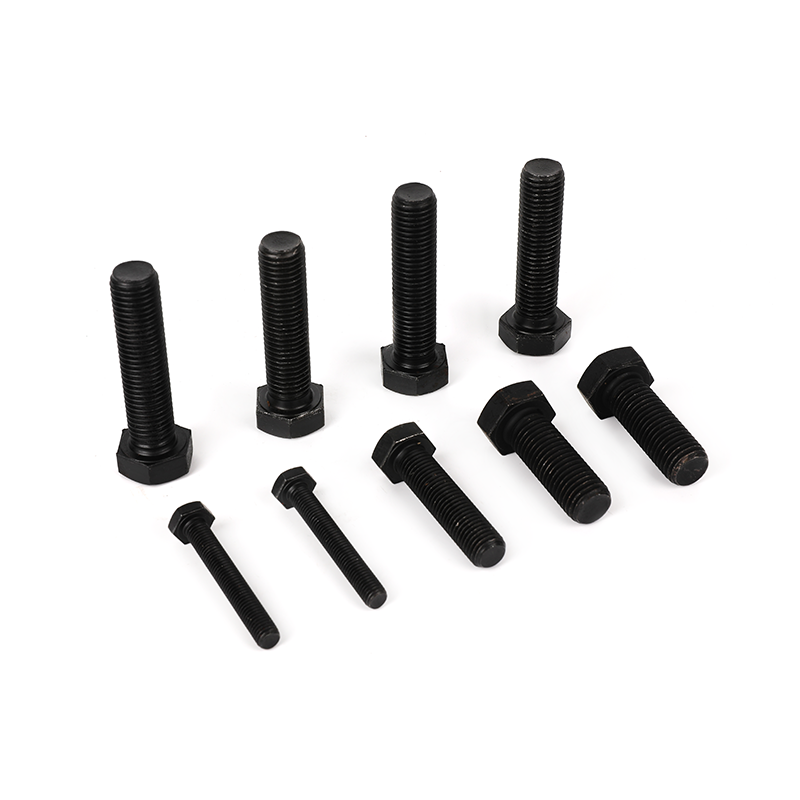
Grade 8.8 black oxide full-thread hexagon bolts is a very common fastener and requires a wrench or hex wrench to tighten it. Our hex head bolt meet th...
See Details
This product is made of high-quality carbon steel and undergoes a rigorous heat treatment process. It has high strength, good elasticity and toughness...
See Details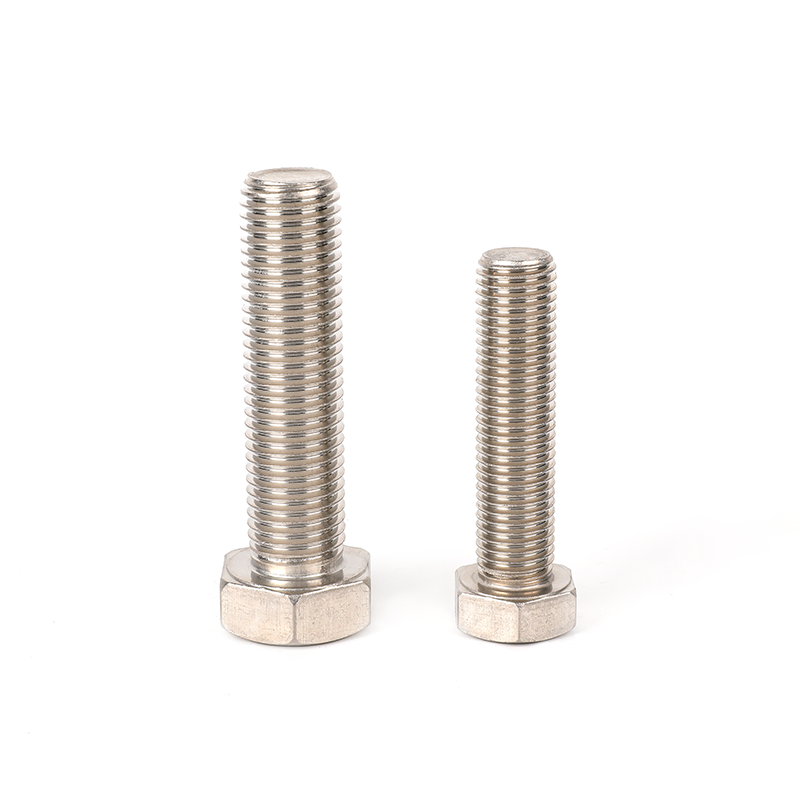
This 304 stainless steel plain full-thread hexagon bolt is a kind of fasteners made of high-quality stainless steel material and has corrosion resista...
See Details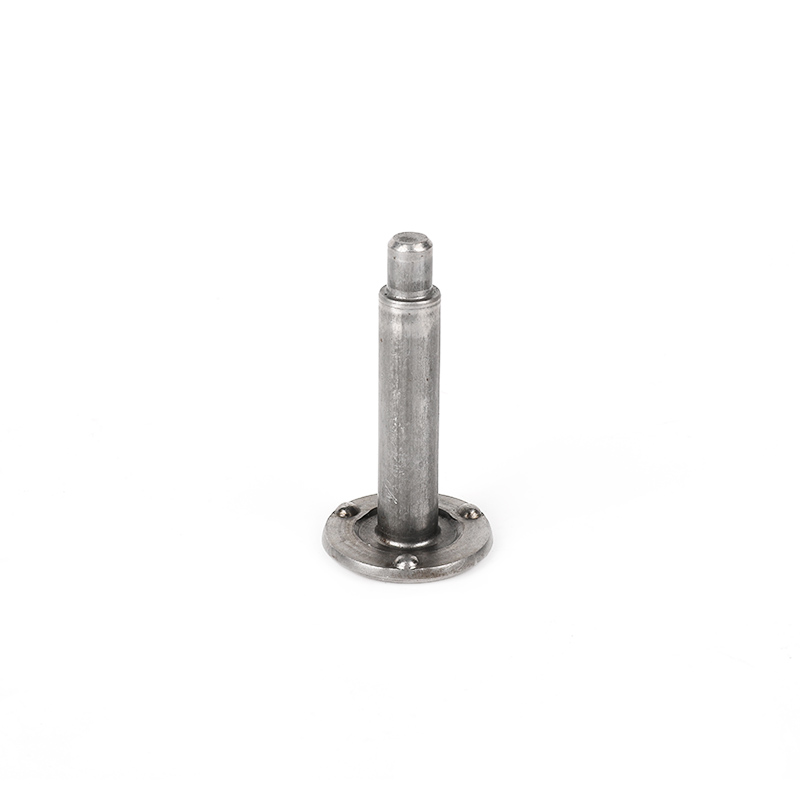
This plain round flat head weld shoulder bolt is a fastener suitable for a variety of welding applications. Its flat head and round head design makes ...
See Details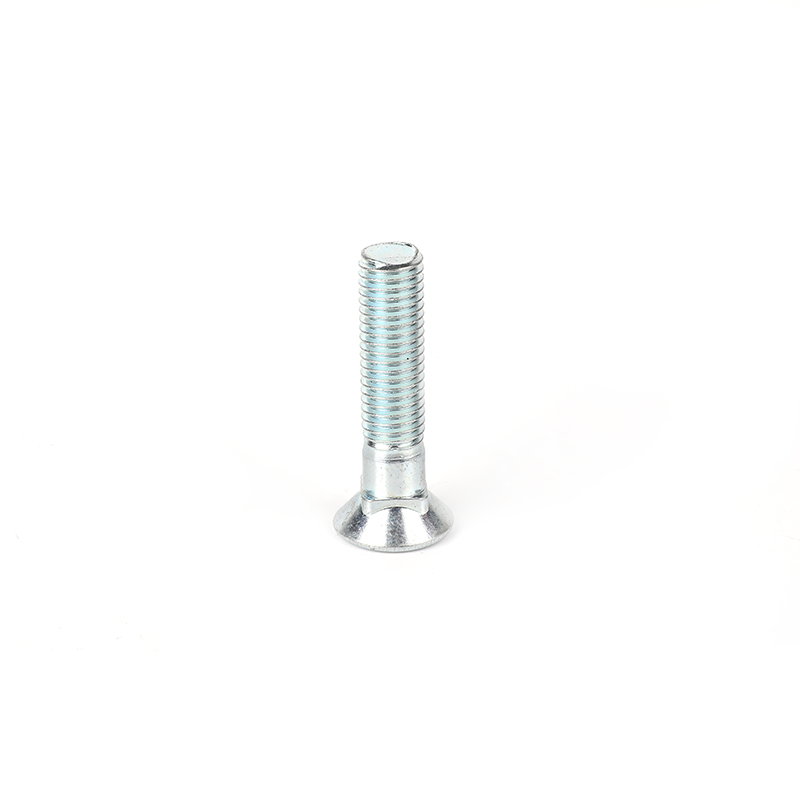
This Grade 12.9 zinc plated countersunk head square neck plow bolt has the advantages of high precision, high operability, high strength, and high ten...
See Details
Room 102, Building 13, Area A, Wanyang Zhongchuang Park, Ganyao Town, Jiashan County, Zhejiang China.
+86-17858810290
+86-573-84648787
product
mobile
