 English
 عربى
عربى
Room 102, Building 13, Area A, Wanyang Zhongchuang Park, Ganyao Town, Jiashan County, Zhejiang China.
Content
Hex head bolts are among the most widely used fasteners in construction, machinery, and industrial applications. Their hexagonal heads allow for easy wrenching and torque application, making them ideal for securing heavy loads and structural components.
This article explores how hex head bolts affect load-bearing capacity, including factors such as material strength, thread design, torque, and application techniques. Understanding these elements is essential for engineers, builders, and maintenance professionals aiming for safe and durable assemblies.
Several factors influence the load-bearing capacity of hex head bolts. Each factor must be considered to ensure optimal performance and prevent structural failure.
Hex head bolts are manufactured from various materials including carbon steel, stainless steel, alloy steel, and even titanium. High-strength grades, such as Grade 8 or 10.9, provide superior tensile and shear strength, enabling them to handle heavier loads without deformation or breakage.
The threading of a hex head bolt plays a crucial role in its load-bearing capacity. Coarse threads are suitable for softer materials, while fine threads provide higher tensile strength and better vibration resistance. Proper thread engagement ensures even load distribution along the bolt shank.
Correct torque application is critical for maximizing load-bearing capacity. Over-tightening can strip threads or deform the bolt, while under-tightening reduces clamping force and can lead to joint loosening. Using torque wrenches and adhering to manufacturer specifications ensures optimal performance.
Hex head bolts contribute significantly to structural integrity by providing strong, reliable connections. Properly installed bolts maintain load distribution across structural members, preventing stress concentration and potential failure points.
The clamping force generated by tightened hex head bolts keeps components securely in place, distributing weight evenly. This reduces localized stress, which is critical in applications such as steel frameworks, machinery assemblies, and heavy equipment.
Hex head bolts resist both tensile (pulling) and shear (sliding) forces. Their hexagonal head allows high torque application, enhancing the bolt's ability to withstand heavy vertical loads and lateral forces, which directly improves overall structural load-bearing capacity.
Different grades of hex head bolts offer varying strength levels. Choosing the correct grade for the application ensures safe load-bearing performance and minimizes the risk of mechanical failure.
| Grade | Material | Tensile Strength | Typical Use |
| 4.6 | Carbon Steel | 400 MPa | Light-duty structures |
| 8.8 | Alloy Steel | 800 MPa | Heavy machinery, structural steel |
| 10.9 | Alloy Steel | 1040 MPa | High-stress applications |
| 12.9 | Alloy Steel | 1220 MPa | Critical load-bearing structures |
Proper installation is as important as bolt selection. Ensuring that bolts are clean, free of rust, and correctly aligned enhances load-bearing performance. Washers and lock nuts can improve clamping force and prevent loosening in high-vibration environments.
Preloading involves applying initial tension to a bolt before it is subjected to external loads. This technique helps maintain consistent load distribution and reduces the risk of joint separation or material fatigue.
Periodic inspection for corrosion, loosening, or thread damage ensures hex head bolts continue to perform effectively. Timely replacement or retightening preserves structural load-bearing capacity and enhances safety.
Hex head bolts are widely used in steel structures, bridges, heavy machinery, automotive assembly, and industrial equipment. Their ability to handle high loads and resist shear forces makes them essential for maintaining safety and structural integrity in demanding applications.
Hex head bolts play a crucial role in determining load-bearing capacity and overall structural stability. Material grade, thread design, torque, and installation practices all influence their performance. Selecting the appropriate bolt and following proper installation procedures ensures reliable performance, safety, and longevity in both industrial and construction applications.
Investing in high-quality hex head bolts and adhering to best practices for their use significantly enhances load-bearing capacity, reduces maintenance costs, and prevents structural failures.
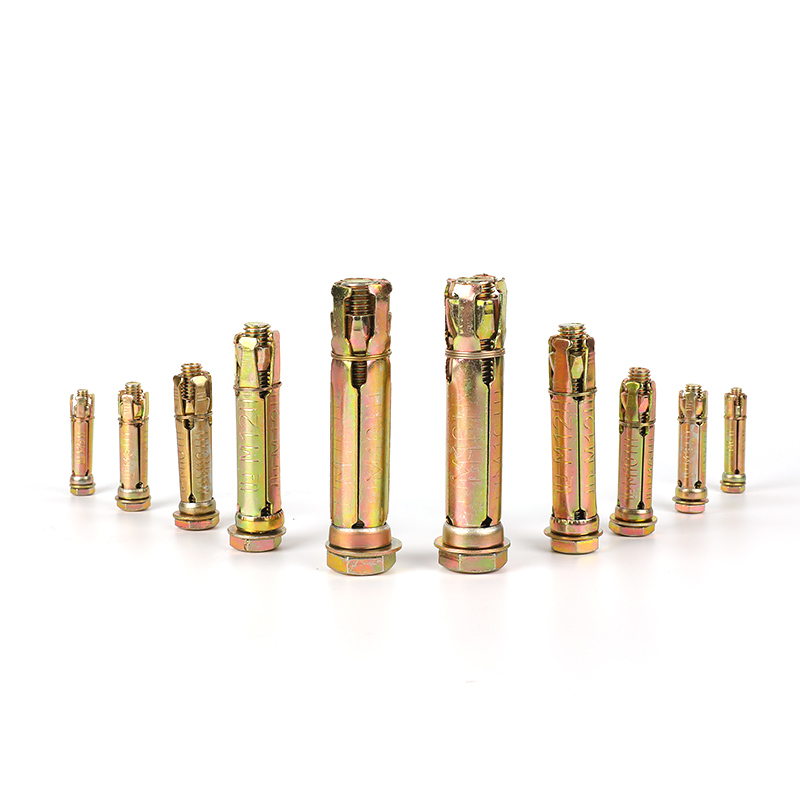
Fix anchorbolts include bolts, washers, nuts and 4PCS cylindrical shields. By tightening the bolts, the shields tubes expand and the components can be...
See Details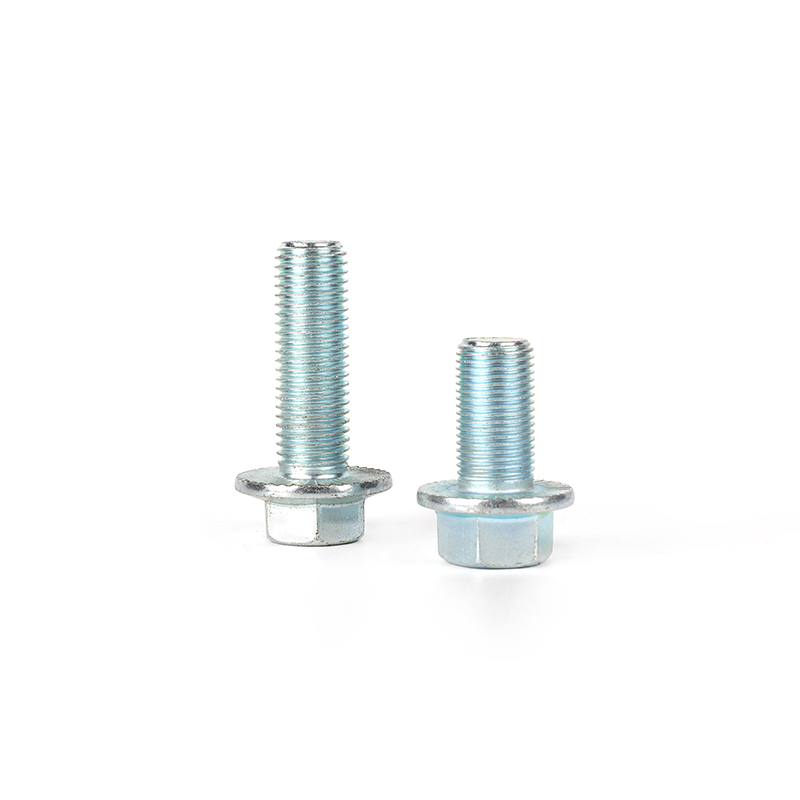
Flange bolts are specially used to tightly connect pipes and components with flanges. We produce flange bolts are solid t and durablethat, compling wi...
See Details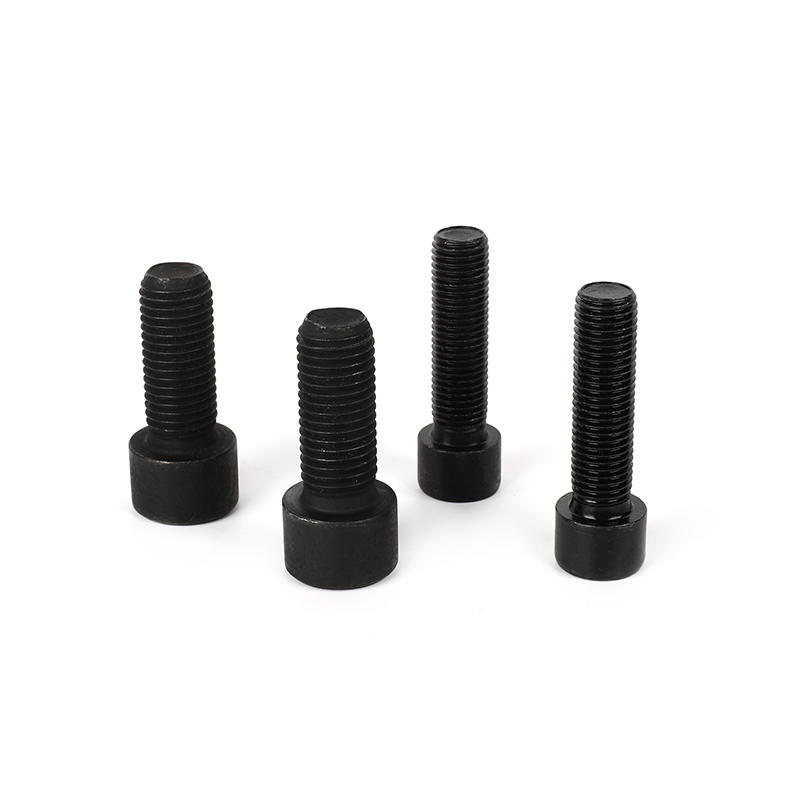
The Grade 8.8 black oxide full-thread hexagon socket bolts have an internal hex design and needs to be used with a wrench with a hex head. Its full th...
See Details
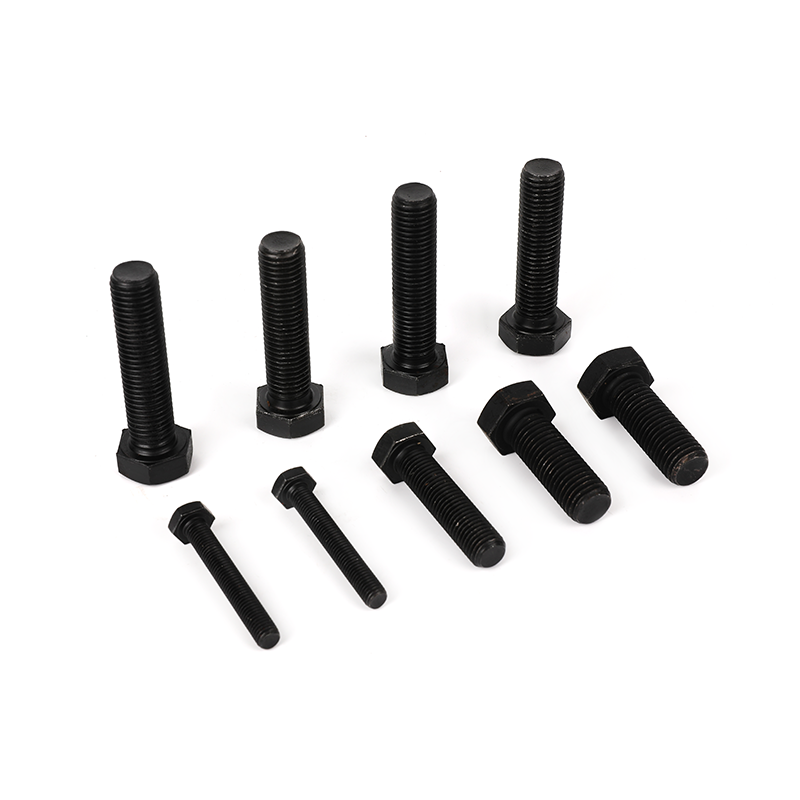
Grade 8.8 black oxide full-thread hexagon bolts is a very common fastener and requires a wrench or hex wrench to tighten it. Our hex head bolt meet th...
See Details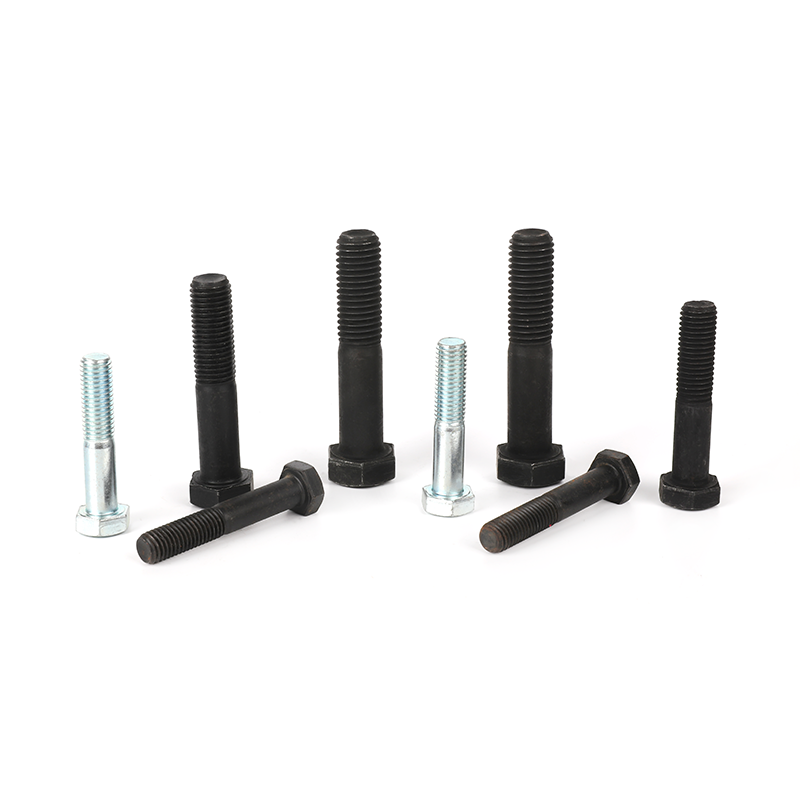
This product is made of high-quality carbon steel and undergoes a rigorous heat treatment process. It has high strength, good elasticity and toughness...
See Details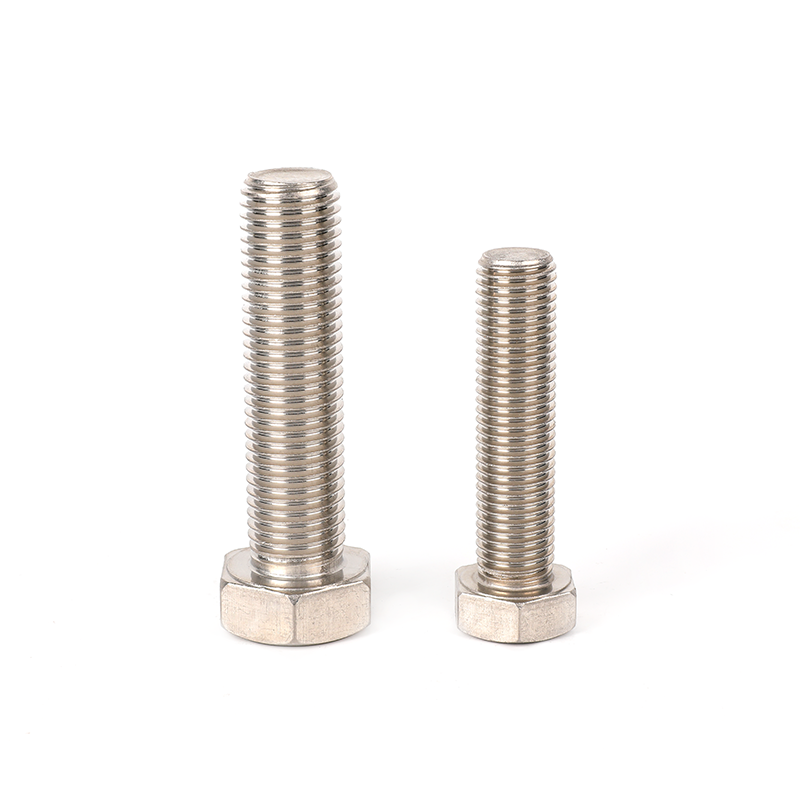
This 304 stainless steel plain full-thread hexagon bolt is a kind of fasteners made of high-quality stainless steel material and has corrosion resista...
See Details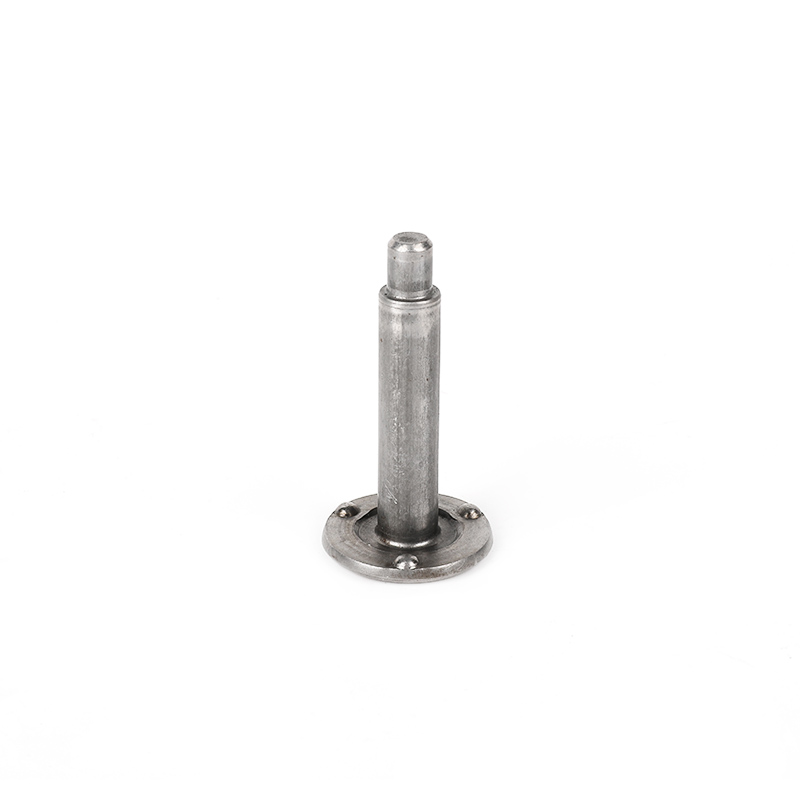
This plain round flat head weld shoulder bolt is a fastener suitable for a variety of welding applications. Its flat head and round head design makes ...
See Details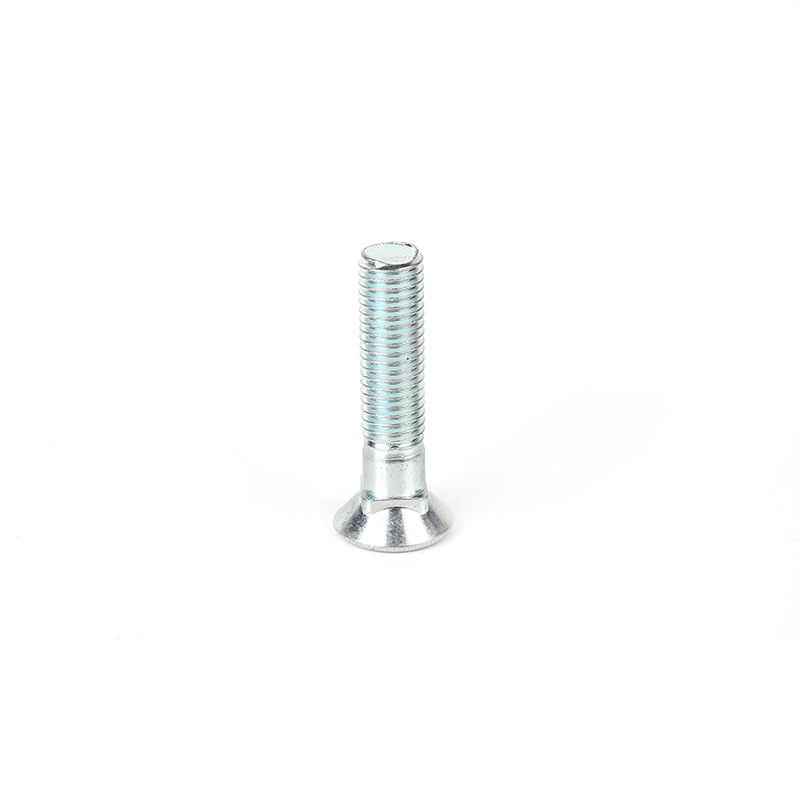
This Grade 12.9 zinc plated countersunk head square neck plow bolt has the advantages of high precision, high operability, high strength, and high ten...
See Details
Room 102, Building 13, Area A, Wanyang Zhongchuang Park, Ganyao Town, Jiashan County, Zhejiang China.
+86-17858810290
+86-573-84648787
product
mobile
