 English
 عربى
عربى
Room 102, Building 13, Area A, Wanyang Zhongchuang Park, Ganyao Town, Jiashan County, Zhejiang China.
Content
Hex head bolts are among the most common fasteners in industrial assembly. Their simple geometry, high torque capacity, and wide availability make them suitable for structural joints, machinery mounting, and safety-critical connections. Beyond holding parts together, correctly specified and installed hex head bolts contribute directly to equipment reliability, worker safety, and regulatory compliance. This article focuses on practical, actionable topics: how bolt choice, installation technique, torque control, and inspection practices enhance safety in industrial contexts.
Choosing the correct bolt material and grade is the first safety decision. Bolt strength determines the maximum load the fastened joint can withstand before plastic deformation or fracture. Industrial standards define tensile and yield strengths for common grades; matching these to the expected service loads prevents catastrophic failures caused by under-strength fasteners.
Steel alloys give the highest strength and are available in graded classes (e.g., 8.8, 10.9, 12.9 per ISO; Grade 5, 8 per ASTM). Stainless steels resist corrosion in harsh environments but typically have lower tensile strength than high-grade alloy steels unless specially treated. For extreme environments, alloyed or coated steels provide a balance between strength and corrosion resistance.
A hex head bolt's safety function depends heavily on preload — the clamping force generated when tightened. Proper preload prevents joint separation, reduces fatigue, and controls friction. Insufficient preload can cause relative motion, fretting, and eventual loosening; excessive preload can yield the bolt or damage the clamped parts.
Torque wrenches are common but produce preload that depends on friction. For critical joints, use calibrated torque tools, record torque values, and prefer direct tensioning methods (stretching) or turn-of-nut methods when precision is required. If using torque, apply specified torque values based on bolt grade, diameter, and lubrication state to achieve the target preload safely.
Vibration and cyclic loading are frequent causes of bolt loosening. Selecting and applying appropriate locking techniques is essential in safety-critical assemblies. Choices include mechanical locks, chemical adhesives, and elastic elements that increase friction or prevent rotation.
Sufficient thread engagement and correct thread class ensure the joint's shear and tensile path is as intended. Too few engaged threads or mismatched thread classes can concentrate stress and reduce safety margins. For blind holes, ensure a minimum engagement length (commonly 1–1.5× bolt diameter for steel) and inspect tapped holes for thread quality.
Hole clearance, countersinking, and chamfering reduce stress risers. Ensure bolt holes are aligned to prevent bending loads on bolts. Use dowels or guide pins when alignment is critical, and avoid forcing misaligned fasteners which can cause galling or shear failures.
Environment-driven corrosion reduces bolt cross-section and strength over time. Selecting appropriate coatings (zinc plating, hot-dip galvanizing, mechanical plating) or inherently corrosion-resistant materials (stainless, duplex) is crucial for long-term safety. Consider galvanic pairs when bolts contact dissimilar metals to avoid accelerated corrosion.
Regular inspection programs detect loosening, corrosion, and fatigue before they lead to failure. Visual checks, torque audits, and non-destructive testing (NDT) for critical fasteners help maintain safety standards. Establish a schedule based on criticality, operating conditions, and historical performance.
Adherence to standards (ISO, ASTM, DIN) ensures bolts meet mechanical and material requirements. For safety-critical assemblies, procure bolts with traceable material certificates, batch testing records, and supplier quality documentation. Traceability simplifies root-cause analysis if a failure occurs and supports regulatory compliance.
The table below summarizes common hex head bolt grades, typical tensile strengths, and recommended industrial applications to guide selection for safety-critical uses.
| Grade | Approx. Tensile Strength | Typical Use |
| 8.8 (ISO) / Grade 5 (ASTM) | ~800 MPa (tensile) | General machinery, structural bolts |
| 10.9 / Grade 8 | ~1000 MPa (tensile) | High-strength applications, drive components |
| 12.9 | ~1200 MPa (tensile) | Critical structural joints, heavy machinery |
| A2 / A4 Stainless | Lower than alloy steels; varies | Corrosive environments, food and pharma |
Hex head bolts are a fundamental yet often overlooked safety element in industrial assembly. Selecting appropriate materials and grades, controlling preload through correct torqueing or tensioning methods, applying suitable anti-loosening strategies, and instituting regular inspection and traceability practices all contribute to safer, more reliable equipment. When bolts are treated as engineered components—specified, installed, and maintained with the same rigor as other critical parts—the overall safety and longevity of industrial systems improve measurably.
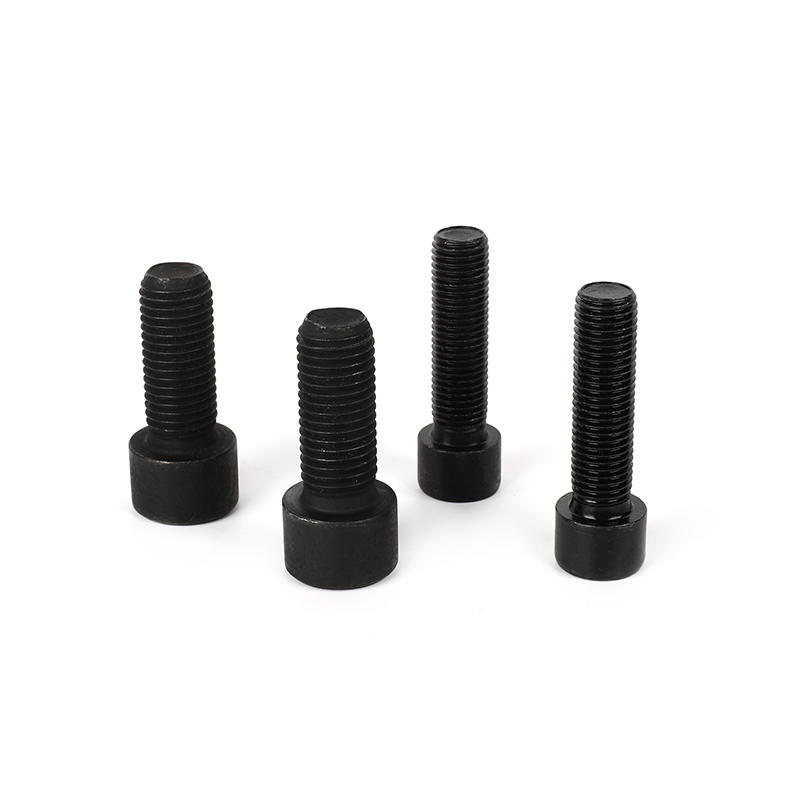
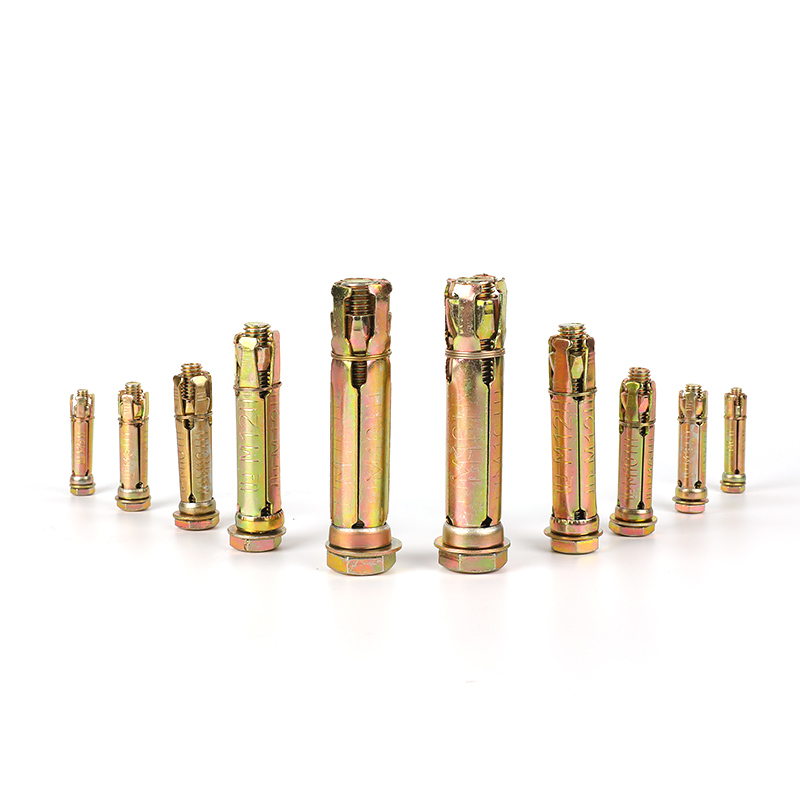
Fix anchorbolts include bolts, washers, nuts and 4PCS cylindrical shields. By tightening the bolts, the shields tubes expand and the components can be...
See Details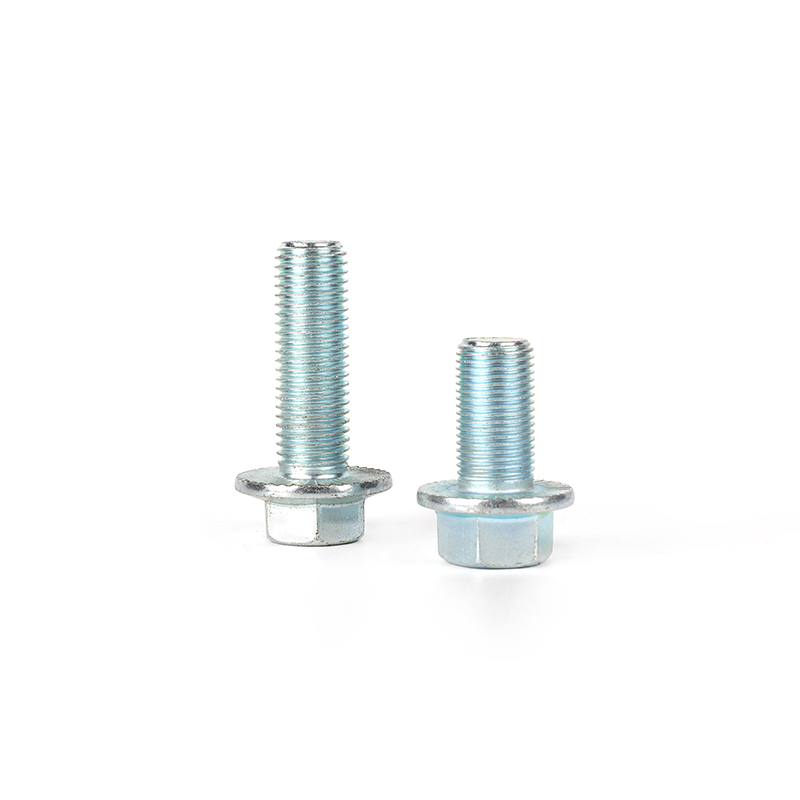
Flange bolts are specially used to tightly connect pipes and components with flanges. We produce flange bolts are solid t and durablethat, compling wi...
See Details
The Grade 8.8 black oxide full-thread hexagon socket bolts have an internal hex design and needs to be used with a wrench with a hex head. Its full th...
See Details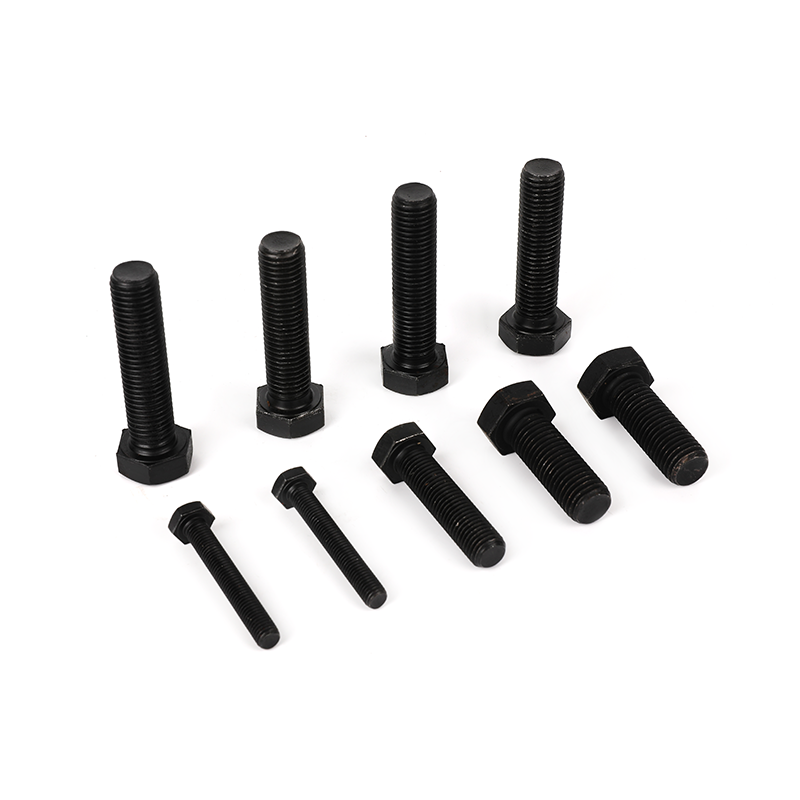
Grade 8.8 black oxide full-thread hexagon bolts is a very common fastener and requires a wrench or hex wrench to tighten it. Our hex head bolt meet th...
See Details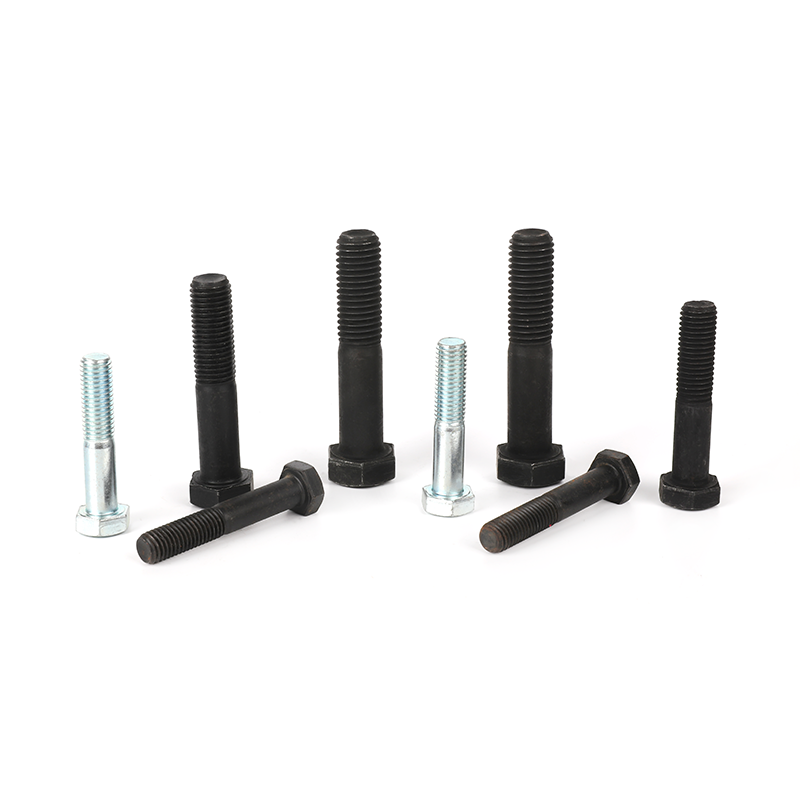
This product is made of high-quality carbon steel and undergoes a rigorous heat treatment process. It has high strength, good elasticity and toughness...
See Details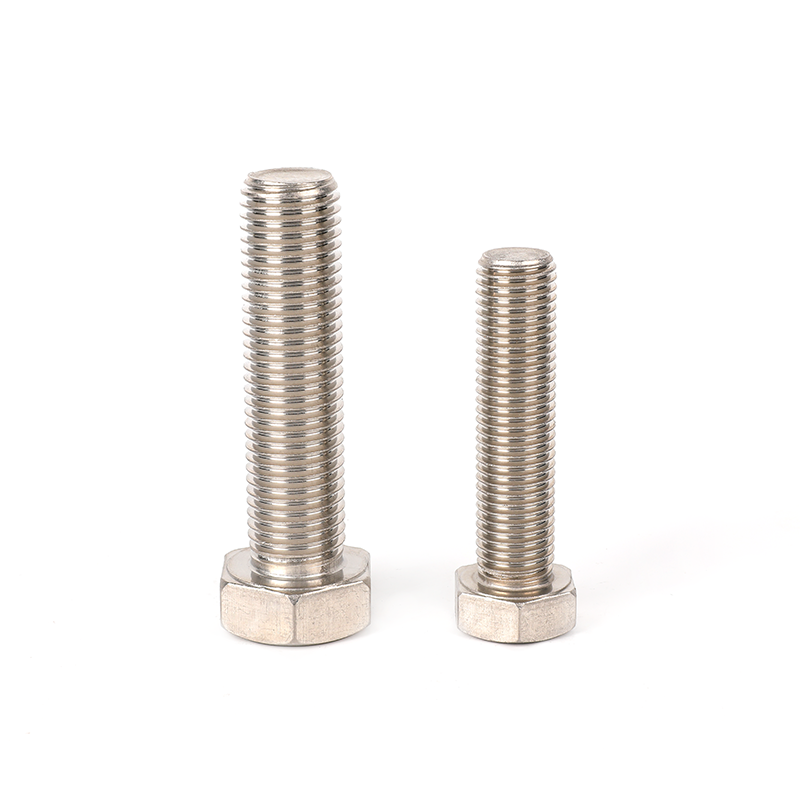
This 304 stainless steel plain full-thread hexagon bolt is a kind of fasteners made of high-quality stainless steel material and has corrosion resista...
See Details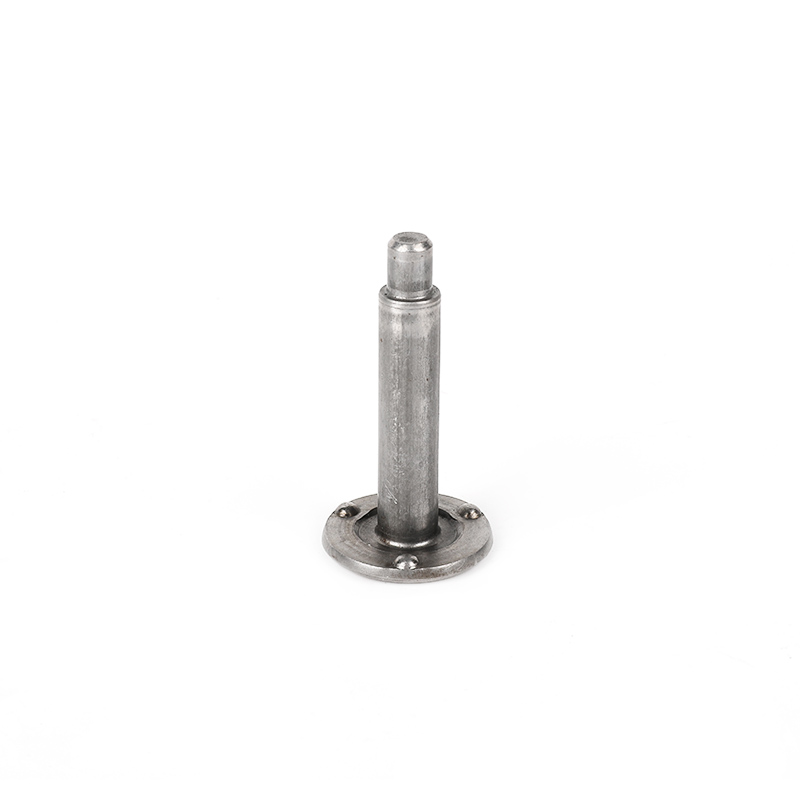
This plain round flat head weld shoulder bolt is a fastener suitable for a variety of welding applications. Its flat head and round head design makes ...
See Details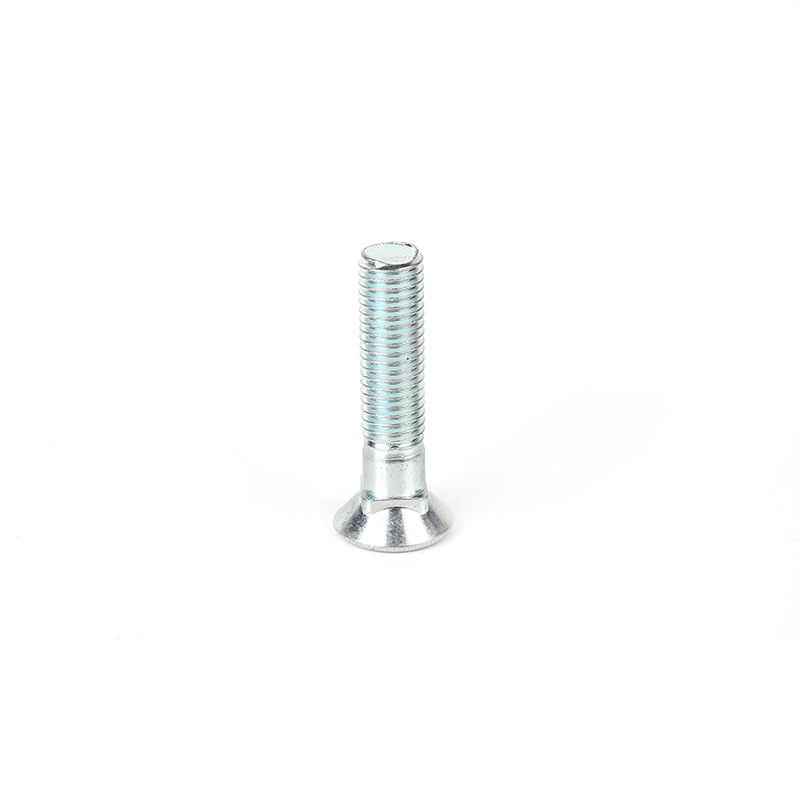
This Grade 12.9 zinc plated countersunk head square neck plow bolt has the advantages of high precision, high operability, high strength, and high ten...
See Details
Room 102, Building 13, Area A, Wanyang Zhongchuang Park, Ganyao Town, Jiashan County, Zhejiang China.
+86-17858810290
+86-573-84648787
product
mobile
