 English
 عربى
عربى
Room 102, Building 13, Area A, Wanyang Zhongchuang Park, Ganyao Town, Jiashan County, Zhejiang China.
Content
Oil pipe screws, technically known as OCTG (Oil Country Tubular Goods) connections, are the threaded interfaces that join sections of drill pipe, casing, and tubing. These components are not merely fasteners; they are engineered structural joints designed to withstand extreme tensile loads, internal pressure, and external collapse forces deep underground. A failure in these connections can lead to catastrophic well control incidents, environmental damage, and significant financial loss.
Unlike standard industrial bolts, oil pipe screws feature specialized thread forms, such as the API Round Thread or Buttress Thread, which are optimized for rapid make-up and high sealing integrity. The precision of these threads ensures that the joint maintains its strength even under the severe bending and vibration conditions typical of directional drilling. Understanding the mechanics, types, and maintenance of these connections is essential for ensuring well integrity and operational safety.
The industry relies on strict standards, primarily those set by the American Petroleum Institute (API), to govern the design and testing of these connections. However, for extreme environments, operators often turn to premium proprietary connections that offer superior gas-tight sealing and fatigue resistance. Selecting the right connection type depends on factors such as well depth, pressure ratings, and the presence of corrosive elements like hydrogen sulfide.
Oil pipe screws are categorized based on their thread profile, sealing mechanism, and application. Choosing the correct type is critical for matching the mechanical requirements of the well.
The API Round Thread is the most common and economical connection used in the industry. It features a V-shaped thread form with a 60-degree angle. There are two main variants: Short Thread Coupling (STC) and Long Thread Coupling (LTC). While cost-effective, round threads have lower joint efficiency compared to other types, typically around 60-70% of the pipe body strength. They rely on thread interference for sealing, which can be less reliable in high-pressure gas wells.
Buttress threads are designed for high tensile strength applications. The thread profile is square-ish with a 10-degree load flank and a 45-degree stab flank. This geometry allows the connection to transmit higher axial loads without jumping out of the coupling. Buttress connections are often used in deep wells where the weight of the casing string creates significant tension. However, they are not inherently gas-tight and may require sealants for pressure integrity.
For challenging environments, manufacturers develop premium connections that go beyond API standards. These connections typically feature:
Examples include Hydril, TenarisBlue, and VAM connections. While more expensive, they reduce the risk of leaks in high-pressure high-temperature (HPHT) wells.
| Connection Type | Joint Efficiency (%) | Sealing Capability | Primary Application |
|---|---|---|---|
| API Round (LTC/STC) | 60-70% | Moderate (Thread Seal) | Shallow to Medium Depth |
| API Buttress | 80-90% | Low (Requires Dope) | Deep Wells, High Tension |
| Premium Proprietary | >100% | High (Metal-to-Metal) | HPHT, Offshore, Sour Gas |
The performance of oil pipe screws is heavily influenced by the steel grade and surface treatments applied to the threads.
API specifies several steel grades for casing and tubing, including H40, J55, K55, N80, L80, C90, T95, and P110. The number indicates the minimum yield strength in thousands of psi. For example, P110 steel has a minimum yield strength of 110,000 psi. Higher grades are used in deeper wells but are more susceptible to sulfide stress cracking (SSC) in sour environments. L80 and C90 grades are specifically heat-treated to resist SSC.
Thread compound, or "dope," is essential for preventing galling (cold welding) during make-up and providing a secondary seal. Modern dope formulations contain solid lubricants like zinc, copper, or graphite suspended in a grease base. Heavy metal-free dopes are increasingly preferred due to environmental regulations. Applying the correct amount of dope is crucial; too little causes galling, while too much can contaminate the wellbore or affect torque readings.
To enhance corrosion resistance and reduce friction, many premium connections feature phosphate coatings or polymer linings. These coatings help maintain thread integrity during storage and running operations. In offshore environments, where salt spray is prevalent, additional protective caps and wraps are used to shield the threads until installation.
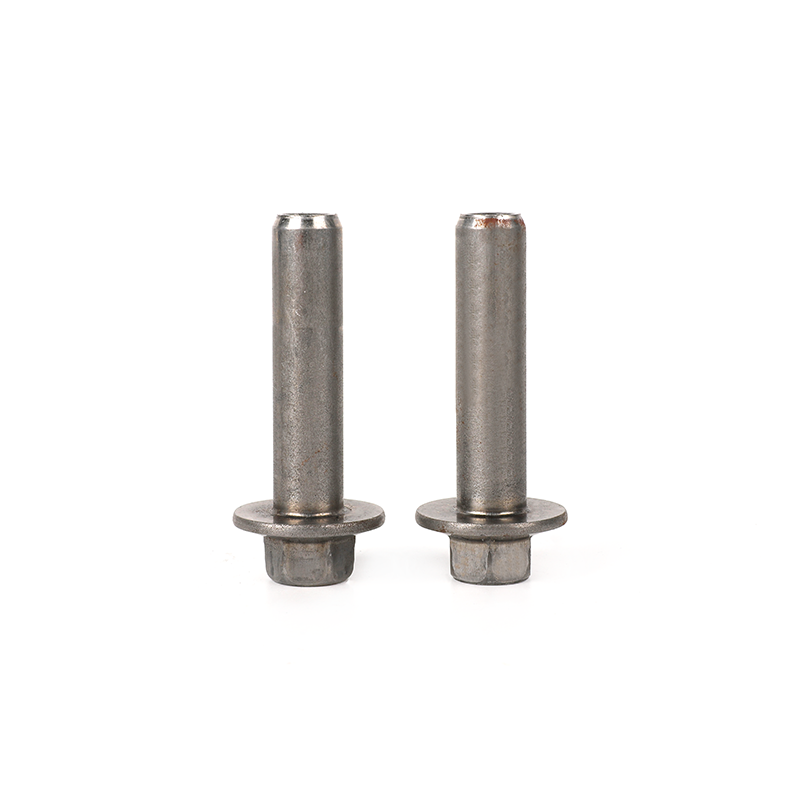
Proper installation of oil pipe screws is a precise operation that requires specialized equipment and skilled personnel. Incorrect make-up can compromise the entire well structure.
Modern drilling rigs use torque-turn monitoring systems to verify connection integrity. These systems plot the relationship between applied torque and the number of turns. A proper make-up curve shows a distinct shoulder hit, indicating that the connection has reached its optimal position. Deviations from the expected curve can indicate issues such as:
Accurate torque management ensures that the connection achieves its designed tensile and pressure ratings without damaging the threads.
Despite rigorous standards, oil pipe screws can fail due to various mechanical and environmental factors. Understanding these failure modes helps in prevention and mitigation.
Galling occurs when high pressure and friction cause the metal surfaces of the pin and box to weld together. This is often caused by insufficient lubrication, excessive make-up speed, or mismatched tolerances. Once galled, the connection is usually unusable and must be cut out. Using high-quality dope and controlling make-up speed are key preventive measures.
In offshore drilling and directional wells, pipes are subjected to cyclic bending stresses. Over time, this can lead to fatigue cracks initiating at the thread roots. Premium connections with improved stress distribution profiles are designed to mitigate this risk. Regular inspection of retrieved pipes for hairline cracks is essential for reusable casing.
Exposure to CO2, H2S, and brine can cause severe corrosion of thread surfaces. Pitting corrosion can create stress concentration points that lead to failure. In sour service wells, using corrosion-resistant alloys (CRA) or cladding is necessary. Additionally, high-velocity fluid flow can erode thread surfaces, particularly if sand is present in the production stream.
API Recommended Practice 5A5 provides guidelines for the inspection of used OCTG. Visual inspection, magnetic particle testing, and ultrasonic testing are commonly used to detect defects. Minor thread damage can sometimes be repaired by re-cutting threads, but this reduces the wall thickness and must be evaluated against minimum dimensional requirements. Severely damaged connections should be scrapped to ensure well safety.
Oil pipe screws are the vital links that hold well structures together under extreme conditions. By selecting the appropriate connection type, adhering to strict make-up procedures, and implementing rigorous maintenance protocols, operators can ensure the reliability and longevity of their drilling and production assets. As wells become deeper and more complex, the importance of high-performance threaded connections continues to grow.
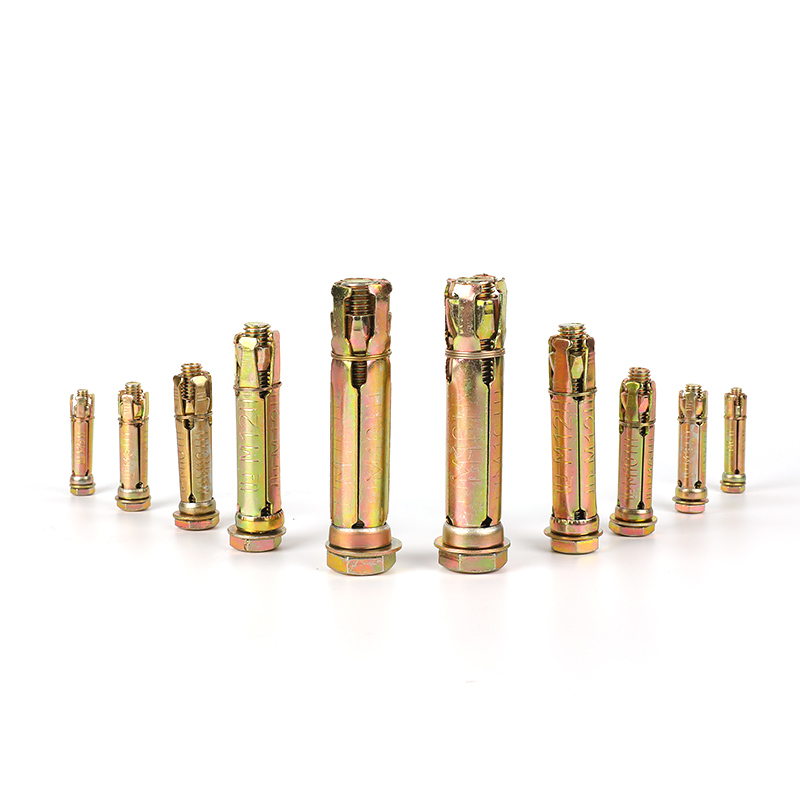
Fix anchorbolts include bolts, washers, nuts and 4PCS cylindrical shields. By tightening the bolts, the shields tubes expand and the components can be...
See Details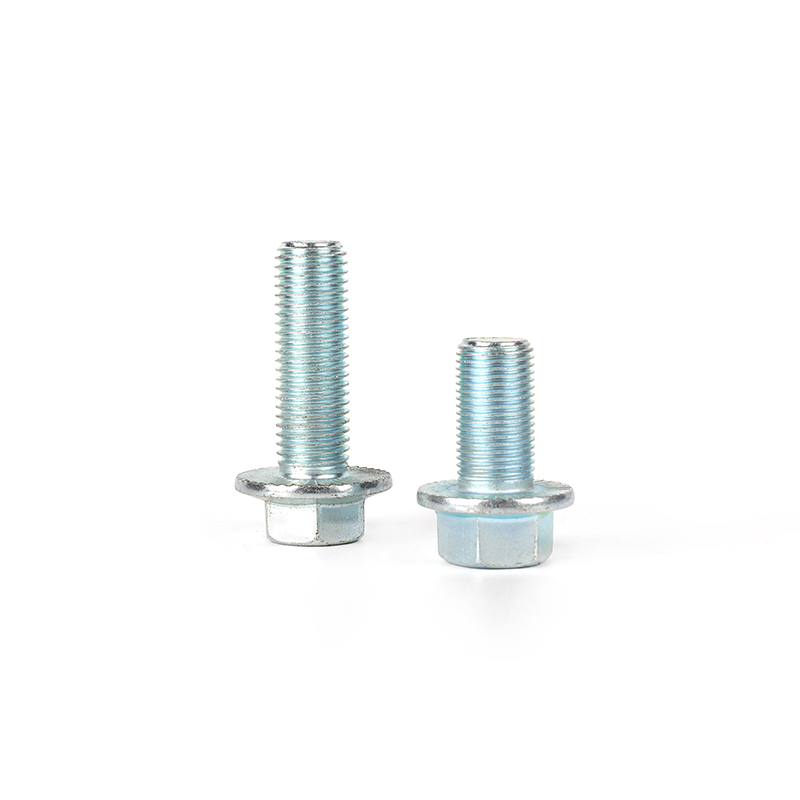
Flange bolts are specially used to tightly connect pipes and components with flanges. We produce flange bolts are solid t and durablethat, compling wi...
See Details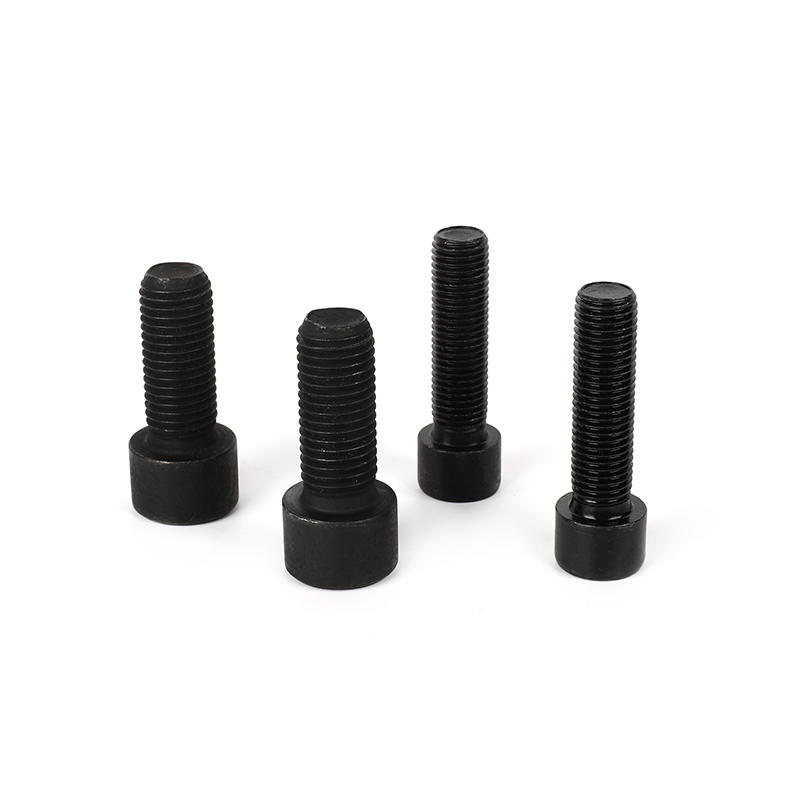
The Grade 8.8 black oxide full-thread hexagon socket bolts have an internal hex design and needs to be used with a wrench with a hex head. Its full th...
See Details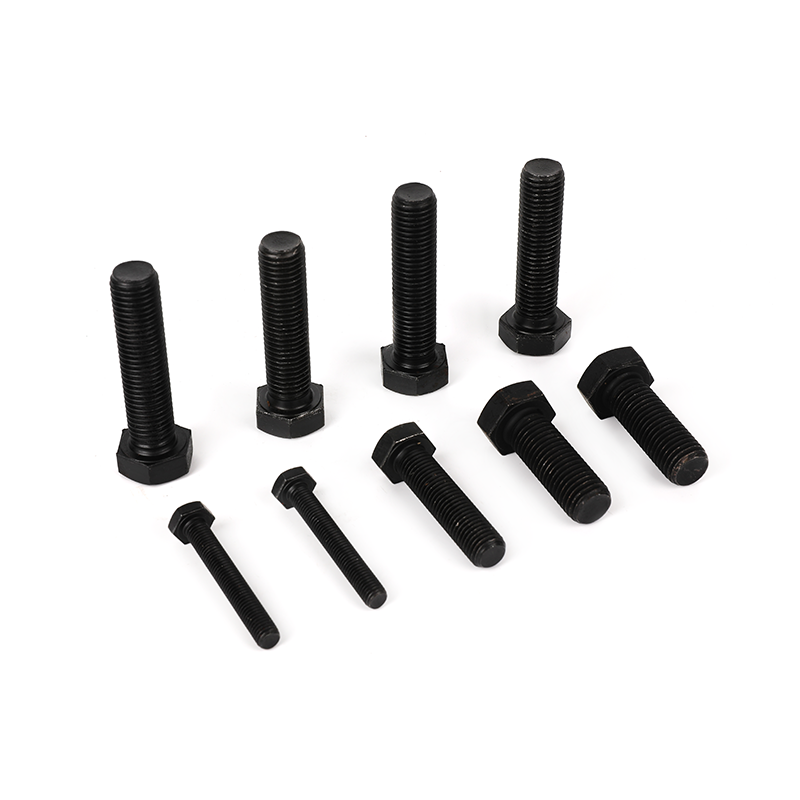
Grade 8.8 black oxide full-thread hexagon bolts is a very common fastener and requires a wrench or hex wrench to tighten it. Our hex head bolt meet th...
See Details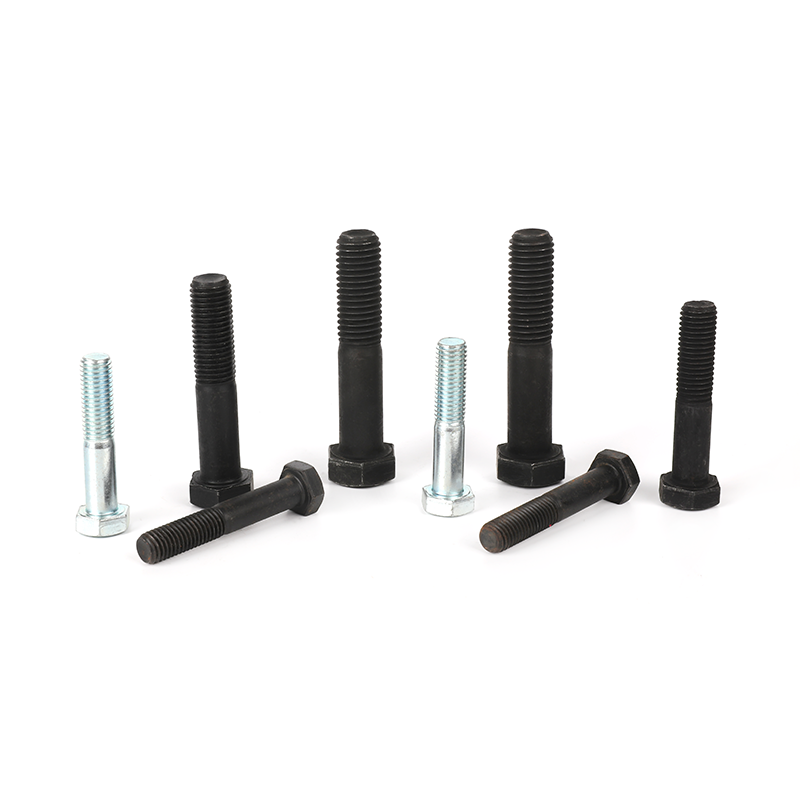
This product is made of high-quality carbon steel and undergoes a rigorous heat treatment process. It has high strength, good elasticity and toughness...
See Details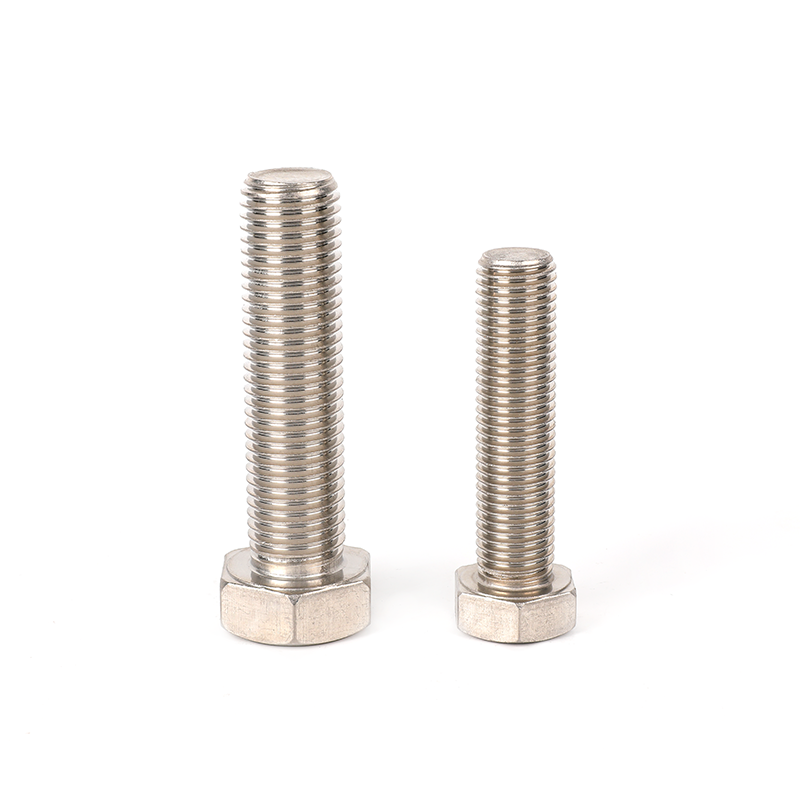
This 304 stainless steel plain full-thread hexagon bolt is a kind of fasteners made of high-quality stainless steel material and has corrosion resista...
See Details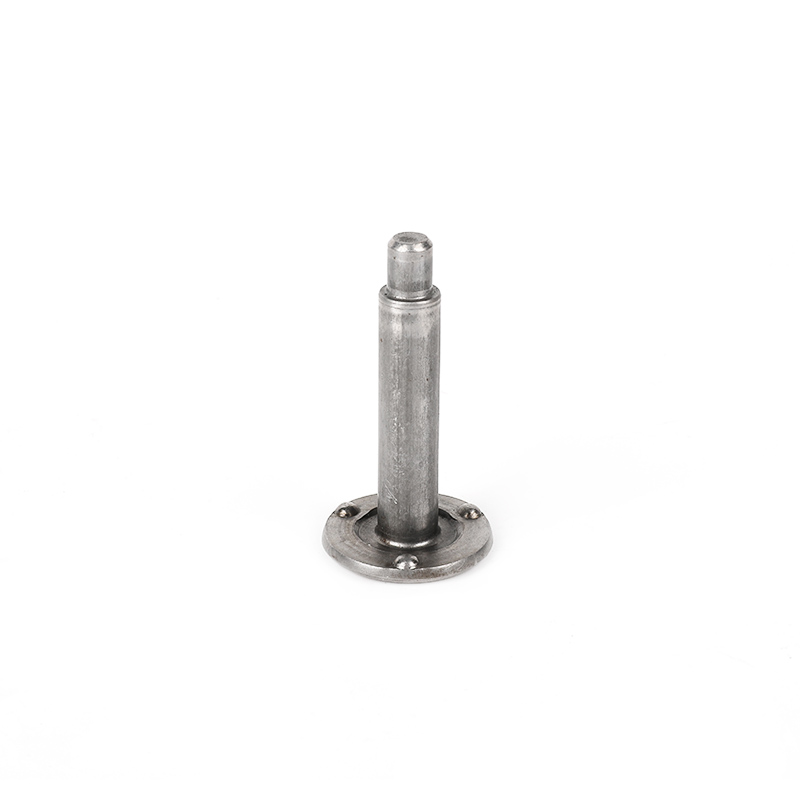
This plain round flat head weld shoulder bolt is a fastener suitable for a variety of welding applications. Its flat head and round head design makes ...
See Details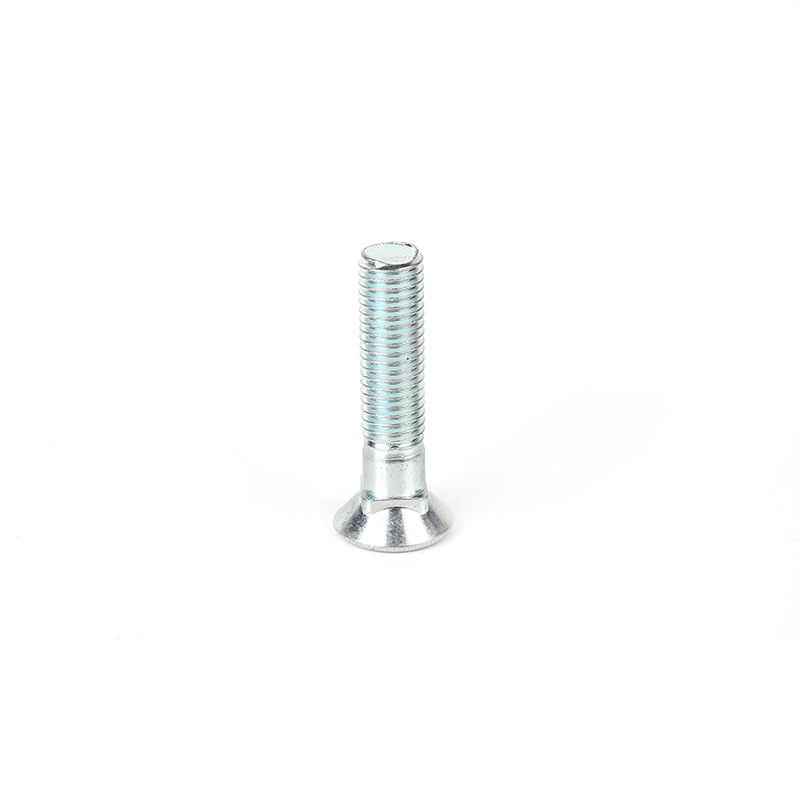
This Grade 12.9 zinc plated countersunk head square neck plow bolt has the advantages of high precision, high operability, high strength, and high ten...
See Details
Room 102, Building 13, Area A, Wanyang Zhongchuang Park, Ganyao Town, Jiashan County, Zhejiang China.
+86-17858810290
+86-573-84648787
product
mobile
