 English
 عربى
عربى
Room 102, Building 13, Area A, Wanyang Zhongchuang Park, Ganyao Town, Jiashan County, Zhejiang China.
Industrial test weights are precision-engineered mass standards used to verify, calibrate, and adjust weighing equipment across manufacturing, logistics, pharmaceutical, and laboratory environments. Selecting the correct class, material, and certification level ensures compliance with regulatory standards like ISO 9001 and maintains measurement accuracy within tolerances as tight as ±0.0001% for high-precision applications.
Content
Industrial test weights are categorized by strict tolerance limits defined by international organizations. The two primary standards governing these classifications are OIML (International Organization of Legal Metrology) and ASTM (American Society for Testing and Materials). Understanding these classes is critical for matching weights to your specific instrumentation needs.
The ASTM E617 standard divides test weights into seven classes, ranging from ultra-precise laboratory standards to rugged industrial check weights. Each class specifies maximum permissible errors (MPE) for various nominal values.
| ASTM Class | Tolerance Level | Primary Application |
|---|---|---|
| Class 0 | Ultra-Precision | Reference standards for national labs |
| Class 1 | High Precision | Calibrating high-end analytical balances |
| Class 2 | Precision | Laboratory balances and precision scales |
| Class 3 | Medium | General laboratory use and top-loading balances |
| Class 4 | Standard | Student labs and field testing |
| Class 5 | Coarse | Industrial floor scales and crane scales |
| Class 6 | Rough | Heavy-duty industrial checks |
In regions following metric legal metrology, OIML R 111 is the governing standard. Class E1 corresponds roughly to ASTM Class 1, while F1 and F2 align with ASTM Class 2 and 3 respectively. M1, M2, and M3 classes are used for commercial trading and industrial applications where extreme precision is less critical than durability.
The material composition of industrial test weights directly impacts their stability, corrosion resistance, and magnetic properties. Choosing the right material ensures long-term accuracy and reduces maintenance frequency.
Austenitic stainless steel (grades 304 or 316) is the preferred material for high-precision classes (ASTM 0-2). It offers excellent corrosion resistance, low magnetic susceptibility, and high density. Polished stainless steel weights are easy to clean and maintain, making them ideal for pharmaceutical and food processing environments where hygiene is paramount. However, they come at a premium cost compared to other materials.
For industrial classes (ASTM 4-6), cast iron or carbon steel with protective coatings is standard. These materials are cost-effective and durable enough for harsh warehouse or factory floors. To prevent rust, they are typically coated with epoxy, powder coat, or chrome plating. While heavier and bulkier than stainless steel equivalents, they provide sufficient stability for checking floor scales, pallet jacks, and truck weighbridges.
Brass weights are often used in educational settings and mid-range laboratory applications. They offer good corrosion resistance and are non-sparking, which is beneficial in certain hazardous environments. However, brass can tarnish over time, requiring regular polishing to maintain mass stability. Their density is lower than steel, resulting in larger physical sizes for the same nominal mass.
For regulated industries, possessing the physical weight is not enough; documented proof of its accuracy is essential. Certification provides the chain of traceability linking your test weights back to national or international standards.
Manufacturers typically offer different levels of documentation:
Test weights drift over time due to wear, contamination, and environmental factors. A general rule of thumb is to recalibrate annually for high-precision classes (0-2) and every 2-3 years for industrial classes (3-6). However, usage frequency and handling practices may necessitate more frequent checks. Implementing a preventive maintenance schedule helps detect drift before it affects production quality.
Even the highest quality industrial test weights can lose accuracy if mishandled. Strict protocols must be followed to preserve their mass value and surface integrity.
Never touch precision weights with bare hands. Skin oils and moisture can add microscopic mass or cause corrosion. Always use clean, lint-free gloves or specialized weight-handling tools such as forceps, lifting tongs, or knobs designed for specific weight shapes. For large industrial weights, use designated lifting eyes or handles to avoid dropping or impacting the surface.
Regular cleaning removes dust and contaminants. Use a soft brush or lint-free cloth dampened with a mild solvent like ethanol or isopropyl alcohol. Avoid abrasive cleaners or scouring pads that can remove material. After cleaning, allow weights to acclimate to room temperature in a desiccator or controlled environment before use to prevent condensation.
Store test weights in their original cases or dedicated cabinets when not in use. The storage area should maintain stable temperature and humidity levels, ideally between 20°C ± 2°C and 45-60% relative humidity. Keep weights away from magnetic fields, vibrations, and corrosive chemicals. Stacking weights improperly can cause deformation, so always follow manufacturer guidelines for nesting or stacking limits.
Industrial test weights come in various forms beyond simple single masses. Choosing the right configuration optimizes efficiency and coverage for your calibration tasks.
Single weights are cost-effective for checking specific points on a scale, such as capacity or mid-range. Weight sets, arranged in decimal (1, 2, 2, 5 sequence) or binary (1, 2, 4, 8 sequence) increments, allow for flexible combination to test multiple load points. A typical 20kg set might include 10kg, 5kg, 2kg, 2kg, and 1kg weights, enabling tests at 1kg intervals up to 20kg.
Depending on the scale type, specific shapes may be required:
Investing in the correct industrial test weights and maintaining them properly is fundamental to ensuring measurement integrity. By aligning ASTM/OIML classes with your application requirements, selecting appropriate materials, and adhering to strict handling protocols, you safeguard product quality, regulatory compliance, and operational efficiency. Regular recalibration and documentation complete the cycle of trust in your weighing processes.
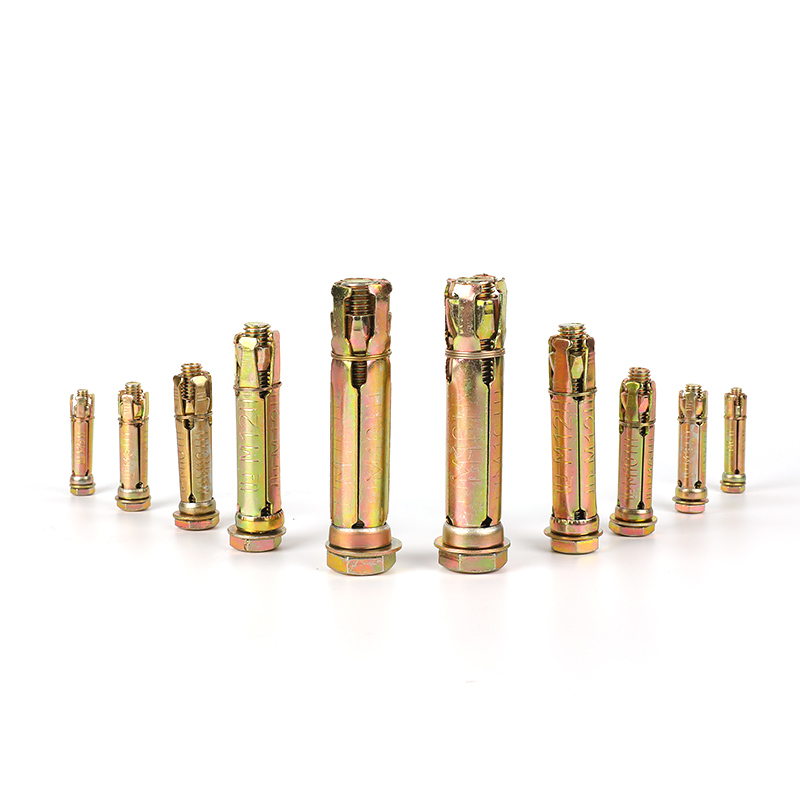
Fix anchorbolts include bolts, washers, nuts and 4PCS cylindrical shields. By tightening the bolts, the shields tubes expand and the components can be...
See Details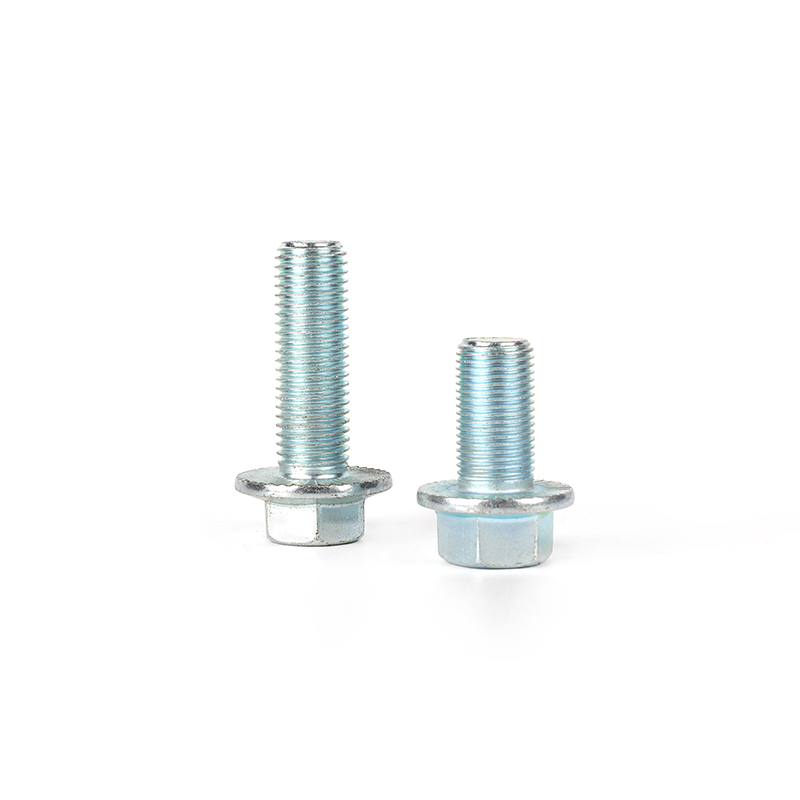
Flange bolts are specially used to tightly connect pipes and components with flanges. We produce flange bolts are solid t and durablethat, compling wi...
See Details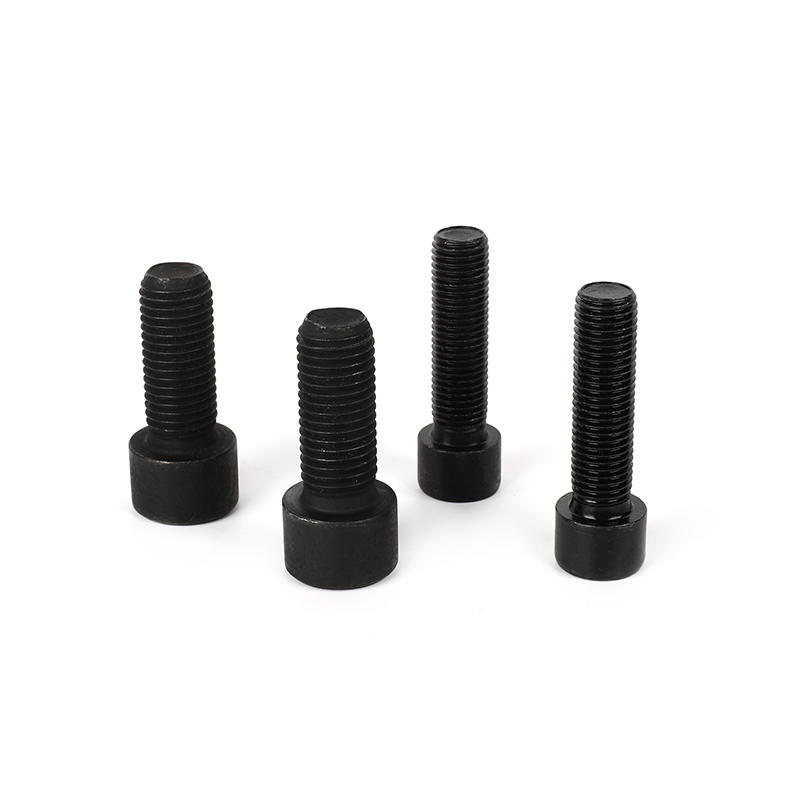
The Grade 8.8 black oxide full-thread hexagon socket bolts have an internal hex design and needs to be used with a wrench with a hex head. Its full th...
See Details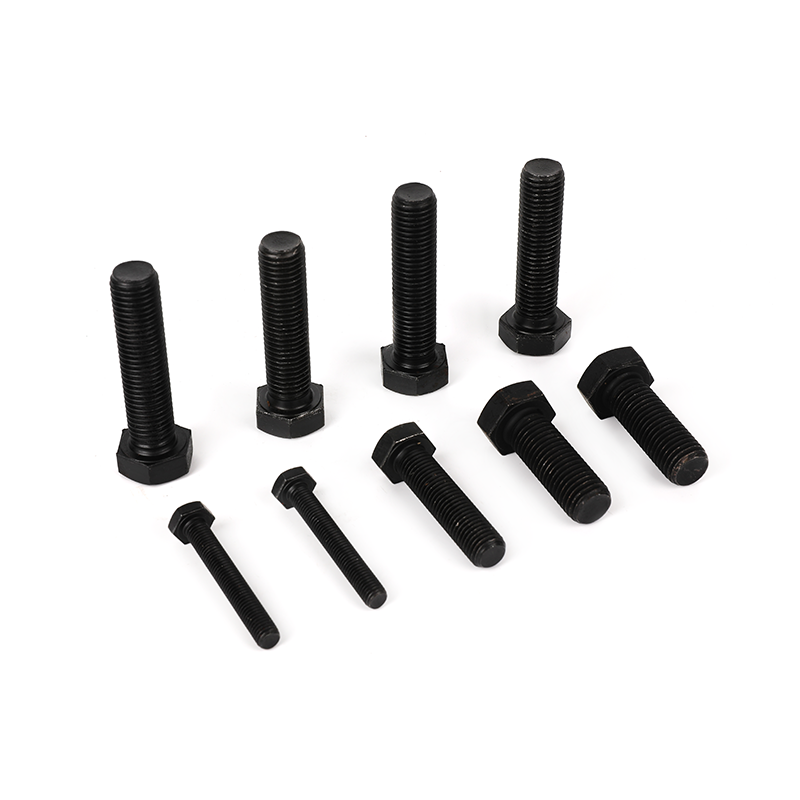
Grade 8.8 black oxide full-thread hexagon bolts is a very common fastener and requires a wrench or hex wrench to tighten it. Our hex head bolt meet th...
See Details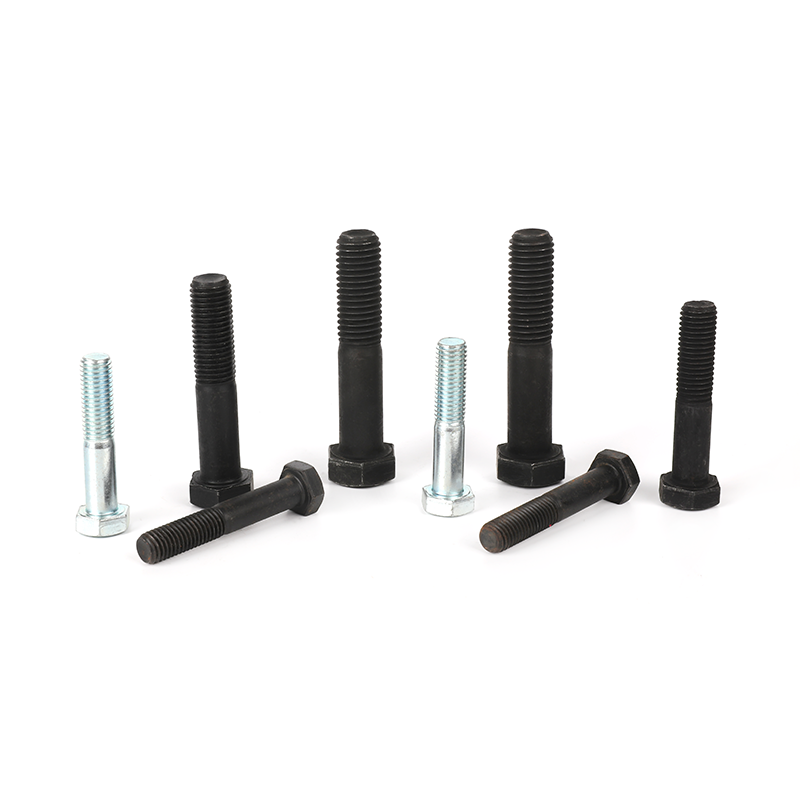
This product is made of high-quality carbon steel and undergoes a rigorous heat treatment process. It has high strength, good elasticity and toughness...
See Details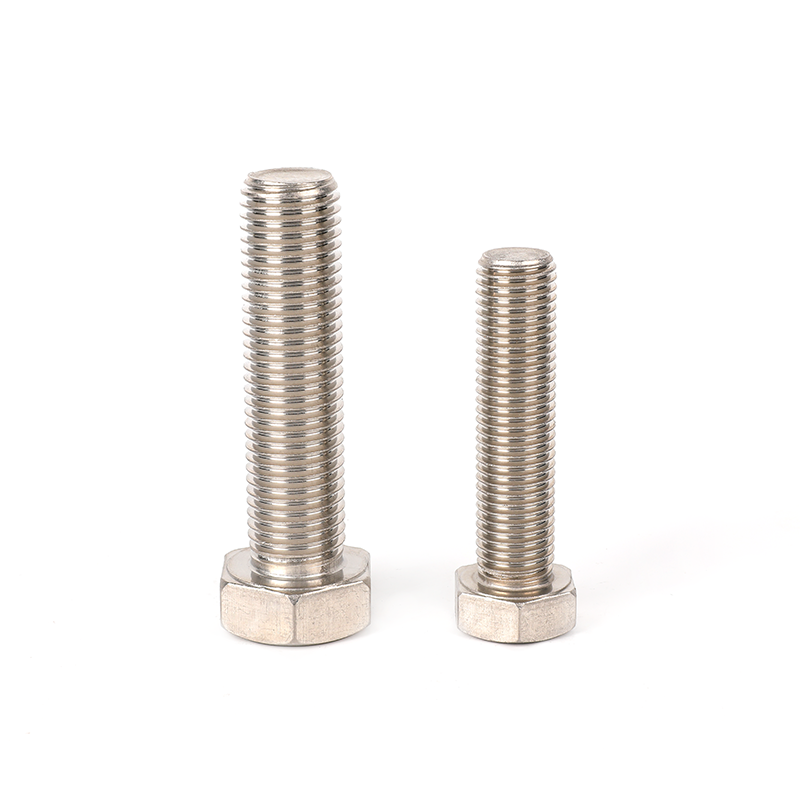
This 304 stainless steel plain full-thread hexagon bolt is a kind of fasteners made of high-quality stainless steel material and has corrosion resista...
See Details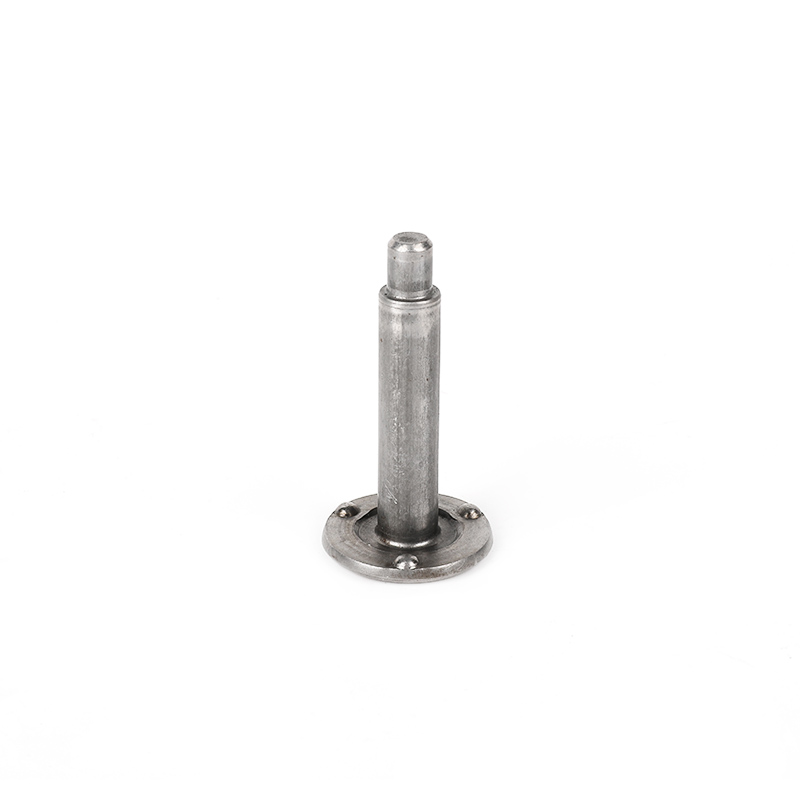
This plain round flat head weld shoulder bolt is a fastener suitable for a variety of welding applications. Its flat head and round head design makes ...
See Details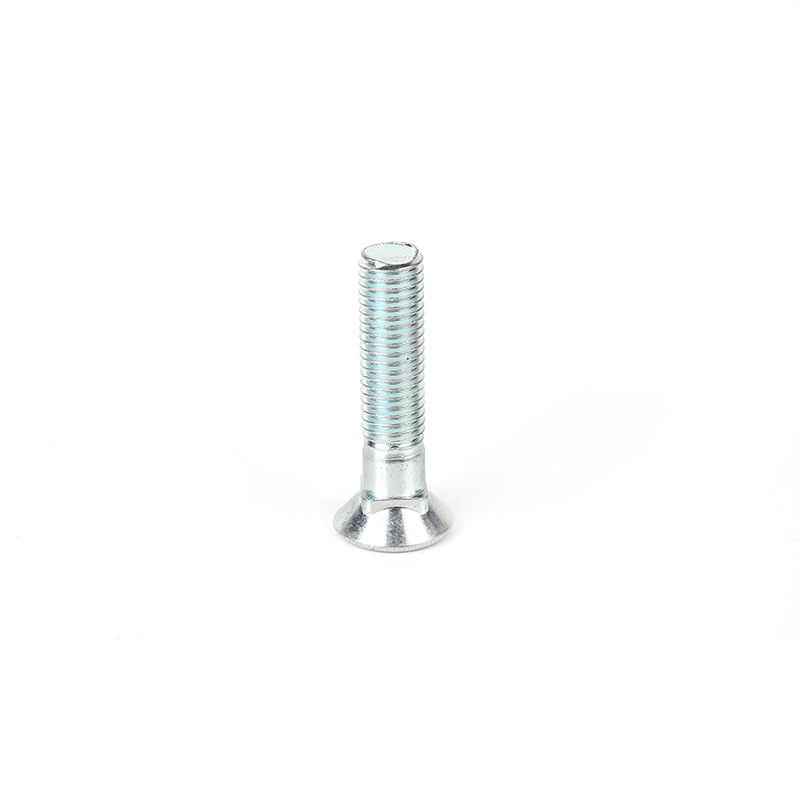
This Grade 12.9 zinc plated countersunk head square neck plow bolt has the advantages of high precision, high operability, high strength, and high ten...
See Details
Room 102, Building 13, Area A, Wanyang Zhongchuang Park, Ganyao Town, Jiashan County, Zhejiang China.
+86-17858810290
+86-573-84648787
product
mobile
