 English
 عربى
عربى
Room 102, Building 13, Area A, Wanyang Zhongchuang Park, Ganyao Town, Jiashan County, Zhejiang China.
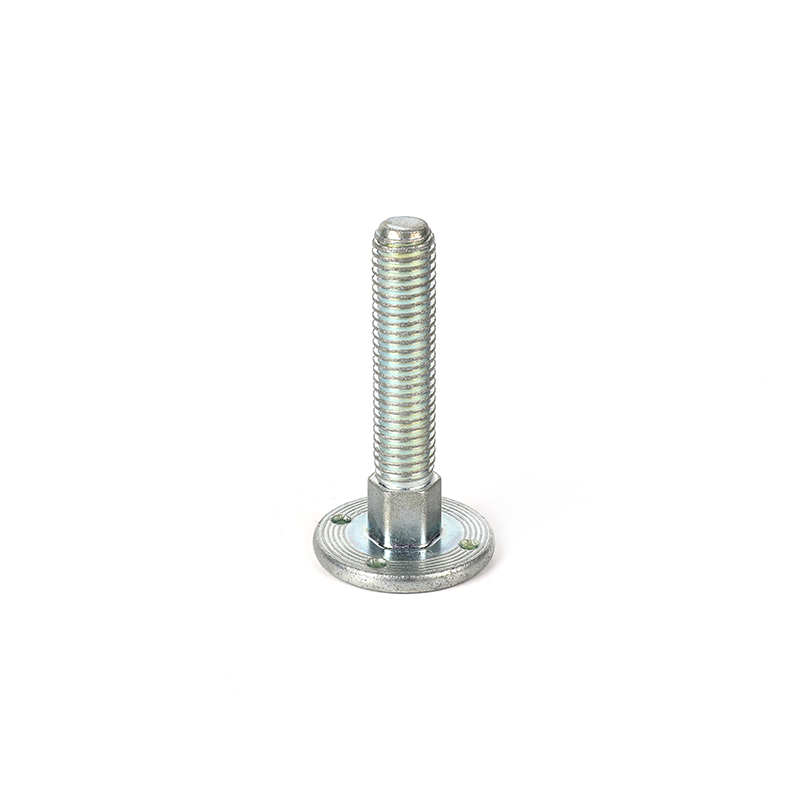
The reliability of a solar energy system is often determined by its smallest components. Photovoltaic bolts serve as the critical mechanical link between modules, racking systems, and mounting structures, enduring decades of thermal cycling, wind loads, and harsh environmental exposure. Using standard hardware instead of specialized photovoltaic bolts is the primary cause of premature racking failure and module micro-cracking. To ensure a 25-year operational lifespan, engineers must specify stainless steel (A2/A4) or hot-dip galvanized fasteners with precise torque control to prevent galvanic corrosion and mechanical loosening.
Content
Solar installations are frequently located in coastal areas, industrial zones, or humid climates where corrosion rates are accelerated. The choice of material for photovoltaic bolts is not merely a suggestion but a necessity for structural integrity.
Austenitic stainless steels are the most common choice for PV applications. A2 (304) stainless steel offers excellent resistance to atmospheric corrosion and is suitable for most inland installations. However, for coastal environments within 5 kilometers of the sea, A4 (316) stainless steel is mandatory due to its molybdenum content, which provides superior resistance to chloride-induced pitting and crevice corrosion.
For large-scale ground mounts using carbon steel racking, hot-dip galvanized bolts are cost-effective. The zinc coating acts as a sacrificial anode. It is crucial that the galvanization thickness meets ISO 1461 standards, typically requiring a minimum coating mass of 500 g/m² for fasteners. Mixing HDG bolts with stainless steel components without proper isolation can lead to rapid degradation of the zinc layer.
Galvanic corrosion occurs when two dissimilar metals are in electrical contact in the presence of an electrolyte, such as rain or condensation. In solar arrays, aluminum frames and rails are standard, making the choice of photovoltaic bolts critical to avoid bimetallic corrosion.
| Bolt Material | Potential Difference (V) | Risk Level | Required Isolation |
|---|---|---|---|
| Stainless Steel A2/A4 | ~0.15 - 0.20 | Low | None generally required |
| Hot-Dip Galvanized | ~0.60 - 0.80 | Moderate | Recommended (EPDM washer) |
| Carbon Steel (Plated) | > 1.00 | High | Mandatory (Insulated sleeve) |
When using stainless steel photovoltaic bolts with aluminum rails, the risk of galvanic corrosion is minimal. However, if carbon steel or galvanized bolts must be used, installers should employ EPDM rubber washers or plastic insulating sleeves to break the electrical circuit between the bolt and the aluminum profile.
Proper torque application is vital for maintaining clamp load over the lifetime of the solar array. Under-torquing leads to loosening from vibration and thermal expansion, while over-torquing can strip threads or crush aluminum profiles, compromising the structural bond.
Torque values depend on the bolt diameter, grade, and lubrication. For standard M8 A2-70 stainless steel photovoltaic bolts, the typical torque range is 15 to 20 Nm. For M10 bolts, this increases to approximately 30 to 35 Nm. Always refer to the racking manufacturer’s specific guidelines, as these values can vary based on the clip design and material thickness.
Installers must use calibrated torque wrenches rather than impact drivers for the final tightening stage. Impact tools can easily exceed yield strengths, causing microscopic cracks in the bolt head or stripping the aluminum threads. Regular verification of torque settings during installation audits ensures consistency across the array.
Even the highest quality photovoltaic bolts will fail if installed incorrectly. Adhering to strict installation protocols minimizes maintenance needs and maximizes system safety.
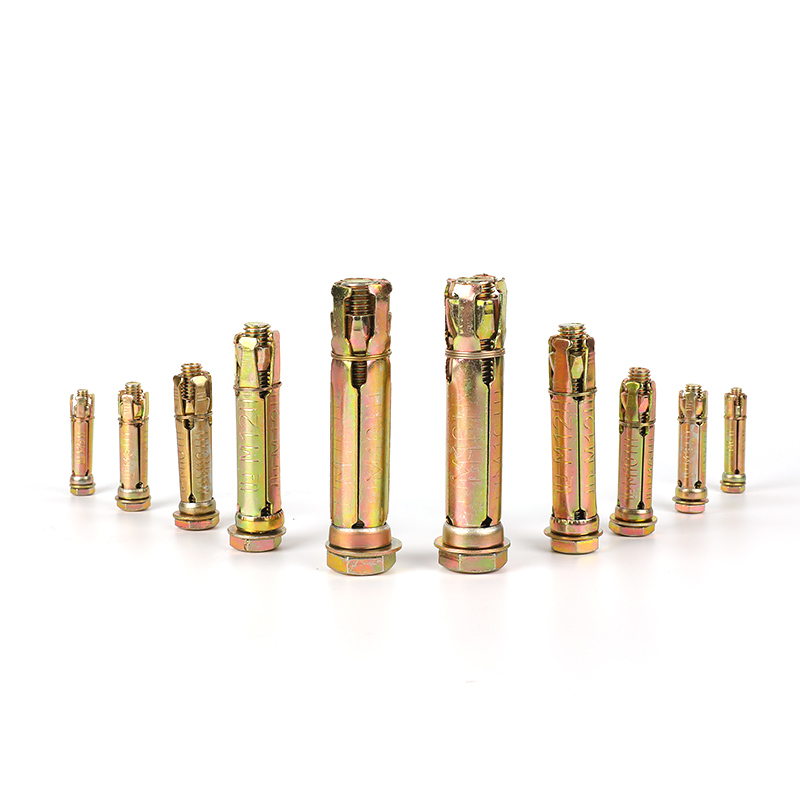
Fix anchorbolts include bolts, washers, nuts and 4PCS cylindrical shields. By tightening the bolts, the shields tubes expand and the components can be...
See Details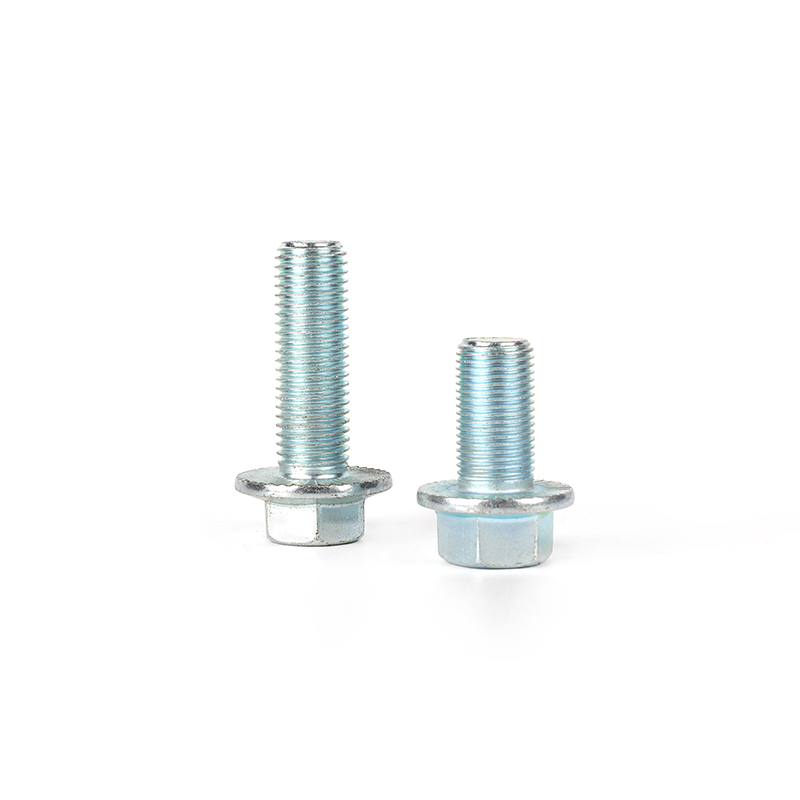
Flange bolts are specially used to tightly connect pipes and components with flanges. We produce flange bolts are solid t and durablethat, compling wi...
See Details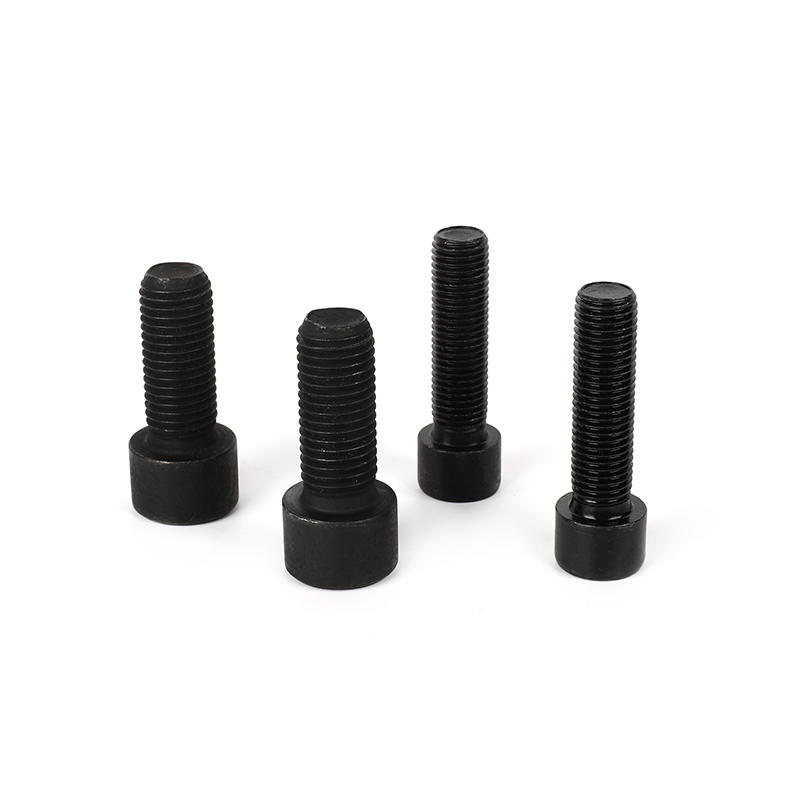
The Grade 8.8 black oxide full-thread hexagon socket bolts have an internal hex design and needs to be used with a wrench with a hex head. Its full th...
See Details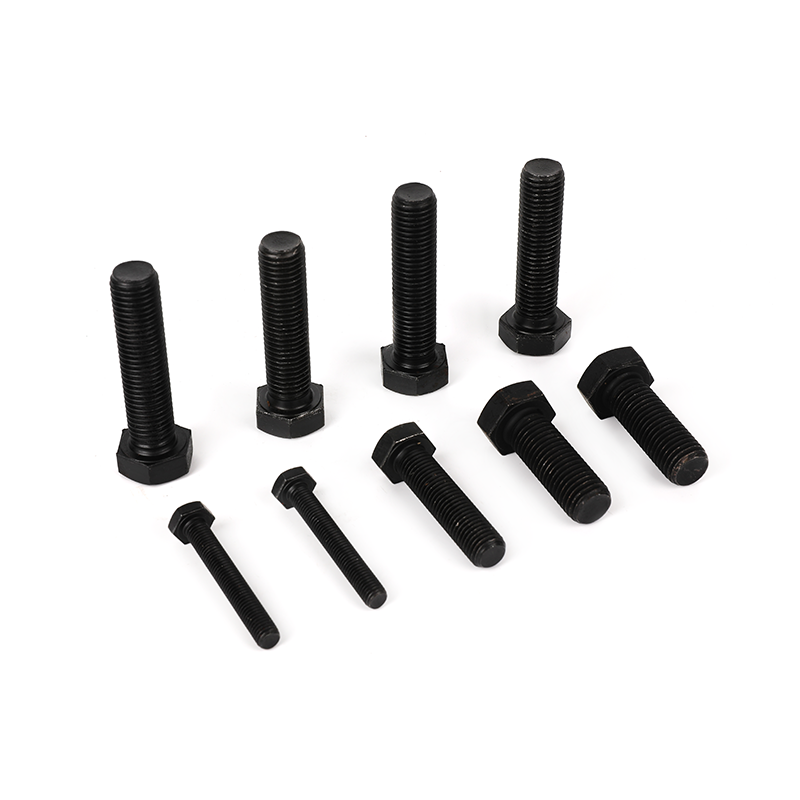
Grade 8.8 black oxide full-thread hexagon bolts is a very common fastener and requires a wrench or hex wrench to tighten it. Our hex head bolt meet th...
See Details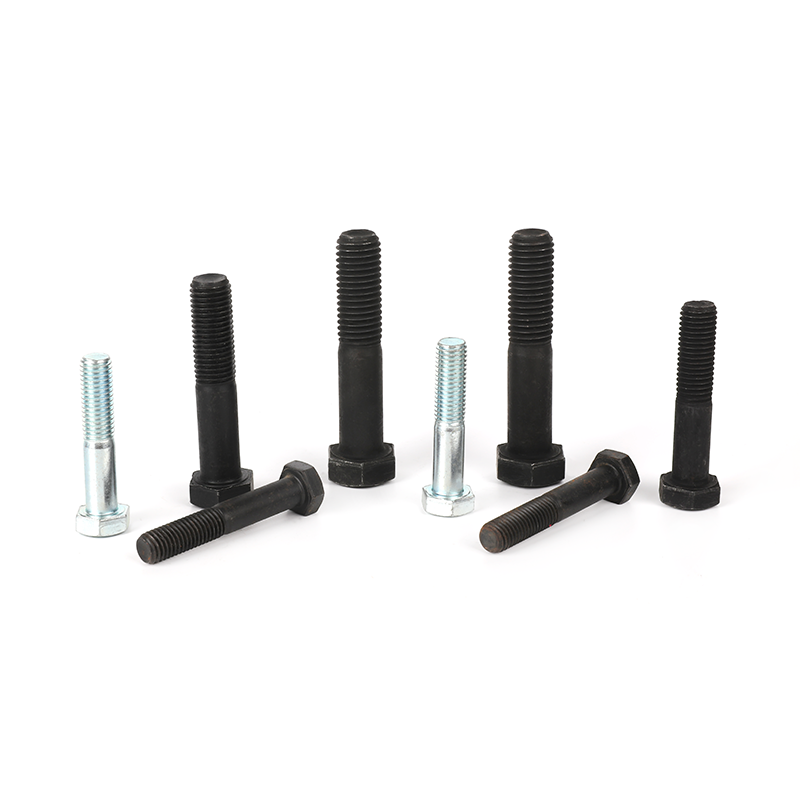
This product is made of high-quality carbon steel and undergoes a rigorous heat treatment process. It has high strength, good elasticity and toughness...
See Details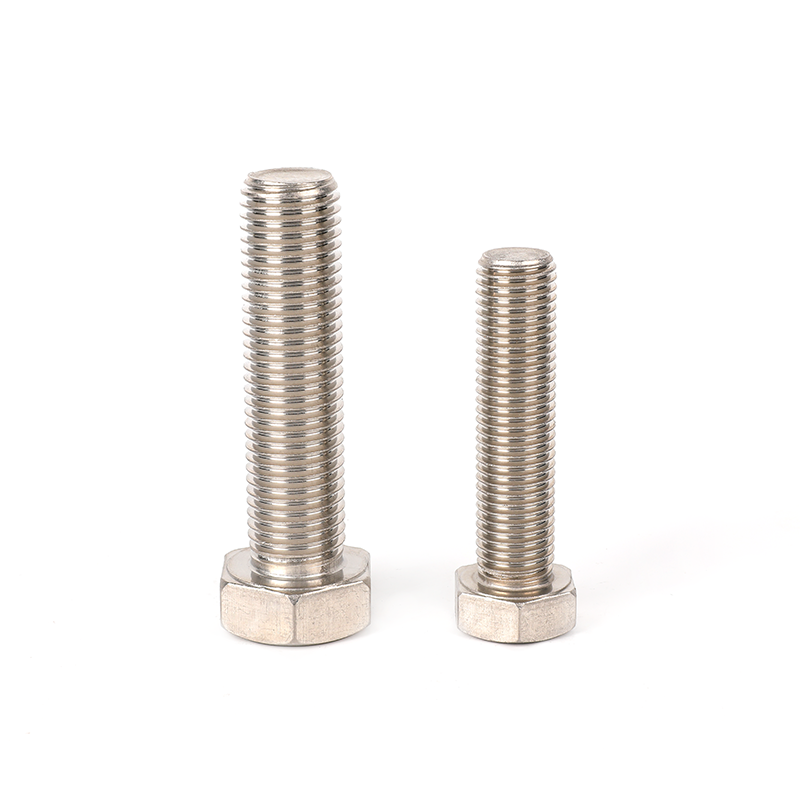
This 304 stainless steel plain full-thread hexagon bolt is a kind of fasteners made of high-quality stainless steel material and has corrosion resista...
See Details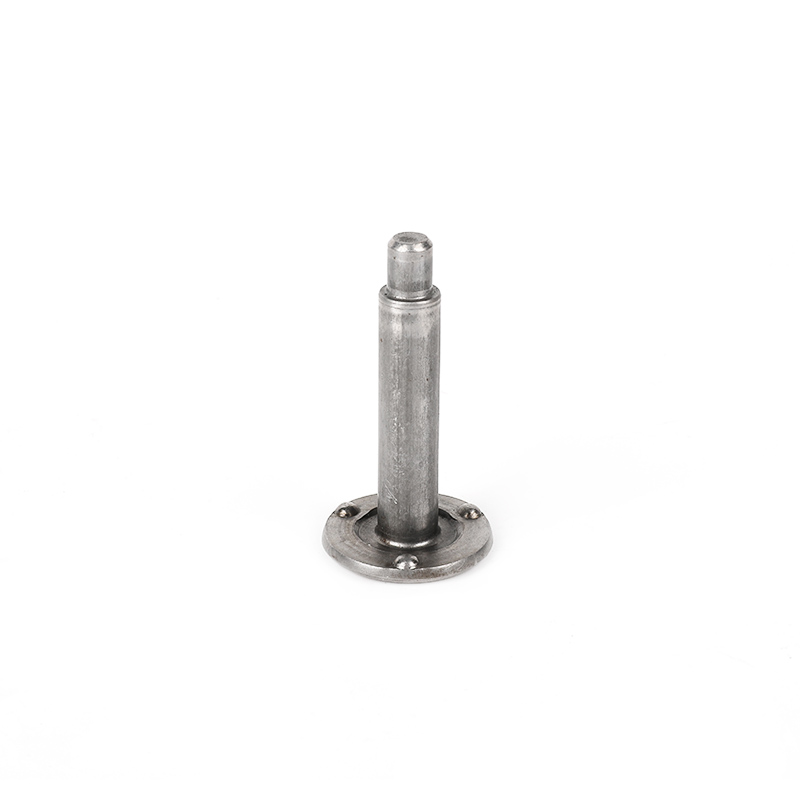
This plain round flat head weld shoulder bolt is a fastener suitable for a variety of welding applications. Its flat head and round head design makes ...
See Details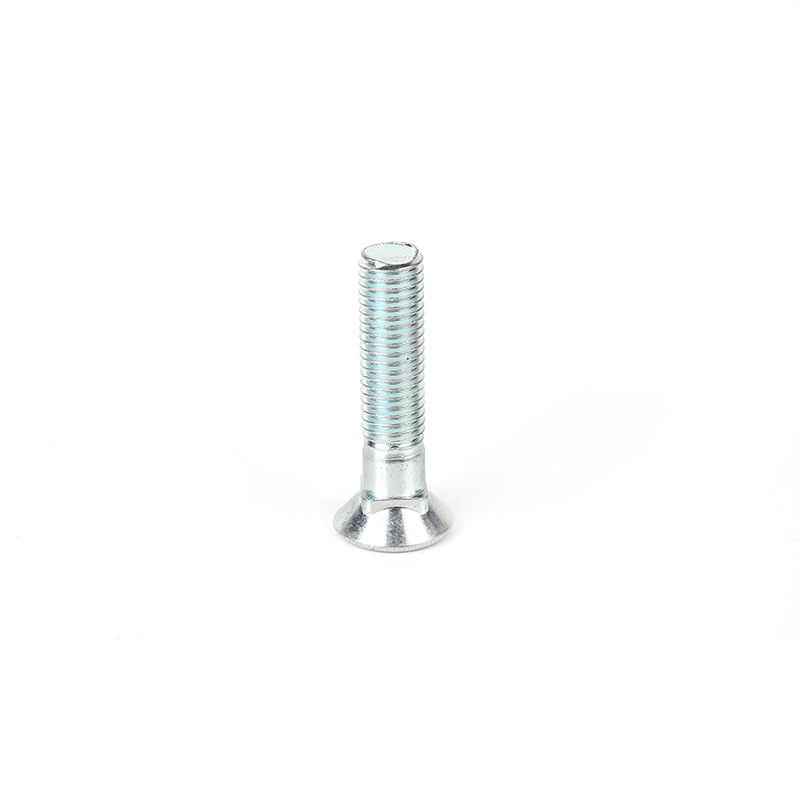
This Grade 12.9 zinc plated countersunk head square neck plow bolt has the advantages of high precision, high operability, high strength, and high ten...
See Details
Room 102, Building 13, Area A, Wanyang Zhongchuang Park, Ganyao Town, Jiashan County, Zhejiang China.
+86-17858810290
+86-573-84648787
product
mobile
