 English
 عربى
عربى
Room 102, Building 13, Area A, Wanyang Zhongchuang Park, Ganyao Town, Jiashan County, Zhejiang China.
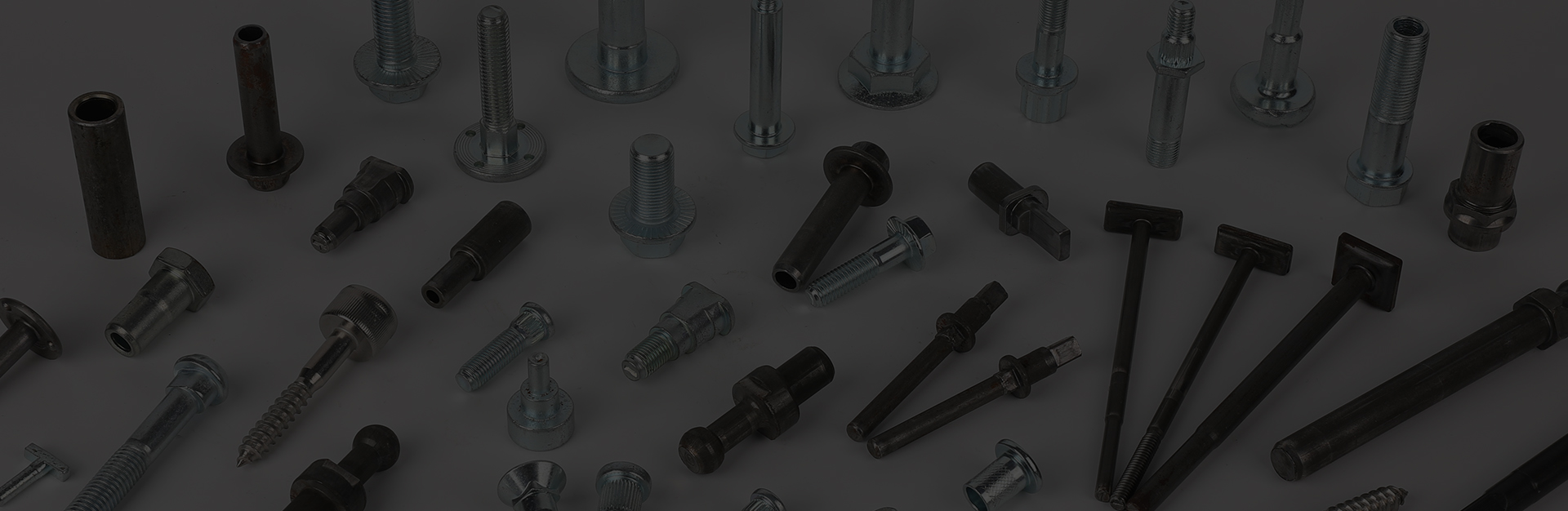
Photovoltaic bolts are the fasteners that secure solar panels, mounting rails, racking frames, and ground anchors into a complete, structurally sound PV system. They are not generic hardware-store bolts. The outdoor environment a solar installation operates in — UV radiation, thermal cycling from −40°C to +85°C, coastal salt spray, or industrial pollution — places demands on fasteners that ordinary carbon steel cannot meet over a 25–30 year system lifespan.
Choosing the wrong bolt grade or material can lead to galvanic corrosion, loosening under wind load, or structural failure that voids equipment warranties and creates safety hazards. This guide covers the types, materials, standards, torque requirements, and selection criteria that matter most in real PV installations.
Content
A typical rooftop or ground-mount PV system uses fasteners at multiple structural joints, each with different load requirements and exposure conditions:
PV racking manufacturers design their systems around specific bolt geometries that allow fast installation and reliable clamping without over-torquing thin aluminum profiles. The most common types are:
| Bolt Type | Typical Size | Primary Application | Key Feature |
|---|---|---|---|
| T-Head Bolt (Hammer-Head) | M8, M10 | Slides into aluminum rail channel to attach clamps | Tool-free positioning along rail; 90° rotation locks in channel |
| Hex Head Bolt | M8–M16 | Rail splices, bracket connections, structural joints | Standard wrench/socket drive; high clamping force |
| Flange Bolt (Serrated) | M8, M10 | Grounding bonds on aluminum rail surfaces | Serrations pierce anodizing to create electrical contact |
| Carriage Bolt | M10, M12 | Ground mount frame-to-post connections | Dome head resists rotation; self-locking in square hole |
| Lag Bolt / Lag Screw | 5/16"–1/2" diameter | Roof penetration into rafters | Wood-thread engagement; requires pilot hole |
| Anchor Bolt (J-bolt / L-bolt) | M16–M24 | Embedded in concrete footings for ground mount | Bent end provides mechanical lock within concrete |
The single most important material decision for photovoltaic bolts is corrosion resistance. Solar systems are designed for 25–30 year operational lifespans, and the fasteners must survive that entire period without rust-induced loosening, seizing, or structural degradation.
Most PV racking systems specify either A2 or A4 stainless steel bolts. The practical difference is molybdenum content: A4 (316) stainless contains 2–3% molybdenum, which dramatically improves resistance to chloride-induced pitting corrosion — the specific failure mode in coastal and marine environments. A2 (304) is suitable for inland installations; A4 (316) should be used within 1–5 km of a coastline or in industrial zones with airborne chlorides.
Large ground-mount installations — particularly utility-scale solar farms — often use hot-dip galvanized (HDG) structural bolts for anchor bolts and primary frame connections. HDG coating thickness of 85 µm or greater (per ASTM A153 or ISO 1461) provides 30–50 years of corrosion protection in most soil environments at significantly lower cost than all-stainless hardware at large scale. HDG is not recommended where direct contact with aluminum racking occurs, due to galvanic corrosion risk.
Virtually all PV racking rails are extruded aluminum (6005-T5 or 6061-T6). When stainless steel bolts contact aluminum in a wet environment, a galvanic cell forms. Stainless steel and aluminum are 0.25–0.50 V apart on the galvanic series — close enough that A2/A4 bolts are generally considered acceptable in this pairing. However, carbon steel or HDG bolts in direct contact with aluminum are problematic — the potential difference accelerates aluminum corrosion at the joint. Always use stainless or aluminum-compatible hardware at aluminum-to-fastener interfaces.
PV bolts must withstand sustained wind uplift loads, snow loads, and seismic forces over decades. Bolt strength is defined by property class (metric) or grade (inch):
| Property Class / Grade | Tensile Strength | Proof Load | Typical Use in PV |
|---|---|---|---|
| A2-70 / A4-70 | 700 MPa | 450 MPa | Standard panel clamps, rail connections, most rooftop systems |
| A2-80 / A4-80 | 800 MPa | 600 MPa | High-wind zones, large ground-mount primary structure |
| Class 8.8 (HDG) | 800 MPa | 640 MPa | Steel-to-steel ground mount structural joints |
| SAE Grade 5 (inch) | 120 ksi (827 MPa) | 92 ksi | US market roof lag bolts and anchor hardware |
For most residential and commercial rooftop systems, A2-70 stainless is the standard specification. Upgrading to A4-80 is advisable for coastal sites, high-wind areas (ASCE 7 wind speed ≥ 130 mph), or any installation where the racking engineer's structural calculations call for higher bolt preload.
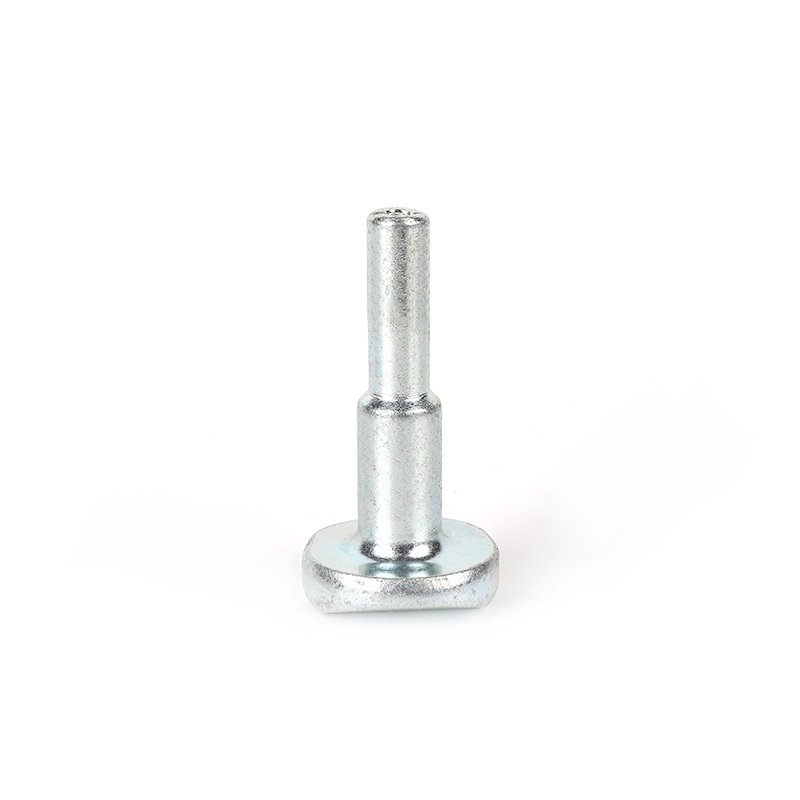
Torque specifications for photovoltaic bolts are tighter than most installers expect. The aluminum extrusions used in solar racking are relatively soft — 6005-T5 aluminum has a yield strength of only 240 MPa compared to 700+ MPa for the stainless bolts threading into it. Over-torquing strips threads in the aluminum nut or rail channel, requiring replacement of the entire rail section.
Under-torquing leaves the joint insufficiently preloaded, allowing movement under wind vibration that causes fretting fatigue and gradual loosening. Typical manufacturer-specified torque values for common PV bolt sizes:
| Bolt Size | Panel Clamp (Nm) | Rail-to-Bracket (Nm) | Steel-to-Steel (Nm) |
|---|---|---|---|
| M6 | 5–7 | 8–10 | 10–12 |
| M8 | 14–16 | 18–22 | 25–30 |
| M10 | 25–30 | 35–40 | 50–60 |
| M12 | — | 55–65 | 80–100 |
Always use a calibrated torque wrench for final tightening. Impact drivers set to maximum torque are not acceptable for PV panel clamp bolts — they routinely exceed manufacturer limits. Many racking manufacturers specify torque values dry (no lubricant); if anti-seize or thread lubricant is applied, reduce torque by approximately 20–25% to achieve the same clamp force.
Solar installations experience continuous low-amplitude vibration from wind and the daily thermal expansion and contraction of aluminum rail (aluminum expands at 23.6 µm/m·°C — a 6-meter rail section grows and shrinks by approximately 12mm between a −10°C winter night and a 60°C summer panel surface temperature). This movement can gradually back out bolts that lack anti-loosening provisions.
Common anti-loosening solutions used in PV systems include:
PV system certifications and structural permits increasingly require that fasteners meet documented material and dimensional standards. The most referenced standards are:
For permit-required installations, request material test reports (MTRs) or certificates of conformity from bolt suppliers that reference these standards. Counterfeit or substandard fasteners labeled with false property class markings are a documented problem in low-cost supply chains — third-party chemical composition and hardness verification is advisable for large projects sourcing hardware outside established distribution channels.
Use the following checklist when specifying or procuring fasteners for a PV project:
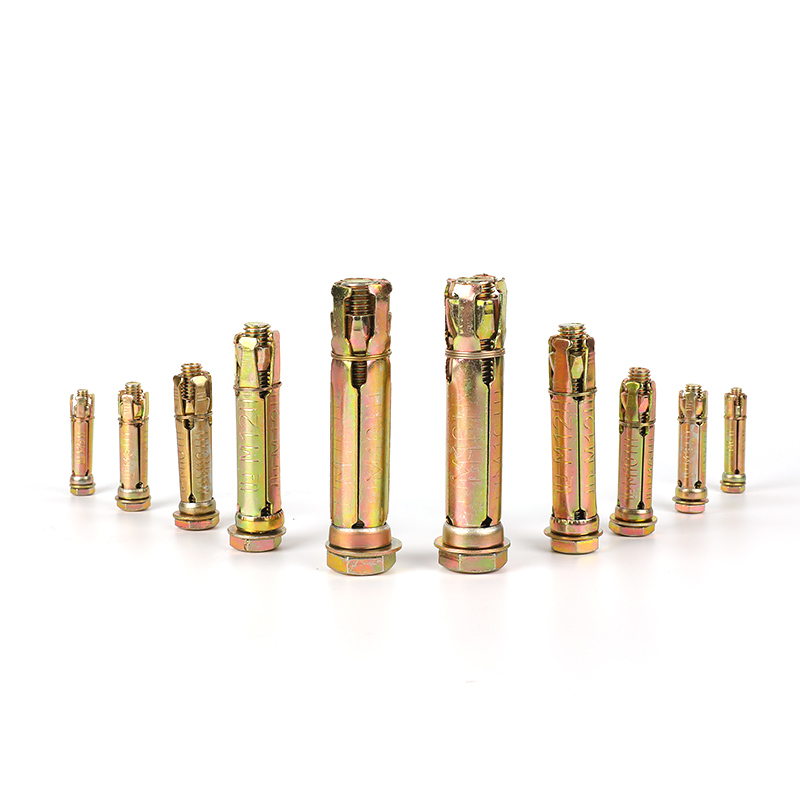
Fix anchorbolts include bolts, washers, nuts and 4PCS cylindrical shields. By tightening the bolts, the shields tubes expand and the components can be...
See Details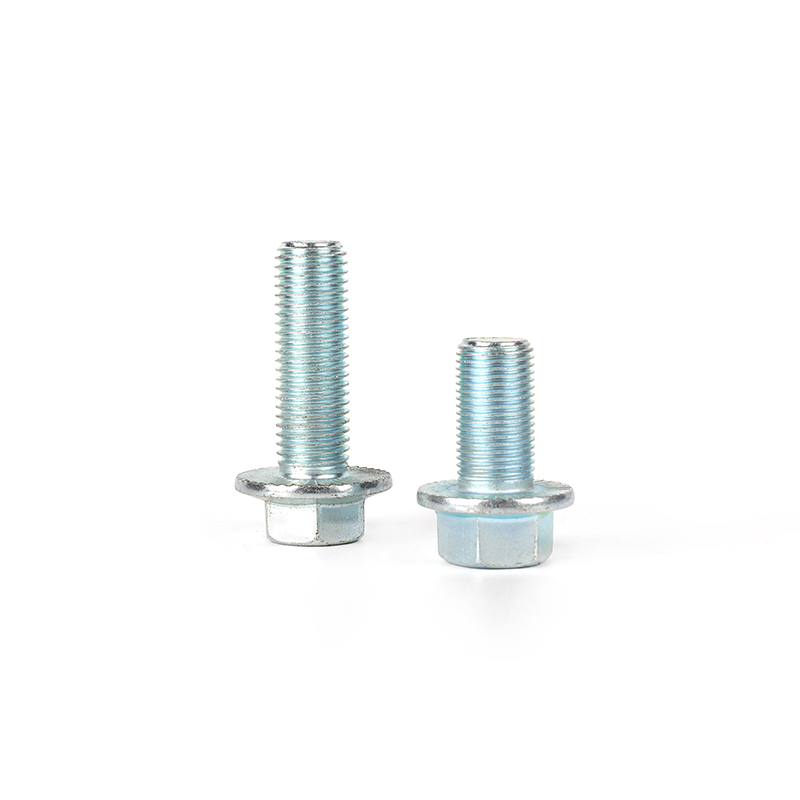
Flange bolts are specially used to tightly connect pipes and components with flanges. We produce flange bolts are solid t and durablethat, compling wi...
See Details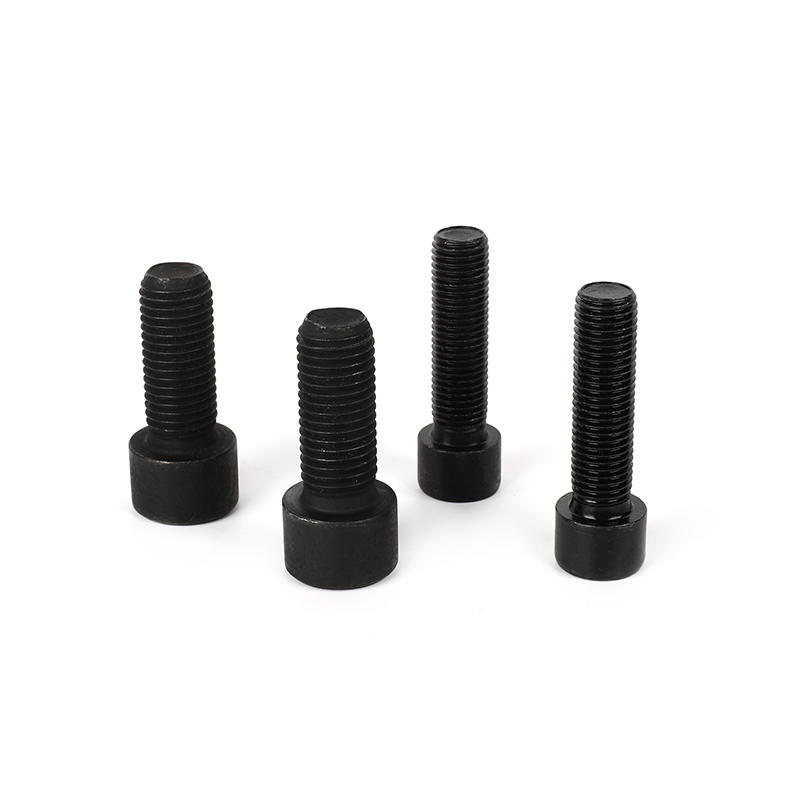
The Grade 8.8 black oxide full-thread hexagon socket bolts have an internal hex design and needs to be used with a wrench with a hex head. Its full th...
See Details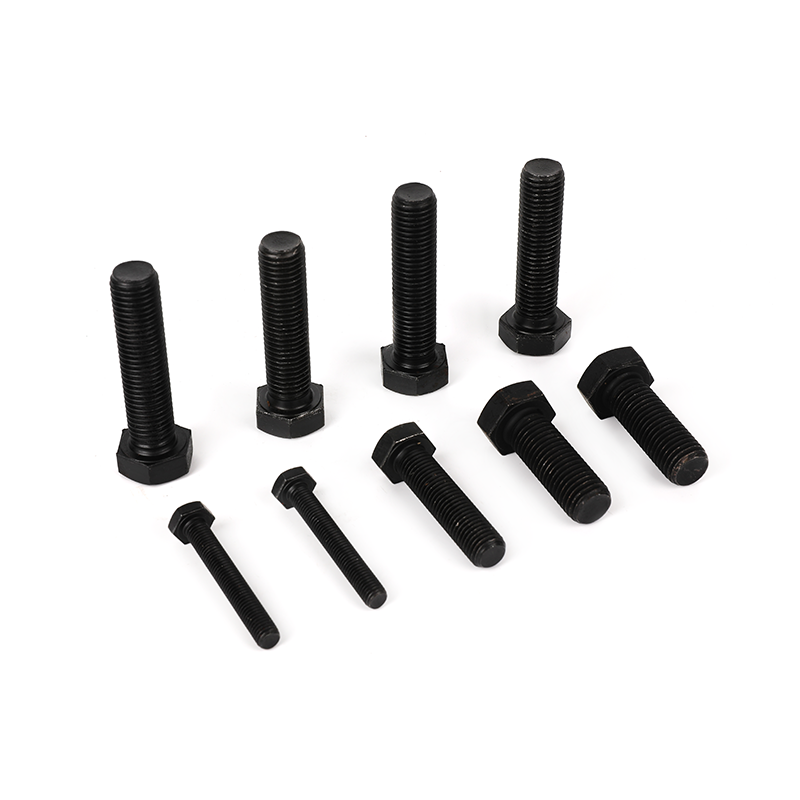
Grade 8.8 black oxide full-thread hexagon bolts is a very common fastener and requires a wrench or hex wrench to tighten it. Our hex head bolt meet th...
See Details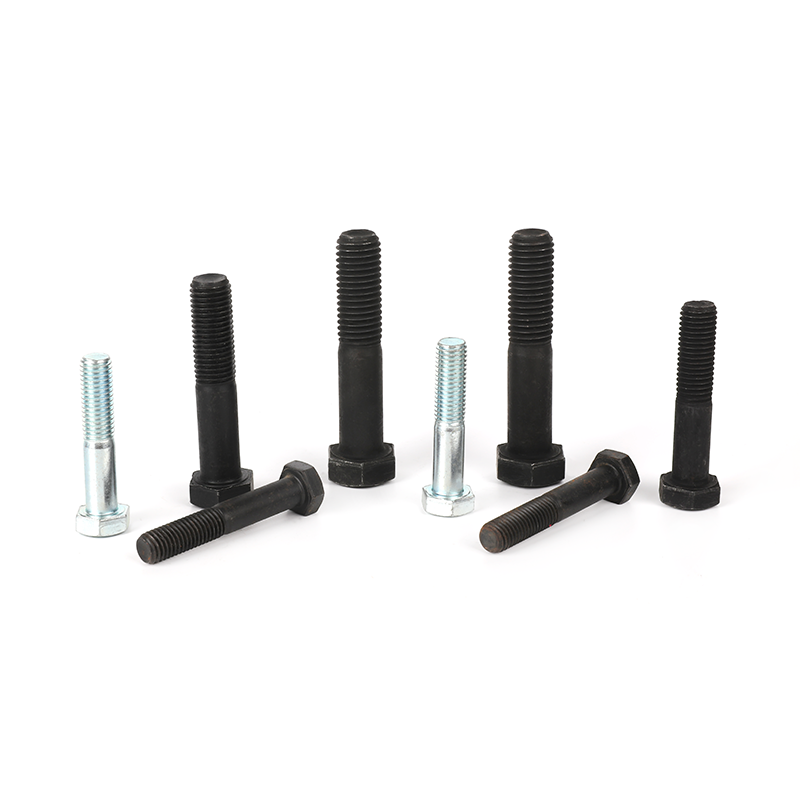
This product is made of high-quality carbon steel and undergoes a rigorous heat treatment process. It has high strength, good elasticity and toughness...
See Details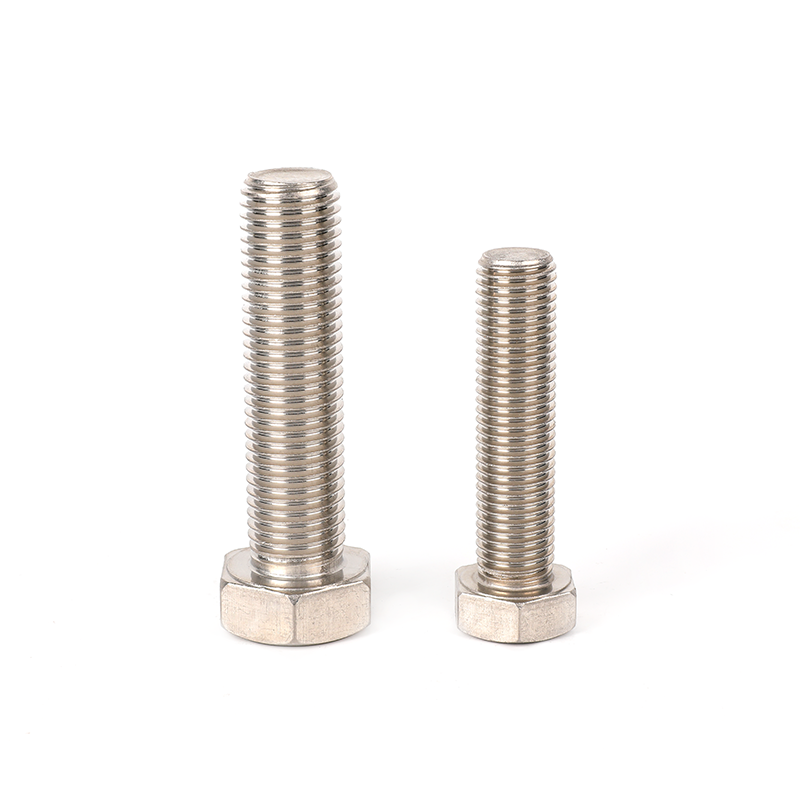
This 304 stainless steel plain full-thread hexagon bolt is a kind of fasteners made of high-quality stainless steel material and has corrosion resista...
See Details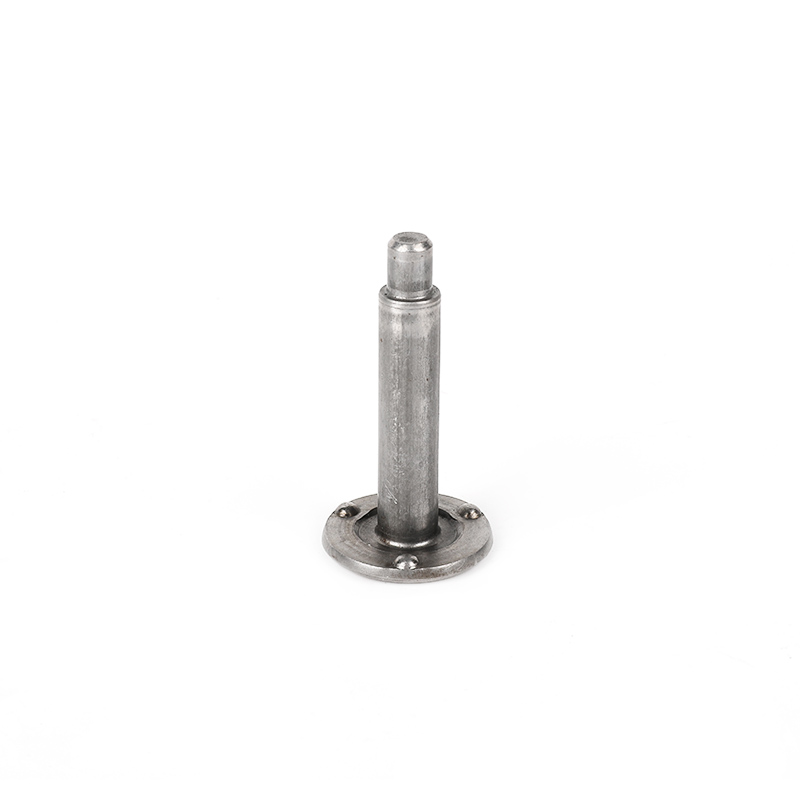
This plain round flat head weld shoulder bolt is a fastener suitable for a variety of welding applications. Its flat head and round head design makes ...
See Details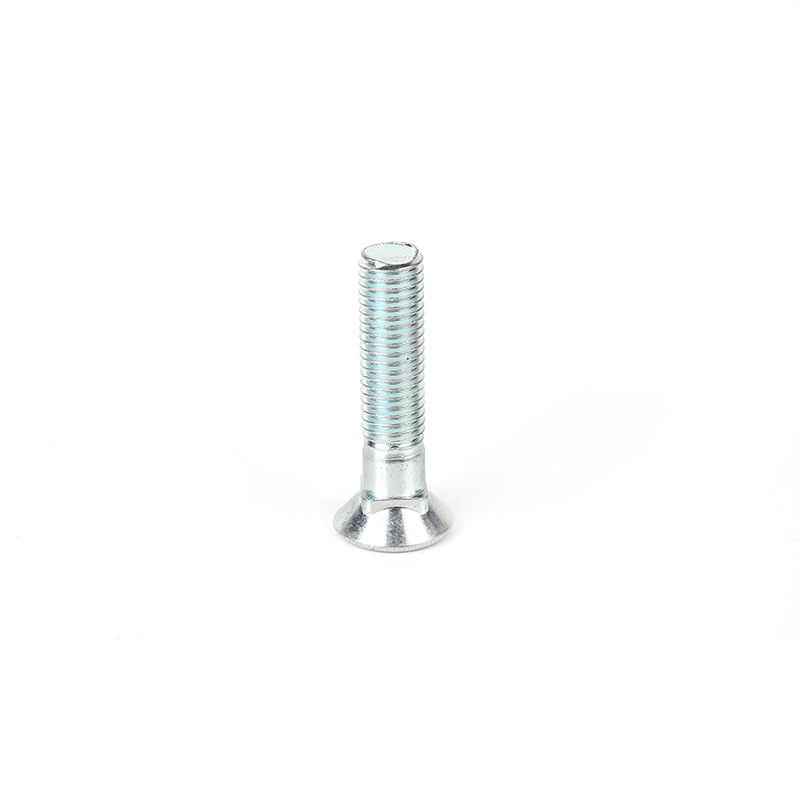
This Grade 12.9 zinc plated countersunk head square neck plow bolt has the advantages of high precision, high operability, high strength, and high ten...
See Details
Room 102, Building 13, Area A, Wanyang Zhongchuang Park, Ganyao Town, Jiashan County, Zhejiang China.
+86-17858810290
+86-573-84648787
product
mobile
