Room 102, Building 13, Area A, Wanyang Zhongchuang Park, Ganyao Town, Jiashan County, Zhejiang China.
Bolts are essential components in mechanical assemblies and construction, providing secure fastening for machinery, structures, and equipment. Among various types, fixing bolts and flange bolts are widely used. Understanding their differences, applications, and performance characteristics is crucial for engineers, technicians, and DIY enthusiasts to ensure safe and reliable assembly.
Fixing bolts and flange bolts have distinct structural features and purposes. Their design determines their load-bearing capacity, ease of installation, and application suitability.
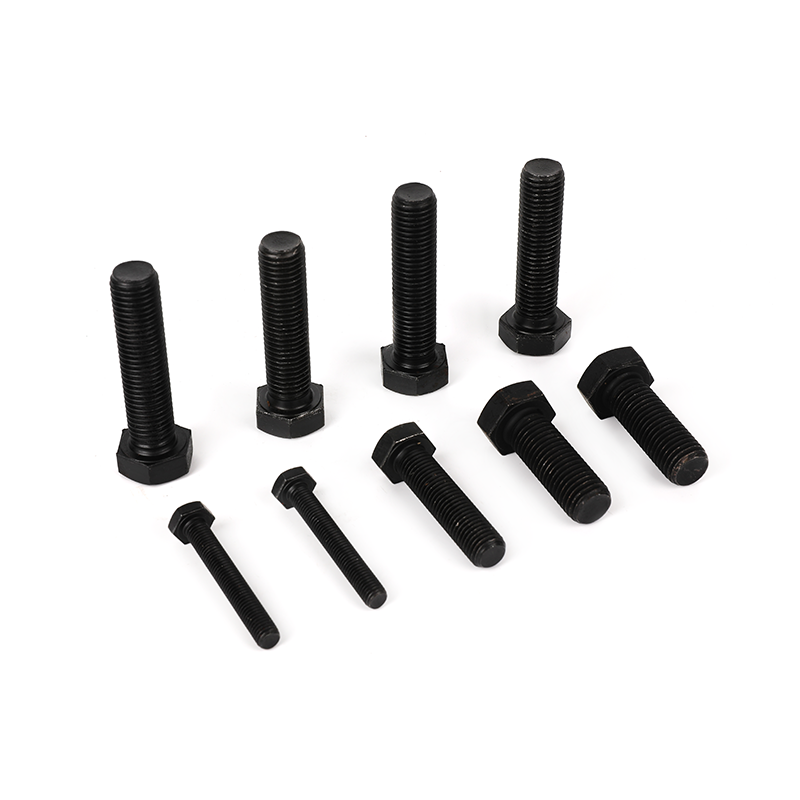
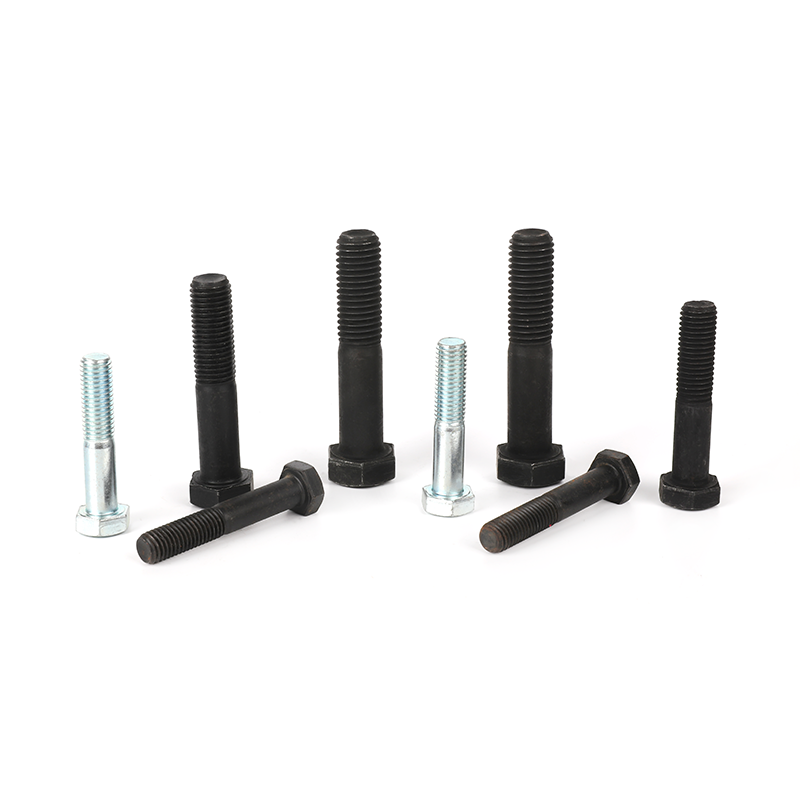
Fixing bolts are traditional bolts with a simple cylindrical shaft, threaded along part of their length. They are used to fasten components together through pre-drilled holes and usually require a nut or threaded insert to secure the assembly. They are versatile and widely used in machinery, furniture, and structural applications.
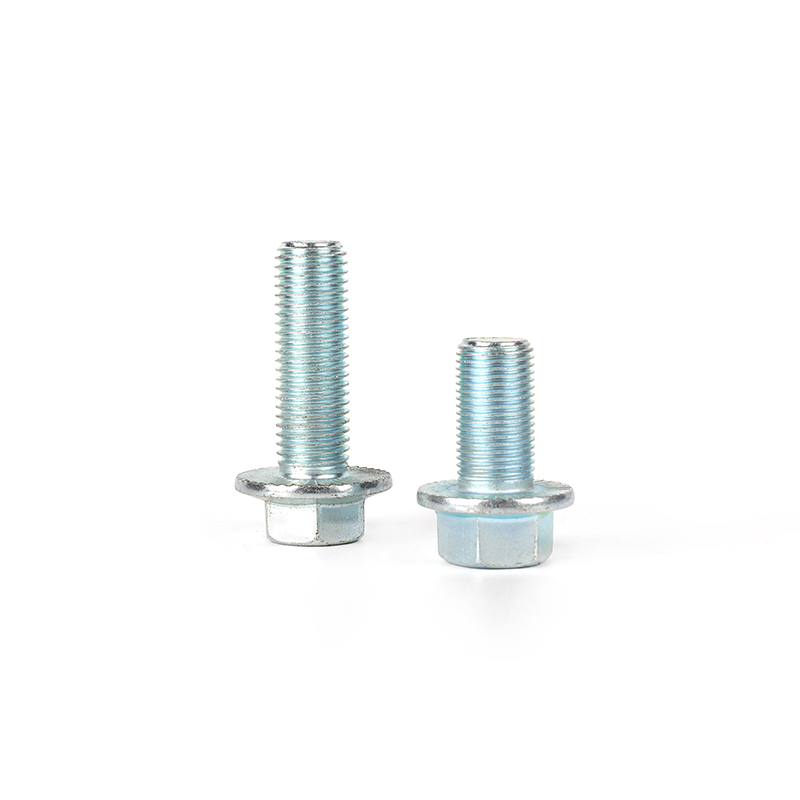
Flange bolts include an integrated flange beneath the bolt head, which acts like a built-in washer. This design distributes clamping force over a larger surface area, reducing the risk of damage to the material being fastened and improving stability. Flange bolts are often used in automotive, heavy machinery, and high-stress applications where vibration resistance is critical.
The choice of material affects corrosion resistance, strength, and durability. Both bolt types can be made from various materials depending on the application requirements.
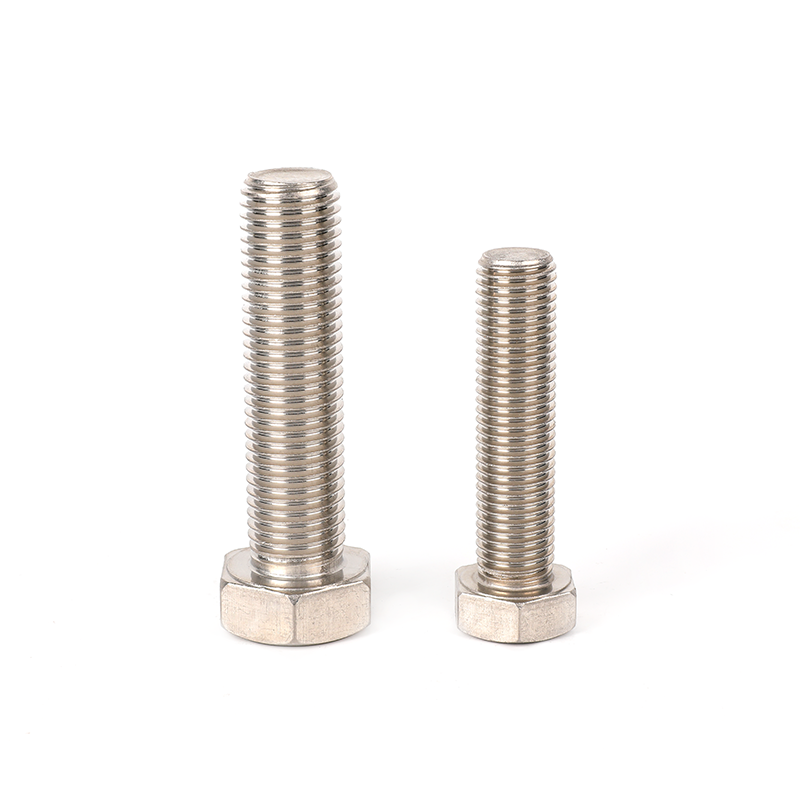
Fixing bolts are often manufactured from stainless steel, carbon steel, or alloy steel, offering a balance between cost and strength. Flange bolts are usually made from high-grade steel, sometimes with zinc or nickel coatings, to handle higher torque and resist corrosion in harsh environments.
Flange bolts generally provide higher load capacity due to the wider bearing surface and reduced risk of bolt head sinking into softer materials. Fixing bolts rely on a washer to distribute load, making them slightly less efficient under high-stress conditions.
The selection of fixing bolts or flange bolts depends on the specific application, load requirements, and environmental conditions.
Proper installation ensures optimal performance and safety. While both types require tightening to specified torque, flange bolts simplify installation by eliminating the need for separate washers.
Flange bolts distribute the clamping force over a larger area, reducing the risk of overtightening and material deformation. Fixing bolts require careful washer placement to avoid uneven stress and potential loosening.
Flange bolts are more resistant to loosening under vibration due to the integrated flange, making them ideal for automotive and machinery applications. Fixing bolts may require additional locking mechanisms, such as lock washers or thread-locking adhesives, to achieve similar stability.
| Feature | Fixing Bolt | Flange Bolt |
| Head Design | Standard bolt head, requires washer | Integrated flange head, no washer needed |
| Load Distribution | Depends on washer placement | Evenly distributed across flange |
| Vibration Resistance | Moderate, may need additional locking | High, integrated flange reduces loosening |
| Typical Applications | General fastening, furniture, light machinery | Automotive, heavy machinery, high-stress joints |
Fixing bolts and flange bolts serve distinct purposes. Fixing bolts are versatile and cost-effective, suitable for general fastening where load and vibration are moderate. Flange bolts provide better load distribution, higher vibration resistance, and simplified installation, making them ideal for high-stress applications. Understanding their structural and performance differences ensures safer, more reliable assemblies in engineering and construction projects.

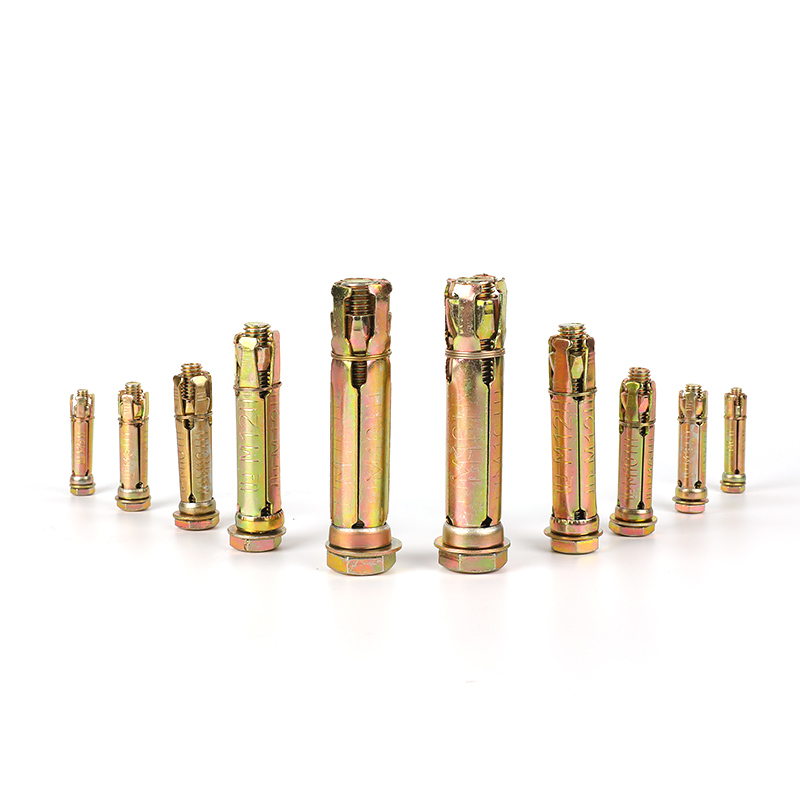
Fix anchorbolts include bolts, washers, nuts and 4PCS cylindrical shields. By tightening the bolts, the shields tubes expand and the components can be...
See Details
Flange bolts are specially used to tightly connect pipes and components with flanges. We produce flange bolts are solid t and durablethat, compling wi...
See Details
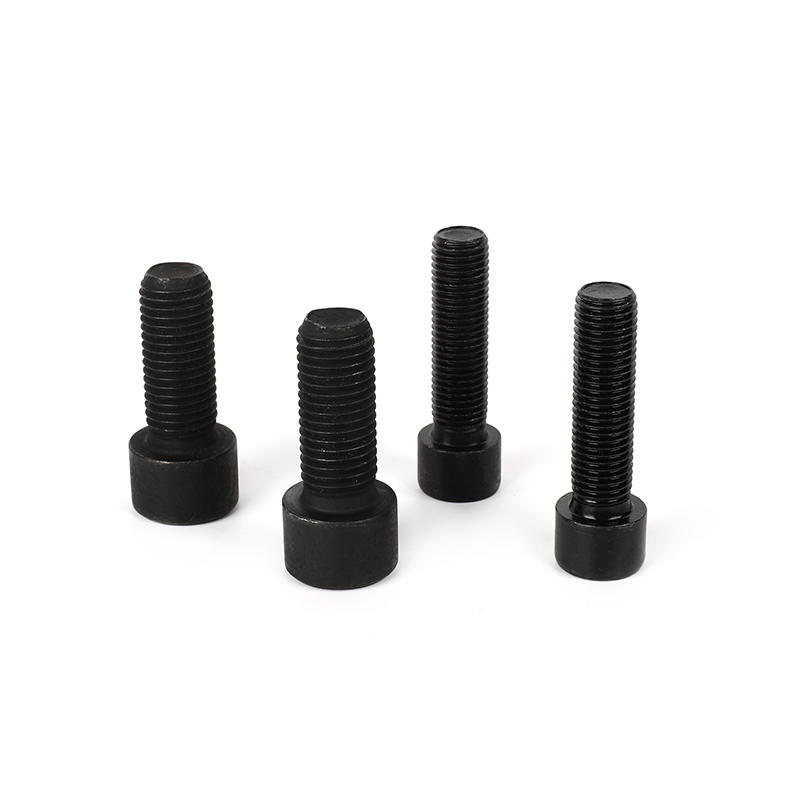
The Grade 8.8 black oxide full-thread hexagon socket bolts have an internal hex design and needs to be used with a wrench with a hex head. Its full th...
See Details
Grade 8.8 black oxide full-thread hexagon bolts is a very common fastener and requires a wrench or hex wrench to tighten it. Our hex head bolt meet th...
See Details
This product is made of high-quality carbon steel and undergoes a rigorous heat treatment process. It has high strength, good elasticity and toughness...
See Details
This 304 stainless steel plain full-thread hexagon bolt is a kind of fasteners made of high-quality stainless steel material and has corrosion resista...
See Details
This plain round flat head weld shoulder bolt is a fastener suitable for a variety of welding applications. Its flat head and round head design makes ...
See Details
This Grade 12.9 zinc plated countersunk head square neck plow bolt has the advantages of high precision, high operability, high strength, and high ten...
See Details