 English
 عربى
عربى
Room 102, Building 13, Area A, Wanyang Zhongchuang Park, Ganyao Town, Jiashan County, Zhejiang China.
Content
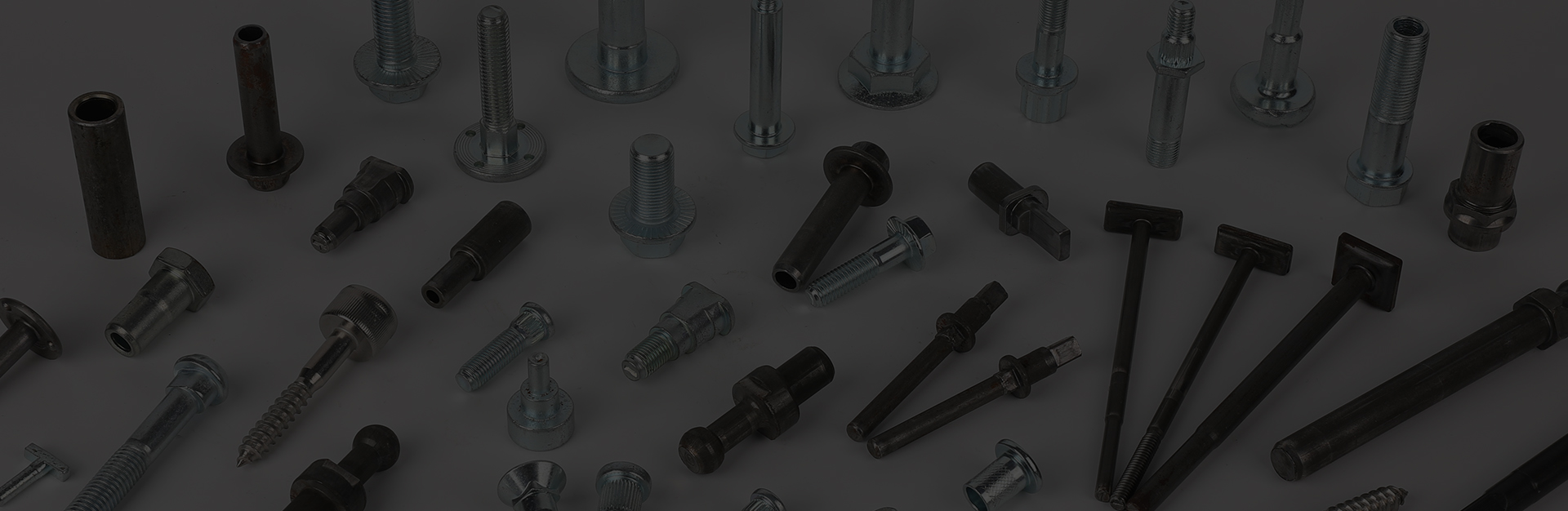
Customized non-standard parts are specially designed components that do not conform to standard specifications. They are widely used in machinery, automotive, aerospace, electronics, and industrial equipment where standard parts cannot meet specific functional, dimensional, or material requirements. Manufacturing these parts requires specialized processing techniques, advanced machinery, and skilled engineering to ensure precision, durability, and performance.
This article provides an in-depth overview of the main processing techniques used for customized non-standard parts and their applications.
Computer Numerical Control (CNC) machining is one of the most versatile and widely used methods for manufacturing customized non-standard parts. It allows precise cutting, drilling, milling, and turning of metal, plastic, and composite materials according to complex design specifications.
Turning involves rotating the workpiece against a cutting tool to create cylindrical shapes, while milling uses rotating tools to remove material from flat or irregular surfaces. These operations are ideal for producing shafts, gears, housings, and other precision components with tight tolerances.
High-speed CNC and multi-axis machines (4-axis or 5-axis) enable the production of complex geometries that would be difficult or impossible with conventional methods. They improve efficiency, surface finish, and dimensional accuracy for intricate non-standard parts.
Casting involves pouring molten metal or plastic into a mold to form complex shapes. It is particularly suitable for producing parts with intricate geometries, internal cavities, or large volumes where machining alone would be inefficient.
Investment casting, also known as lost-wax casting, allows the production of highly precise and smooth-surfaced components. This method is commonly used for aerospace components, automotive turbochargers, and custom fittings that require excellent dimensional accuracy.
Sand casting is suitable for larger, heavy-duty parts. It uses sand molds to shape molten metal and is cost-effective for small to medium production runs. Common applications include housings, engine blocks, and machine bases.
Stamping and forging are deformation-based processes that create parts by shaping metal under high pressure. These techniques are preferred for components that require high strength, structural integrity, and uniform mechanical properties.
Metal stamping uses dies and presses to cut, bend, or emboss sheet metal into desired shapes. It is suitable for producing brackets, enclosures, and precision thin parts with consistent dimensions.
Forging involves deforming heated metal to achieve high-strength parts. Techniques like closed-die and open-die forging are used for shafts, connecting rods, and critical load-bearing components where mechanical properties are crucial.
3D printing or additive manufacturing enables the creation of customized non-standard parts layer by layer from CAD models. This method is highly flexible, allows rapid prototyping, and supports complex internal structures.
Common 3D printing materials include thermoplastics, photopolymers, metals, and composite powders. Metal 3D printing is increasingly used for aerospace, medical implants, and specialized automotive parts that require high precision and material performance.
After the primary manufacturing process, customized non-standard parts often undergo surface treatment to improve appearance, corrosion resistance, and wear properties.
| Technique | Advantages | Typical Applications |
| CNC Machining | High precision, flexible for small to medium batches | Shafts, gears, housings, precision components |
| Casting | Complex shapes, cost-effective for certain volumes | Engine parts, turbine components, machinery bases |
| Forging & Stamping | High strength, uniform mechanical properties | Load-bearing shafts, brackets, connecting rods |
| 3D Printing | Rapid prototyping, complex internal geometries | Prototypes, aerospace components, medical implants |
Customized non-standard parts require specialized processing techniques to meet specific functional and dimensional requirements. CNC machining, casting, forging, stamping, and additive manufacturing are commonly used depending on material, geometry, and production volume. Proper surface treatment and finishing further enhance performance and durability. By selecting the appropriate manufacturing method, engineers can ensure high-quality customized parts that meet precise specifications.
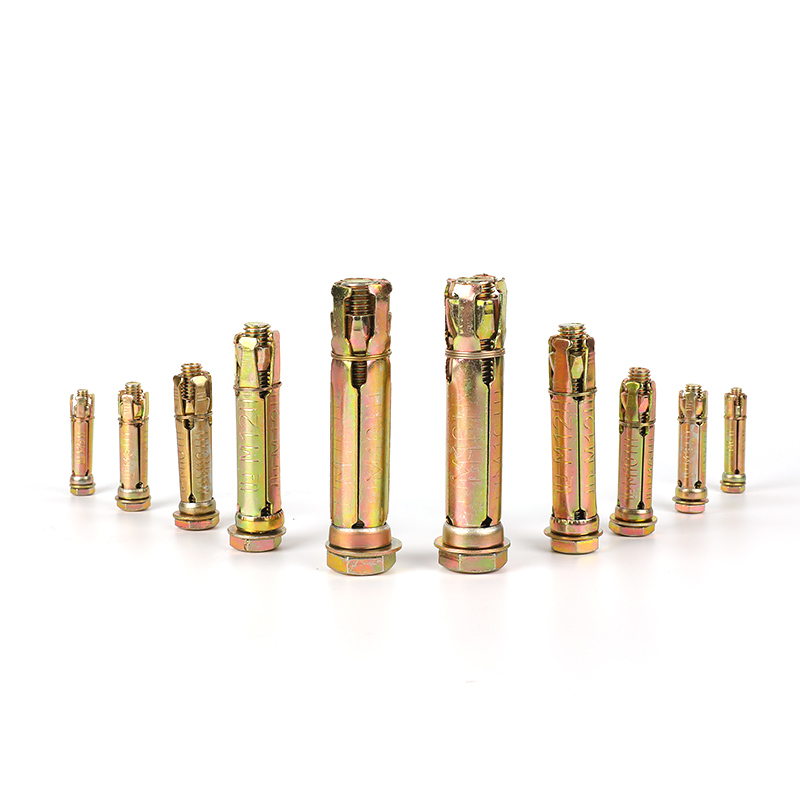
Fix anchorbolts include bolts, washers, nuts and 4PCS cylindrical shields. By tightening the bolts, the shields tubes expand and the components can be...
See Details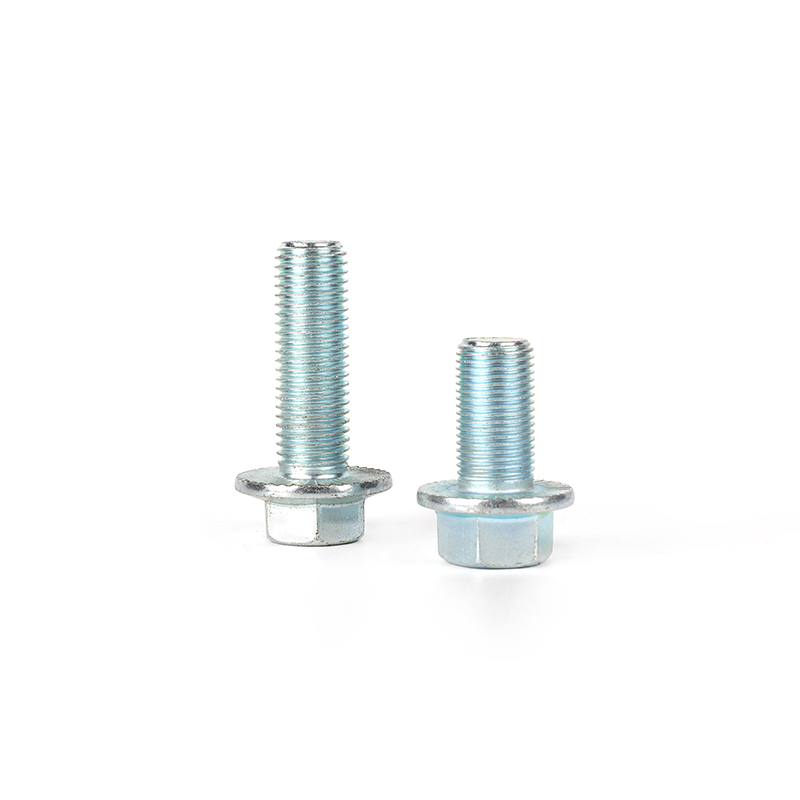
Flange bolts are specially used to tightly connect pipes and components with flanges. We produce flange bolts are solid t and durablethat, compling wi...
See Details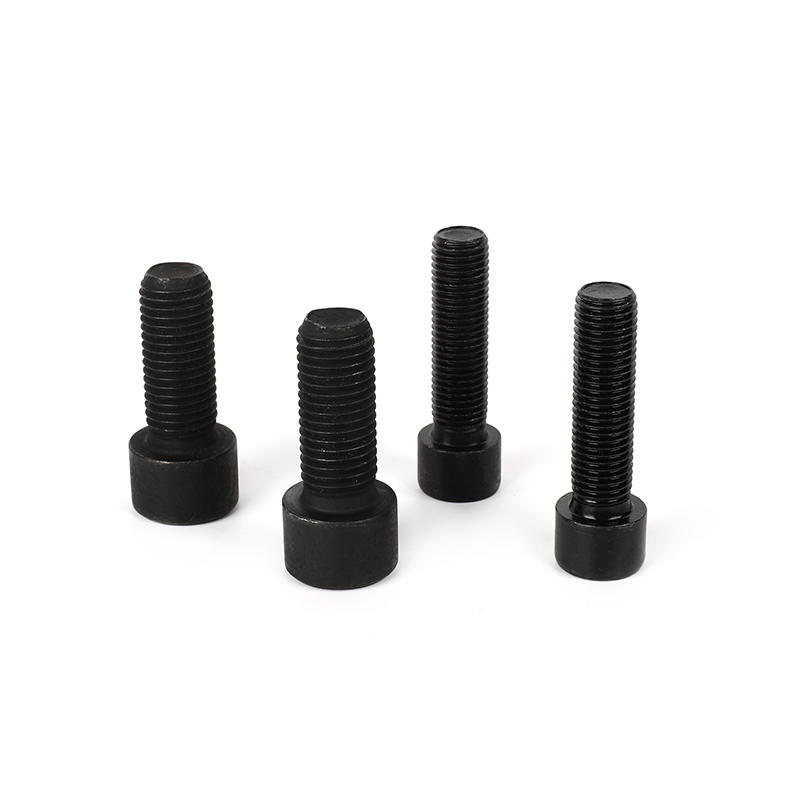
The Grade 8.8 black oxide full-thread hexagon socket bolts have an internal hex design and needs to be used with a wrench with a hex head. Its full th...
See Details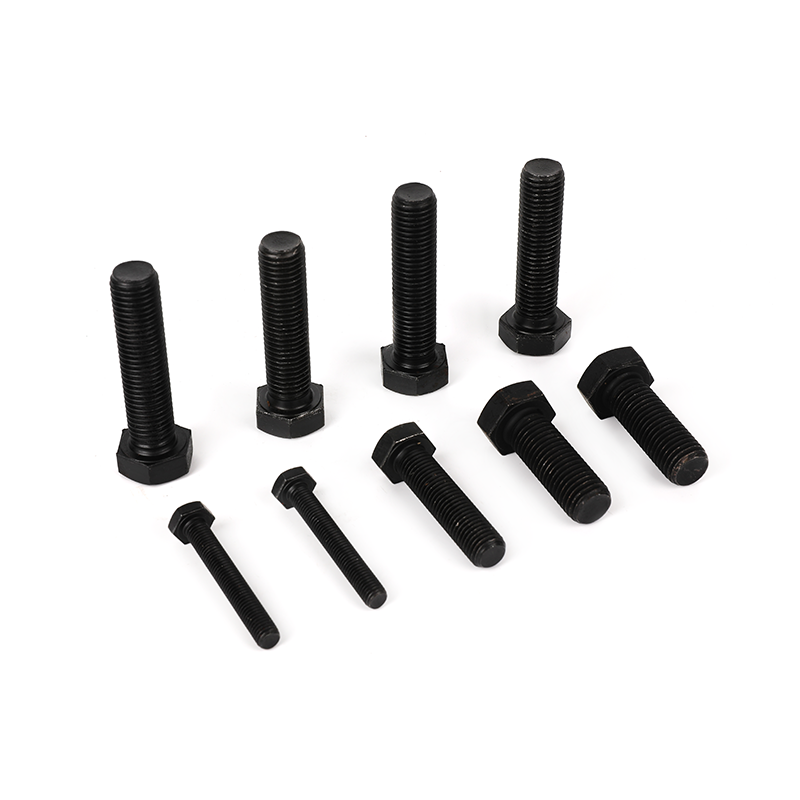
Grade 8.8 black oxide full-thread hexagon bolts is a very common fastener and requires a wrench or hex wrench to tighten it. Our hex head bolt meet th...
See Details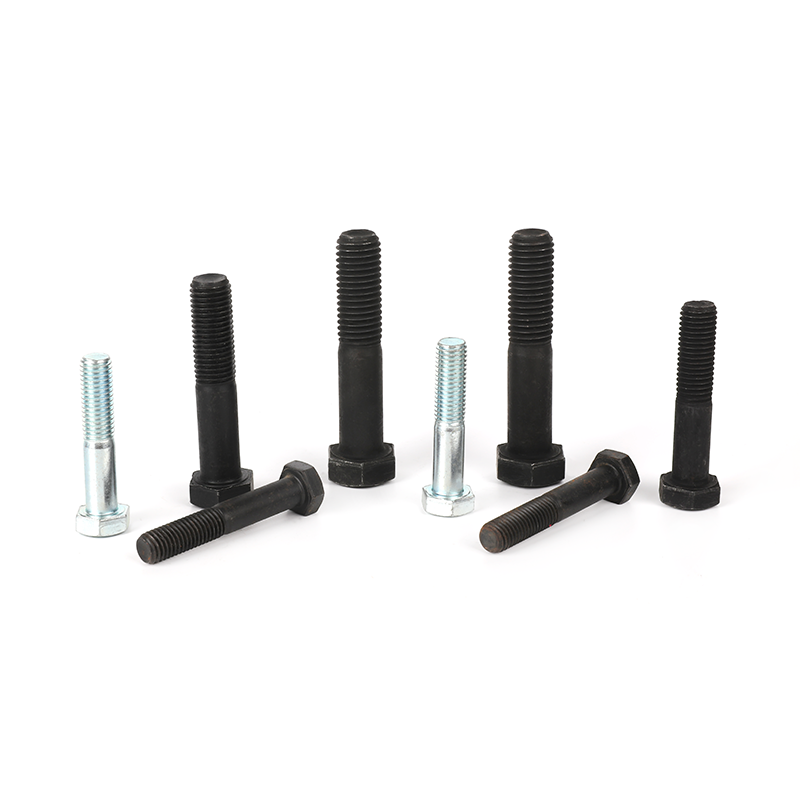
This product is made of high-quality carbon steel and undergoes a rigorous heat treatment process. It has high strength, good elasticity and toughness...
See Details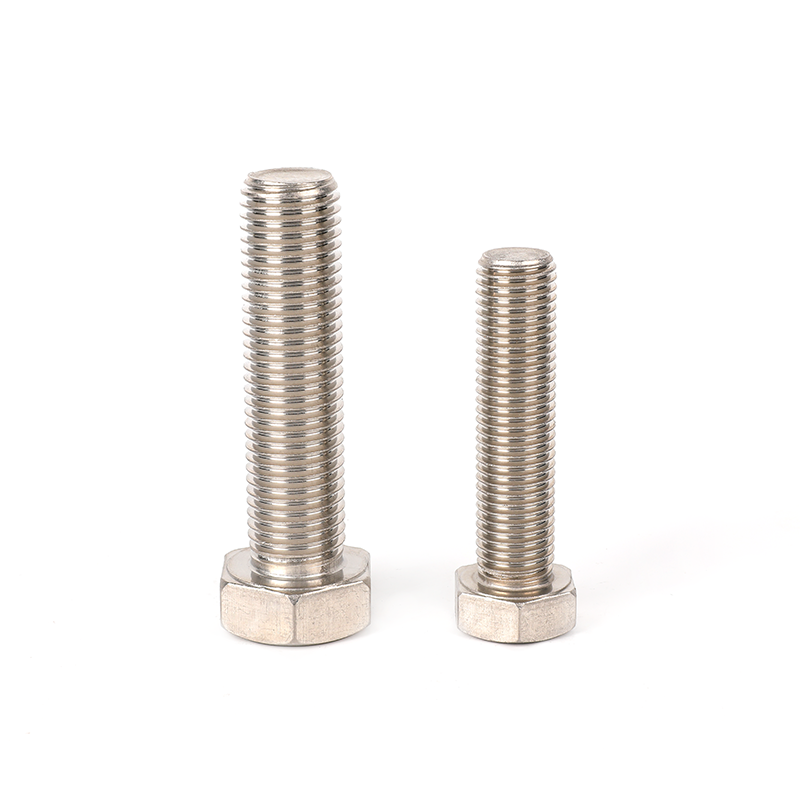
This 304 stainless steel plain full-thread hexagon bolt is a kind of fasteners made of high-quality stainless steel material and has corrosion resista...
See Details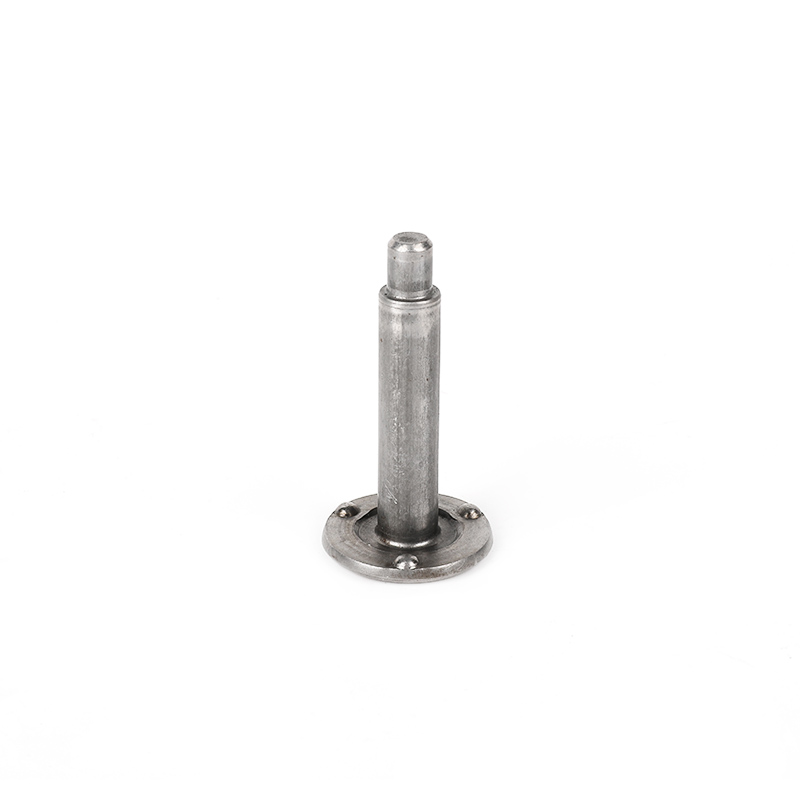
This plain round flat head weld shoulder bolt is a fastener suitable for a variety of welding applications. Its flat head and round head design makes ...
See Details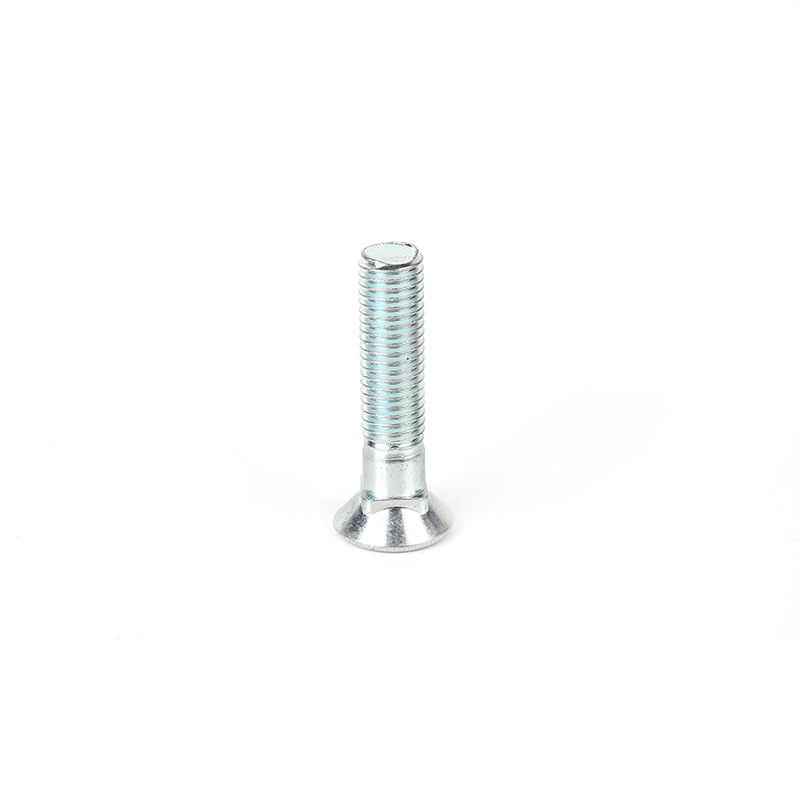
This Grade 12.9 zinc plated countersunk head square neck plow bolt has the advantages of high precision, high operability, high strength, and high ten...
See Details
Room 102, Building 13, Area A, Wanyang Zhongchuang Park, Ganyao Town, Jiashan County, Zhejiang China.
+86-17858810290
+86-573-84648787
product
mobile
