 English
 عربى
عربى
Room 102, Building 13, Area A, Wanyang Zhongchuang Park, Ganyao Town, Jiashan County, Zhejiang China.
News
Home / News / Industry News / How Do Environmental Factors Affect the Performance of Customized Photovoltaic Bolts?
Content
Customized non-standard photovoltaic bolts are critical components in solar panel installations. They ensure the structural stability of photovoltaic modules, maintaining alignment and electrical integrity over long periods. Their performance directly influences the efficiency, safety, and lifespan of solar energy systems.
The environmental conditions where photovoltaic systems operate can be harsh, including exposure to sunlight, rain, wind, temperature fluctuations, and pollutants. Understanding how these factors affect the performance of customized photovoltaic bolts is essential for designing durable and reliable solar installations.
Temperature extremes, both high and low, influence the mechanical properties of photovoltaic bolts. Elevated temperatures can cause thermal expansion in metals, potentially loosening connections and reducing clamping force over time. Repeated thermal cycling can lead to micro-cracks or fatigue in materials, particularly in customized or non-standard bolts that may have unique geometries or coatings.
Low temperatures can make bolts more brittle, increasing the risk of fractures under mechanical stress or during installation. Selecting materials with suitable thermal tolerance and considering temperature coefficients are crucial for maintaining performance in diverse climates.
Environmental moisture, including rain, humidity, and condensation, can accelerate corrosion in metallic photovoltaic bolts. Corrosion not only weakens the bolt structurally but can also compromise the electrical conductivity of solar panel frames. Salt-laden coastal air and industrial pollutants further exacerbate corrosion risks, especially for exposed installations.
Using corrosion-resistant materials, such as stainless steel or coated alloys, and applying protective finishes can mitigate these risks. Regular inspection and maintenance are also essential to ensure long-term performance of bolts in humid or corrosive environments.
Photovoltaic bolts are exposed to direct sunlight, making ultraviolet (UV) radiation a significant factor in environmental degradation. UV exposure can affect polymer coatings, gaskets, and any non-metallic components, leading to discoloration, loss of flexibility, and surface cracking.
Choosing UV-stable coatings or UV-resistant polymers for bolt protection ensures that solar module integrity is maintained. Proper design and material selection reduce the likelihood of UV-induced weakening, which can affect both mechanical stability and long-term system efficiency.
Wind loads, snow accumulation, and vibrations from environmental events place mechanical stress on photovoltaic bolts. Customized bolts must handle these loads without deformation or loosening. Over time, cyclic loading can lead to fatigue and compromise clamping performance.
Design strategies such as optimizing thread engagement, selecting high-strength materials, and including locking mechanisms can reduce bolt movement under mechanical stress. Engineering bolts to match site-specific wind and snow load conditions improves reliability and reduces maintenance frequency.
Industrial pollutants, acid rain, and airborne chemicals can negatively affect bolt materials. Chemical exposure can initiate corrosion, degrade coatings, or cause localized pitting. Customized bolts designed for environments with high chemical exposure require special materials and protective finishes.
Preventive measures include applying specialized corrosion-resistant coatings, using high-grade alloys, and conducting routine inspections to detect early signs of chemical damage before they compromise structural integrity.
Selecting appropriate materials is crucial for maintaining the performance of customized photovoltaic bolts. Common materials include stainless steel, titanium alloys, and specially coated carbon steels. Each material has advantages in terms of corrosion resistance, mechanical strength, thermal tolerance, and cost.
Material choice should consider environmental conditions, such as coastal proximity, temperature range, and UV exposure. Combining high-performance materials with protective coatings increases the durability of bolts in extreme environments.
Before deployment, customized photovoltaic bolts undergo rigorous testing to verify their performance under environmental stressors. Tests may include corrosion resistance, thermal cycling, UV exposure, tensile strength, and fatigue testing. Quality assurance ensures that bolts meet or exceed required standards and perform reliably over the expected service life.
Manufacturers often provide certifications or reports indicating environmental resistance, mechanical strength, and compliance with international standards for solar energy applications.
Routine inspection and maintenance extend the operational life of photovoltaic bolts. Environmental exposure may necessitate tightening, replacement of degraded bolts, or reapplication of protective coatings. Monitoring environmental conditions and adopting proactive maintenance strategies help prevent performance loss.
Lifecycle management, including replacement schedules based on environmental severity, ensures the structural integrity of photovoltaic systems and reduces downtime or maintenance costs.
| Environmental Factor | Potential Impact | Mitigation Approach |
| Temperature | Thermal expansion, fatigue | High-tolerance materials, thermal design |
| Humidity and corrosion | Structural weakening | Corrosion-resistant alloys, protective coatings |
| UV exposure | Material degradation, cracking | UV-resistant coatings, polymers |
| Chemical exposure | Corrosion, pitting | Protective coatings, material selection |
| Mechanical stress | Fatigue, loosening | High-strength design, proper installation torque |
Customized non-standard photovoltaic bolts must withstand diverse environmental factors to ensure the stability and efficiency of solar installations. Careful material selection, protective coatings, robust mechanical design, and proactive maintenance are essential to mitigate environmental impacts.
By understanding and addressing temperature fluctuations, corrosion risks, UV exposure, chemical pollutants, and mechanical stresses, manufacturers and system designers can optimize bolt performance, extend system lifespan, and maintain reliable operation of photovoltaic installations under challenging conditions.
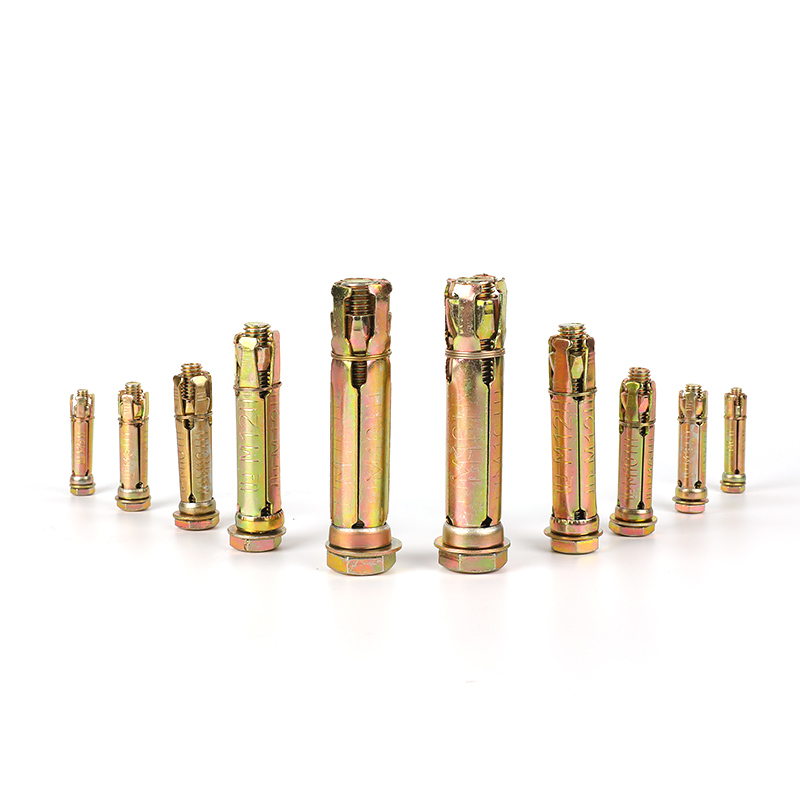
Fix anchorbolts include bolts, washers, nuts and 4PCS cylindrical shields. By tightening the bolts, the shields tubes expand and the components can be...
See Details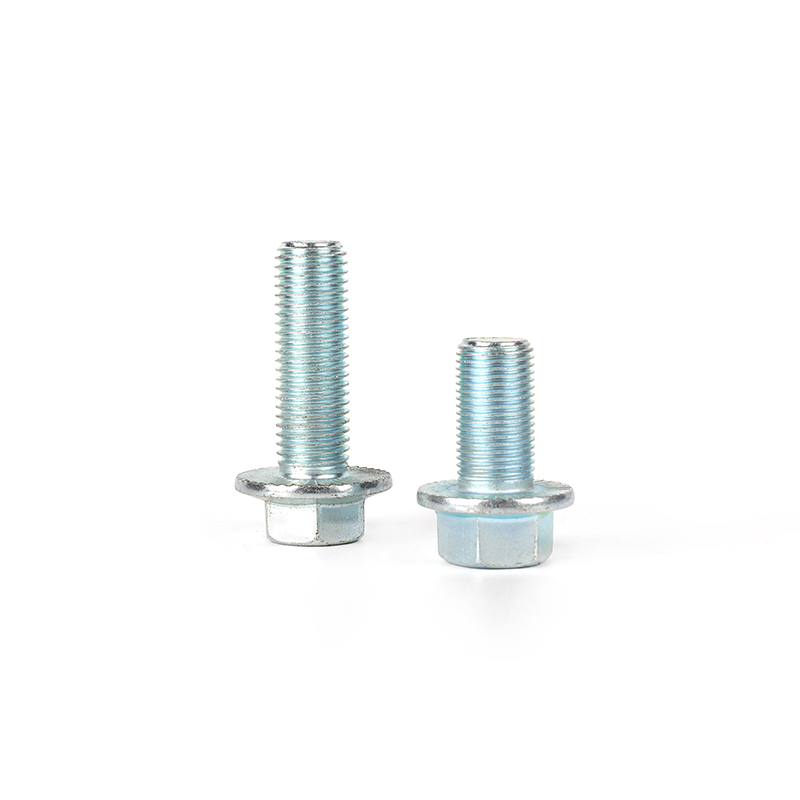
Flange bolts are specially used to tightly connect pipes and components with flanges. We produce flange bolts are solid t and durablethat, compling wi...
See Details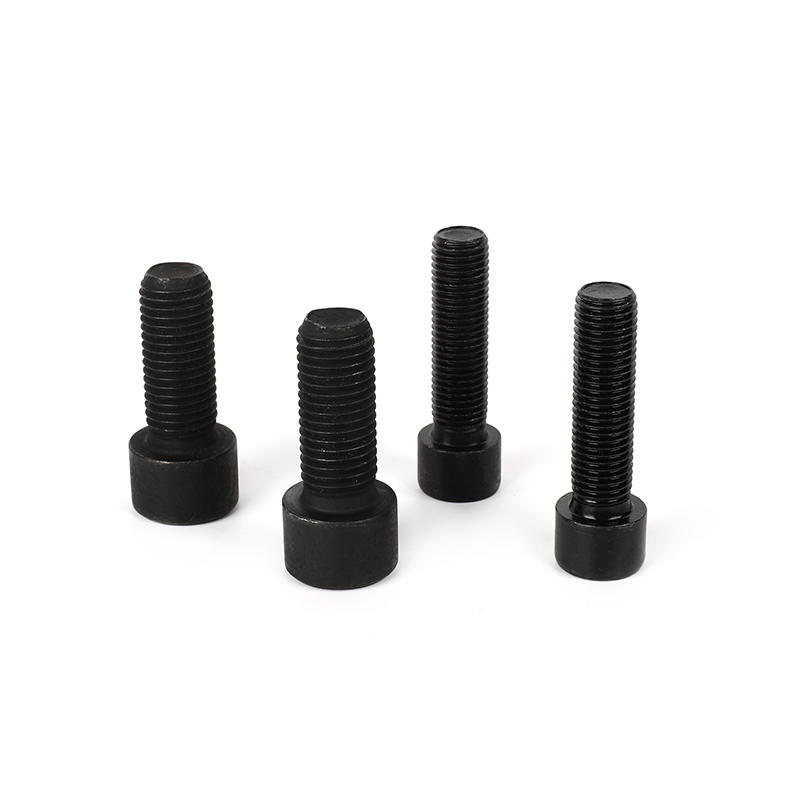
The Grade 8.8 black oxide full-thread hexagon socket bolts have an internal hex design and needs to be used with a wrench with a hex head. Its full th...
See Details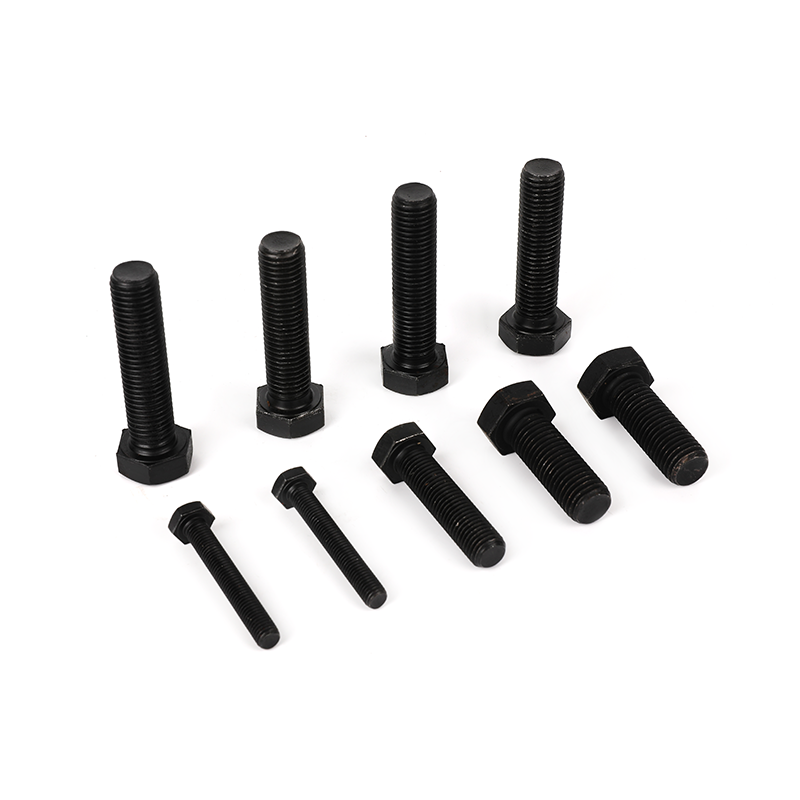
Grade 8.8 black oxide full-thread hexagon bolts is a very common fastener and requires a wrench or hex wrench to tighten it. Our hex head bolt meet th...
See Details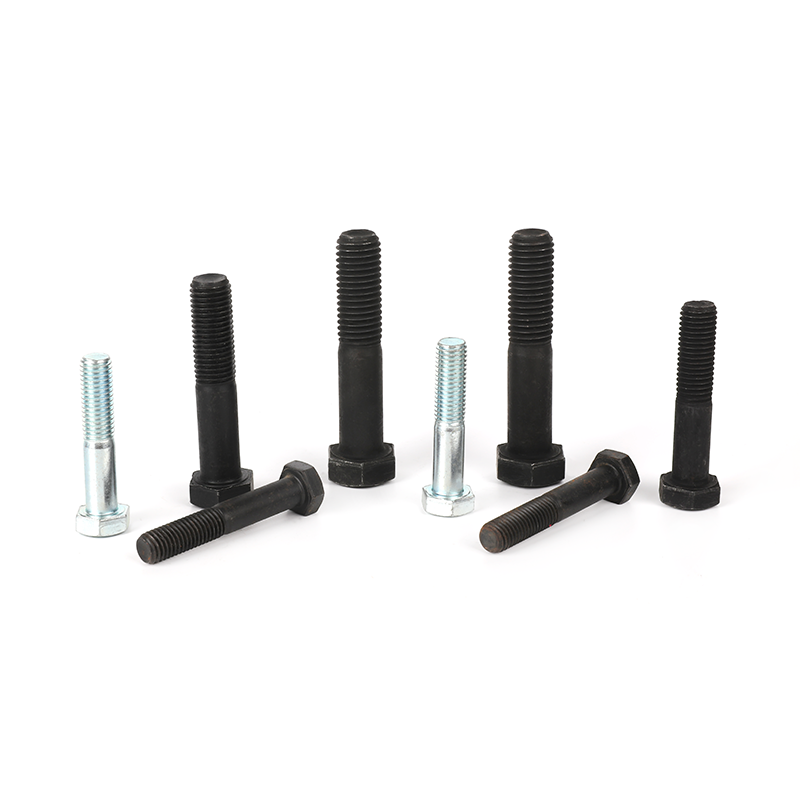
This product is made of high-quality carbon steel and undergoes a rigorous heat treatment process. It has high strength, good elasticity and toughness...
See Details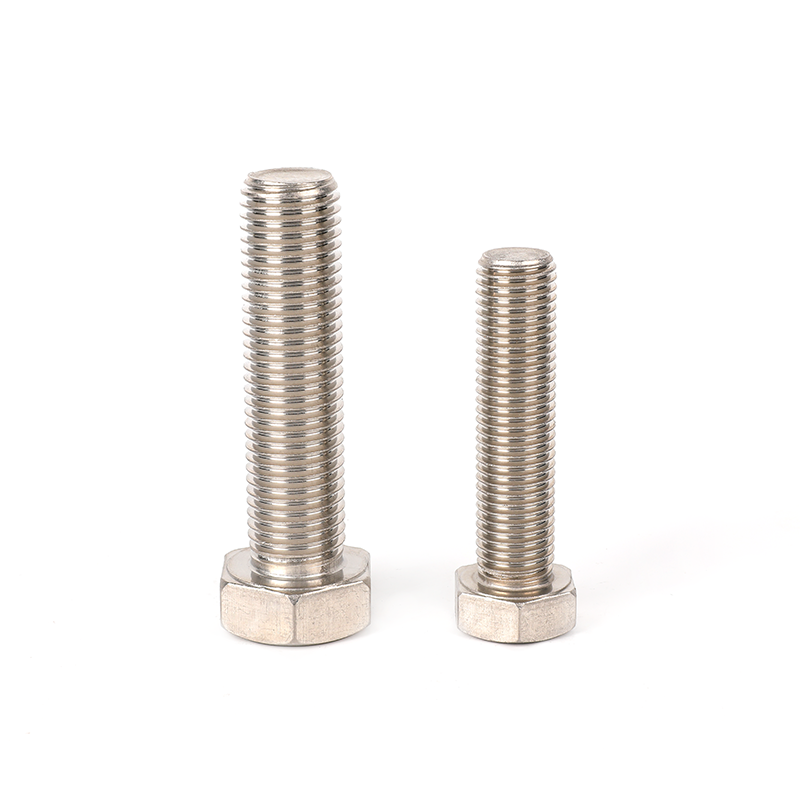
This 304 stainless steel plain full-thread hexagon bolt is a kind of fasteners made of high-quality stainless steel material and has corrosion resista...
See Details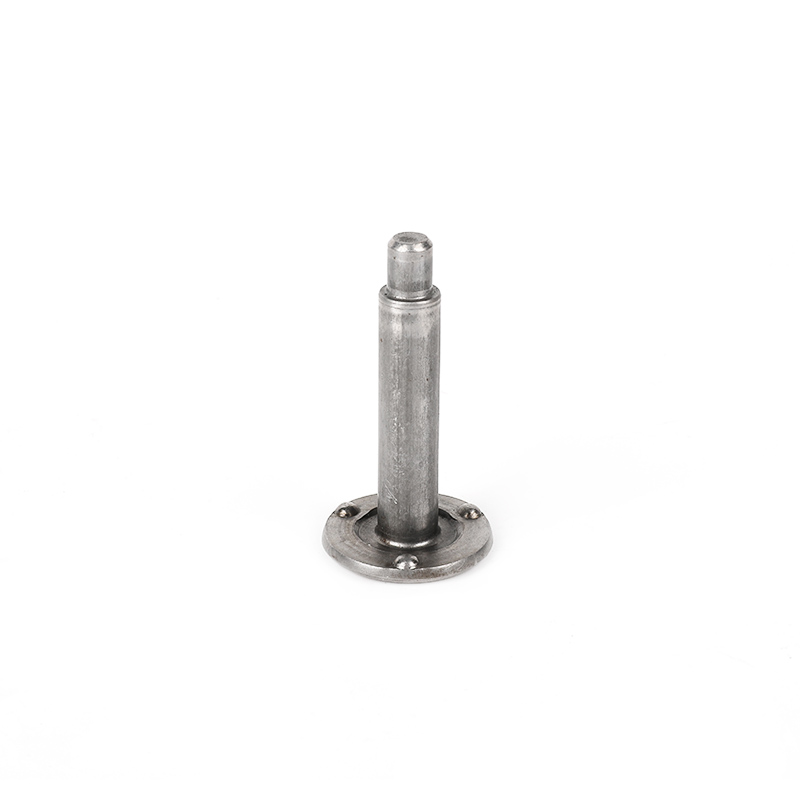
This plain round flat head weld shoulder bolt is a fastener suitable for a variety of welding applications. Its flat head and round head design makes ...
See Details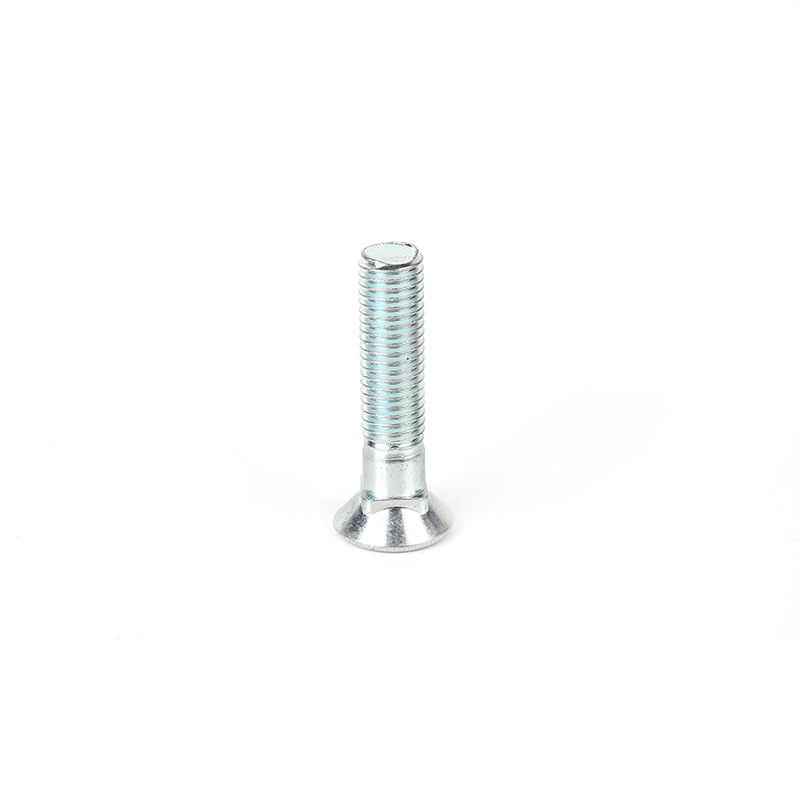
This Grade 12.9 zinc plated countersunk head square neck plow bolt has the advantages of high precision, high operability, high strength, and high ten...
See Details
Room 102, Building 13, Area A, Wanyang Zhongchuang Park, Ganyao Town, Jiashan County, Zhejiang China.
+86-17858810290
+86-573-84648787
product
mobile
