 English
 عربى
عربى
Room 102, Building 13, Area A, Wanyang Zhongchuang Park, Ganyao Town, Jiashan County, Zhejiang China.
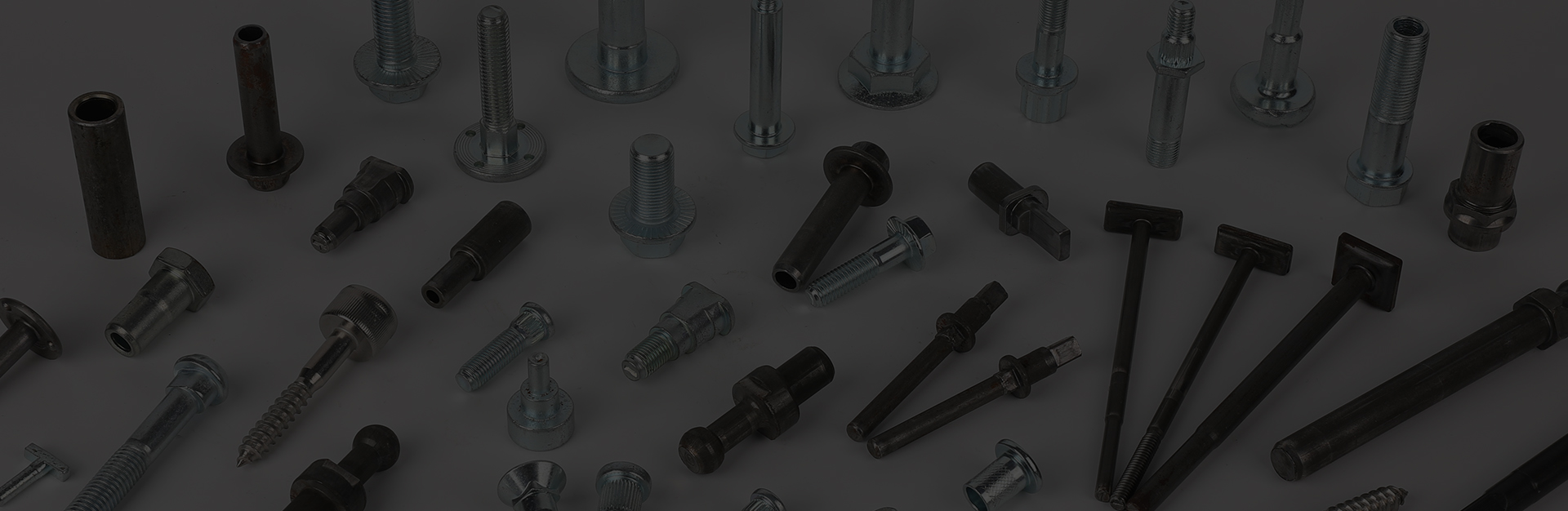
Selecting the correct auto parts screws is critical for vehicle safety and performance. Using improper fasteners can lead to component failure, corrosion issues, or catastrophic mechanical breakdowns. The right screw depends on three factors: material grade (typically Grade 8.8 to 12.9 for automotive applications), thread specification (metric M6-M12 being most common), and environmental exposure requirements.
Content
Automotive screws are classified by tensile strength grades that determine their load-bearing capacity. Unlike standard hardware store fasteners, auto parts screws must withstand extreme vibration, thermal cycling, and dynamic loads throughout a vehicle's lifespan.
Most modern vehicles use metric fasteners with grade markings stamped on the screw head. These numbers indicate the minimum tensile strength in megapascals (MPa).
| Grade Marking | Tensile Strength (MPa) | Typical Applications |
|---|---|---|
| 8.8 | 800 MPa | Body panels, interior trim, non-critical brackets |
| 10.9 | 1000 MPa | Suspension components, engine mounts, brake calipers |
| 12.9 | 1200 MPa | Critical structural joints, high-stress engine components |
Never substitute a lower-grade screw for a higher-grade requirement. A Grade 8.8 bolt replacing a specified Grade 10.9 fastener in a suspension application has 20% less tensile strength, creating a serious safety hazard under load.
Auto parts screws operate in harsh environments exposed to road salt, moisture, temperature extremes ranging from -40°C to 150°C, and chemical contaminants. Material choice directly impacts longevity and reliability.
Carbon steel remains the most common material for automotive fasteners due to its excellent strength-to-cost ratio. However, bare steel corrodes rapidly in automotive environments, making protective coatings essential.
High-performance and racing applications sometimes require titanium or Inconel fasteners. Titanium screws offer 40% weight reduction compared to steel while maintaining comparable strength, though at 5-8 times the cost. These are typically reserved for competition vehicles where every gram matters.
Using incorrect thread pitches or diameters is one of the most common mistakes when replacing auto parts screws. Modern vehicles predominantly use metric threads, but some older American vehicles and specific components still utilize imperial measurements.
| Thread Size | Standard Pitch | Common Uses |
|---|---|---|
| M6 | 1.0 mm | Interior panels, small brackets, sensor mounts |
| M8 | 1.25 mm | Engine covers, exhaust hangers, medium brackets |
| M10 | 1.5 mm | Suspension links, control arms, transmission mounts |
| M12 | 1.75 mm | Wheel lug bolts, major structural connections |
Always verify thread pitch before installation. Forcing an M8×1.25 screw into an M8×1.0 threaded hole will strip the threads, requiring expensive repair procedures such as helicoil inserts or complete component replacement.
Coarse threads (standard pitch) provide faster assembly and better resistance to vibration loosening in softer materials like aluminum. Fine threads offer greater clamping force precision and are preferred for high-strength steel connections. Never interchange fine and coarse threads of the same diameter—they are not compatible despite appearing similar.
Proper torque application is as important as selecting the correct screw. Under-torqued fasteners loosen through vibration, while over-torqued screws stretch beyond their yield point, losing clamping force and potentially snapping during service.
The following table provides general torque guidelines for dry, lubricated, and anti-seize coated fasteners. Always consult vehicle-specific service manuals for exact specifications.
| Screw Size | Grade 8.8 (Dry) | Grade 10.9 (Dry) | With Anti-Seize |
|---|---|---|---|
| M6 | 10 Nm | 14 Nm | Reduce by 20% |
| M8 | 22 Nm | 30 Nm | Reduce by 20% |
| M10 | 45 Nm | 60 Nm | Reduce by 20% |
| M12 | 80 Nm | 105 Nm | Reduce by 20% |
Understanding why auto parts screws fail helps prevent recurring problems. Most fastener failures result from improper selection, installation errors, or environmental degradation rather than manufacturing defects.
High-strength screws (Grade 10.9 and above) are susceptible to hydrogen embrittlement during electroplating processes. This causes delayed brittle fracture under normal operating loads. Look for Geomet or mechanically plated coatings on critical high-strength fasteners to eliminate this risk. If a Grade 12.9 screw fails unexpectedly within weeks of installation, hydrogen embrittlement is likely the culprit.
When dissimilar metals contact each other in the presence of electrolytes (road salt, moisture), galvanic corrosion accelerates rapidly. Aluminum components with steel screws create particularly aggressive corrosion cells. Use insulated washers or anti-seize compound between dissimilar metals, and inspect these connections annually for white powdery corrosion deposits indicating active galvanic attack.
Despite proper initial torque, vibration can cause screws to rotate loose over time. Preventive measures include:
Regular inspection schedules should include checking critical fasteners at recommended service intervals. Suspension, brake, and drivetrain screws experiencing the highest stress levels warrant particular attention during routine maintenance.
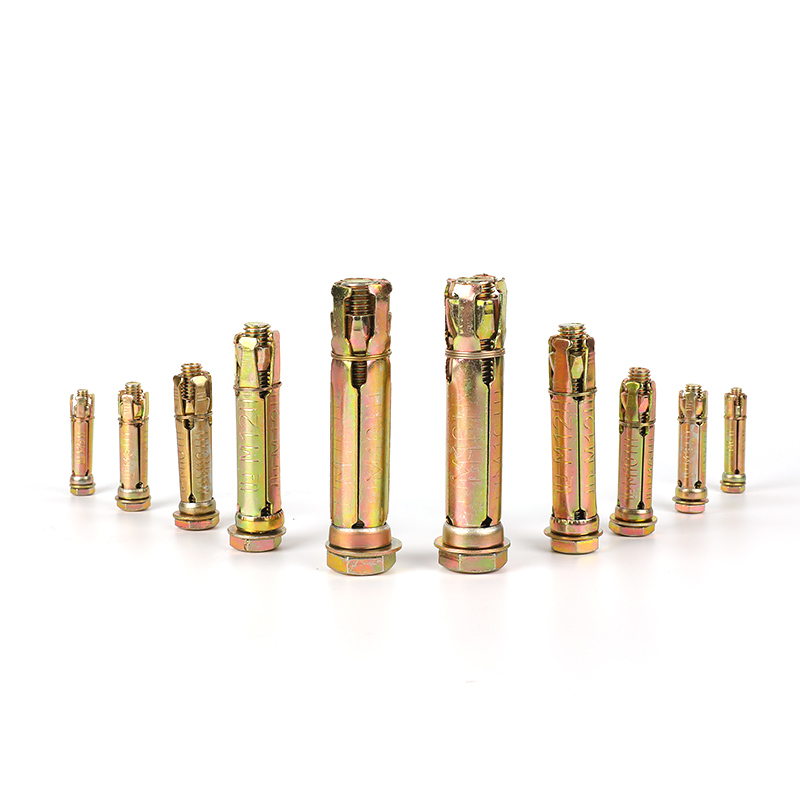
Fix anchorbolts include bolts, washers, nuts and 4PCS cylindrical shields. By tightening the bolts, the shields tubes expand and the components can be...
See Details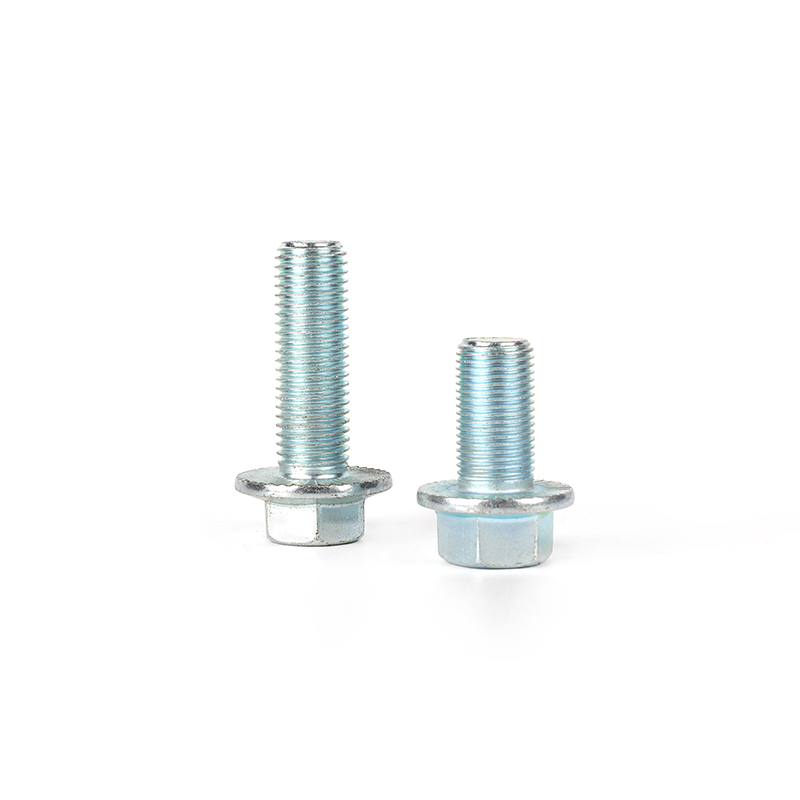
Flange bolts are specially used to tightly connect pipes and components with flanges. We produce flange bolts are solid t and durablethat, compling wi...
See Details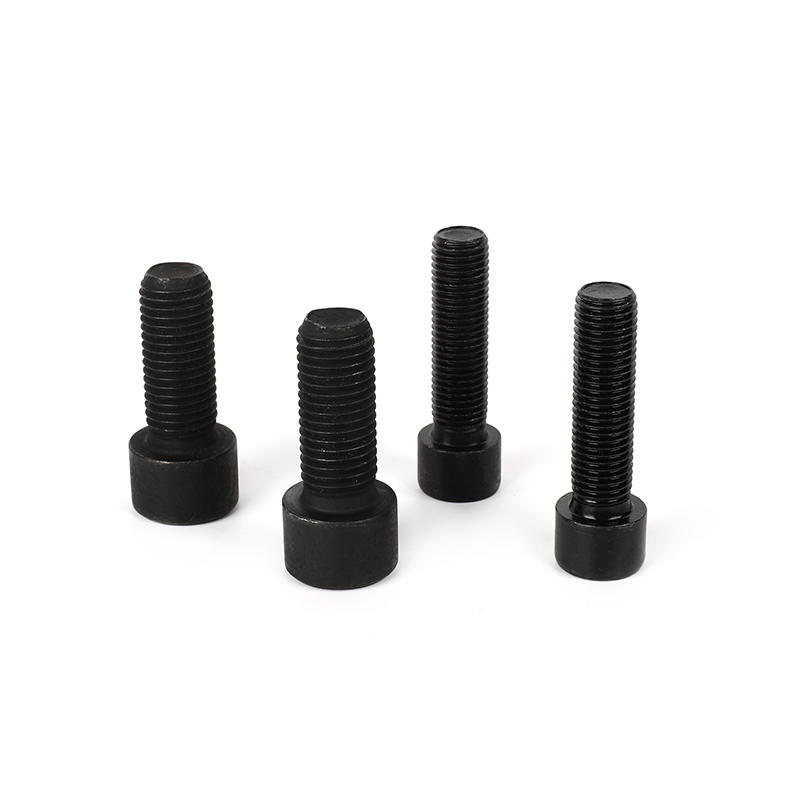
The Grade 8.8 black oxide full-thread hexagon socket bolts have an internal hex design and needs to be used with a wrench with a hex head. Its full th...
See Details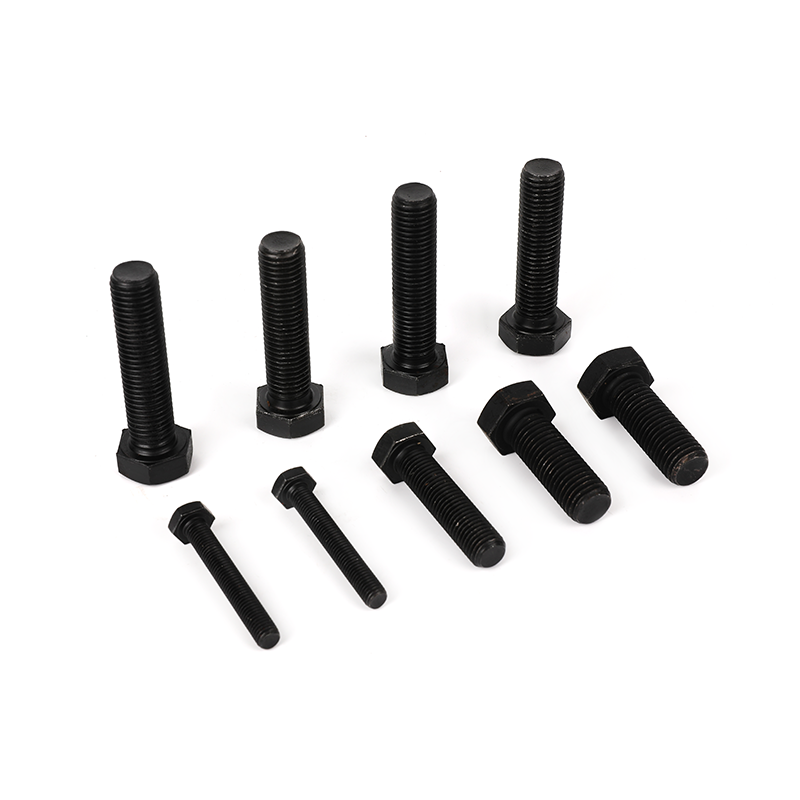
Grade 8.8 black oxide full-thread hexagon bolts is a very common fastener and requires a wrench or hex wrench to tighten it. Our hex head bolt meet th...
See Details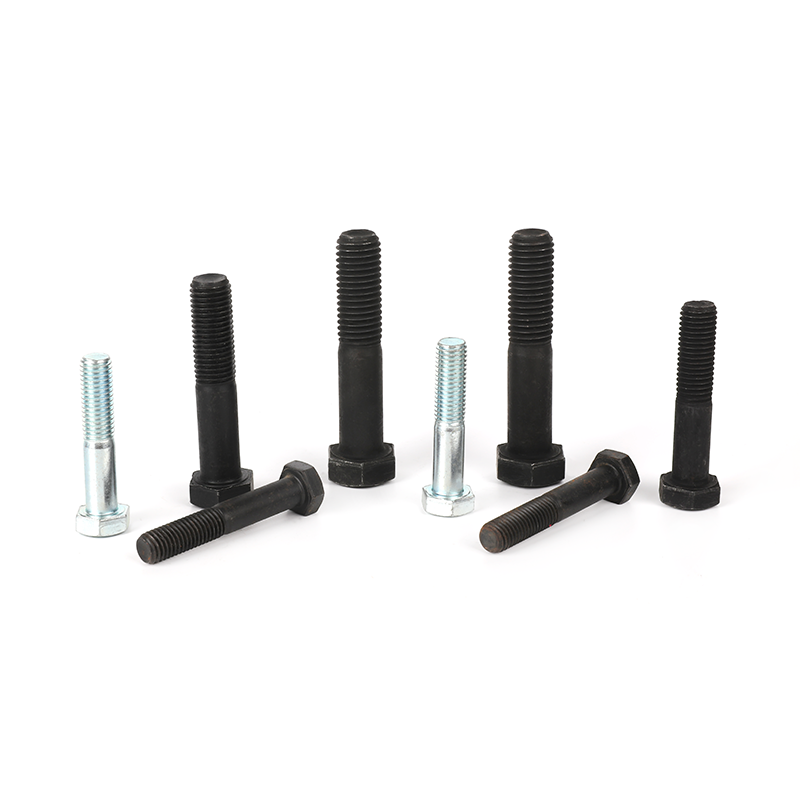
This product is made of high-quality carbon steel and undergoes a rigorous heat treatment process. It has high strength, good elasticity and toughness...
See Details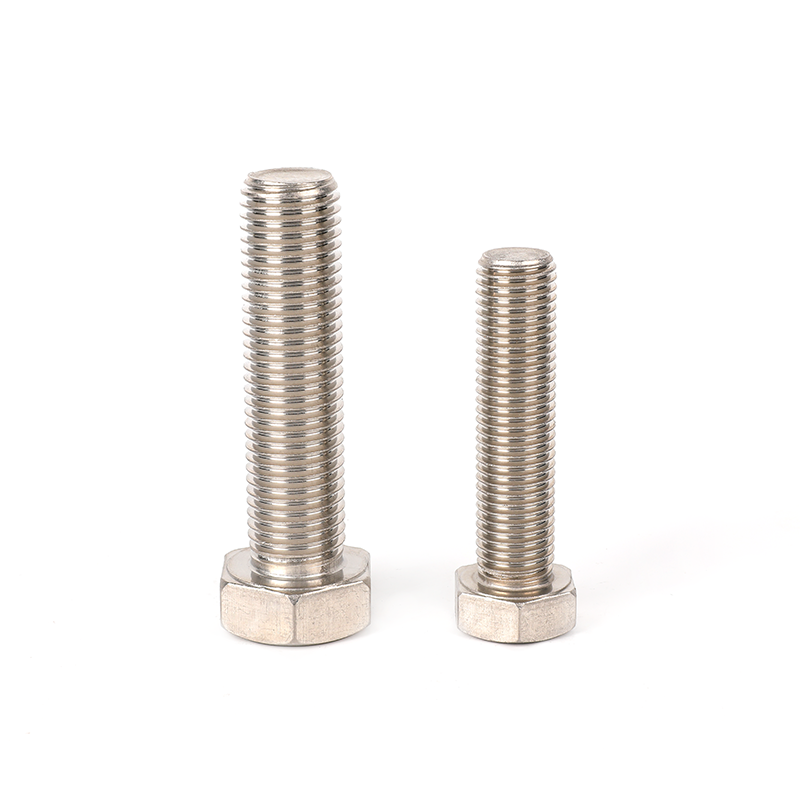
This 304 stainless steel plain full-thread hexagon bolt is a kind of fasteners made of high-quality stainless steel material and has corrosion resista...
See Details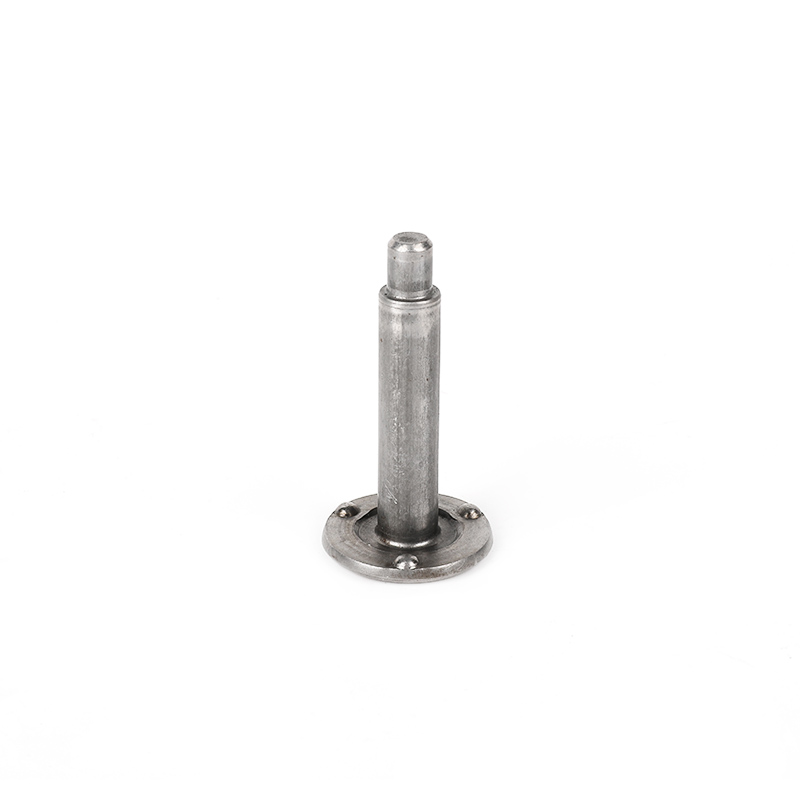
This plain round flat head weld shoulder bolt is a fastener suitable for a variety of welding applications. Its flat head and round head design makes ...
See Details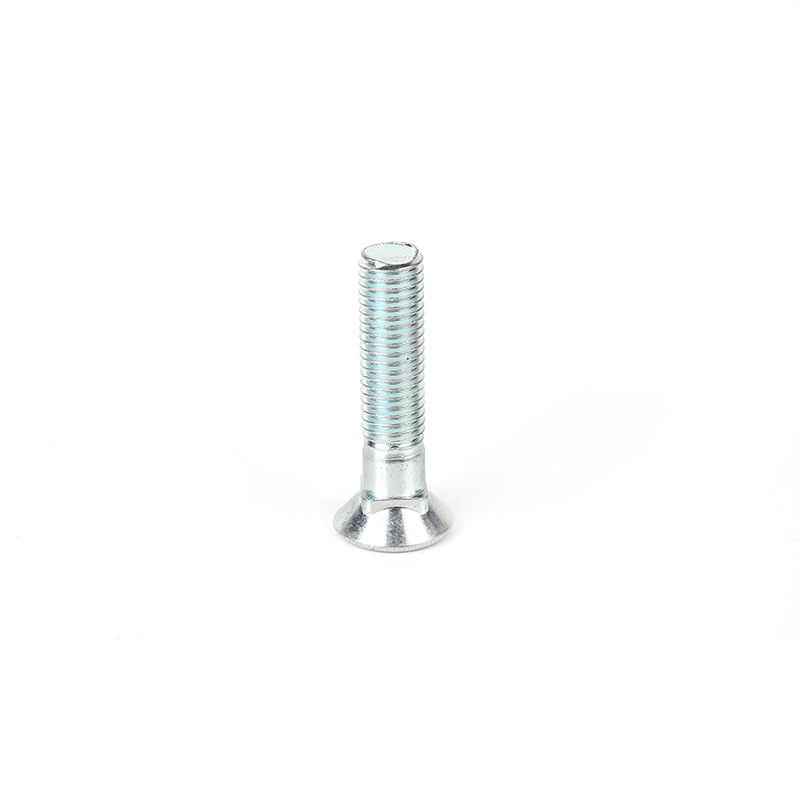
This Grade 12.9 zinc plated countersunk head square neck plow bolt has the advantages of high precision, high operability, high strength, and high ten...
See Details
Room 102, Building 13, Area A, Wanyang Zhongchuang Park, Ganyao Town, Jiashan County, Zhejiang China.
+86-17858810290
+86-573-84648787
product
mobile
