 English
 عربى
عربى
Room 102, Building 13, Area A, Wanyang Zhongchuang Park, Ganyao Town, Jiashan County, Zhejiang China.
Content
Photovoltaic bolts are subject to unique environmental stresses, including thermal cycling and constant vibration. The key to a reliable solar installation is recognizing that bolts are dynamic components that can loosen or degrade over time. Proactive selection and maintenance are required to prevent module detachment and power loss.
This article explores the physical challenges faced by PV fasteners, common installation errors, and a structured maintenance protocol. By addressing these factors, operators can reduce maintenance costs and avoid catastrophic structural failures.
Solar arrays experience extreme temperature fluctuations, from freezing nights to scorching days. These cycles cause materials to expand and contract at different rates, placing significant stress on photovoltaic bolts.
Aluminum mounting rails have a CTE of approximately 23 x 10⁻⁶/°C, while stainless steel bolts have a CTE of 17 x 10⁻⁶/°C. This mismatch means that during heating, the aluminum expands more than the steel bolt, potentially reducing clamping force. Over thousands of cycles, this can lead to self-loosening if proper locking mechanisms are not used.
Wind-induced vibration is a major cause of bolt loosening. In open terrain, wind can cause micro-movements in the panels, gradually backing out nuts. Using nylon insert lock nuts (Nyloc) or serrated flange nuts helps maintain preload. Studies show that non-locking nuts can lose up to 30% of their preload after one year of exposure to high winds.
| Mechanism | Effectiveness | Reusability | Cost Impact |
|---|---|---|---|
| Spring Washer | Low | High | Low |
| Nyloc Nut | High | Low (Single Use) | Medium |
| Serrated Flange | Medium-High | Medium | Medium |
Human error during installation is a frequent cause of early bolt failure. Misalignment, incorrect tool usage, and lack of inspection can compromise the entire mounting system.
Starting a bolt at an angle can cross-thread the connection, weakening the joint. This is common in tight spaces between panels. Installers should always start bolts by hand to ensure proper alignment before using power tools. Stripped threads reduce the effective shear area by up to 50%, creating a weak point prone to fracture.
Using impact drivers without torque control leads to inconsistent clamping forces. Some bolts may be loose, while others are overstressed. Implementing a two-step torque process (snug tight followed by final torque) ensures uniform load distribution across the mounting rail.
Regular inspection of photovoltaic bolts is essential for long-term safety. A structured maintenance plan can identify loose or corroded fasteners before they cause module damage or safety hazards.
During annual cleaning or maintenance, technicians should visually inspect a random sample of bolts for signs of rust, white powder (zinc oxidation), or loosening. In coastal areas, this inspection should be semi-annual. Any bolt showing signs of corrosion should be replaced immediately with a matching grade.
Every 3-5 years, a torque verification check should be performed on a representative sample of bolts. If more than 10% of sampled bolts are found to be below the specified torque, the entire array should be re-torqued. This proactive approach prevents widespread loosening due to vibration and thermal cycling.
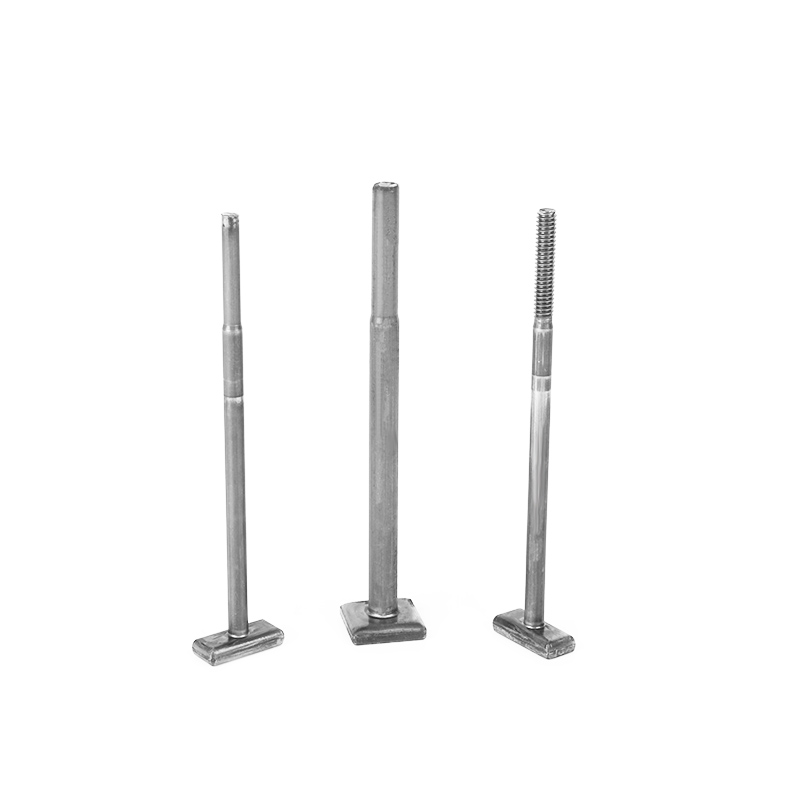
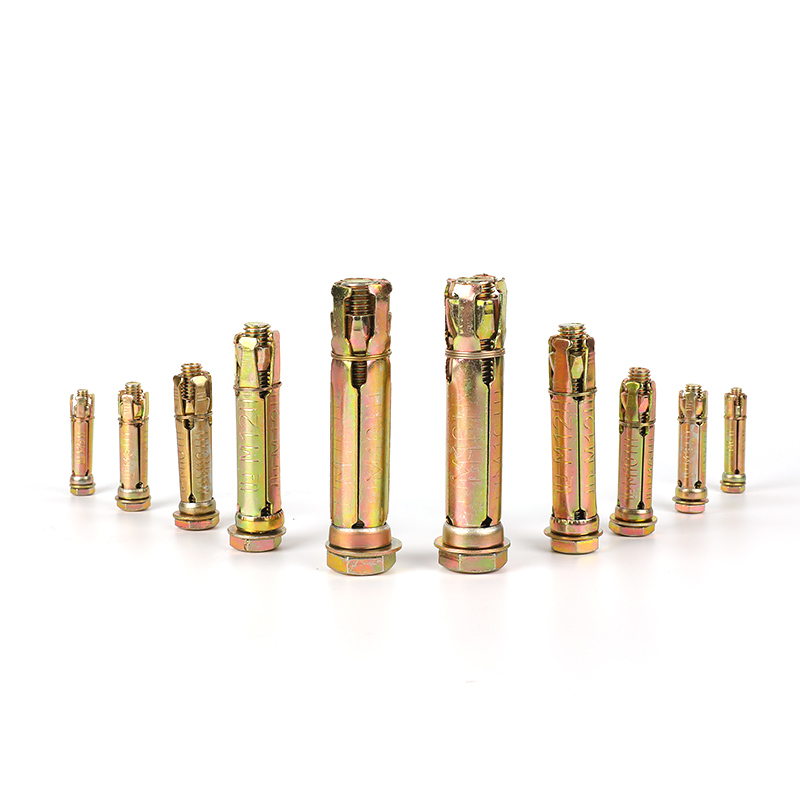
Fix anchorbolts include bolts, washers, nuts and 4PCS cylindrical shields. By tightening the bolts, the shields tubes expand and the components can be...
See Details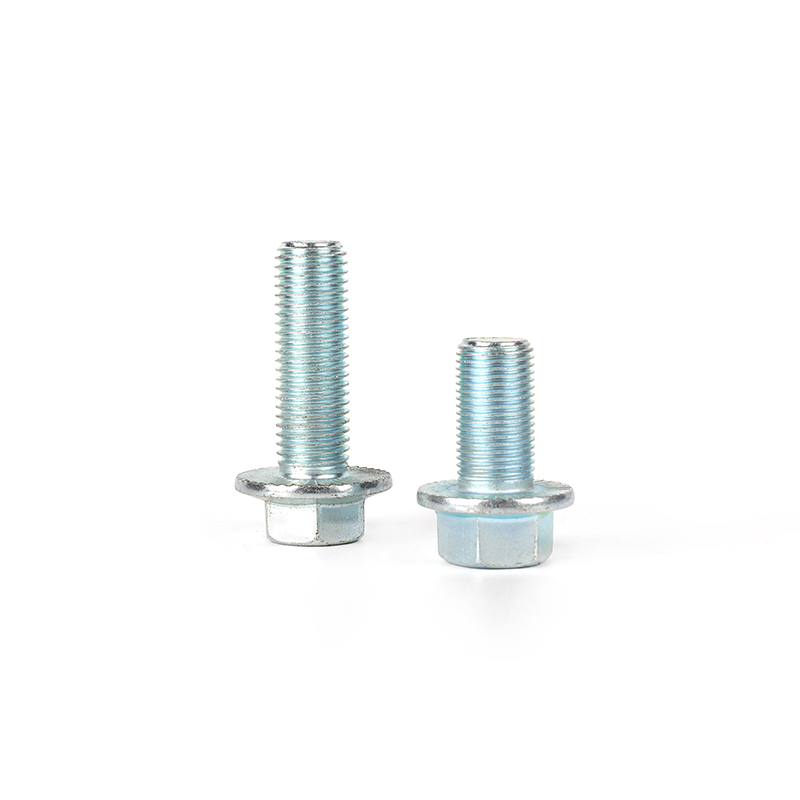
Flange bolts are specially used to tightly connect pipes and components with flanges. We produce flange bolts are solid t and durablethat, compling wi...
See Details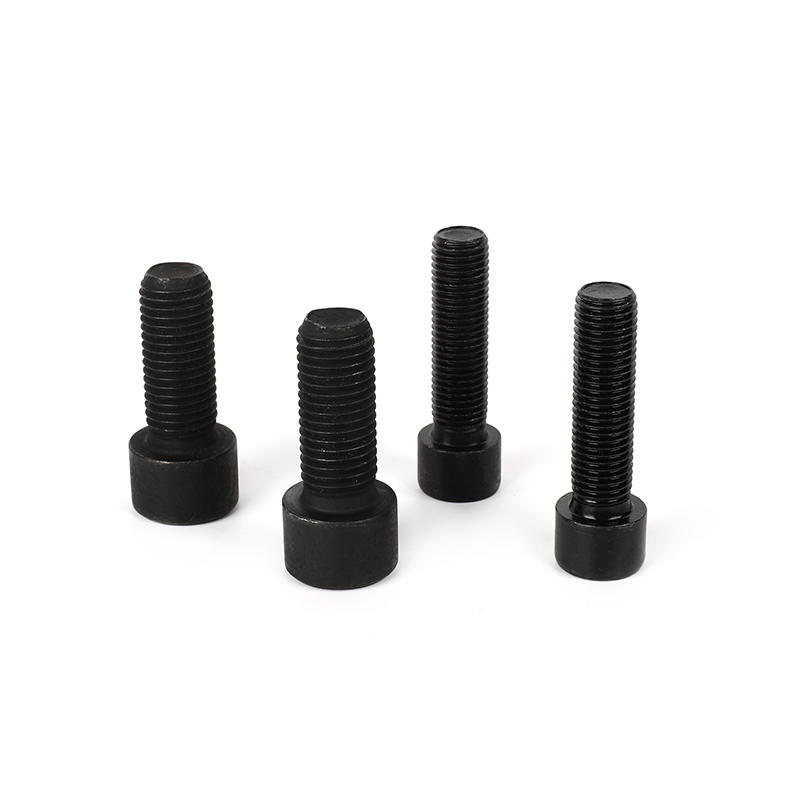
The Grade 8.8 black oxide full-thread hexagon socket bolts have an internal hex design and needs to be used with a wrench with a hex head. Its full th...
See Details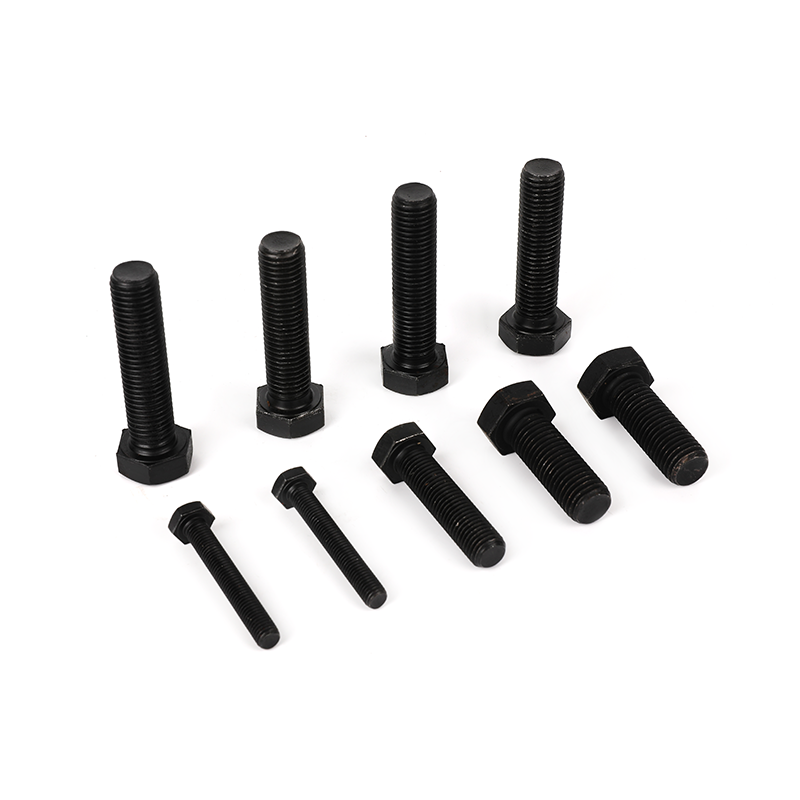
Grade 8.8 black oxide full-thread hexagon bolts is a very common fastener and requires a wrench or hex wrench to tighten it. Our hex head bolt meet th...
See Details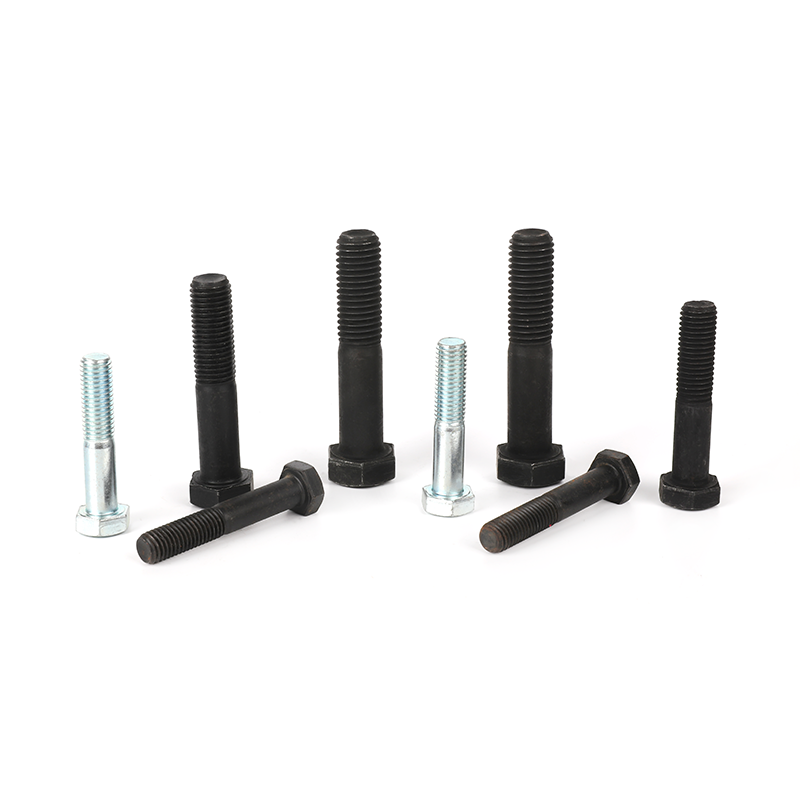
This product is made of high-quality carbon steel and undergoes a rigorous heat treatment process. It has high strength, good elasticity and toughness...
See Details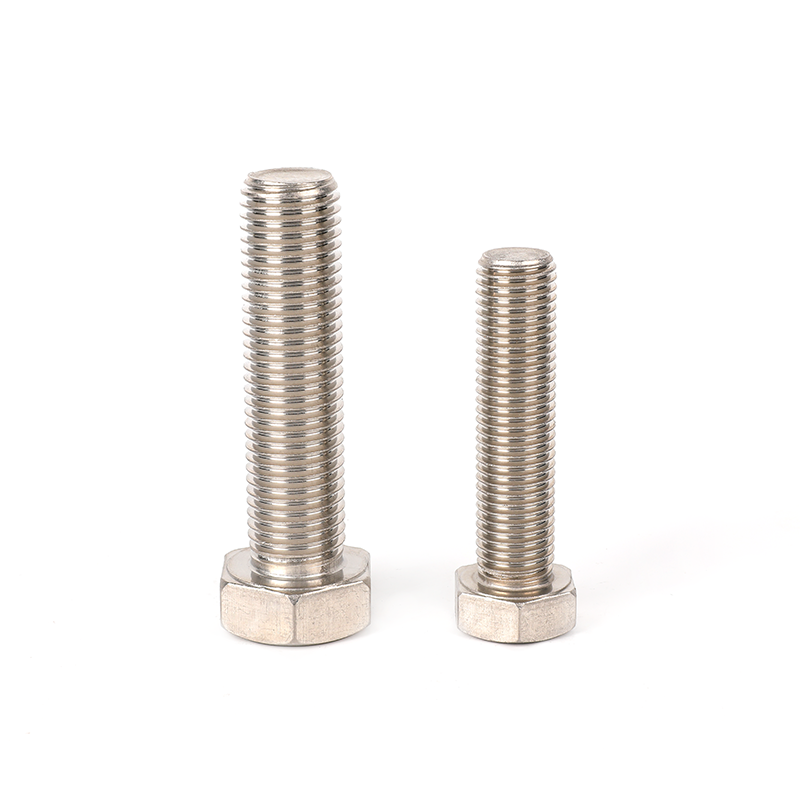
This 304 stainless steel plain full-thread hexagon bolt is a kind of fasteners made of high-quality stainless steel material and has corrosion resista...
See Details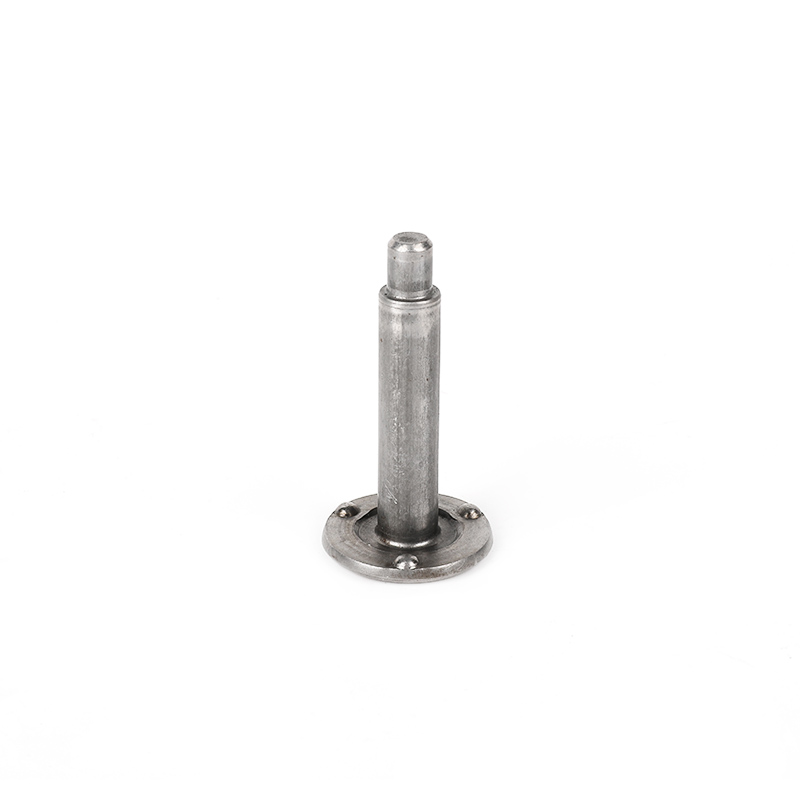
This plain round flat head weld shoulder bolt is a fastener suitable for a variety of welding applications. Its flat head and round head design makes ...
See Details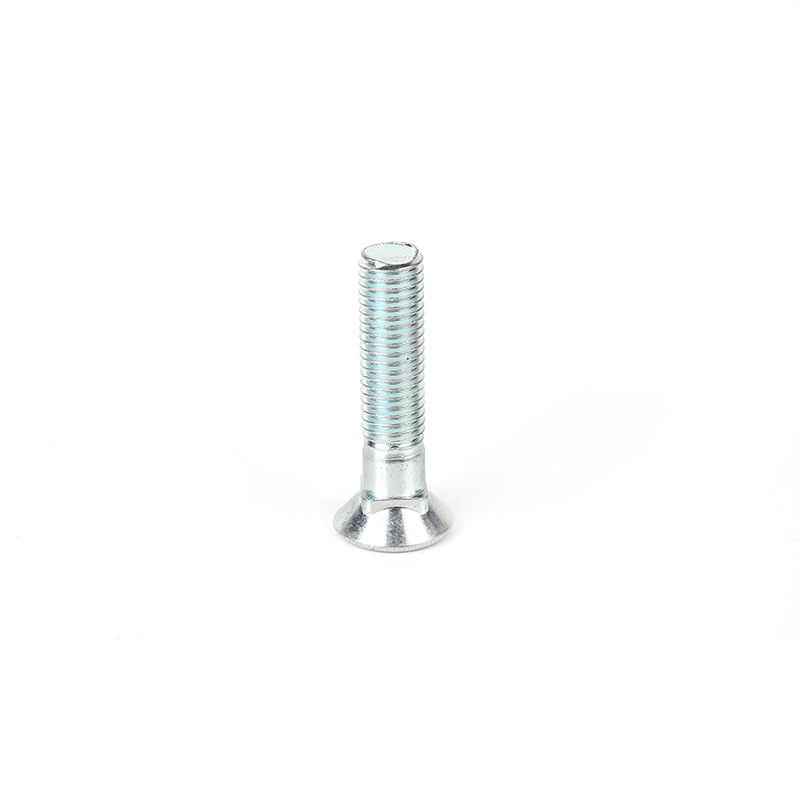
This Grade 12.9 zinc plated countersunk head square neck plow bolt has the advantages of high precision, high operability, high strength, and high ten...
See Details
Room 102, Building 13, Area A, Wanyang Zhongchuang Park, Ganyao Town, Jiashan County, Zhejiang China.
+86-17858810290
+86-573-84648787
product
mobile
