 English
 عربى
عربى
Room 102, Building 13, Area A, Wanyang Zhongchuang Park, Ganyao Town, Jiashan County, Zhejiang China.
News
Home / News / Industry News / Bolt Head Types Explained: A Practical Guide to Choosing the Right Head Shape
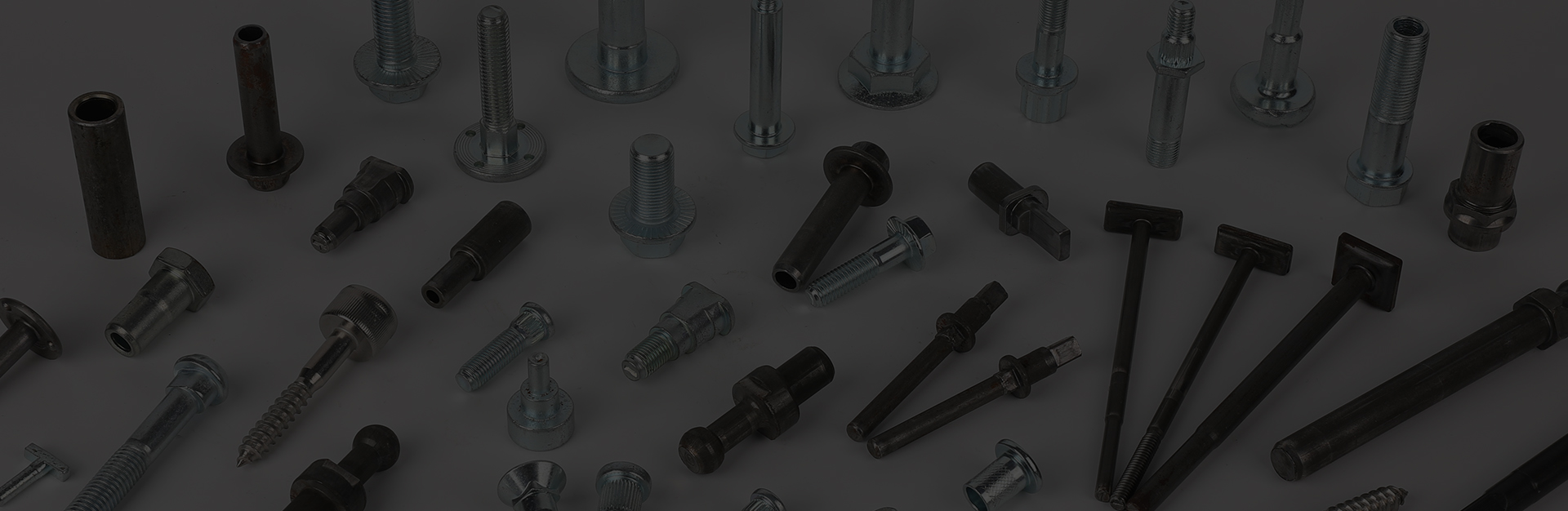
Open a fastener catalog or a parts drawer at any industrial facility, and the first thing that separates one bolt from another is the head. Hex, socket, flange, flat, square, dome — each shape exists for a reason, and the reason usually comes down to tool access, clamping force, appearance, or a combination of the three. Specifying the wrong bolt head can mean anything from a stripped drive to a joint that loosens under vibration, so the choice deserves more attention than it often gets.
Content
Start with the conclusion: the bolt head is a functional part of the joint, not a cosmetic detail. It controls how much torque the fastener can accept, whether a wrench or socket can reach it, how the clamping load spreads across the surface, and how the finished assembly looks. A hex head provides high torque capacity and straightforward access. A socket head delivers similar torque in a lower profile. A flat countersunk head sits flush with the workpiece surface. A flange head spreads load over a wide bearing area without a separate washer. Once you identify which of these outcomes your joint requires, the right head type follows naturally.
The hex head, or hexagonal head, is the default bolt head for industrial assembly. Six flat sides give a socket or wrench multiple engagement points, and the tall profile transmits high torque without slipping. Hex bolts appear throughout structural steel, machinery, heavy equipment, and general fabrication in full-thread or partial-thread versions. A partial-thread hex bolt with a reduced shank, for example, is specified when the unthreaded portion must carry shear loads or allow slight deflection under dynamic conditions. Finish is just as important as head geometry in outdoor or corrosive environments; the advantages of galvanization in hex bolt manufacturing explain why galvanized hex bolts dominate exterior applications. For most general-purpose production and maintenance work, a grade 8.8 zinc-plated partial-thread hex bolt with reduced shank offers a practical balance of strength, cost, and corrosion resistance.
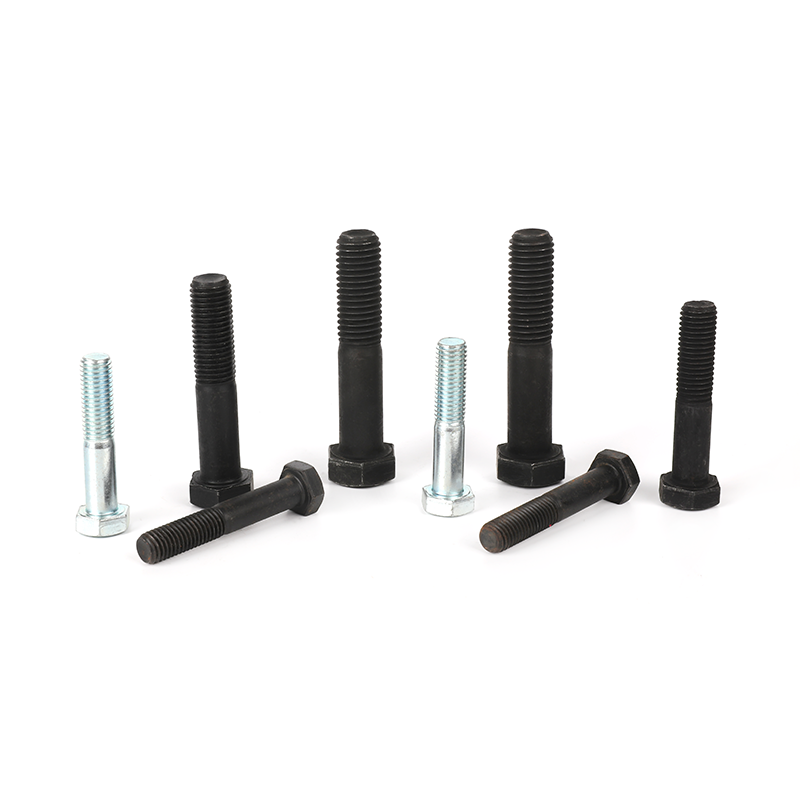 Grade 8.8 zinc plated/black oxide partial-thread hexagon bolts with reduced shanHongyan Technology Manufacturing - China Grade 8.8 zinc plated/black oxide partial-thread hexagon bolts with reduced shank, hex head bolt...View Product →
A flange head resembles a hex head with an integrated washer. The wide flange increases the bearing surface under the head, lowering the contact pressure on the clamped material and often eliminating the need for a separate flat washer. This design is prized in automotive, appliance, and vibration-prone structural joints, because the larger face resists loosening better than a standard hex head. Serrated or textured flanges provide even more holding power; a grade 10.9 zinc-plated flange bolt with antislip texture, for instance, is a common choice for wheel hubs, brackets, and other components exposed to constant motion. Flange heads are also faster to install, since the installer handles one part instead of two.
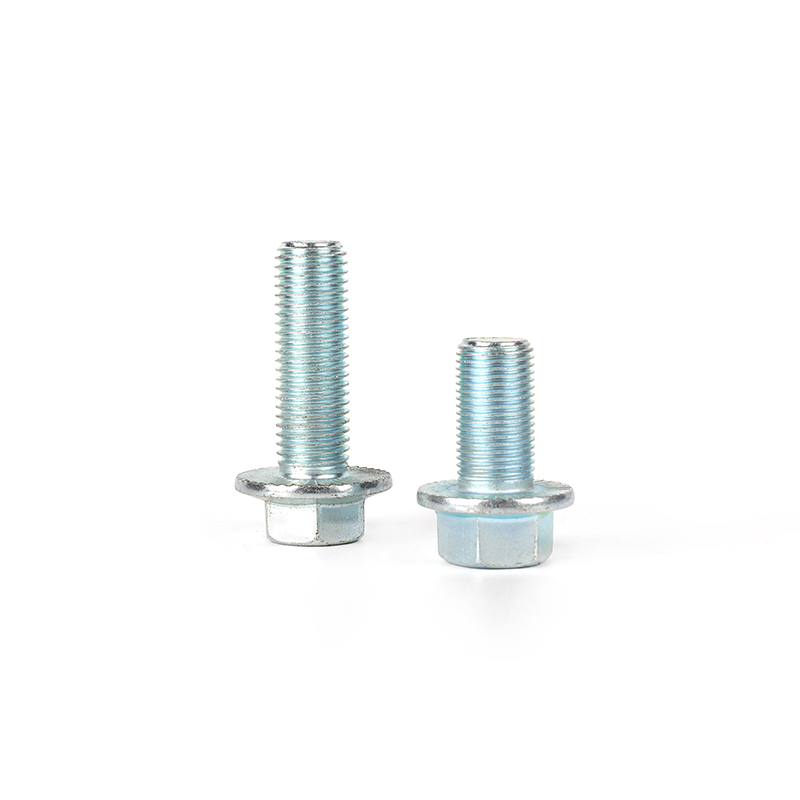 Grade 10.9 zinc plated flange bolts with anti-slip texture Manufacturers, SuppliHongyan Technology Manufacturing - China Grade 10.9 zinc plated flange bolts with anti-slip texture Manufacturers, Suppliers and Factory,...View Product →
Socket head cap screws use an internal hexagon drive recessed into the head. Because the drive is inside, the head can be shorter than a hex head while still transmitting comparable torque. That low profile makes socket heads the first choice for tight spaces, panels, and precision machinery where a swing wrench cannot fit. They also look cleaner in visible assemblies and have no protruding corners to catch on adjacent components. The main trade-off is the need for a hex key or hex bit, and the internal drive can strip if the tool is worn or the fastener is over-torqued. Socket heads are standard in tooling fixtures, automotive components, and equipment that is disassembled regularly.
Flat head bolts are countersunk types designed to sit flush with, or slightly below, the surface of the workpiece. The angled underside of the head matches a countersunk hole, so nothing protrudes into the surrounding space. That is essential where a protruding fastener would interfere with moving parts, create a snag hazard, or compromise the appearance of the finished product. Flat heads are offered with Phillips, slotted, hex, and square drives, and they are common in woodworking, panel assembly, and architectural fastening. The limitation is lower torque capacity, because the head is thin and the contact area for the tool is smaller than that of a hex or socket head.
Square head bolts are one of the oldest head designs still in production. Four flat sides give hand tools a very positive grip, and the geometry resists rounding under high torque. Square heads remain widely used in railroad track fasteners, heavy timber connections, and agricultural equipment, where bolts are often tightened with manual wrenches in locations without power tools. They are less common in modern machinery because the sharp corners are easier to damage than the chamfered corners of a hex head, but they are still a legitimate option for rugged, low-maintenance applications.
Dome heads, often called button heads, have a rounded top surface and a flat underside. They provide a low profile and a clean, finished appearance, which is why they show up in furniture, decorative hardware, and light industrial products. Round head bolts are structurally similar but have a slightly taller profile. Neither type transmits torque as efficiently as a hex or socket head, so they are best applied where loads are moderate and visual appearance or clearance is a priority.
To keep the main differences clear, the table below summarizes each head type, the tools required to drive it, the torque capacity you can expect, and the use cases where it performs best.
| Head Type | Drive Tools | Torque Capacity | Best Use Cases |
|---|---|---|---|
| Hex head | Socket, wrench, impact driver | High | Structural steel, machinery, heavy equipment |
| Flange head | Socket, wrench | High | Vibration-prone joints, assemblies without separate washers |
| Socket head | Hex key, hex bit | High | Tight spaces, precision machinery, removable panels |
| Flat countersunk head | Phillips, slotted, hex, square bit | Low to medium | Flush surfaces, woodworking, architectural panels |
| Square head | Spanner, adjustable wrench | Medium | Railroad, timber construction, agricultural equipment |
| Dome or button head | Hex key, hex bit | Low to medium | Furniture, decorative hardware, light industrial assemblies |
Choosing a bolt head type comes down to three questions.
Material and finish work in combination with head type. Stainless steel offers corrosion resistance for marine and food-contact environments, while zinc-plated carbon steel provides an economical balance of strength and protection for most industrial uses. The surface treatment affects both the corrosion resistance and the torque-tension relationship during tightening, so it should be chosen on the basis of exposure conditions, not appearance alone. Grades matter as well: an 8.8-grade bolt is the common industrial baseline, 10.9 is used where higher strength is needed without moving to a larger diameter, and 12.9 handles extreme loads in demanding applications. The head type must be able to transmit the torque required to reach these grades' recommended preload, which is another reason hex and socket heads dominate high-strength bolting.
Standard head types cover most applications, but not all of them. When a joint requires a head that no catalog item provides, custom tooling is the practical answer. Manufacturers with in-house production capability can produce bolt heads with unconventional profiles, extended necks, stepped shoulders, or combined drive features. A zinc-plated flat head hexagon neck bolt, for example, uses a hex neck under the head to lock rotation during installation, which makes it a strong choice for photovoltaic racking and structural frames where the fastener must be tightened from one side only. Other custom forms include T-shaped square head bolts for anchoring, weld shoulder bolts for permanent attachments, and hollow bolts for fluid or oil-line connections.
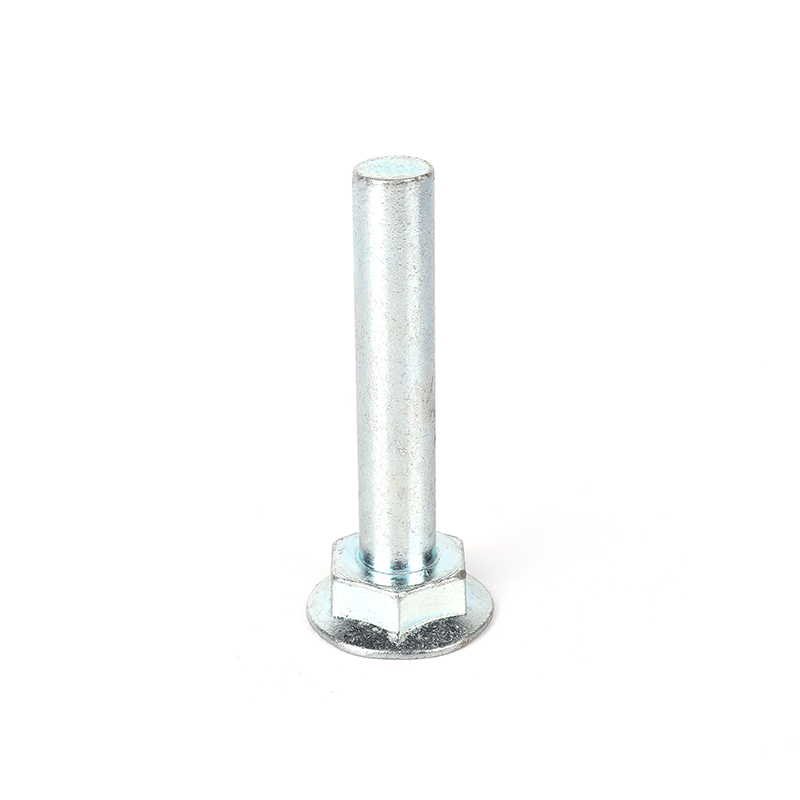 Zinc plated flat head hexagon neck bolts Manufacturers, Suppliers, Factory - JiaHongyan Technology Manufacturing - China Zinc plated flat head hexagon neck bolts Manufacturers, Suppliers and Factory, Customized Zinc p...View Product →
Working directly with a factory that supports custom tooling shortens the path from concept to production, because the fastener can be designed around the actual joint instead of forcing the joint to fit a standard catalog part. This is especially valuable for high-volume programs, where a small change in head geometry can simplify assembly, reduce tooling cost, or improve the reliability of a critical connection.
That is the practical picture of bolt head types. To summarize:
Match the head to the tool, the load, and the finish requirements of your joint, and you will avoid the field failures, rework, and delayed deliveries that come from an overlooked specification.
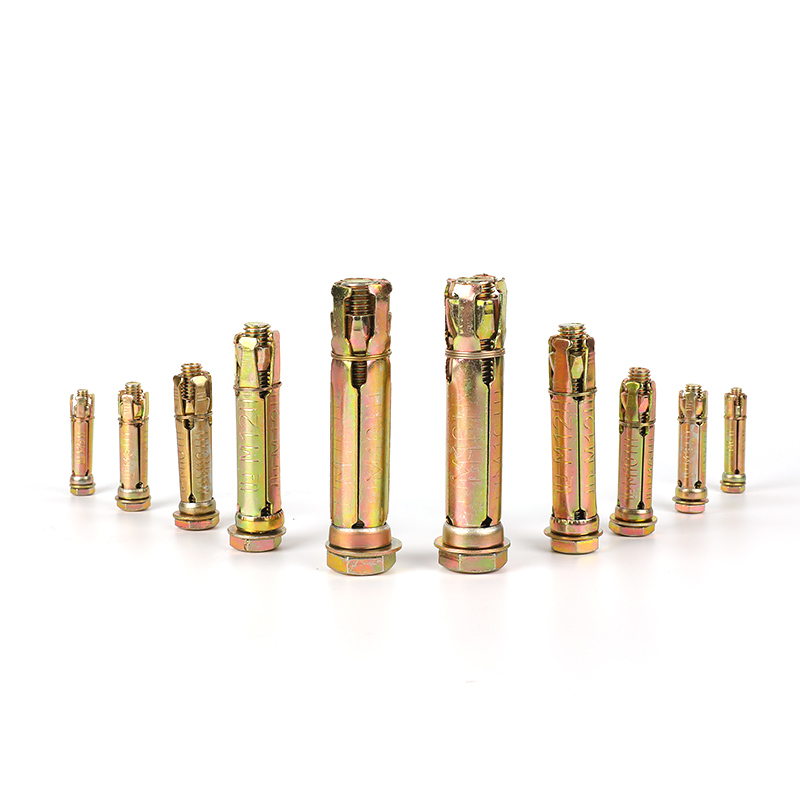
Fix anchorbolts include bolts, washers, nuts and 4PCS cylindrical shields. By tightening the bolts, the shields tubes expand and the components can be...
See Details
Flange bolts are specially used to tightly connect pipes and components with flanges. We produce flange bolts are solid t and durablethat, compling wi...
See Details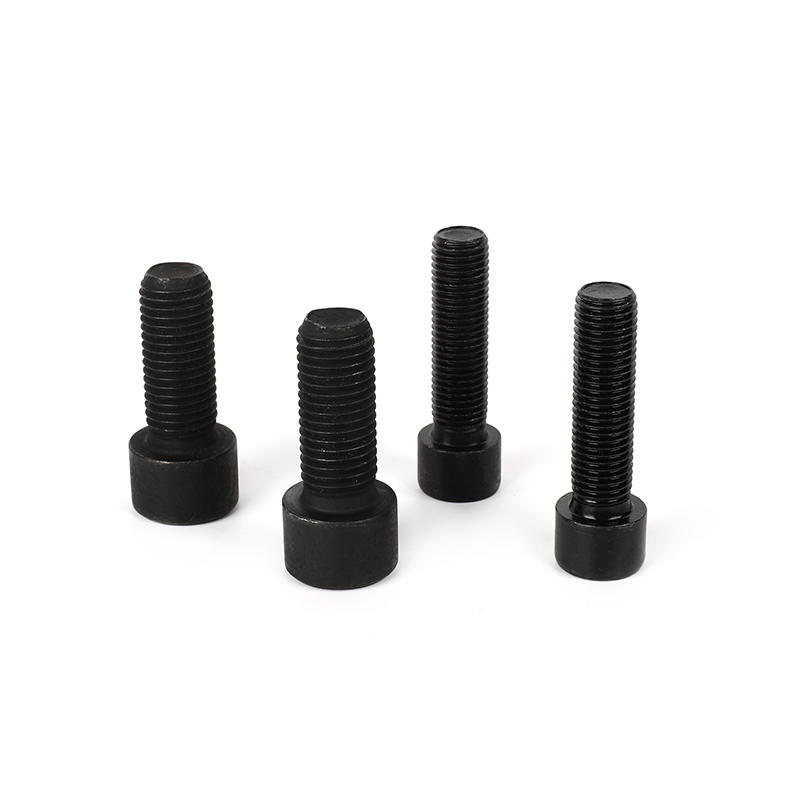
The Grade 8.8 black oxide full-thread hexagon socket bolts have an internal hex design and needs to be used with a wrench with a hex head. Its full th...
See Details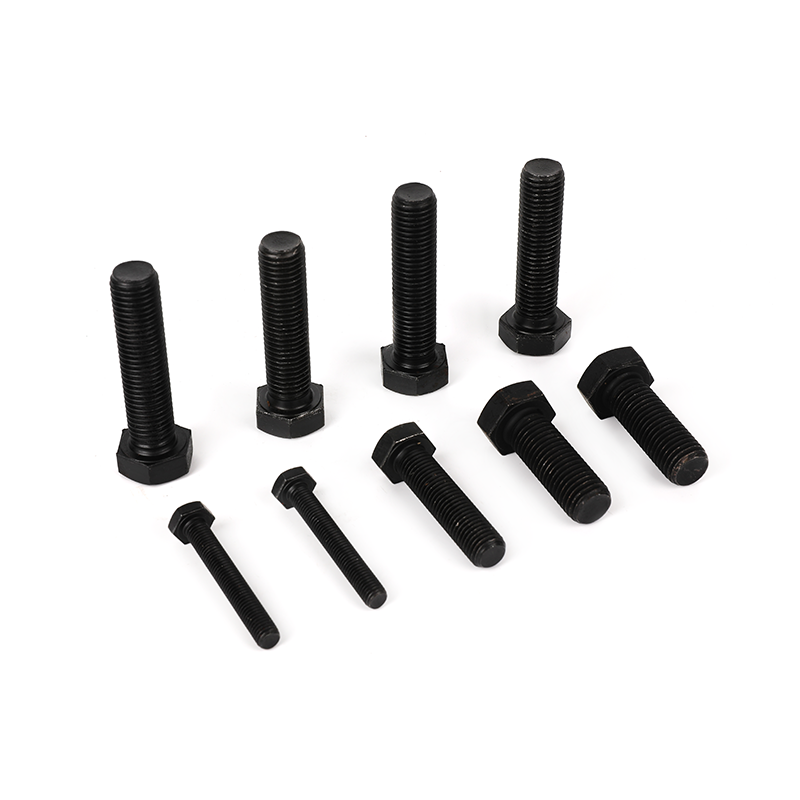
Grade 8.8 black oxide full-thread hexagon bolts is a very common fastener and requires a wrench or hex wrench to tighten it. Our hex head bolt meet th...
See Details
This product is made of high-quality carbon steel and undergoes a rigorous heat treatment process. It has high strength, good elasticity and toughness...
See Details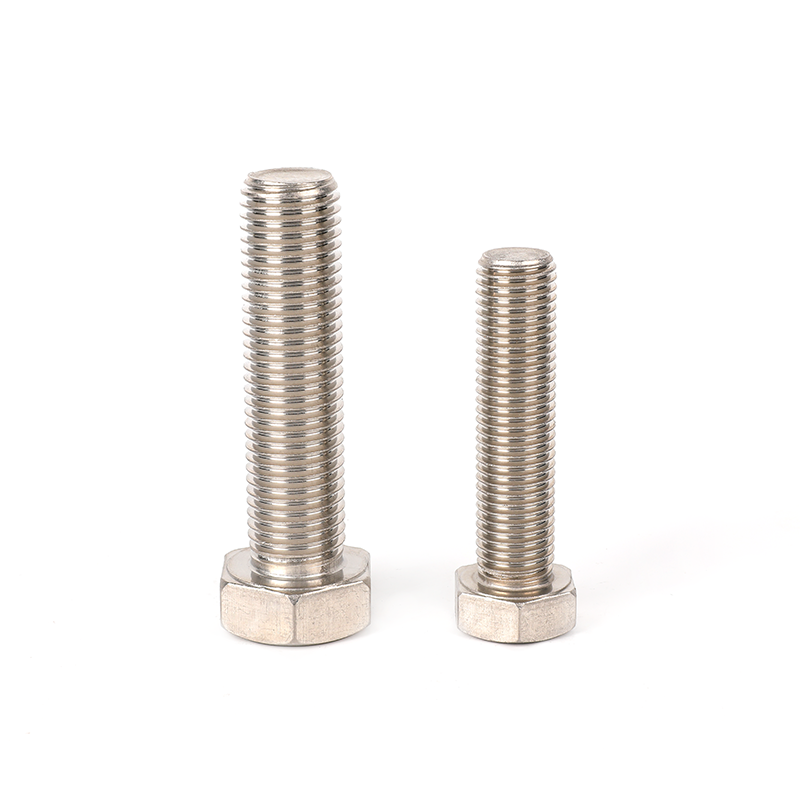
This 304 stainless steel plain full-thread hexagon bolt is a kind of fasteners made of high-quality stainless steel material and has corrosion resista...
See Details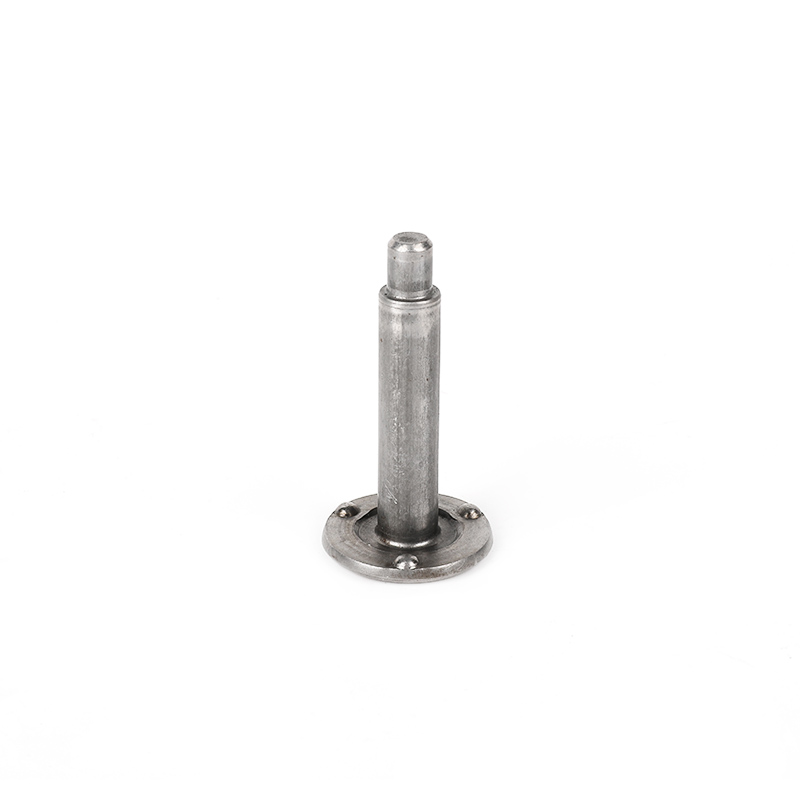
This plain round flat head weld shoulder bolt is a fastener suitable for a variety of welding applications. Its flat head and round head design makes ...
See Details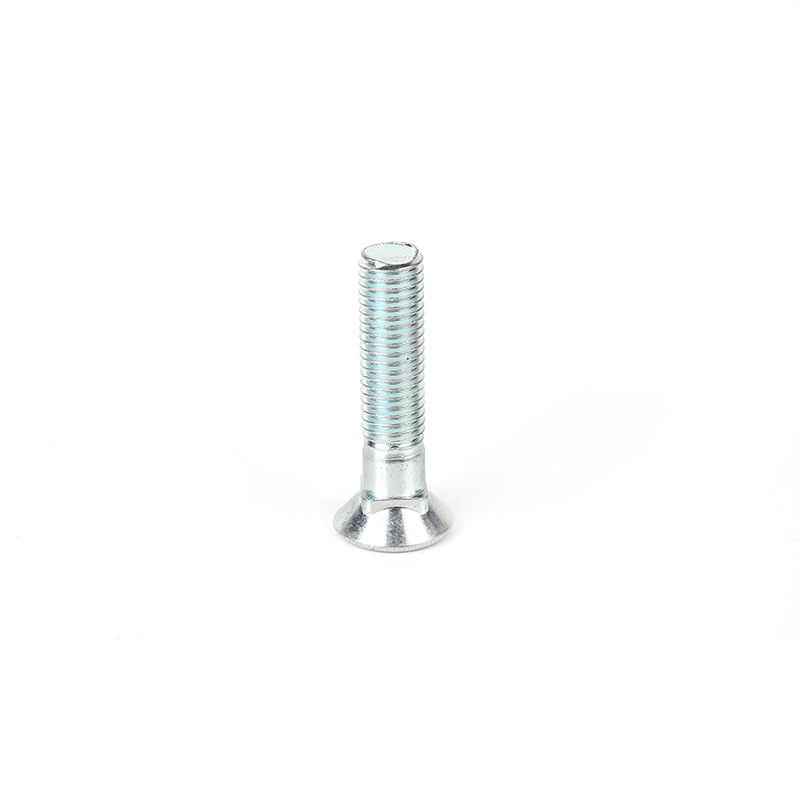
This Grade 12.9 zinc plated countersunk head square neck plow bolt has the advantages of high precision, high operability, high strength, and high ten...
See Details
Room 102, Building 13, Area A, Wanyang Zhongchuang Park, Ganyao Town, Jiashan County, Zhejiang China.
+86-17858810290
+86-573-84648787
product
mobile
