 English
 عربى
عربى
Room 102, Building 13, Area A, Wanyang Zhongchuang Park, Ganyao Town, Jiashan County, Zhejiang China.
Content
Hexagon head screws — also called hex head screws or hex cap screws — are threaded fasteners with a six-sided head designed to be driven by a wrench or socket tool rather than a screwdriver. Their six-sided geometry allows far greater torque to be applied during installation than any internal-drive fastener of the same diameter, making them the standard choice for structural steelwork, machinery assembly, automotive engineering, and construction bolting wherever high clamping force is required.
Unlike Phillips or Torx drive screws that rely on a recess machined into the head, hex head screws transfer drive force across the full flat faces of the hexagon — distributing stress evenly and virtually eliminating cam-out under high torque. If you're fastening anything load-bearing, joining metal to metal, or assembling equipment that will be subjected to vibration, hex head screws are almost certainly the correct choice.
The terms "hex head screw" and "hex bolt" are often used interchangeably, but there is a meaningful technical distinction that affects how each is specified and used.
In practice, fully threaded hex head screws are used when threading into a tapped hole, while partially threaded hex bolts are used with a nut in through-bolted assemblies. Both share the same six-sided head geometry, and both are driven with the same tools — the difference lies entirely in shank configuration and joint design.
In North American standards (ASME B18.2.1), the distinction is formalised: a fastener is a "cap screw" if it threads into a tapped hole, and a "bolt" if it is assembled with a nut. European standards (ISO 4014, ISO 4017) use the term "hexagon head screw" for both configurations, differentiated by a suffix (part-threaded vs fully threaded).
Hexagon head screws are produced to precise dimensional standards that govern head size, thread pitch, shank diameter, and length. Knowing these specifications is essential for correct tool selection and interchangeability across suppliers.
Metric hex head screws follow ISO 4017 (fully threaded) and ISO 4014 (partially threaded). The head width across flats (WAF) — the measurement a spanner or socket must match — is standardised for each nominal diameter.
| Nominal Diameter | Thread Pitch (Coarse) | Width Across Flats (mm) | Head Height (mm) | Typical Torque Range (Nm, Grade 8.8) |
|---|---|---|---|---|
| M6 | 1.0 mm | 10 mm | 4.0 mm | 9–11 Nm |
| M8 | 1.25 mm | 13 mm | 5.3 mm | 22–25 Nm |
| M10 | 1.5 mm | 17 mm | 6.4 mm | 43–50 Nm |
| M12 | 1.75 mm | 19 mm | 7.5 mm | 75–90 Nm |
| M16 | 2.0 mm | 24 mm | 10.0 mm | 180–210 Nm |
| M20 | 2.5 mm | 30 mm | 12.5 mm | 350–410 Nm |
| M24 | 3.0 mm | 36 mm | 15.0 mm | 600–710 Nm |
In North America and industries that follow ASME/ANSI standards, hex head screws are specified in imperial sizes with Unified National Coarse (UNC) or Unified National Fine (UNF) thread series. Common sizes range from ¼-20 UNC through 1½-6 UNC, with the first number denoting the nominal shank diameter in inches and the second number denoting threads per inch. A ½-13 UNC hex head cap screw, for example, has a ½ inch diameter shank and 13 threads per inch — one of the most widely stocked sizes in North American industrial supply chains.
Fine thread (UNF) variants of the same diameter have more threads per inch, providing greater resistance to loosening under vibration and finer adjustment control, at the cost of slightly reduced thread stripping resistance in softer materials.
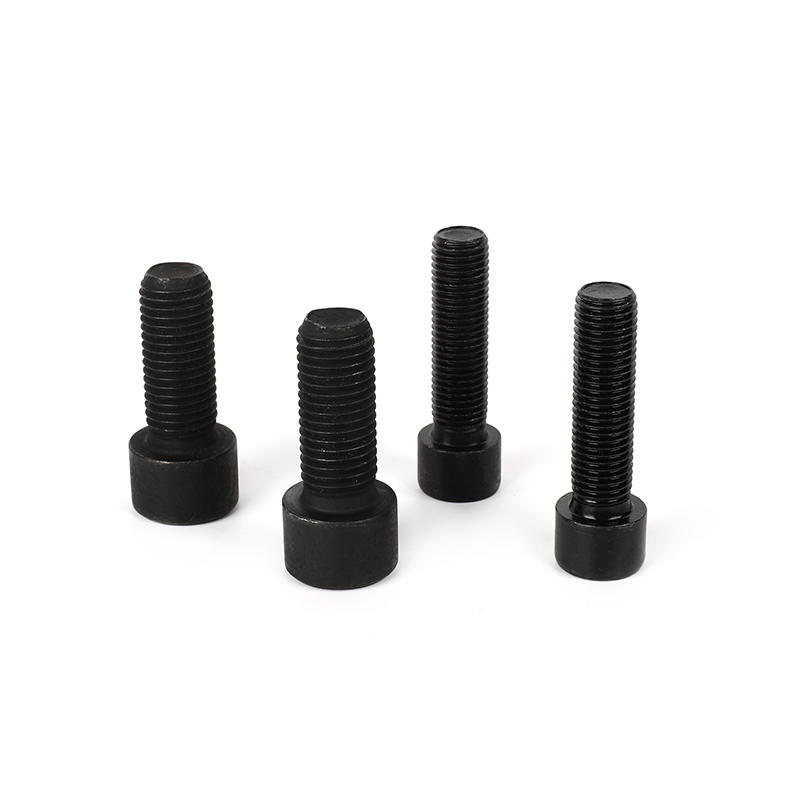
The strength of a hexagon head screw is not determined by its size alone — the material and heat treatment determine how much load it can carry before yielding or fracturing. Selecting the wrong property class is one of the most consequential specification errors in fastener engineering.
| Property Class (ISO) | SAE Grade Equivalent | Tensile Strength (MPa) | Yield Strength (MPa) | Material | Head Marking |
|---|---|---|---|---|---|
| 4.6 | SAE Grade 2 | 400 MPa | 240 MPa | Low carbon steel | 4.6 |
| 8.8 | SAE Grade 5 | 800 MPa | 640 MPa | Medium carbon steel, Q&T | 8.8 |
| 10.9 | SAE Grade 8 | 1040 MPa | 940 MPa | Alloy steel, Q&T | 10.9 |
| 12.9 | No direct equivalent | 1220 MPa | 1100 MPa | Alloy steel, high Q&T | 12.9 |
| A2-70 | — | 700 MPa | 450 MPa | 304 Stainless steel | A2-70 |
| A4-80 | — | 800 MPa | 640 MPa | 316 Stainless steel | A4-80 |
Grade 8.8 is the most widely used property class in general engineering, offering a practical balance of strength, availability, and cost. Grade 10.9 and 12.9 are reserved for high-stress applications such as engine components, suspension systems, and structural connections where joint pre-load is critical. Using a lower property class than specified in a joint design is a serious safety risk — the head marking stamped into every conforming fastener is the only reliable way to verify grade on-site.
The base steel of most hexagon head screws will corrode without surface treatment. The choice of finish affects both corrosion resistance and whether the fastener is suitable for contact with specific materials or environments.
Bright zinc plating (BZP) and yellow zinc plating (YZP) are the most common finishes for general-purpose hex head screws. The zinc layer acts as a sacrificial anode — it corrodes before the underlying steel. A standard 8-micron zinc electroplate provides approximately 72–96 hours of salt spray resistance per ISO 9227, which is adequate for indoor and sheltered outdoor applications. Yellow passivation adds an additional chromate conversion layer that extends corrosion resistance and gives the fastener its distinctive gold-yellow appearance.
For structural steelwork in exposed outdoor environments, hot-dip galvanised hex head screws are immersed in molten zinc at approximately 450°C, producing a coating 45–85 microns thick — five to ten times thicker than electroplating. This provides substantially greater corrosion protection, often exceeding 25 years in rural environments or 10–15 years in urban/industrial settings before first maintenance. HDG fasteners have a rougher, matte grey appearance and may require thread chasing before assembly due to the coating thickness.
Where corrosion resistance must be inherent rather than coating-dependent, stainless steel hex head screws are specified. A2 stainless (304 grade) is appropriate for most indoor and mild outdoor environments. A4 stainless (316 grade) contains molybdenum, which significantly increases resistance to chloride-induced pitting corrosion — making it the standard for marine, coastal, food processing, and chemical plant environments. Stainless steel fasteners should never be mixed with carbon steel components without galvanic isolation, as bimetallic corrosion will accelerate attack on the less noble metal.
Geomet and Dacromet are proprietary zinc-flake coating systems applied at low temperatures, which makes them suitable for high-strength fasteners (Grade 10.9 and 12.9) where electroplating would risk hydrogen embrittlement. These coatings achieve 720–1,000 hours of salt spray resistance at a coating thickness of just 8–10 microns, and are widely used in the automotive and wind energy sectors.
Hexagon head screws appear across virtually every industry that involves mechanical assembly, but their dominance is particularly pronounced in sectors where load capacity, accessibility, and reliability are non-negotiable.
In structural steel connections — beam-to-column joints, base plates, secondary steelwork, and bridgework — hex head bolts (typically M16 to M36, Grade 8.8 or S10T for high-strength friction grip) are the mandated fastener type under EN 1993 (Eurocode 3) and AISC 360 in North America. The external hex drive is essential here: in confined site conditions with pneumatic wrenches and torque-control tools, an external drive head is far more practical than any recessed drive system.
Suspension components, engine blocks, transmission housings, exhaust manifolds, and chassis-mounting points all use hex head screws — predominantly in Grade 10.9 and 12.9 for high-stress locations. The ability to apply precise, measured torque with a calibrated torque wrench or angle-torque method is critical for achieving correct joint pre-load in safety-critical automotive assemblies.
Gearboxes, conveyor systems, pumps, compressors, and manufacturing plant frames rely heavily on hex head screws for both initial assembly and field maintenance. The external hex drive significantly reduces strip-out risk during maintenance tightening with high-torque power tools — a failure mode that frequently ruins recessed drive fasteners in service environments.
Wind turbine towers, nacelle frames, and solar panel mounting structures use large-diameter hex head screws (M20–M72) in high-strength grades with specialist coatings. A single wind turbine tower section can require 80–120 high-strength hex bolts per flange connection, each installed to a precise torque-angle specification and periodically re-checked throughout the turbine's operational life.
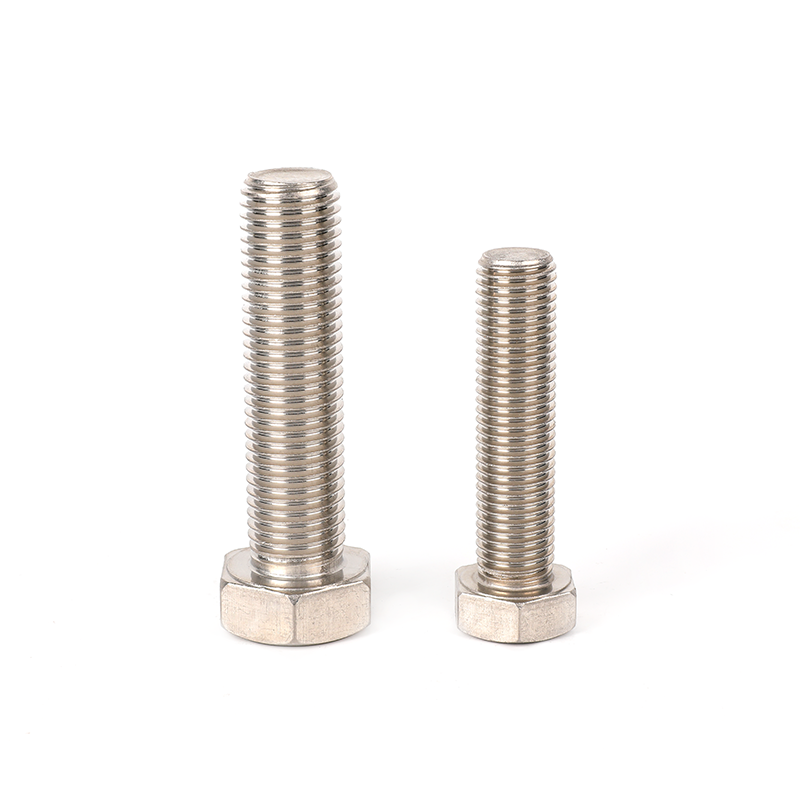
The external hex drive of these screws is specifically designed for use with tools that grip across all six flats simultaneously — maximising torque transfer while minimising head deformation. Using the wrong tool damages both the fastener and the tool.
Vibration is the primary cause of hex head screw loosening in service. The DIN 65151 dynamic loosening test (Junker test) is the industry standard for evaluating fastener resistance to transverse vibration, and plain hex head screws without any locking provision will typically begin to loosen after 100–200 load cycles under the Junker test conditions. Several reliable methods exist to prevent this.
Nylon-insert or all-metal prevailing torque nuts create a friction interference as they are threaded onto the bolt, requiring consistent torque to turn throughout — preventing free spinning if clamping force is lost. Nyloc nuts (with nylon inserts) should not be reused or used above approximately 120°C. All-metal prevailing torque nuts are rated for higher temperatures and repeated use.
Anaerobic adhesives such as Loctite 243 (medium strength) or Loctite 270 (high strength) fill the thread root voids and cure in the absence of oxygen, bonding the mating threads. Medium-strength formulations are removable with standard hand tools; high-strength grades require heat (typically above 250°C) to break the bond. Thread-locking adhesive is particularly effective in assemblies where a nut is not accessible, such as a screw threading directly into a tapped blind hole.
Nord-Lock wedge-locking washers use a cam-action mechanism: paired washers with angled cams on their inner faces and radial serrations on their outer faces lock the fastener by requiring the bolt to stretch slightly before the cam angle can be overcome. This system maintains locking even after repeated assembly and disassembly cycles, making it widely used in rail, mining, and wind energy applications.
An additional thin nut (jam nut) is tightened against the primary nut, creating a compressive load between the two nuts that resists rotation. This is an economical solution for low-vibration environments, though it adds stack height and requires correct installation sequence — the jam nut must be on the inside (closest to the joint surface) and tightened first, then the full nut tightened against it.
Even experienced engineers occasionally make fastener specification errors that compromise joint integrity. The following are the most frequently encountered mistakes:
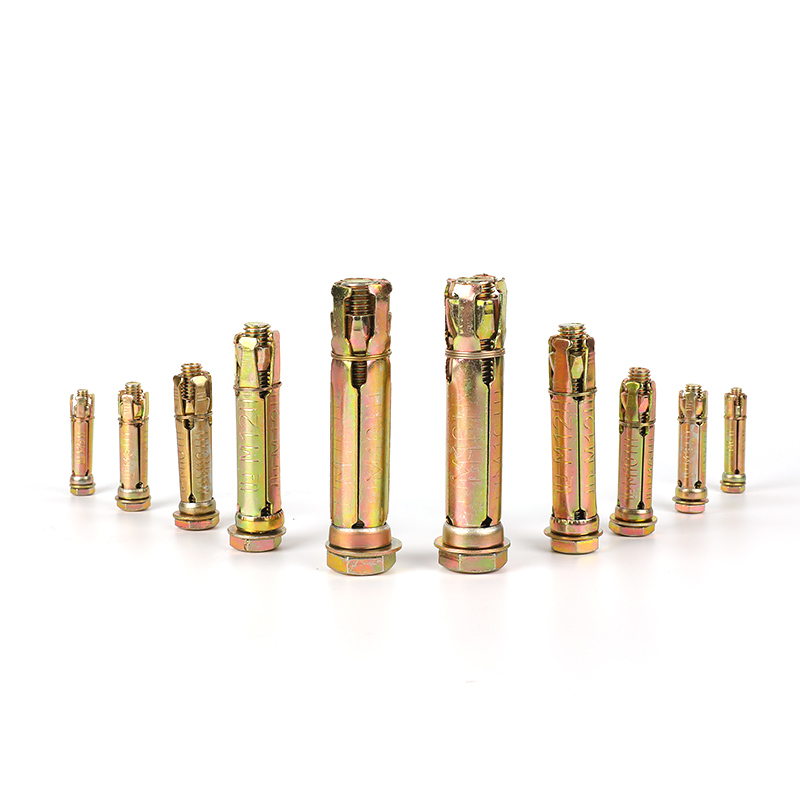
Fix anchorbolts include bolts, washers, nuts and 4PCS cylindrical shields. By tightening the bolts, the shields tubes expand and the components can be...
See Details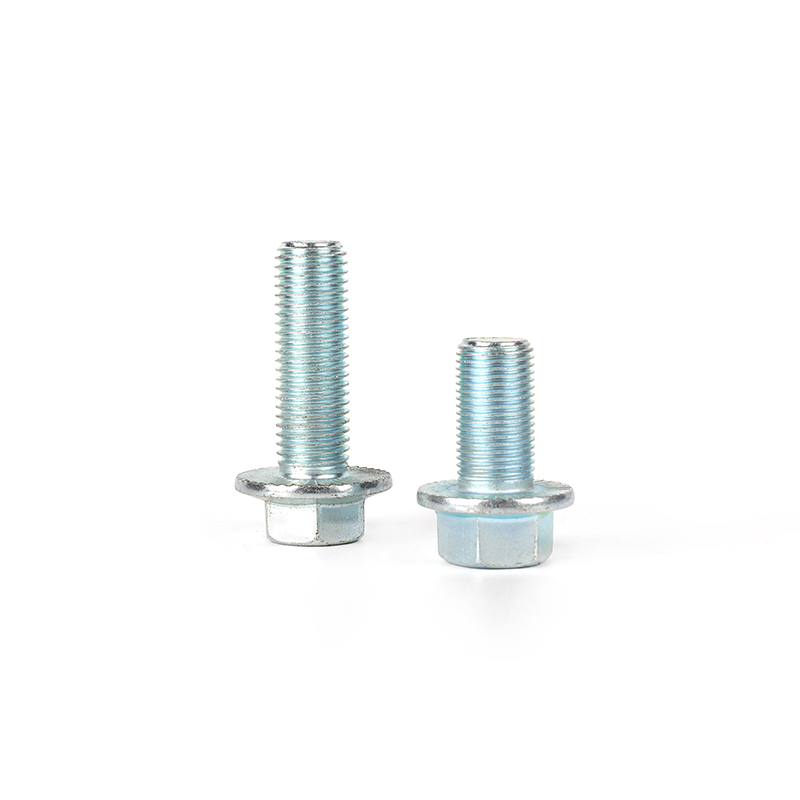
Flange bolts are specially used to tightly connect pipes and components with flanges. We produce flange bolts are solid t and durablethat, compling wi...
See Details
The Grade 8.8 black oxide full-thread hexagon socket bolts have an internal hex design and needs to be used with a wrench with a hex head. Its full th...
See Details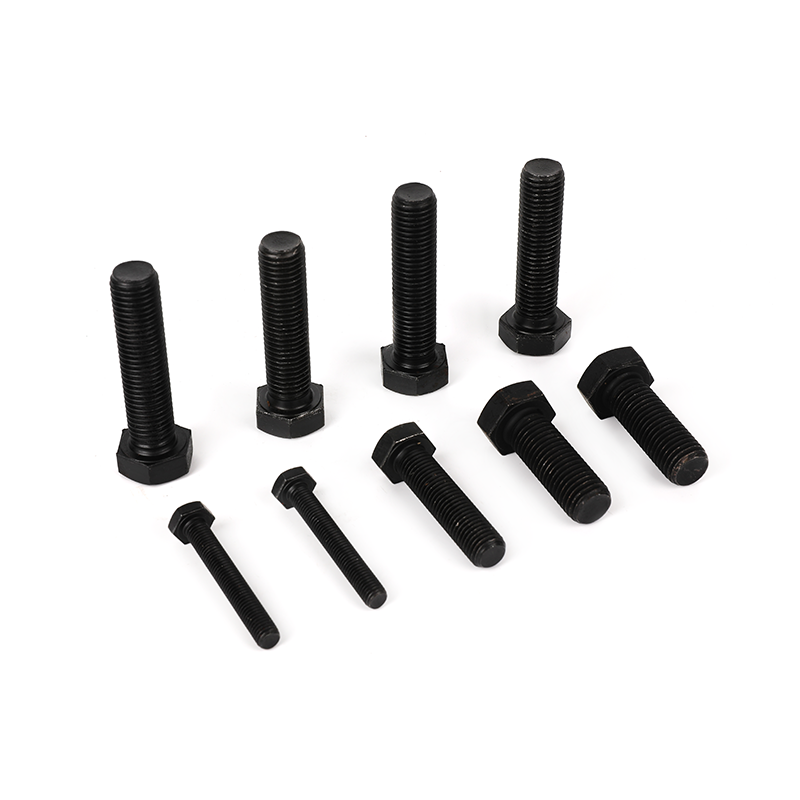
Grade 8.8 black oxide full-thread hexagon bolts is a very common fastener and requires a wrench or hex wrench to tighten it. Our hex head bolt meet th...
See Details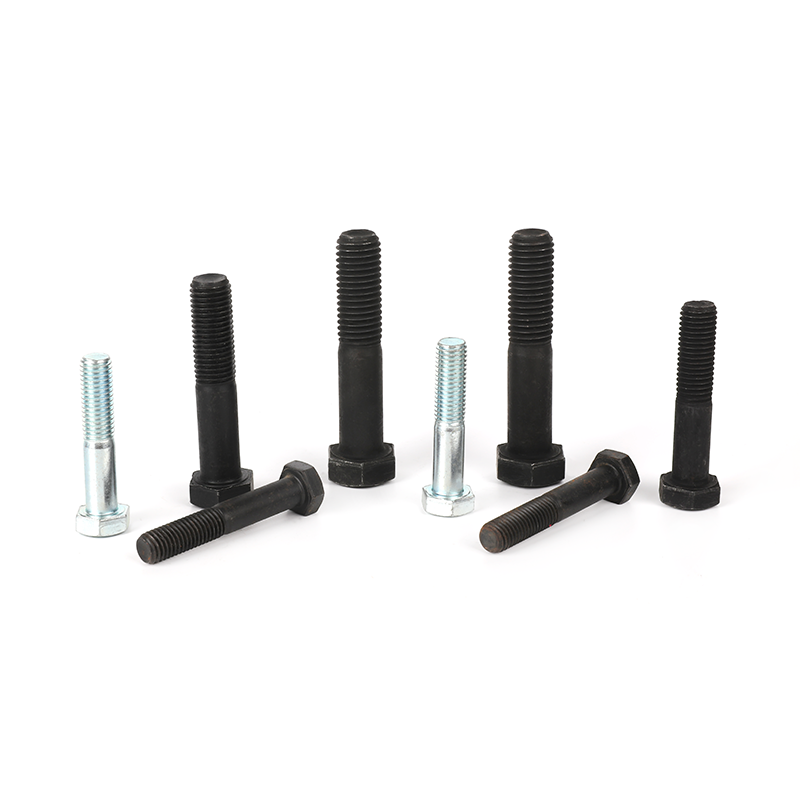
This product is made of high-quality carbon steel and undergoes a rigorous heat treatment process. It has high strength, good elasticity and toughness...
See Details
This 304 stainless steel plain full-thread hexagon bolt is a kind of fasteners made of high-quality stainless steel material and has corrosion resista...
See Details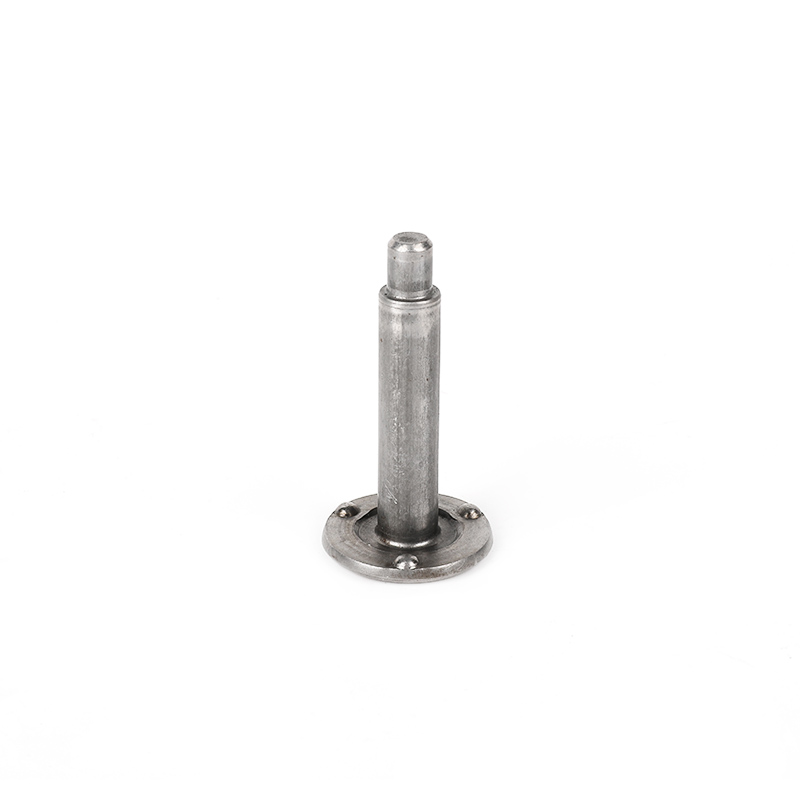
This plain round flat head weld shoulder bolt is a fastener suitable for a variety of welding applications. Its flat head and round head design makes ...
See Details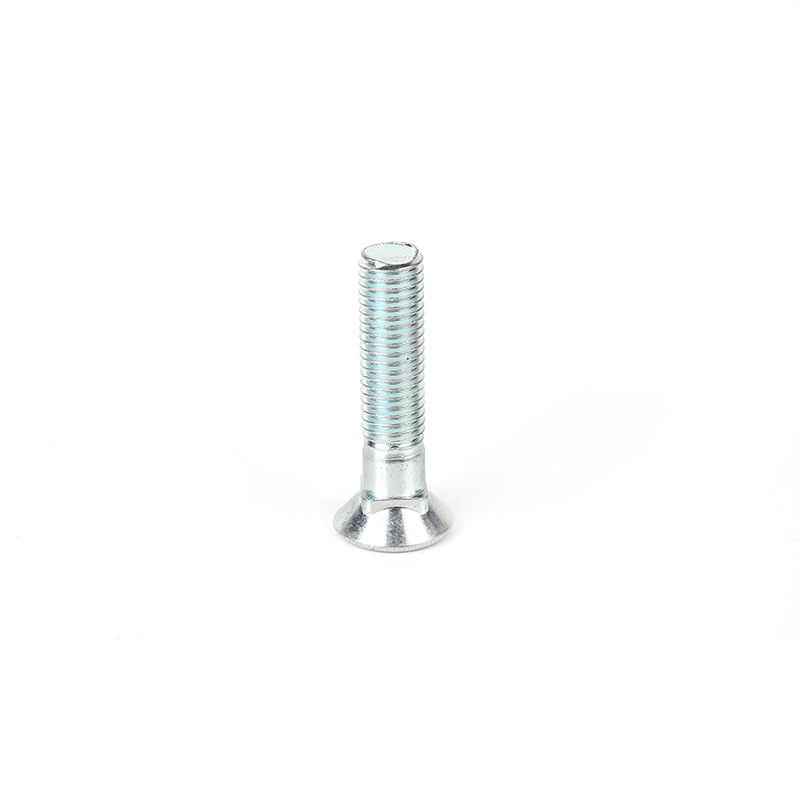
This Grade 12.9 zinc plated countersunk head square neck plow bolt has the advantages of high precision, high operability, high strength, and high ten...
See Details
Room 102, Building 13, Area A, Wanyang Zhongchuang Park, Ganyao Town, Jiashan County, Zhejiang China.
+86-17858810290
+86-573-84648787
product
mobile
