 English
 عربى
عربى
Room 102, Building 13, Area A, Wanyang Zhongchuang Park, Ganyao Town, Jiashan County, Zhejiang China.
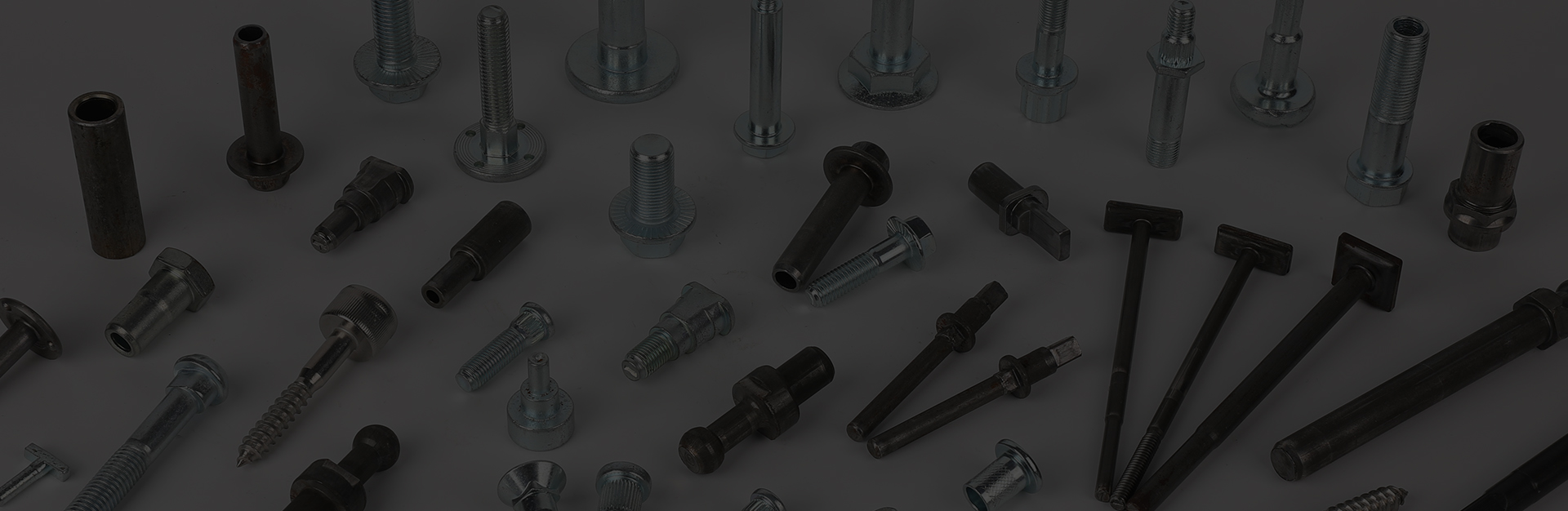
Hexagon head screws are the cornerstone of mechanical assembly, offering superior torque transmission and reliability compared to other drive types. For most industrial applications, selecting a Grade 8.8 or higher steel alloy with proper lubrication ensures optimal clamping force and prevents failure under vibration. Understanding the specific relationship between thread pitch, head size, and material grade is essential for maintaining structural integrity in high-stress environments.
Content
The hexagonal head design is not merely a traditional choice; it is an engineering solution to the problem of torque application. Unlike slotted or Phillips drives, which cam out under high load, the hex head allows for direct engagement with wrenches or sockets. This geometry distributes stress evenly across the six contact points, significantly reducing the risk of stripping the drive feature.
In high-torque applications, the efficiency of power transfer from the tool to the fastener is critical. Hex heads can withstand up to 30% more torque than equivalent Phillips head screws before deformation occurs. This makes them indispensable in automotive, aerospace, and heavy machinery sectors where precise preload is required to maintain joint integrity.
The external hex design allows for access from multiple angles. Standard open-end wrenches, box-end wrenches, and socket sets can all engage the head. This versatility is crucial in confined spaces where a screwdriver cannot be aligned axially. Furthermore, the large bearing surface under the head helps distribute clamping load over a wider area, reducing the likelihood of damaging the substrate material.
Selecting the correct material grade is paramount to preventing catastrophic failure. Hexagon head screws are categorized by property classes that define their tensile strength and yield strength. Using a lower-grade fastener in a high-load application can lead to stretching or shearing, while over-specifying can result in unnecessary cost and potential brittleness.
| Property Class | Min. Tensile Strength (MPa) | Yield Strength (MPa) | Common Application |
|---|---|---|---|
| 4.8 | 400 | 320 | Low-stress general assembly |
| 8.8 | 800 | 640 | Automotive and machinery |
| 10.9 | 1040 | 940 | High-vibration structural joints |
| 12.9 | 1220 | 1100 | Critical high-stress engineering |
For corrosive environments, stainless steel variants such as A2-70 and A4-80 are preferred. While A2 (304 stainless) offers good general corrosion resistance, A4 (316 stainless) provides superior protection against chlorides and acids, making it ideal for marine and chemical processing applications.
Proper installation is just as critical as material selection. Over-tightening can strip threads or snap the screw, while under-tightening leads to joint loosening. Achieving the correct clamp load requires understanding the relationship between torque, friction, and tension.
Friction accounts for approximately 90% of the applied torque, with only 10% contributing to actual clamping force. Variations in surface finish and lubrication can drastically alter this ratio. Using a consistent lubricant, such as molybdenum disulfide or oil, reduces the coefficient of friction, allowing for more accurate preload prediction. Always adjust torque specifications based on whether the fastener is dry, oiled, or waxed.
When installing multiple hexagon head screws in a flange or plate, the sequence of tightening is vital to prevent warping or uneven sealing. A star or crisscross pattern ensures even distribution of pressure. For critical joints, a multi-step tightening process is recommended:
Even high-quality hexagon head screws can fail if subjected to conditions beyond their design limits. Recognizing the signs of failure helps in diagnosing issues and preventing recurrence in future assemblies.
High-strength steel screws (Class 10.9 and 12.9) are susceptible to hydrogen embrittlement, particularly after electroplating. This phenomenon causes sudden, brittle fracture under sustained load. To mitigate this risk, manufacturers should bake parts at 200°C within 4 hours of plating to diffuse trapped hydrogen. Designers should also avoid specifying the highest strength class unless absolutely necessary.
Dynamic loads can cause hex screws to rotate loose over time. While nylon insert lock nuts are common, they may not suffice in extreme vibration. Alternatives include:

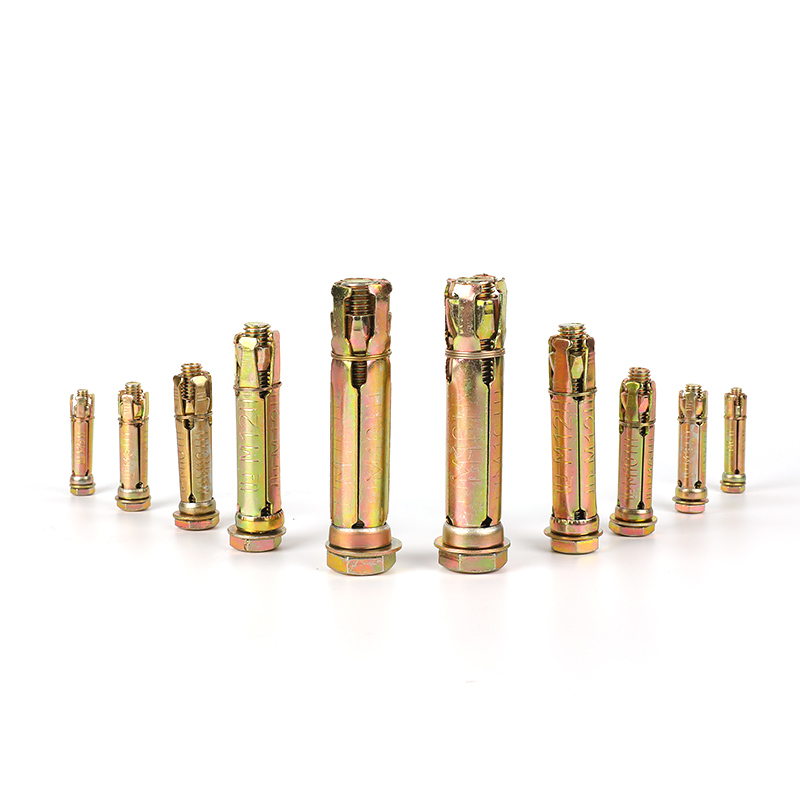
Fix anchorbolts include bolts, washers, nuts and 4PCS cylindrical shields. By tightening the bolts, the shields tubes expand and the components can be...
See Details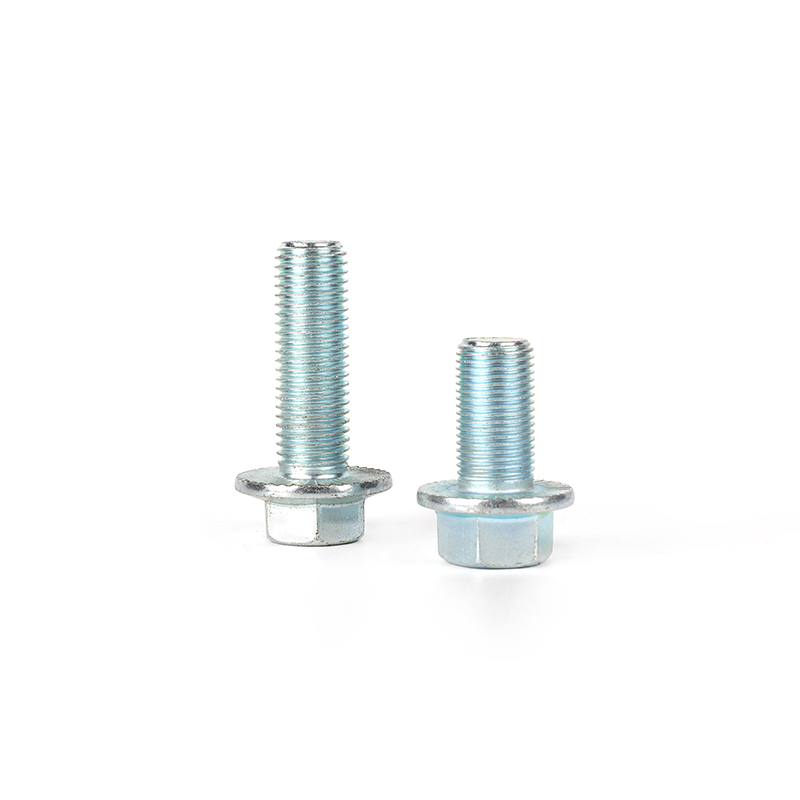
Flange bolts are specially used to tightly connect pipes and components with flanges. We produce flange bolts are solid t and durablethat, compling wi...
See Details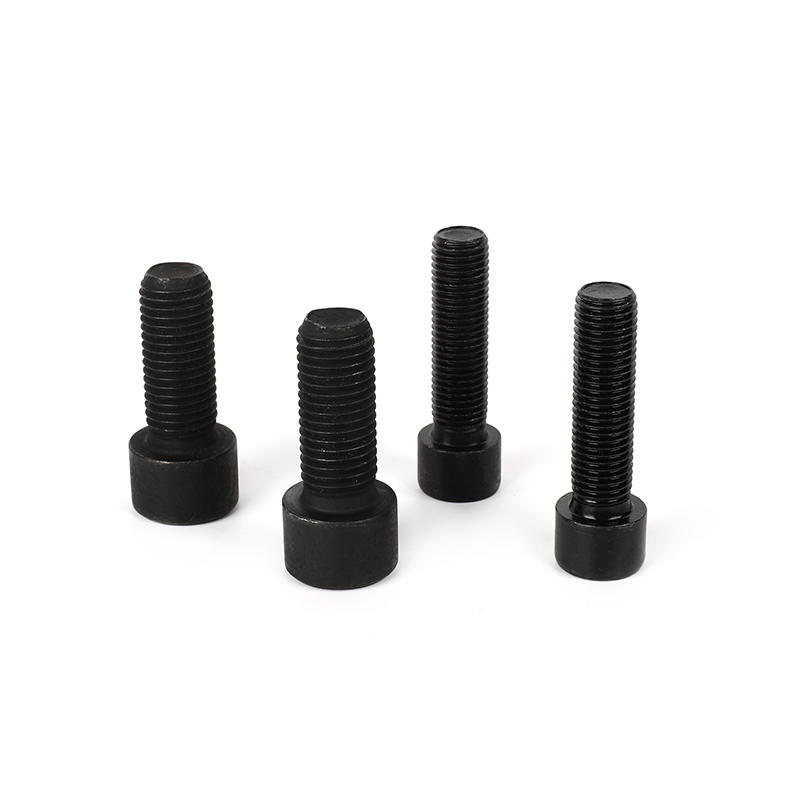
The Grade 8.8 black oxide full-thread hexagon socket bolts have an internal hex design and needs to be used with a wrench with a hex head. Its full th...
See Details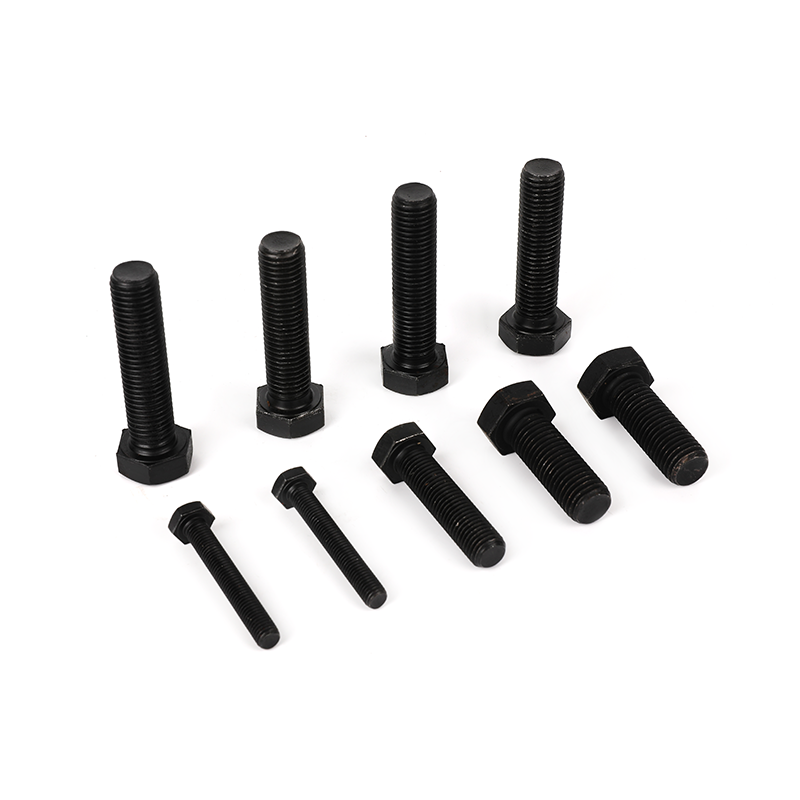
Grade 8.8 black oxide full-thread hexagon bolts is a very common fastener and requires a wrench or hex wrench to tighten it. Our hex head bolt meet th...
See Details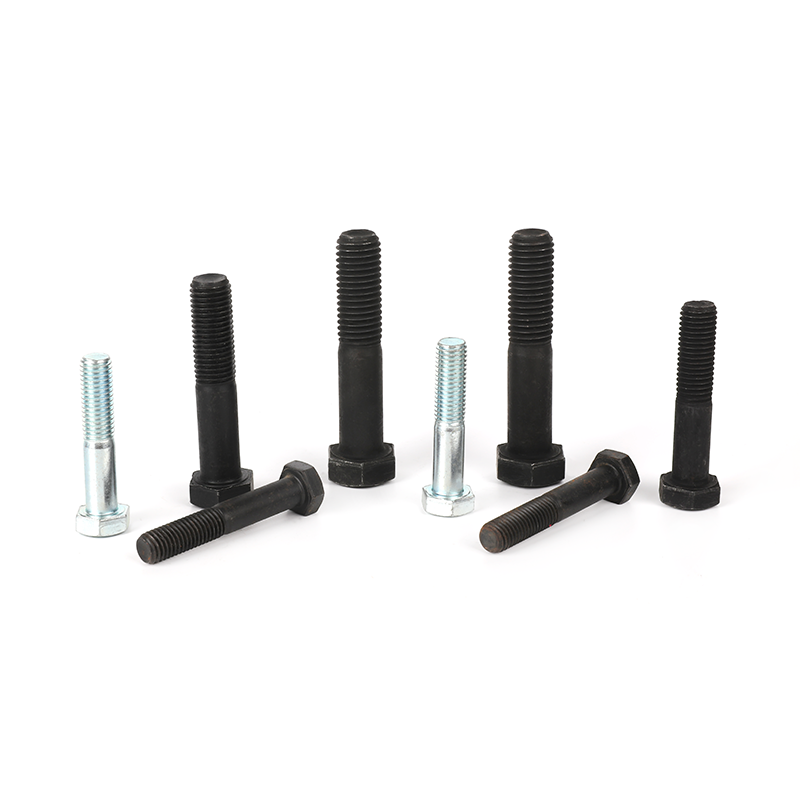
This product is made of high-quality carbon steel and undergoes a rigorous heat treatment process. It has high strength, good elasticity and toughness...
See Details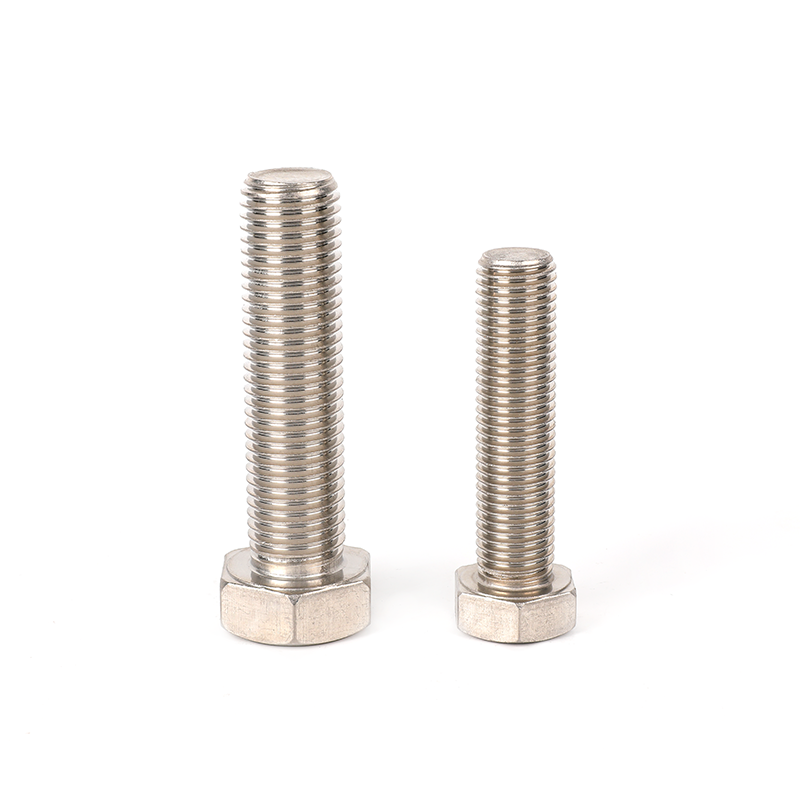
This 304 stainless steel plain full-thread hexagon bolt is a kind of fasteners made of high-quality stainless steel material and has corrosion resista...
See Details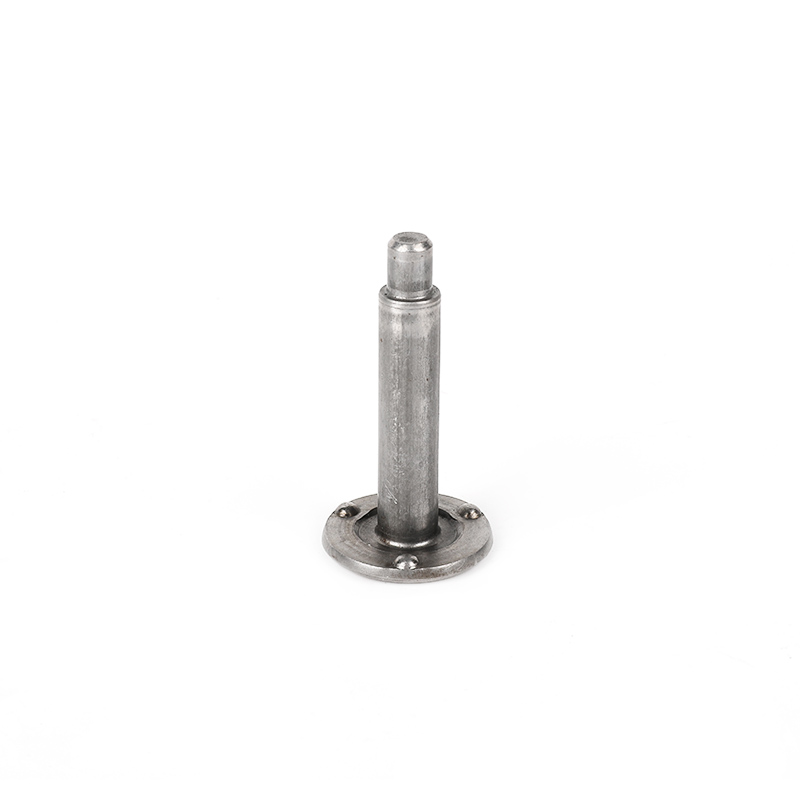
This plain round flat head weld shoulder bolt is a fastener suitable for a variety of welding applications. Its flat head and round head design makes ...
See Details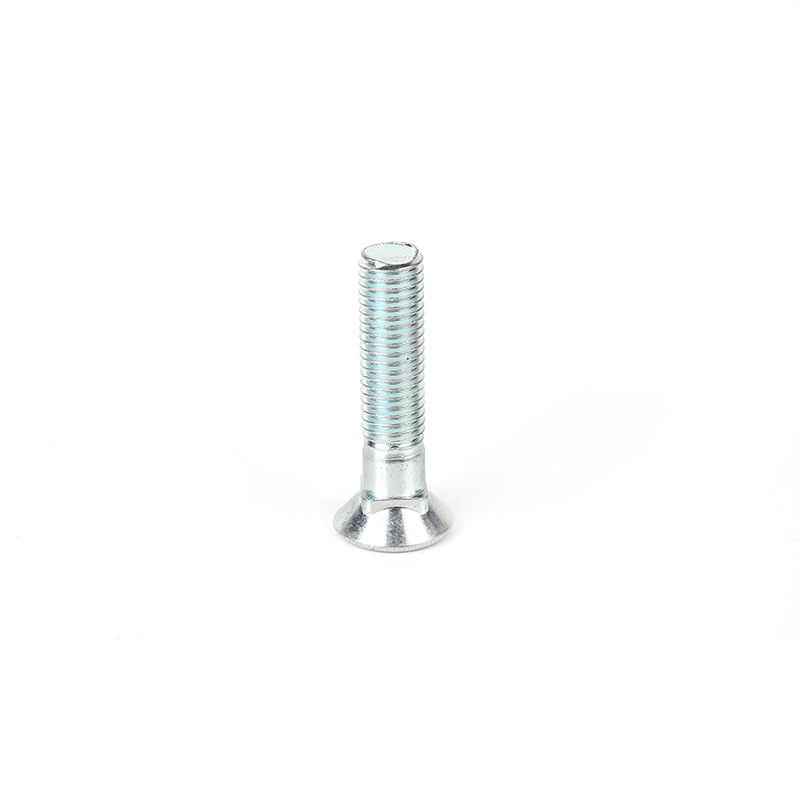
This Grade 12.9 zinc plated countersunk head square neck plow bolt has the advantages of high precision, high operability, high strength, and high ten...
See Details
Room 102, Building 13, Area A, Wanyang Zhongchuang Park, Ganyao Town, Jiashan County, Zhejiang China.
+86-17858810290
+86-573-84648787
product
mobile
