 English
 عربى
عربى
Room 102, Building 13, Area A, Wanyang Zhongchuang Park, Ganyao Town, Jiashan County, Zhejiang China.
Content
Photovoltaic bolts are the unsung heroes of solar energy infrastructure, securing modules to mounting structures against wind, snow, and seismic loads. The primary conclusion for any solar project is that fastener failure is the leading cause of structural degradation in the first five years of operation. Selecting the correct material and coating is not merely a cost decision but a critical safety imperative.
This article details the specific requirements for photovoltaic bolts, focusing on corrosion resistance in harsh environments, mechanical strength standards, and installation best practices. By adhering to these guidelines, engineers can ensure a 25-year service life consistent with solar panel warranties.
Solar installations are often located in coastal, industrial, or high-humidity environments, making corrosion the biggest threat to photovoltaic bolts. The choice between stainless steel and coated carbon steel depends on the specific atmospheric conditions and budget constraints.
Austenitic stainless steels are the standard for PV fasteners. A304 (SS304) offers good general corrosion resistance and is suitable for inland installations. However, for coastal areas within 5 kilometers of the sea, A316 (SS316) is mandatory due to its molybdenum content, which provides superior resistance to chloride-induced pitting. Using A304 in marine environments can lead to premature failure within 3-5 years.
For larger structural bolts connecting mounting rails to ground screws or concrete foundations, hot-dip galvanized carbon steel is often used. HDG provides a thick zinc coating (typically >65 µm) that offers sacrificial protection. While cost-effective, HDG bolts are bulkier and may require re-tapping of threads after galvanizing to ensure proper fit.
| Material | Environment Suitability | Expected Lifespan | Relative Cost |
|---|---|---|---|
| SS304 (A2) | Inland, Low Pollution | 20+ Years | Medium |
| SS316 (A4) | Coastal, High Humidity | 25+ Years | High |
| HDG Carbon Steel | General Outdoor | 15-20 Years | Low |
Photovoltaic bolts must withstand significant static and dynamic loads. Wind uplift and snow accumulation exert continuous stress on the mounting system. Understanding tensile strength and yield strength is essential for selecting the appropriate bolt class.
Stainless steel bolts are typically classified as A2-70 or A4-70, where "70" indicates a minimum tensile strength of 700 MPa. For high-wind regions, engineers may specify higher grades, though stainless steel rarely exceeds 800 MPa without losing corrosion resistance. Carbon steel bolts, such as Class 8.8 or 10.9, offer higher strength but require robust coatings to prevent rust.
In areas with wind speeds exceeding 120 km/h, the number and diameter of photovoltaic bolts must be increased. Finite element analysis (FEA) is often used to determine the optimal bolt pattern. Using undersized bolts can lead to shear failure, while over-tightening can strip threads or crush aluminum mounting rails.
Even the highest quality photovoltaic bolts can fail if installed incorrectly. Proper torque application and the use of compatible washers are vital for maintaining clamping force over the system's lifespan.
Each bolt size and material has a specific torque requirement. For example, an M8 A2-70 bolt typically requires a torque of 15-20 Nm. Over-torquing can stretch the bolt beyond its yield point, leading to eventual breakage, while under-torquing allows movement that causes fretting corrosion. Always use a calibrated torque wrench during installation.
When connecting dissimilar metals, such as stainless steel bolts to aluminum rails, galvanic corrosion can occur. Using EPDM or nylon washers isolates the metals, preventing electrical current flow that accelerates corrosion. This simple step can extend the joint's life significantly in humid conditions.
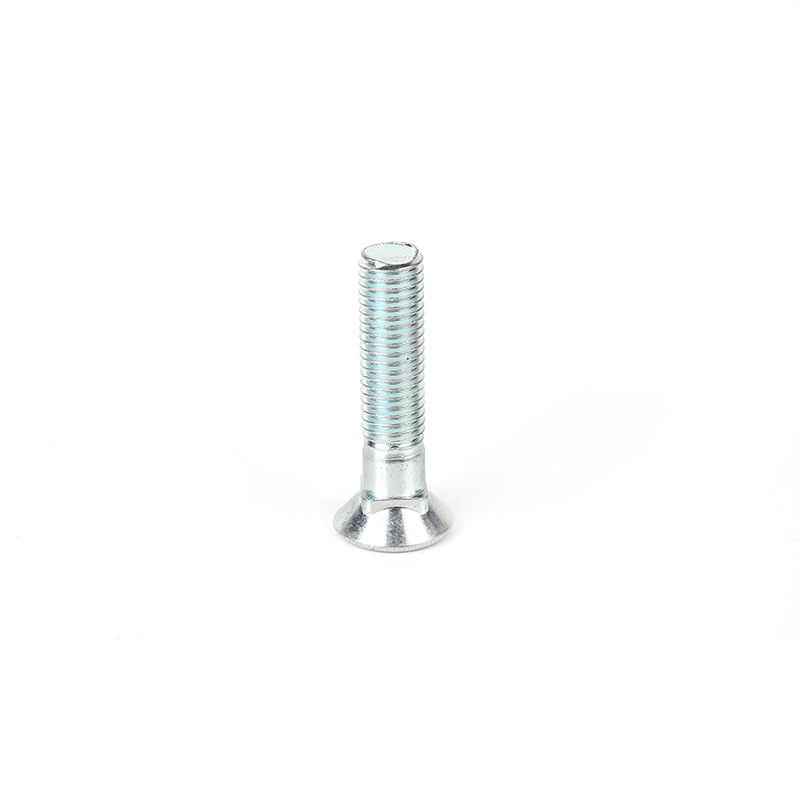
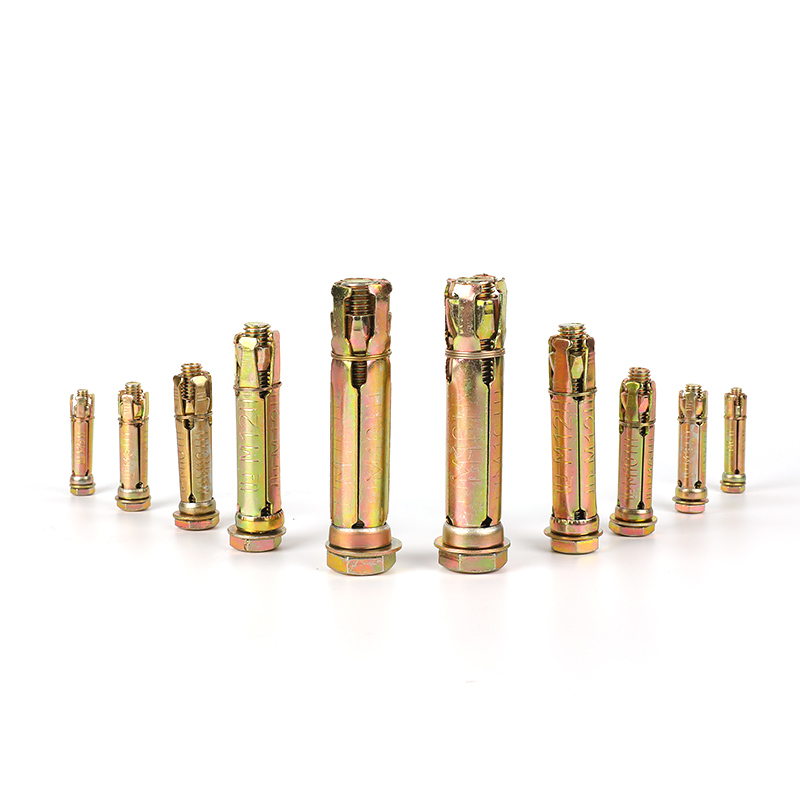
Fix anchorbolts include bolts, washers, nuts and 4PCS cylindrical shields. By tightening the bolts, the shields tubes expand and the components can be...
See Details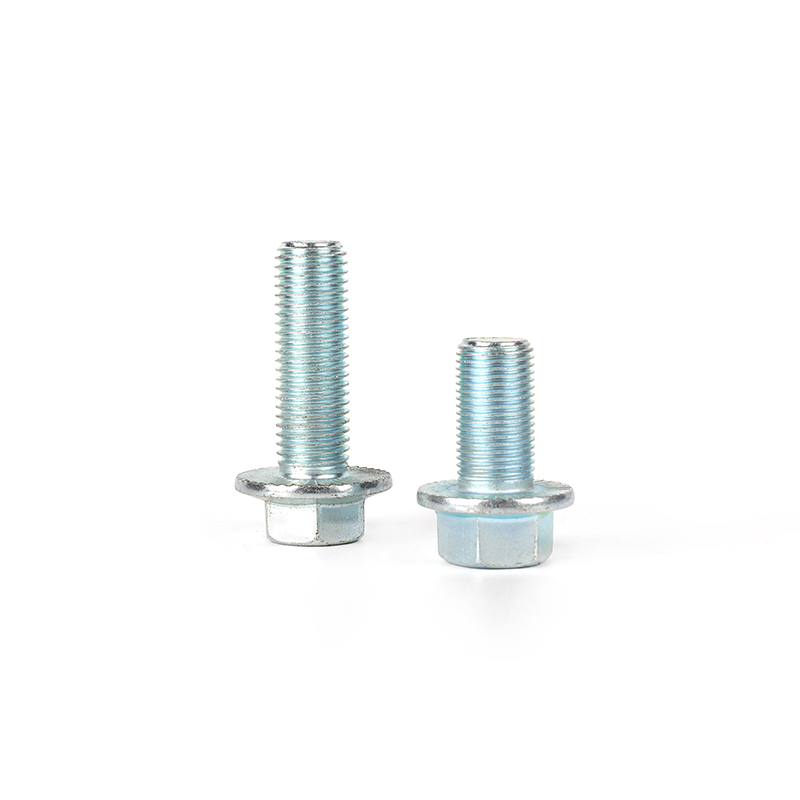
Flange bolts are specially used to tightly connect pipes and components with flanges. We produce flange bolts are solid t and durablethat, compling wi...
See Details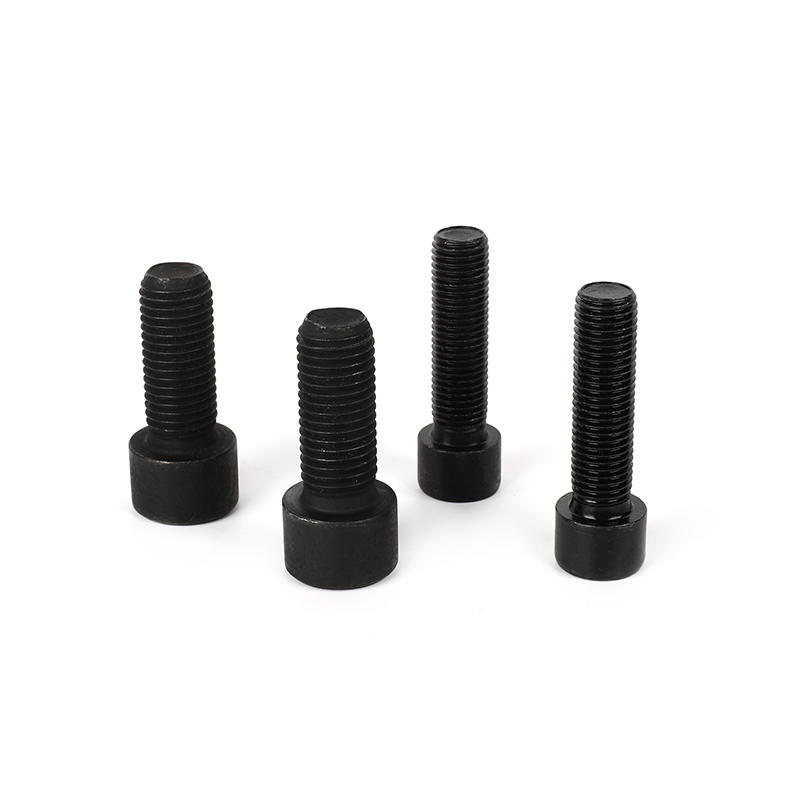
The Grade 8.8 black oxide full-thread hexagon socket bolts have an internal hex design and needs to be used with a wrench with a hex head. Its full th...
See Details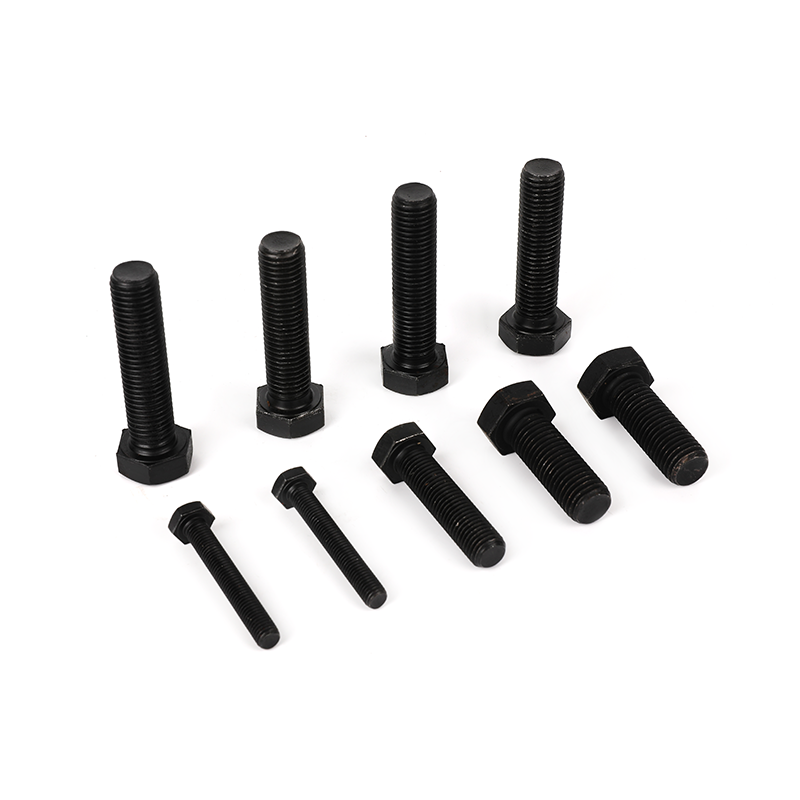
Grade 8.8 black oxide full-thread hexagon bolts is a very common fastener and requires a wrench or hex wrench to tighten it. Our hex head bolt meet th...
See Details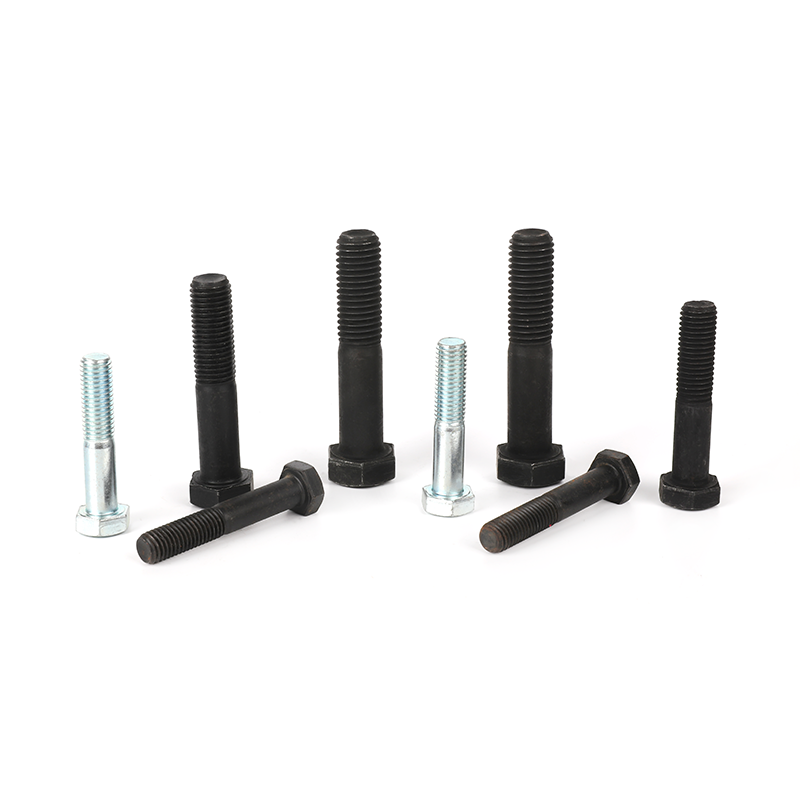
This product is made of high-quality carbon steel and undergoes a rigorous heat treatment process. It has high strength, good elasticity and toughness...
See Details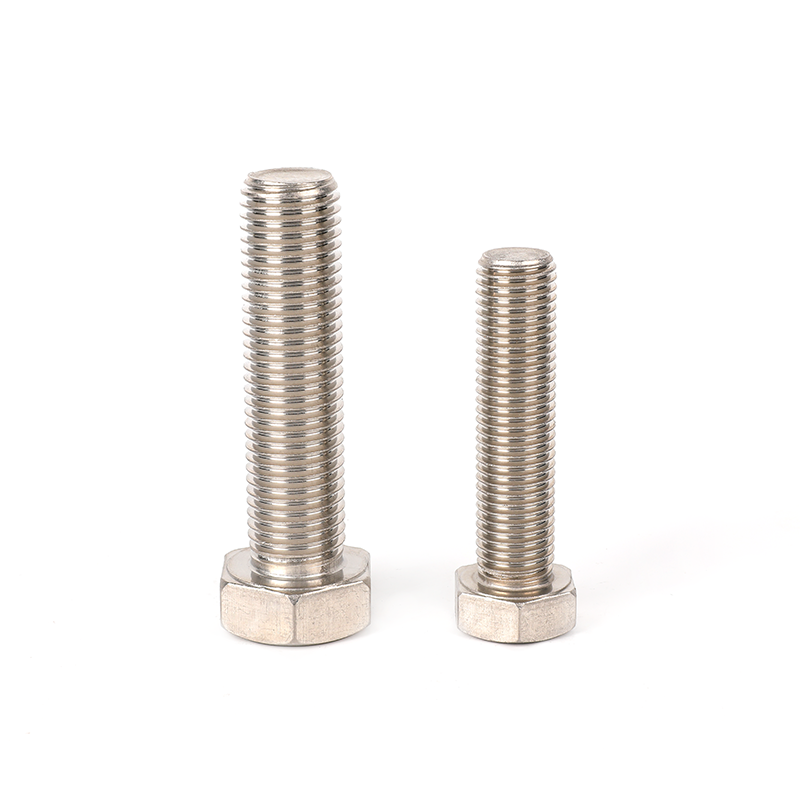
This 304 stainless steel plain full-thread hexagon bolt is a kind of fasteners made of high-quality stainless steel material and has corrosion resista...
See Details
This plain round flat head weld shoulder bolt is a fastener suitable for a variety of welding applications. Its flat head and round head design makes ...
See Details
This Grade 12.9 zinc plated countersunk head square neck plow bolt has the advantages of high precision, high operability, high strength, and high ten...
See Details
Room 102, Building 13, Area A, Wanyang Zhongchuang Park, Ganyao Town, Jiashan County, Zhejiang China.
+86-17858810290
+86-573-84648787
product
mobile
