 English
 عربى
عربى
Room 102, Building 13, Area A, Wanyang Zhongchuang Park, Ganyao Town, Jiashan County, Zhejiang China.
News
Home / News / Industry News / Preventing Bolt Failure from Overtorque: Causes, Tolerances, and Grade Selection
An M12 hex bolt fractured at the head during routine assembly on a production line. The operator had used the correct socket and a recently calibrated torque wrench, yet the bolt failed before the specified torque was reached. When the damaged bolt was examined, the necked shank and stretched threads pointed to one conclusion: the bolt had been overtorqued. Overtorque is not always a simple operator error. It can happen when the bolt reaches its yield point, when friction conditions differ from the design assumption, or when the fastener grade is not matched to the joint requirement. The risk is real, but so is the solution: choosing the right bolt grade, applying calibrated torque, and understanding how surface finish changes the torque-tension relationship.
Content
Every bolt behaves like a spring. Torque is used to create tension, and tension clamps the joint together. If the applied torque exceeds the bolt's elastic limit, the metal deforms permanently. The bolt stretches, the threads distort, and the shank may neck down. In extreme cases, the bolt fractures at the weakest cross-section.
There are several distinct overtorque failure modes, each with its own visual signature. The table below summarizes the most common ones.
| Failure Mode | Root Cause | Visible Sign |
|---|---|---|
| Tensile rupture | Axial stress exceeds ultimate tensile strength | Necked shank, rough fracture surface |
| Thread stripping | Thread shear force exceeds thread strength | Damaged or rounded threads |
| Head breakage | Shear/torsion overload at the head fillet | Head separated at the underhead radius |
| Joint relaxation | Clamping force exceeded but no immediate break | Persistent loosening under vibration |
These failures are not just cosmetic. A stretched bolt loses clamping force, which allows the joint to loosen. When the joint loosens, vibration and movement can accelerate the damage. In critical assemblies, this can lead to catastrophic equipment failure.
Bolt grade is the first line of defense against overtorque. The grade tells you the minimum tensile strength and yield strength of the material. Common industrial grades are 8.8, 10.9, and 12.9. Higher grades can withstand more tension before they yield, so they offer more headroom when a joint is accidentally overtorqued.
| Grade | Minimum Tensile Strength (MPa) | Minimum Yield Strength (MPa) | Typical Application |
|---|---|---|---|
| 8.8 | 800 | 640 | General machinery, automotive assemblies |
| 10.9 | 1040 | 940 | High-strength flange joints, wind and solar |
| 12.9 | 1220 | 1100 | Critical preload, heavy equipment |
For moderate torque requirements, Grade 8.8 hex bolts provide a good balance of strength and ductility. They resist overtorque better than lower-grade bolts and are economical for general industrial use. When a partial-thread design is needed to keep the thread out of the shear plane, a reduced-shank hex bolt can also reduce stress concentrations along the shank. This makes it a practical choice for joints where overtorque risk is moderate but real.
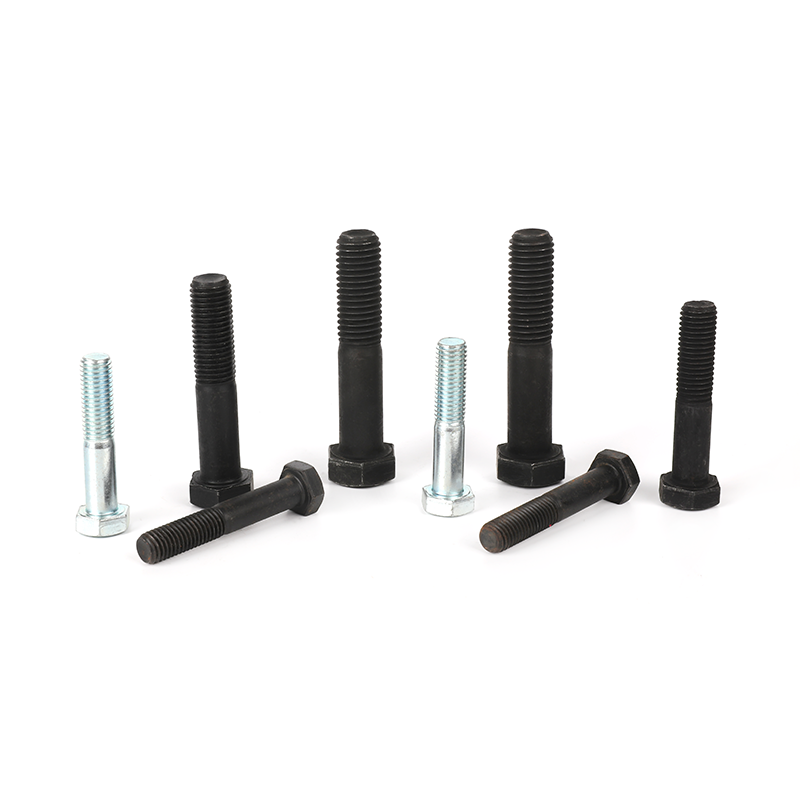 Grade 8.8 Partial-Thread Hex Bolts with Reduced Shank for Moderate TorqueThese carbon steel hex bolts combine high strength with a reduced shank to keep threads out of the shear plane, reducing stress concentrations and resisting overtorque for reliable industrial joints.View Product →
When the joint needs to stay tight under dynamic loading, a flange bolt is often a better fit than a standard hex bolt. The integral flange spreads the bearing load over a larger area, which reduces the chance of embedding and surface damage. This is especially valuable when you are working with softer materials like aluminum or thin sheet metal.
A Grade 10.9 flange bolt with an antislip texture adds another layer of protection. The textured surface creates a higher friction coefficient between the bolt head and the mating surface. Higher friction means less rotation for the same preload, translating into a more stable clamping force. In practice, this helps the assembly resist loosening even if the initial torque was slightly above the recommended value.
Selecting the right flange geometry also matters. If the flange is too thin, it may deform under excessive torque. A hardened, formed flange from a reputable manufacturer will maintain its shape and keep the joint secure. For high-load industrial assemblies such as wind brackets or solar racking, these features make a meaningful difference in long-term reliability.
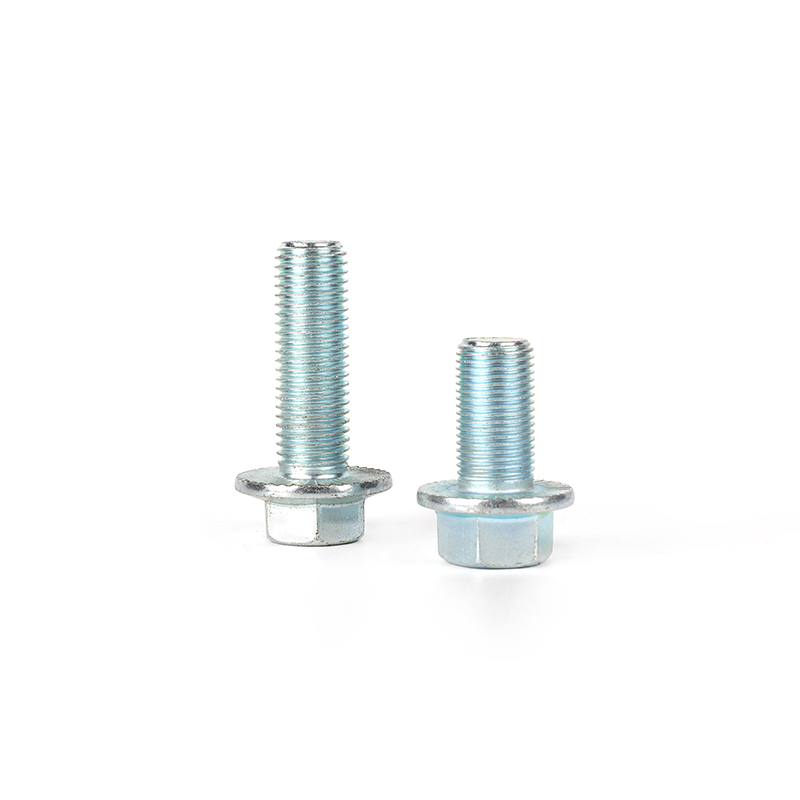 Grade 10.9 Zinc Plated Flange Bolts with Anti-Slip TextureDesigned with an integral flange and anti-slip texture, these high-strength bolts distribute bearing load and maintain secure clamping in demanding assemblies like wind brackets and solar racking.View Product →
Even with the right bolt, the assembly process must be controlled. The following steps are essential when torque accuracy matters:
If the bolt still loosens after a short period, the problem may not be overtorque at all, but rather a joint that relaxes or a bolt that lacks proper locking. In those cases, you will need to inspect the preload and consider a more robust locking device. This is a separate failure mechanism, and it is covered in our guide on preventing hex bolts from loosening during use.
Surface finish is frequently underestimated in torque-sensitive assemblies. A zinc-plated bolt behaves differently from a black oxide one, even within the same grade. Plating adds a layer that changes the friction between the threads. If the friction is lower than expected, the bolt can reach its yield point without the operator seeing an unusually high torque reading on the wrench. This is a hidden overtorque pathway.
Similarly, a bolt with a rough or damaged thread surface can bind and create high friction. In that case, the operator may reach the target torque while the actual preload is still too low. Later, if the joint exceeds its service load, the bolt may fail from fatigue rather than direct overtorque. This is why consistency in surface treatment is just as important as the bolt's strength grade.
When your application involves harsh environments or demanding load cycles, specifying the correct coating becomes a design decision, not a cosmetic one. You should also consider the corrosion resistance of the finish, since corrosion can alter the effective thread profile and weaken the joint. Understanding the interaction between surface finish, torque coefficient, and bolt strength is the key to making a customer-specific fastener work in the field.
Sometimes a standard bolt simply cannot meet the requirements of a joint with a unique load path. A shoulder bolt with a reduced shank can be designed to carry shear loads without overloading the threaded portion. A counter-sunk square-neck bolt can sit flush in a slot and resist rotation from the drive torque. In applications where several constraints collide, a custom fastener offers a way to avoid compromises.
For example, in photovoltaic racking and heavy machinery, a Grade 12.9 zinc-plated countersunk square-neck plow bolt can provide high preload while keeping the head configuration suitable for a recessed slot. The high strength grade gives the bolt a wider elastic range, so a modest overtorque event is less likely to produce permanent yield. The countersunk head also distributes the load into the substrate, which helps prevent localized crushing.
When you are evaluating a custom bolt, discuss the intended clamping force, the coefficient of friction of the coating, and the maximum allowable torque variation with the manufacturer. These factors determine the actual working range of the fastener. Our own engineering experience in custom nonstandard parts can help you translate a torque-sensitive assembly into a reliable bolt specification. For projects that require a unique geometry, you can start by reviewing our custom fastener manufacturing capabilities.
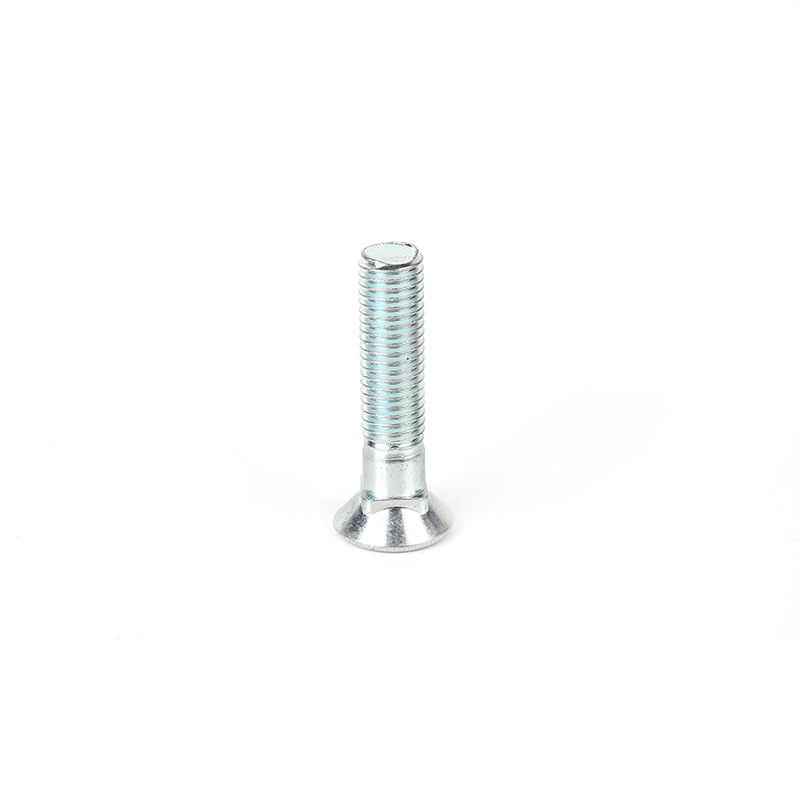 Grade 12.9 Countersunk Head Square Neck Plow Bolt for Custom FasteningFeaturing a countersunk head and square neck for tight fitment, these high-tensile, zinc-plated bolts suit custom, torque-sensitive applications requiring precise clamping and corrosion resistance.View Product →
The most dangerous overtorque failure is the one you cannot see until the joint has already lost its clamping force. A bolt that has been overtorqued may look intact while its microstructure has already started to degrade. By choosing the right grade, using flange or antislip designs where appropriate, applying calibrated torque, and considering surface finish effects, you can significantly cut the chance of a costly field failure. When in doubt, work with a manufacturer that can supply a consistent, traceable fastening solution and is willing to discuss the real conditions of your joint.
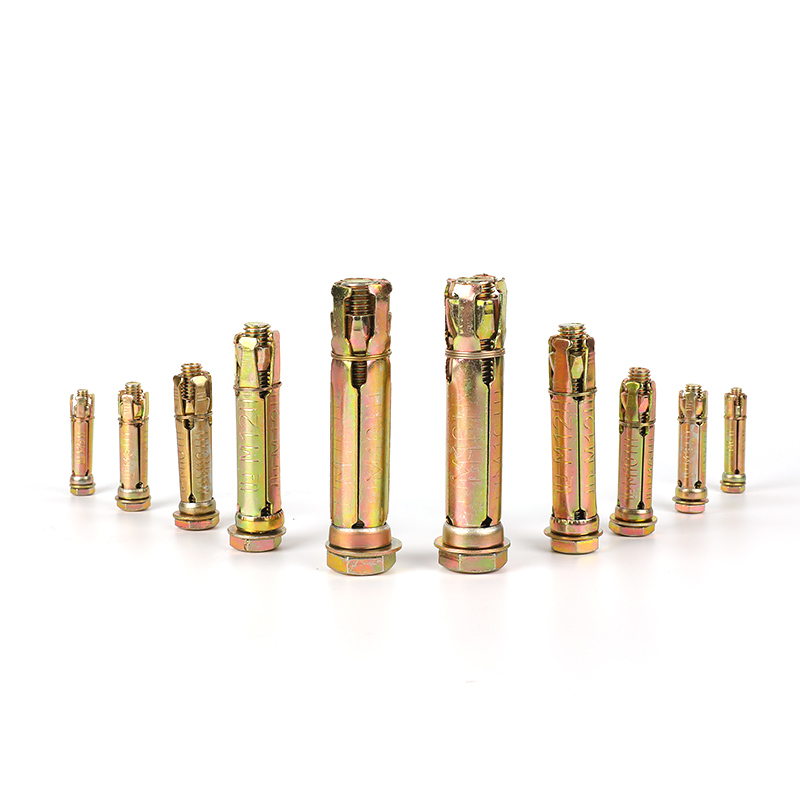
Fix anchorbolts include bolts, washers, nuts and 4PCS cylindrical shields. By tightening the bolts, the shields tubes expand and the components can be...
See Details
Flange bolts are specially used to tightly connect pipes and components with flanges. We produce flange bolts are solid t and durablethat, compling wi...
See Details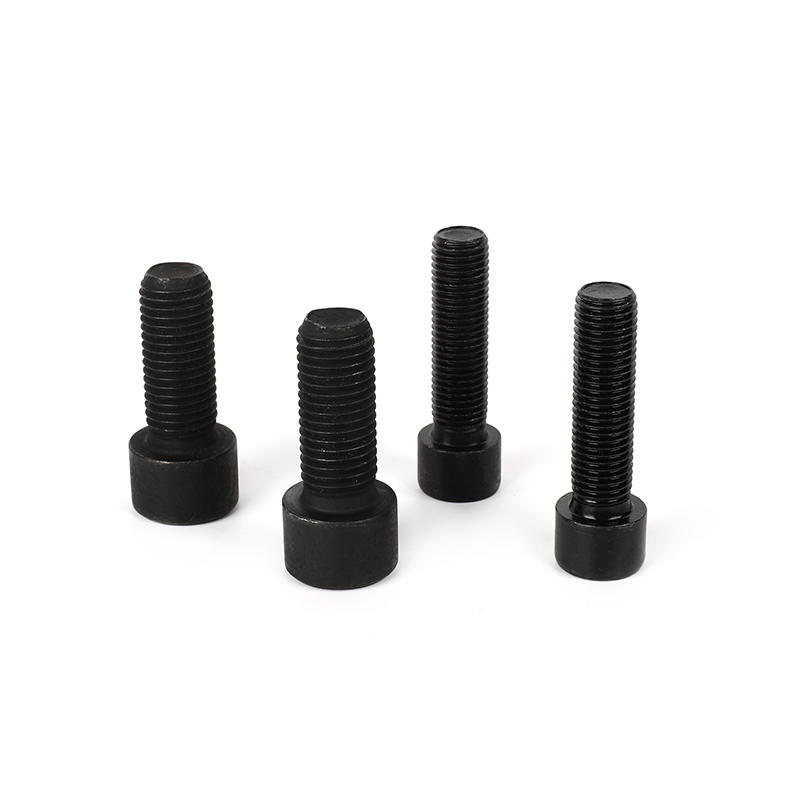
The Grade 8.8 black oxide full-thread hexagon socket bolts have an internal hex design and needs to be used with a wrench with a hex head. Its full th...
See Details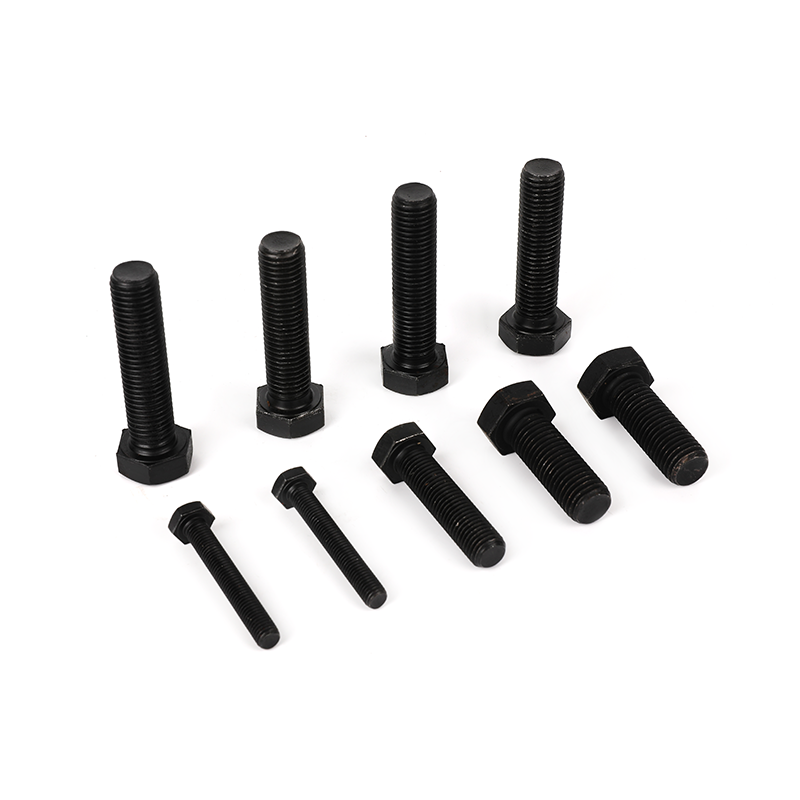
Grade 8.8 black oxide full-thread hexagon bolts is a very common fastener and requires a wrench or hex wrench to tighten it. Our hex head bolt meet th...
See Details
This product is made of high-quality carbon steel and undergoes a rigorous heat treatment process. It has high strength, good elasticity and toughness...
See Details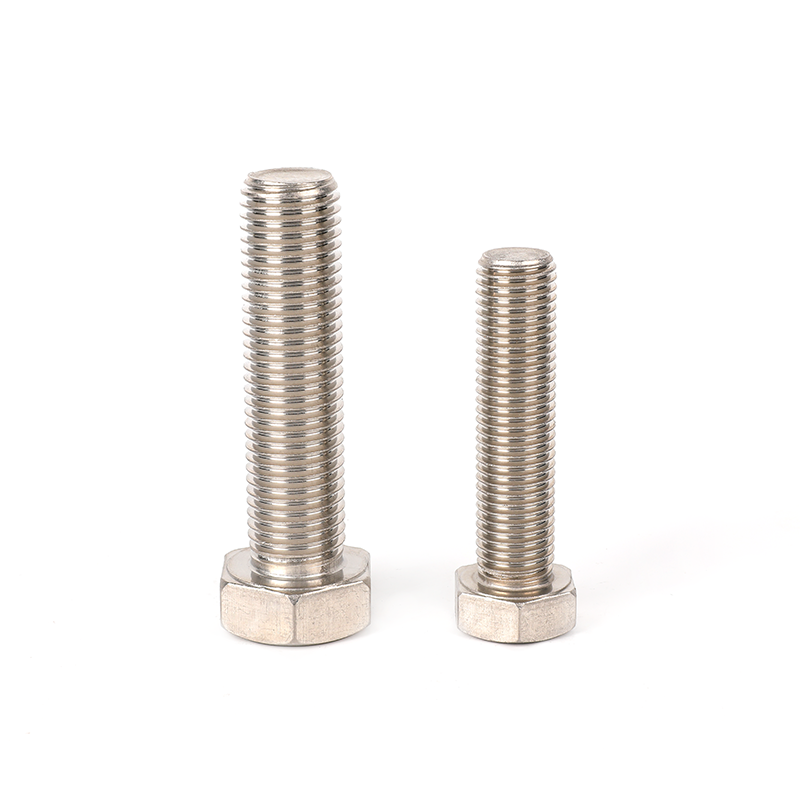
This 304 stainless steel plain full-thread hexagon bolt is a kind of fasteners made of high-quality stainless steel material and has corrosion resista...
See Details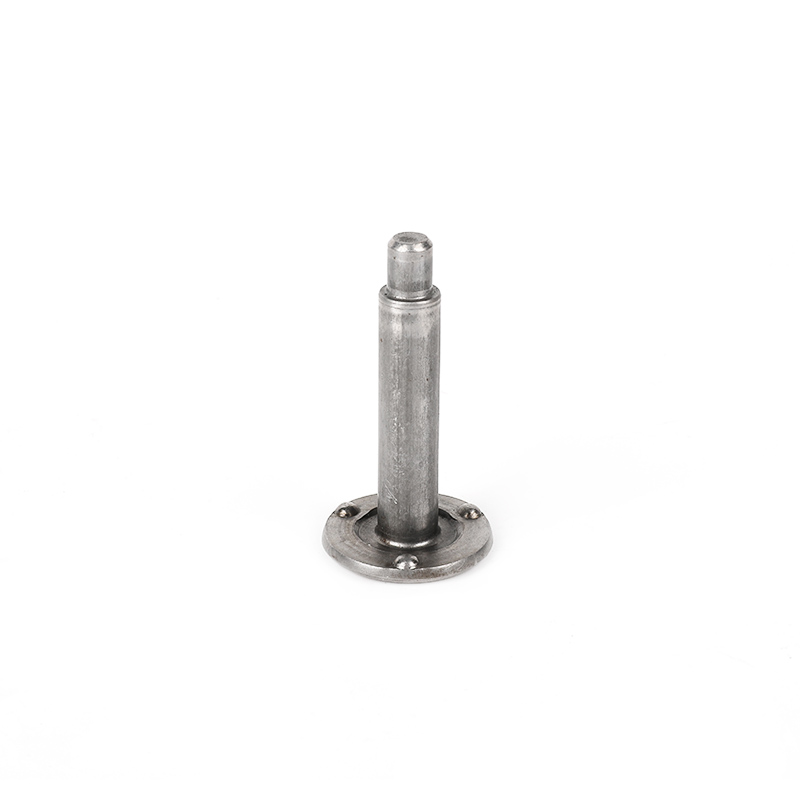
This plain round flat head weld shoulder bolt is a fastener suitable for a variety of welding applications. Its flat head and round head design makes ...
See Details
This Grade 12.9 zinc plated countersunk head square neck plow bolt has the advantages of high precision, high operability, high strength, and high ten...
See Details
Room 102, Building 13, Area A, Wanyang Zhongchuang Park, Ganyao Town, Jiashan County, Zhejiang China.
+86-17858810290
+86-573-84648787
product
mobile
